 EN
EN

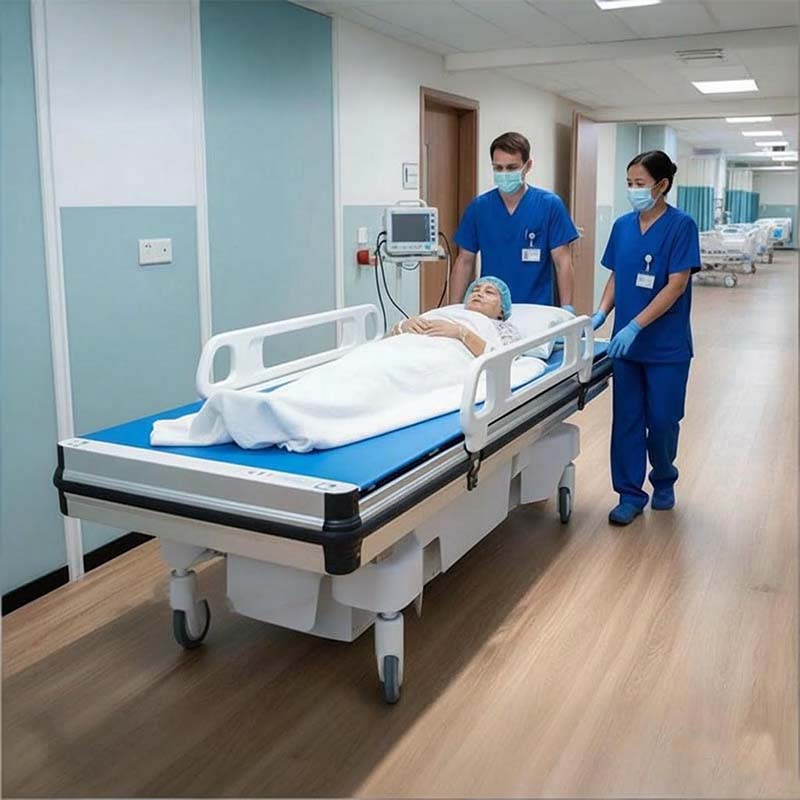
عند الفجر، ضغطت الممرضة لي، ممرضة العناية المركزة الرئيسية في مستشفى من الدرجة الأولى بمقاطعة فوجيان، على زرٍّ في جهاز التحكم عن بُعد. وعمل نظام الرفع الخاص بالسرير الكهربائي المتوازي طراز CM-ETB-2NG بدقة عالية وهدوء تام، فانخفض سطح السرير تدريجيًّا حتى اصطفّ تمامًا مع سرير المريض، وانزلق اللوح القابل للتمدد بسلاسة. وبذلك أكمل المريض عملية «نقل سريري غير ملحوظ» قياسية دون أن تظهر أي تجاعيد في الأغطية. وقد أُجريت العملية بأكملها بيدي واحدة، واستغرقت أقل من ثلاث دقائق، بينما ظلَّ ضغط دم المريض ومعدل نبض قلبه ثابتين طوال الوقت — وهو أمرٌ كان يُعدُّ مستحيلاً قبل إدخال أسرّة النقل الكهربائية المتوازية. سرير النقل تم تنفيذ العملية بأكملها بيدي واحدة، واستغرقت أقل من ثلاث دقائق، بينما ظلَّ ضغط دم المريض ومعدل نبض قلبه ثابتين طوال الوقت — وهو أمرٌ كان يُعدُّ مستحيلاً قبل إدخال أسرّة النقل الكهربائية المتوازية.
السر التكنولوجي وراء «النقل السلس الخالي من الفروقات»
أصبح مصطلح «النقل السلس بدون فرق» مصطلحًا تقنيًّا أساسيًّا في مجال أسرّة النقل المتوازي الكهربائية الخاصة بالرعاية الصحية في السنوات الأخيرة. ومع ذلك، فهذه ليست فكرة تسويقية فحسب، بل هي واقع سريريٌّ يرتكز على هندسة دقيقة. وتتلخّص جوهرها التقنية في: استخدام نظام رفع كهربائي لرفع سطح السرير المتحرك إلى نفس المستوى الذي عليه السرير الهدف أو طاولة العمليات، ثم الاعتماد على آلية الانزلاق الطولي أو الجانبي للوحة القابلة للتمدّد لإتمام النقل الأفقي للمريض. ولا يحتاج المريض خلال هذه العملية بأكملها إلى أن يُرفَع عن سطح السرير، ما يجنّبه تلقائيًّا خطر الإصابات الثانوية الناجمة عن تغيّر وضع الجسم. وهذه بالضبط هي القفزة الجوهرية التي حقّقتها تقنية النقل الكهربائية: التحوّل من «نقل المرضى يدويًّا» إلى «نقل المعدات بواسطة المعدات»، مع دمج عناصر السلامة والراحة والكفاءة في الإطار التكنولوجي الواحد.
سرير النقل الطبي الكهربائي CM-ETB-2NG من شركة شيامن وييو للتكنولوجيا الذكية المحدودة .يُعَدُّ هذا النموذج أحد المنتجات الممثلة لهذه المقاربة التكنولوجية. ويتميز هذا الطراز بنظام تحكُّم ذكي متكامل، ومدى رفع يتراوح بين ٥٧٠ مم و٩٧٠ مم. ويعمل بالتزامن مع شاشة عرض افتراضية عالية الدقة (UI) وجهاز تحكُّم يدوي، ما يسمح له بالتوافق بدقة مع ارتفاعات مختلفة لأسرّة المستشفيات، والطاولات الجراحية، وطاولات أجهزة التصوير المقطعي المحوسب (CT)، وغيرها من سيناريوهات النقل داخل المستشفى. وتبلغ عرض السرير ٨٠٠ مم، أما اللوحة المتحركة القابلة للتمدد فطولها ٢٠٣٠ مم وعرضها ٧٥٠ مم. ويُدار السرير كهربائيًّا، مما يحقِّق حركة أفقية سلسة للمريض، ويضمن عدم رفع المريض أو إنزاله على الإطلاق أثناء عملية النقل من الناحية البنائية الفيزيائية — أي أن المريض يبقى في الوضع الاستلقي طوال فترة النقل الكاملة، دون الحاجة إلى رفعه يدويًّا.
البيانات السريرية: الأرقام لا تكذب
دراسة سريرية منشورة على شبكة وانفانغ الطبية توفر أدلة قوية. وشملت هذه الدراسة ١٦٠ مريضًا يعانون من الكسور ويتطلبون النقل داخل المستشفى، وتم إدخالهم بين يناير ٢٠٢٠ وديسمبر ٢٠٢١. وقُسِّم المرضى عشوائيًّا إلى مجموعة ضابطة (النقل التقليدي) ومجموعة تجريبية (باستخدام عربة نقل طبية كهربائية)، بلغ عدد المرضى في كل مجموعة ٨٠ مريضًا. وأظهرت النتائج أن تدرج الضغط الشرياني ومؤشر النبض بقيا مستقِرَيْن قبل وبعد النقل في المجموعة التجريبية، بينما ازداد كلا المؤشرين بشكلٍ كبيرٍ بعد النقل في المجموعة الضابطة (P < ٠٫٠٥). كما كانت مدة النقل وعدد الأفراد المطلوبين في المجموعة التجريبية أقلَّ بكثيرٍ مما كانت عليه في المجموعة الضابطة (P < ٠٫٠٥). ومن حيث مؤشرات تجربة المريض مثل الأمان والراحة والانسيابية والألم، حققت المجموعة التجريبية درجاتٍ أعلى بكثيرٍ من المجموعة الضابطة (P < ٠٫٠٥). واستنتجت الدراسة أن «استخدام عربة النقل الطبية الكهربائية لنقل المرضى المُرقدِين يجنب حدوث إصابات ثانوية وتقلبات في العلامات الحيوية، كما يوفِّر القوى العاملة والموارد والوقت، ويحسِّن رضا المرضى والعاملين. ولذلك فهي جديرة بالتطبيق السريري الواسع النطاق.»
وأكدت دراسة أخرى أيضًا القيمة الجوهرية للنقل المدعوم كهربائيًّا في بُعد الصحة المهنية للموظفين التمريضيين. فقد أجرت دراسةٌ تطبيقيةً على أسرّة النقل المدعومة كهربائيًّا في نقل المرضى بأمان في قسم الطوارئ (ونُشِرت في مجلة *Contemporary Nurse*) تحليلًا مقارنًا من زاويتي العلامات الحيوية والسلامة السريرية، ما عزَّز أكثر فأكثر المزايا السريرية للنقل المدعوم كهربائيًّا من حيث جودة التمريض وسلامة المريض.
القيمة السريرية الأطول أمدًا: من سيناريو واحد إلى السلامة الشاملة
حاليًّا، شملت سيناريوهات تطبيق أسرّة النقل الطبية الكهربائية المساعدة، مثل طراز CM-ETB-2NG، عدة أقسام ذات تردُّد عالٍ في عمليات النقل، ومنها غرف العمليات، ووحدات العناية المركزة (ICUs)، وأقسام جراحة العظام، وأمراض النساء، وجراحة الأعصاب. وعلى سبيل المثال، فإن نقل المرضى بعد جراحات العمود الفقري بالطرق التقليدية قد يتطلَّب مشاركة ثلاثة إلى أربعة من الكوادر الطبية على الأقل، وقد يؤدي تطبيق القوة غير المتساوية أثناء النقل إلى إزاحة ثانوية في أماكن الكسور أو إصابة الأعصاب؛ ومع ذلك، وباستخدام السرير الكهربائي المساعد ذي الحركة المتوازية، لا يحتاج المريض إلى مغادرة السرير طوال العملية بأكملها، ويظل وضع جسمه ثابتًا، مما يُثبِّت الانحناء الفسيولوجي للعمود الفقري تثبيتًا تامًّا، ويقضي جذريًّا على مخاطر النقل. سرير نقل وبالتالي، فإن تقنية النقل الكهربائي المساعد ليست مجرد أداة لتحسين الكفاءة فحسب، بل هي أيضًا «نقطة التقاء» بين السلامة الطبية والرعاية الإنسانية، سواء بالنسبة للكوادر الطبية أو للمرضى.
والأهم من ذلك، أن أجهزة النقل المستشفى الكهربائية الجديدة، مثل طراز CM-ETB-2NG، لا تضمن جودة وسلامة الرعاية الطبية فحسب، بل وتدعم أيضًا تطوير نماذج التمريض السريري وتطور النظام البيئي الشامل للرعاية الصحية الذكية، مما يوفّر دعماً تكنولوجياً أساسيًا استباقياً لإغلاق حلقة النقل الطبي عالي الجودة.
الخاتمة
والعودة إلى السؤال الأول: هل يمكن لأسرّة النقل المتوازية الكهربائية أن تحقّق بالفعل الاتصال السلس دون أي انخفاض؟ وتُجيب البيانات السريرية بالإيجاب— بشرط توفر تصميم تقني متين، ونظام رفع وتسوية دقيق، ومحرك انتقال موثوق به كدعائم أساسية.
في الواقع، تُظهر البيانات الصادرة عن لجنة الصحة الوطنية أن أكثر من ٣٨٬٠٠٠ مستشفى على مستوى البلاد قد أدخلت معدات الأسرّة الناقلة، وبلغ حجم سوق الأسرّة الطبية الناقلة ما يتجاوز ١٠ مليارات يوان صيني. وعلى المستوى العالمي، من المتوقع أن ينمو سوق معدات نقل المرضى من نحو ١٢,٤ مليار دولار أمريكي في عام ٢٠٢٥ إلى نحو ٢٢,٦ مليار دولار أمريكي في عام ٢٠٣٥، بمعدل نمو سنوي مركب قدره ٦,٢٪، مما يشير إلى اتجاه واضح لاستمرار التوسع في الطلب. كما أن الدعم السياسي جديرٌ بالذكر أيضًا — فالبرنامج التجريبي الوطني لـ«خدمات الرعاية دون مرافقة» في المستشفيات، الذي أُطلق في عام ٢٠٢٥، يجعل الأسرّة الناقلة الذكية الكهربائية للمريض أداةً قياسيةً في هذا السياق، وهي بنية تحتية سريرية لا غنى عنها للمستشفيات ومؤسسات التمريض لتحسين الكفاءة، والحد من الاعتماد على القوى العاملة، وضمان سلامة المرضى. وفي مجال الأسرّة الناقلة الكهربائية، تُقدِّم شركة شيامن ويويو للتكنولوجيا الذكية المحدودة، بفضل أجهزتها الناقلة للمريض الكهربائية التي طورتها بشكل مستقل مثل الطراز CM-ETB-2NG، هذه الحلول إلى عددٍ متزايدٍ من المؤسسات الطبية.
إذا كنت تفكر في شراء أو ترقية معدات سرير النقل الموازي الكهربائي لمستشفيك أو مركز إعادة التأهيل أو منشأة رعاية كبار السن، يُرجى الاتصال بشركة شيامن ويويو للتكنولوجيا الذكية المحدودة للحصول على معلومات تفصيلية أكثر عن المنتج (الهاتف: ٠٠٨٦ ١٣٣٦٥٩٢٢٠٠٧ والبريد الإلكتروني: [email protected])، ودعم الأدلة السريرية، والحلول المخصصة. فكل عملية نقل آمنة تستحق أن تُحمى بأدق البيانات وأكثرها دقةً وأكثر المنتجات موثوقيةً.