 EN
EN

Oletko koskaan kokenut polvien kipua pitkän kävelymatkan jälkeen tai tunteutunut tylsää kipua polvijalassa voimakkaiden liikuntaharjoitusten jälkeen? Polvi on yksi ihmisen kehon monimutkaisimmista ja suurinta painoa kantavista nivelistä, ja alaraajojen aiheuttama paine tai huono verenkierros ilmenee usein juuri tässä alueessa. Puristuskenkätyökalut ovat viime vuosina nousseet suosituiksi kotikäyttöisiksi kuntoutuslaitteiksi – voivatko ne todella lievittää polvien epämukavuutta? Tässä artikkelissa tutkimme tätä kysymystä.
Miksi polvet kipuvat?
Jotta ymmärrettäisiin, miten puristussaappaat vaikuttavat polveen, meidän on ensin ymmärrettävä polvivertauskivun juurisyyn. Polvivertauskivu voi johtua monista eri syistä: nivelrikko (mukaan lukien osteoartriitti), sidekudoksen vammat, ruston repeämät tai liiallisesta käytöstä aiheutuva lihasten jännitys. Kun liikunta on liian intensiivistä tai huono asento säilyy pitkään, alaraajojen veren ja lymfan kierto usein tukkeutuu, mikä johtaa nesteiden ja maitohapon kertymiseen. Tämä ei ainoastaan tee pohkeista ja nilkoista raskaita tuntoja, vaan aiheuttaa myös kipua, jäykkyyttä ja jopa sähähtelyä polvijointia ympäröivissä pehmytkudoksissa. Jos tämä huono verenkierto jatkuu, polvijointin vakaus ja liikealue pienenevät.
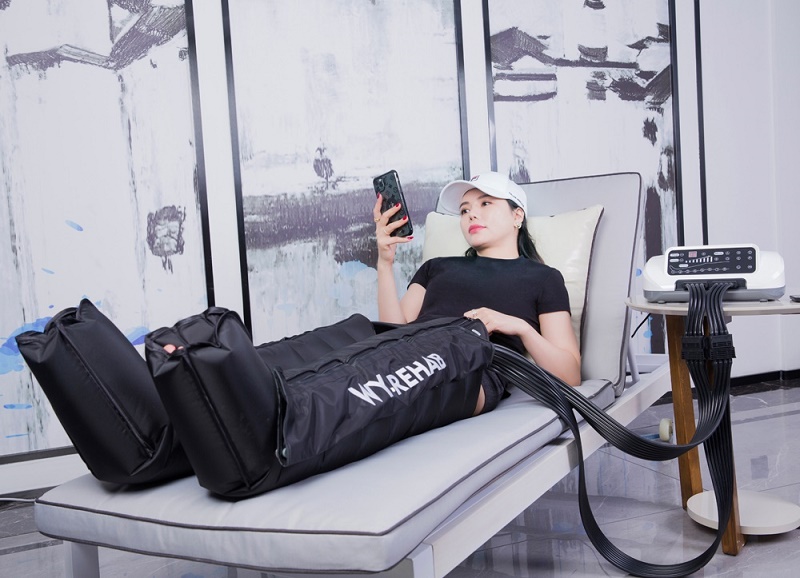
"Käänteisen hieronta" -periaate puristuspäihdin toiminnassa. Puristuspäihdit, joita kutsutaan myös ilmapuristuspäihdeiksi tai vaihtoehtoisiksi ilmapaineen käyttöön perustuiksi laitteiksi, eivät ainoastaan kavenna jalkoja. Ne käyttävät turvottavia kammioita, jotka turvottavat ja tyhjenevät järjestelmällisesti nilkasta polveen ja edelleen reisille ennalta määritellyssä järjestyksessä. Xiamen Weiyou Intelligent Technology Co., Ltd . on ammattimainen valmistaja tällä alalla ja tarjoaa ilmanpuristuskenkiä sisältävän tuotelinjan, jossa on 4–12 kammioita. Heidän VU-IPC12 -mallinsa 12-kammioinen ilmanpuristuspalautuskenkä hyödyntää tieteellistä dynaamista paineteknologiaa, ja sen 12 riippumatonta ilmapussia peittää tarkasti kaikki alueet jalkapohjasta reisiin. Älykkäiden turvotus- ja tyhjennyskierrosten avulla kenkä simuloi kehon luonnollista "lihasten pumppuvaikutusta", luoden negatiivisen painegradientin etäisistä raajojen osista kohti sydäntä ja aktivoimalla näin syvän verenkierron. Tämä "luonnonlakien vastainen" puristus pumppaa veren ja lymfan takaisin sydämeen, korvaa väsymyksen saaneet lihakset ja lievittää painetta polvessa sekä ympäröivissä kudoksissa.
Mitä tiede sanoo?
Voit kysyä, onko tälle fysioterapialle tieteellisesti perusteltua tukea. Vastaus on kyllä. Useat tutkimukset ovat osoittaneet, että tämä pulssimainen painemassaa parantaa verenkiertoa, vähentää lihassärkyä ja lisää nivelten liikkuvuutta. Yhdessä tutkimuksessa, jossa oli mukana 24 olympia-urheilijaa, havaittiin, että vain 15 minuutin kestävä epätasainen ilmapaineinen puristus vähensi merkittävästi urheilijoiden lihasten stressikipulisäytystä, ja vaikutukset säilyivät koko päivän ajan. Ben Gordon, Floridan yliopiston sovelletun fysiologian ja liikeopin laitoksen apulaisprofessori, huomauttaa myös, että useat meta-analyysit osoittavat johdonmukaisesti, että puristussukat voivat tilastollisesti merkitsevästi vähentää särkyä ja kipua.
Polvien liittyvässä kliinisessä käytännössä, kompressioterapia on myös osoittanut lupaavia tuloksia. Kliininen tutkimus potilaista, joille oli tehty kokonaan polvijalka, osoitti, että kahden viikon jatkuva polven puristushoito vähensi merkittävästi leikkausjälkeistä turvotusta ja paransi useita liikkeen toimintaa mittaavia indikaattoreita, kuten polven ojennuskulmaa, lepoaikaisen kivun pistemäärää, lihasvoimaa ja kävelynopeutta. Tämä näyttö viittaa siihen, että puristusperiaate on todellakin tehokas polven turvotuksen vähentämisessä ja niveltoiminnan parantamisessa.
Todellisen käyttäjäkokemuksen yleiskatsaus Tieteellisten tietojen lisäksi todelliset käyttäjäkokemukset ovat yhtä huomionarvoisia. Potilas, jolla oli korkea liikkuvuussyndrooma ja joka kärsi kroonisesta lihassärvystä ja nivelkrampeista, kertoi, että puristussukkien käytön jälkeen pulssimainen puristus tuntui siltä kuin hänen jalkansa olisi nostaessaan kevyesti, ja paine ulottui varpaista reisille, edistäen tehokkaasti verenkiertoa. Toinen käyttäjä huomautti, että sukissa oleva puristus tuntui pulssimaiselta hierontaältä, joka rentoutti välittömästi kipuisia lihaksia ja edisti limakalvon nesteen poistumista vähentäen kipua ja kipeyttä; hän huomasi merkittävän tulehdustason laskun jaloissaan jokaisen käytön jälkeen. Myös Men's Health -lehden arvostelutoimittaja myönsi: "Jalkani ovat huomattavasti vähemmän turvonneet", vahvistaen, että puristussukkien suunnittelu parantaa todellakin verenkiertoa vaaditulla alueella, vähentää lihassärvyyttä ja lievittää jalkojen turvotusta.
"Oireiden hoito" vai "syyn paraneminen"?
Tässä on tehtävä selkeä ero: puristuskenkäkäytävät eivät ole lääketieteellisiä laitteita, eikä niillä voida suoraan hoitaa rakenteellisia vammoja, kuten sidekudoksen repeämiä tai ruston rappeutumista. FDA:n 510(k)-sertifikaation mukaan ilmapuristuskenkäkäytävät ovat tarkoitettu lievän lihassärkyn väliaikaiseen lievittämiseen ja verenkierron väliaikaiseen parantamiseen käsitettyyn alueeseen terveillä ihmisillä. Ne toimivat kuin ahkera "verenkierron puhdistaja" – kun polven kipu johtuu huonosta alaraajojen verenkierrosta, liikunnan jälkeisestä laktihapon kertymisestä tai lihasten jäykkyystilasta, puristuskenkäkäytävät voivat epäsuorasti "vähentää kuormitusta" polvijointia edistämällä veren paluuta ja vähentämällä pehmytkudosten turvotusta, mikä lievittää kipua ja nopeuttaa toipumista. Useat tutkimukset ovat johdonmukaisesti osoittaneet, että puristuskenkäkäytävät voivat vähentää särkyn ja kipua, parantaa nivelten liikkuvuutta sekä parantaa pyöräilyharjoittelun jälkeisiä urheilijoiden väsymys- ja toipumisliittyviä indikaattoreita.
Mihin tulisi kiinnittää huomiota ennen käyttöä?
Teknologiaa korostava yritys Xiamen Weiyou Intelligent Technology Co., Ltd. suunnittelee tuotteitaan käyttäjien todellisten tarpeiden mukaisesti. Niiden peräkkäisvaikutteiset ilmapainekengät, jotka perustuvat tieteelliseen ilmapiirin kiertoteknologiaan, tarjoavat kannettavan ilmapainemassaa kokemuksen ilman sijaintirajoituksia.
Tietysti turvallisuus on ensisijainen asia. Ilmapainekengät eivät sovellu kaikille. Älä käytä niitä, jos sinulla on jokin seuraavista oireista, tai kysy lääkäriltä neuvoa ennen käyttöä: diagnoosattu tai epäilty syväveritulppa, vakava perifeerinen verisuonitauti, vakava sydän- ja verisuonitauti, hallitsematon verenpaineen korkeus, raskaus, aktiivinen infektio tai avoin haava jalkaan. Yleensä suositellaan käytettäväksi 15–30 minuuttia kerrallaan, alkaen alimmasta paineasetuksesta, tarkoituksena väsymyksen lievittäminen; älä käytä liiallista painetta.
Johtopäätös: väsymyksen lievittäminen polvissa
Takaisin alkuperäiseen kysymykseen: ovatko puristuskenkäkäytävät tehokkaita polvikipujen hoitoon? Lihaskivuun liittyvän väsymyksen ja työssä pitkään istumisen tai seisomisen aiheuttaman alaraajojen verenkierron heikkenemisen takia syntyvän polvien epämukavuuden hoitoon vastaus on kyllä. Tieteellisten ilmapaineen hieronta-periaatteiden avulla puristuskenkäkäytävät voivat tehokkaasti edistää alaraajojen verenkiertoa, poistaa väsymykseen liittyviä aineenvaihduntatuotteita ja vähentää nivelten turvotusta, tarjoamalla ei-invasiivista helpotusta ja rentoutumista väsynyille polville ja jaloille.
Jos etsit ammattimaista laitetta, jolla voidaan helposti ja tieteellisesti tukea jalkojen toipumista ja hoitoa kotona, Xiamen Weiyou Intelligent Technology Co., Ltd.:n akkukäyttöinen ilmapaineen puristusjalkamassaaressarja on tutkittava vaihtoehto. Lisätietoja tuotteista, teknisistä parametreistä tai räätälöidyistä ratkaisuista saat ottamalla yhteyttä Xiamen Weiyou Intelligent Technology Co., Ltd.:n. Aloita uusi kokemus tieteellisestä jalkojen hoidosta.