 EN
EN

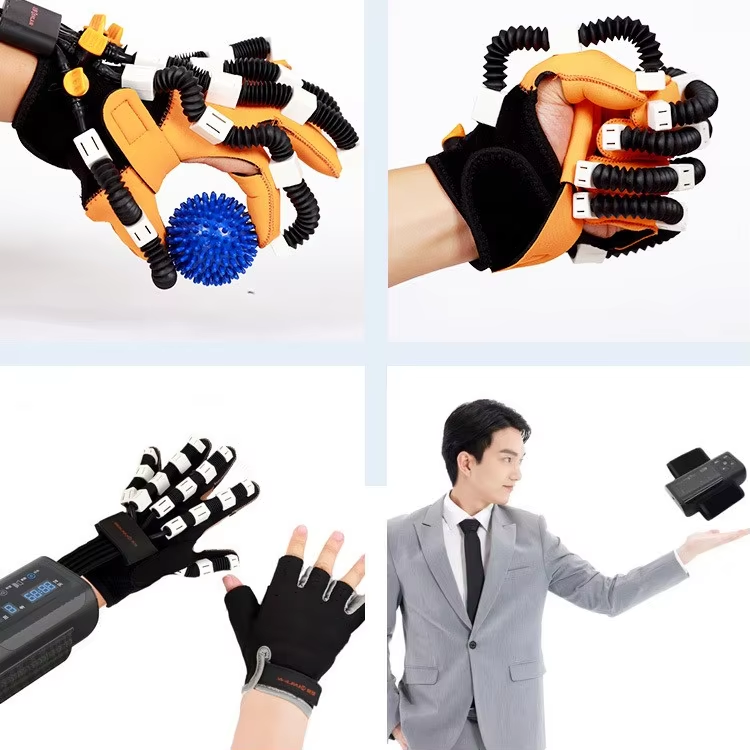
Tá athruithe réabhlóideacha ar thaispeáint ag cuir an t-athshlánú ó bhuaireachta agus an athchóiriú láimhe i mblianta deireanacha, agus tá lámhainní athchóiriúcháin ag éirí mar cheann de na nuághaolcháin is obairí i dticheadóireacht théamach. Is léim mhór le chéile iad na gléasanna casta seo ó dhóighithe traidisiúnta athchóiriú láimhe, ag tairiscint deiseanna gan a leithéid do phacientí agus do thioncharaithe sláinte. Tá an comhtháthú de chórais gásra, cabhair róbatach, agus dearadh inbhuanaithe tar éis athrú a dhéanamh ar an gcaoi a n-úsáideann gairmithe leigheas athshlánú fúnctaise láimhe, agus mar sin tá lámhainní athchóiriúcháin mar uirlis riachtanach i gcláir athshlánaigh an lae inniu.
Tá forbairt na mbaincíní le hathallú tar éis aghaidh a thabhairt ar bhainteanna criticiúla i gclár na dtreoraíochta traidisiúnta, go háirithe i d’fhorbairt roghanna cóireála atá cothrom, tomhaiste agus inrochtanach do phacientí le réimsí éagsúla míshainmhíochta lámh. In áit na modhanna coitianta a bhfuil an-tacaíocht ag teastáil ó threoraithe agus a úsáideann teicnící láimhseála, cuireann na gléasanna nuálaithe seo aghaidh ar aghaidh ar aghaidh ar aghaidh ar aghaidh ar aghaidh ar aghaidh ar aghaidh ar aghaidh ar aghaidh ar aghaidh ar aghaidh ar aghaidh ar aghaidh ar aghaidh ar aghaidh ar aghaidh ar aghaidh ar aghaidh ar aghaidh ar aghaidh ar aghaidh ar aghaidh ar aghaidh ar aghaidh ar aghaidh ar aghaidh ar aghaidh ar aghaidh ar aghaidh ar aghaidh ar aghaidh ar aghaidh ar aghaidh ar aghaidh ar aghaidh ar aghaidh ar aghaidh ar aghaidh ar aghaidh ar aghaidh ar aghaidh ar aghaidh ar aghaidh ar aghaidh ar aghaidh ar aghaidh ar aghaidh ar aghaidh ar aghaidh ar aghaidh ar aghaidh ar aghaidh ar aghaidh ar aghaidh ar aghaidh ar aghaidh ar aghaidh ar aghaidh ar aghaidh ar aghaidh ar aghaidh ar aghaidh ar aghaidh ar aghaidh ar aghaidh ar aghaidh ar aghaidh ar aghaidh ar aghaidh ar aghaidh ar aghaidh ar aghaidh ar aghaidh ar aghaidh ar aghaidh ar aghaidh ar aghaidh ar aghaidh ar aghaidh ar aghaidh ar aghaidh ar aghaidh ar aghaidh ar aghaidh ar aghaidh ar aghaidh ar aghaidh ar aghaidh ar aghaidh ar aghaidh ar aghaidh ar aghaidh ar aghaidh ar aghaidh ar aghaidh ar aghaidh ar aghaidh ar aghaidh ar aghaidh ar agh......
Ticneolaíocht Chasta Taobh Thiar de Bhaincíní Athallú Nua-Aimsire
Integriú an Chórais Pneamatach
Tá bunús na mbaincíní athshlánaithe éifeachtacha i n-a gcóras gásra, a úsáideann brú aeir rialaithe chun gluaiseachtaí na láimhe a aidhmiú agus a threorú. Cruthaíonn na córais seo tuairisc ghentle, chéimeach a thagann in áit fheidhme an t-aisghníomha mar a dhéanann sé go nádúrtha, agus a sholáthraíonn an t-iacall ar leith a theastaíonn do lámha a bhfuil neart orthu nó atá paralaithe. Ceadaíonn an teicneolaíocht gásra rialú cruinn ar fhorceanna a chur i bhfeidhm, agus cuireann sé sin ar fáil do théachtaí an cumas leis an dtorthaí a chur in oiriúint de réir riachtanais aon duine agus staidí a athshlánaigh.
Leathnú na lámh agus na bhfingreanna le gloineáin aeir i mbádóga réhabilitiúla reatha, le gach gloineán ina oiriúnach ar an láimh agus ar na méara, agus is féidir gach ceann acu a oibriú go neamhspleách. Ceadaíonn an cur chuige roinnte seo treith-shóisearach a sholáthar do mhéara nó réigiúin áirithe na láimhe, agus mar sin, cuireann sé comhthéacs iomlán ar chur i bhfeidhm ar thriailtigh ghluaiseachta casta. Soláthraíonn na sainseansóirí brú atá leaganaithe isteach sa chóras seo feidearthacht i rith an ama, ag cinnti leas thérapeachta is fearr agus ag cosc ar thriailtigh nó ar ghortú le linn seisiúin réhabilitiúla.
Cabhrú Róbótaíochta agus Rialú Gluaiseachta
Is é an comhtháthú ar chuid de ghlógaí athshlánaithe le cabhair róbatach a thugann athrú mór leis an modh a úsáidtear i dtreothaíocht na láimhe. Úsáideann na glógaí seo algoritmeacha casta rialú gluaiseachta a analaíonn patrúin gluaiseachta an phacienta agus a sholáthraíonn cabhair nó frithsheasamh oiriúnach chun feidhmiú ceart na láimhe a aidhmiú. Oibríonn na comhpháirteanna róbatacha i gcomhábhar le próiseasanna nádúrtha an neuroplasticity, ag spreagadh an fhorbairt pháirteach nua de bhealaí néarálta atá riachtanach don athbhreithniú gluaiseachta.
Tá scannáin chasta leabaithe go leanúnach ar fud struchtúr na gloige ag monatóiríodh suíomh na láimhe, sna meirge agus sa neart gcaitheamh, ag luascadh na sonraí seo chuig córais rialú a mhionathraíonn leibhéil na cabhrach i ré a fhiú. Cinntíonn an teicneolaíocht fhreastalaí seo go mbaintear an t-eadhach terapach is fearr as an treothaíocht ar fad, agus go mbeidh an córas in ann a chur in oiriúint le feabhsú ar fheidhmiú gluaiseachta agus a laghdú go gradamail ar an gcabhair mar a bhreithníonn an pacient.
Buntáistí Cliniciúla agus Feidhmiúcháin Threothaíochta
Foilsiú Athbhreithniúcháin
Is iad na daoine a mhair tar éis stróicthe, an grúpa is mó a bheidh le tairbhe as teicneolaíocht na mbádóga athchóiriúcháin, mar gheobhaidh na gléasanna seo an fhorbairt chomhthreomhar a bhíonn ann go minic tar éis eachtraí céiréabhrach. Tugann na patrúin gluaiseachta rialaithe a gheobhaidh an gléas lámhainní athchóirithe cuideachta le stiúradh na bpátrún nialasach atá ina luí agus cuireann sé ar fáil an praiticiú intuigthe a theastaíonn chun foghlaim a athdhéanamh ar ghluaiseachtaí na láimhe. Tá taighde cliniciúil curtha in eagar a thaispeánann feabhas suntasach ar scóráil fheidhme na láimhe i ndaoine a bhfuil stróicthe acu ag úsáid na gléasanna seo i gcomparáid le heagrú traidisiúnta amháin.
Tugann an cumas chun prótócola aclaíochta cothrom, céimeach a sholáthar an luach speisialta do bhádóga athchóiriúcháin le linn an tréimhse tábhachtach tosaíochta athshlánaithe tar éis stróicthe. Is féidir leis na hifreastóirí tosú leis an gceannach níos luaithe agus dul chun cinn gan stad a dhéanamh gan a bheith srianta ag fáil ar fhreastalóir nó ag teorainneacha ama. Tá an rochtain leathnaithe seo ar an gceannach taispeánta go dtugann sé le feabhas ar phointí an athshlánaigh i gcoitinne agus go laghdaíonn sé rátaí an dísábailte fadtéarmach i measc na ndaoine a mhair tar éis stróicthe.
Bainistíocht Coinníollacha Neorailis
Thar a bheanadh aisiúint ó bhualadh, tá lámháin athchóirithe tar éis a bheith éifeachtach i mbainistíocht roinnt coinníollacha neorailis, lena n-áirítear parálais chéirbhráilteach, ilshcléaróis, agus iondamh ar an mbráille. Tugann an nádúr inbhuanaitheach ar na gléasanna seo deis na prótacail théipéireachta a chosaint go dtí gur féidir iad a chosaint go dtí gur féidir iad a chosaint go dtí gur féidir iad a chosaint go dtí gur féidir iad a chosaint go dtí gur féidir iad a chosaint go dtí gur féidir iad a chosaint go dtí gur féidir iad a chosaint go dtí gur féidir iad a chosaint go dtí gur féidir iad a chosaint go dtí gur féidir iad a chosaint go dtí gur féidir iad a chosaint go dtí gur féidir iad a chosaint go dtí gur féidir iad a chosaint go dtí gur féidir iad a chosaint go dtí gur féidir iad a chosaint go dtí gur féidir iad a chosaint go dtí gur féidir iad a chosaint go dtí gur féidir iad a chosaint go dtí gur féidir iad a chosaint go dtí gur féidir iad a chosaint go dtí gur féidir iad a chosaint go dtí gur féidir iad a chosaint go dtí gur féidir iad a chosaint go dtí gur féidir iad a chosaint go dtí gur féidir iad a chosaint go dtí gur féidir iad a chosaint go dtí gur féidir iad a chosaint go dtí gur féidir iad a chosaint go dtí gur féidir iad a chosaint go dtí gur féidir iad a chosaint go dtí gur féidir iad a chosaint go dtí gur féidir iad a chosaint go dtí gur féidir iad a chosaint go dtí gur féidir iad a chosaint go dtí gur féidir iad a chosaint go dtí gur féidir iad a chosaint go dtí gur féidir i......
Is é an t-ionchur therapeutaigh cothrománach a sholáthraítear ag baint úsáide as lámhainní athshlánaithe go háirithe le haghaidh othair le comhracanna athraitheacha nó le tonas miasa athraitheach. Is féidir leis na gléasanna seo a leibhéil cabhrach a chosaint chun athruithe laethúla sa fheidhmiú gluaiseachta a áireamh, ag cinntiú go mbaineann na hothair leis an gcabhair therapeutaigh cheart gan regard ar a stádas feidhmiúil reatha. Déanann an ghlacacht seo lámhainní athshlánaithe ina uirlis thábhachtach do bhainistíocht fhadtéarmineach conditiún nialasach chrónach.
Gnéithe Díograiseacha Dineall agus Inbheanacht
Tógáil Erganómach agus Cothrománacht an Othair
Tugann gloineanna leathnaithe nua-aimseartha aird ar shuaimhneas an oileánaigh agus ar úsáideacht trí phrionsabail dearadh erganóiméadrach a chuireann leis na réimsí éagsúla meid an lámh agus cruth an lámh. Roghnaítear na hábhair a úsáidtear i mbunaithe an gloine go cúramach do bhrúthacht, do ghléasúchán agus do chomhoiriúnacht leis an gcraiceann, ag cinntiú go bhféadfadh na huilíochtóirí na glóiní a chaitheamh le haghaidh seisiúin teiripe thar feadh tréimhse fada gan aon mhíshuaimhneas. Ceadaíonn córais méid a athraítear agus comhpháirteanna modúlaíochta fiteadh cruinn ar thréimhse leathan daonna.
Tugann an t-ábhar éadrom a úsáidtear i ngloineanna leathnaithe an lae inniu freagra ar cheisteanna roimhe sin faoi mholadh an ghlóine agus tuirse an úsáideoire. D’fhág an t-úsáid ábhar chunaithe agus comhpháirteanna beaga go leor an t-ábhar déanta ag na monaróirí glóiní a chruthaíonn buntáistí théiripe cumhachtacha agus a chaithfidh an suaimhneas agus an úsáideacht a theastaíonn ó úsáid rialta. Tugann an t-aireamh seo ar phian an t-úsáideoire bua mór ar chomhlíonadh an théiripe agus ar thorthaí an chóras cóireála i gcoitinne.
Buntáistí na Teicneolaíochta Inbhuanaithe
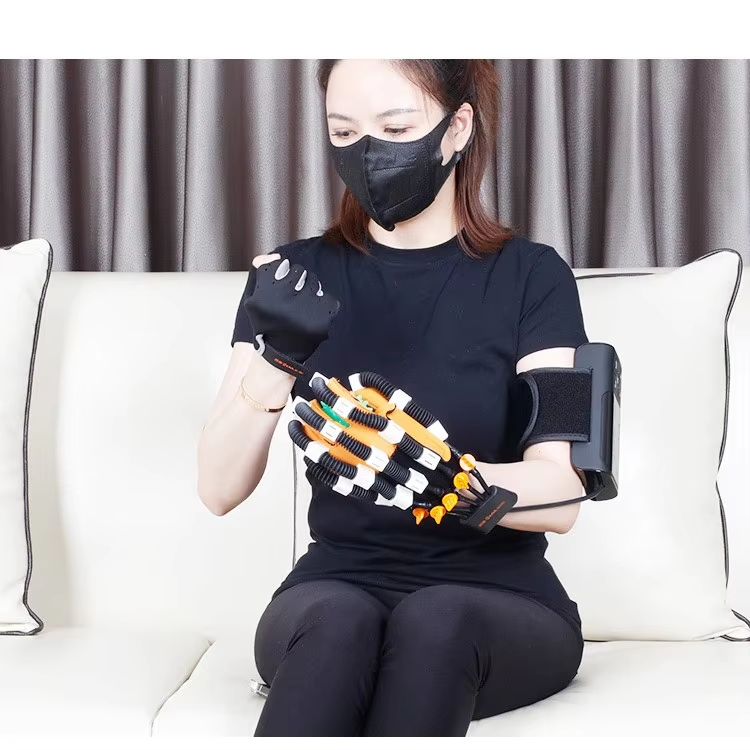
Thug forbairt na mbádóga athshlánaithe inbhuanaithe leathnú radacach ar rochtain ar théipearáil na láimhe trí chur ar fáil dóibh sa bhaile, i dtionscnaimh cliniciúla agus i dtionscnaimh pobail. Ceadaíonn córais cumhachtaithe le bataireanna le ceangal gan sreang do phacientaí a leanúint ar a gcláranna athshlánaithe amach as timpeallachtaí cliniciúla traidisiúnta, ag méadú go mór ar minicíocht agus ar chothromacht na dtéipearáilí thar a bheanadh. Tá an t-ábhar seo ina bhuntáiste go háirithe do phacientaí le teorainneacha ar shiúl nó do na daoine atá ina gcónaí i réigiúin nach bhfuil rochtain acu ar sheirbhísí athshlánaithe speisialta.
Uaireanta tá fáinní le haghaidh athshlánaithe inbhuana ar fáil le hairíonna foilsithe ar shocruithe móibíle a threoríonn na húinéirí trí róinnt aclaíochta, a lorgann an dul chun cinn, agus a chaomhnóidh an cumarsáid le soláthraithe sláinte. Cinntíonn an cur chuige comhtháite seo leanúint ar an gcúram agus cuireann sé neart agus solúbthacht i mbéal na bhfocal le haghaidh athshlánaithe fadtéarmach rathúil. Tá an cumas le haghlóirí teicneolaíochta cúraim gairmiúla a úsáid i aon áit a thiontaigh an t-achar athshlánaithe go dtí réimse nua agus tugann sé bua ar thorthaí do líon mór úinéirí.
Torthaí Bunaithe ar Thacaíocht agus Torthaí Taighde
Torthaí Trialacha Clinicí
Tá taighde cliniúil leathan curtha i gcrích a bhfuil sé ag dearbhadh éifeacht na mbaincíní athshlánaithe ar thionchar éagsúla do phacientí agus ar fheidhmeanna théipeach. Tá triailí rannpháirteacha rialaithe taispeánta go leanúnach toraidh is fearr nuair a chuirtear baincíní athshlánaithe isteach sa ghnáth-ghníomhaíocht théipeach i gcomparáid le hordúcháin an chórais traidisiúnta amháin. De ghnáth, tá feabhas níos tapúla ag na pacientí a úsáideann baincíní athshlánaithe ar chumhacht ghlacais, ar shleamhnaíocht na bhfingre, agus ar scóráil an fhuinnimh láimhe i gcoitinne.
Tá staidéir fhadtéarmacha le fógra a thaispeáin go mbíonn na leasanna a bhaintear as teiripeáil lámhainní athchóirithe i láthair thar am, agus go mbíonn go leor pacientí in ann a n-ábhar feidhmiúil a chaomhnú míonna nó blianta tar éis chríochnú a gcláir théiripe. Is é seo an t-ábhar tábhachtach a dhéanann an teiripeáil lámhainní difriúil ó roinnt modhanna teiripe traidisiúnta a d’fhéadfadh a bheith níos sealadacha. Tacaíonn an t-evidince taighde go láidir le comhtháiteacht lámhainní athchóirithe isteach sa chlár iomlán teiripeála lámh.
Satisfaction an phacient agus Feabhsú ar Chaileachas Saol
Taispeánann tomhais as an bpacient a thuairiscítear go leanúnach rátaí ard sáshualaithe i measc na ndaoine a úsáideann lámhainní athchóirithe do théipe láimhe. Tuairiscíonn na pacaint go minic feabhsú, nach bhfuil ach sa fheidhmiú mótóir ach freisin sa chinntíocht, sa neamhspleáchas agus sa cháilíocht iomlán saoil. Is cosúil go bhfuil éifeacht shiombalach dearfach ag an gcumas chun páirt ghníomhach a ghlacadh sa phróiseas athchóirithe trí úsáid lámhainní athchóirithe, ag дополнять na beneifití fisiciúla a thagann leis an gcuirieadh.
Taispeánann mheasúnuithe ar cháilíocht saoil go mbíonn tuilleadh cumais ag na pacaint a úsáideann lámhainní athchóirithe chun gníomhartha laethúla a dhéanamh, ar ais ag teacht ag obair nó ag gníomhartha taitneamhacha, agus ar a gcónaí a nascanna sóisialta a d’fhéadfadh a bheith tar éis baint leis an ngealltanas ar a lámha. Taispeánann na feabhsuithe seo níos leithne ar shaol an duine luach iomlán teicneolaíochta lámhainní athchóirithe thar na tomhais cliniciúla amháin ar athbhuailt an fheidhmiú mótóir.
Forbairtí Amach anseo agus Comhionannú Teicneolaíochta
Eolasúint Shuíomhach agus Foghlaim Uimhíochtúil
Tá todhchaí lámhainní athshlánaithe i gcomhtháthú intleacht artaifisigh agus algoritmeanna foghlaime uaireadóireachta a chuireann leis an bprótacal théiripeachta bunaithe ar fhreagraí agus ar phatrúin tosaichte gach pacient. Beidh na córais casta seo in ann sonraí mórán pacientí a analú le haghaidh straitéisí cóireála is fearr a aithint agus tráchtairí athshlánaithe a réamhaisiú. Cuirfidh fás foghlaime uaireadóireachta ar fáil do lámhainní athshlánaithe chun a gcuid cur chuige théiripeachta a fheabhsú go leanúnach, ag maximú le hionadú gach seisiún théiripeachta.
Cabhraíonn algoritmeanna réamhaisithe a chuirtear isteach i lámhainní athshlánaithe an todhchaí leis na soláthraithe sláinte a ndiaidh aithint pacientí atá faoi bhrionglóid as coimpléacht nó tréimhse stádála sa bhfillteacht, ag ligean do thionscail réamhghníomhaíochta a chur i bhfeidhm chun an t-athbhuailt a chaomhnú. Tugann an comhcheangal idir intleacht artaifisigh agus teicneolaíocht lámhainní athshlánaithe reatha deis do theagasc téiripeachta iomlán pearsanta a chruthú a athraíonn i rith amh láithreach lena riachtanais agus a chumas pacientí.
Eilimintí Réaltachta Fhisiciúla agus Cluichí
Tá báiníní athshlánaithe nua-aimseartha ag comhtháthú comhéadan réaltachta fisiciúla agus eilimintí cluichí chun páirtithe a spreagadh agus a mhothú mar gheall ar a dtreoir le linn seisiúin na théireapa. Tiontaíonn na gnéithe idirghníomhacha seo aclaíochtaí atá déanta go minic in aclaíochtaí taitneamhacha, ag fheabhsú comhlíonadh na téireapa agus faoi bhun an ama a chaithtear ar an seisiún. Is féidir le timpeallachtaí réaltachta tascanna agus dúshláin an domhain fíor a mhionshainiú, ag soláthar deisí praiticiúla agus tábhachtacha don bpacient.
Tugann an comhtháthú eilimintí cluichí le báiníní athshlánaithe taithí théireapa a bhfuil comórtas agus spriocanna ann, rud a tharraingíonn éagsúlacht phacientí, ó leanaí le parálais cherebral go dtí daoine sine ag aistriú ó stróic. Úsáideann an cur chuige seo an fhuinneamh spreagtha a bhaineann le cluichí agus le hachomharc chun dul chun cinn théireapa a thiomáint, agus ag coimeád an rígóir cliniciúil is gá chun toradh éifeachtach a bhaint amach ón athshlánú.
Ceisteanna Coitianta
Conas a dhifríonn báiníní athshlánaithe ó dhóighí théireapa láimhe traidisiúnta
Lámhainní athchóirithe soláthraíonn siad cabhrú cothrom, tomhaiste agus éifeachtach trí chórais pniomatacha agus róbótaíocha, in aghaidh na heilimintí thraidisiúnta a dtacann le teicnící láimhe agus ar fáil don théarapeach. Tugann siad smacht cruinn ar intinn an aghaidh, feidearthacht i rith an ama, agus an cumas cleachtadh go neamhspleách sa bhaile nó i socruithe cliniúla. Ceadaíonn an teicneolaíocht seo níos mó seisiúin théarapach agus rianú obairteach ar chur chun cinn i gcomparáid leis na modhanna traidisiúnta.
An oiriúnann lámhainní athshlánaithe do gach cineál míshainmhíniú lámh?
Dearnaítear lámhainní athshlánaithe chun éagsúlacht de mhíshainmhíniú lámh a áireamh, lena n-áirítear parailís a bhaineann le strócas, coincheapa neorailgeacha, agus aistriúchán ó ghortú. Áfach, tá an oiriúnacht ag brath ar fhachtóirí indiabhaidí an phacienta, mar shampla méid na lámh, staid na craiceann, an cumas mheabhrach, agus na spriocanna théarapach sonracha. Ba cheart do sholáthraí sláinte an pacient gach aon duine a mheas chun a chinntiú an bhfuil lámhainní athshlánaithe oiriúnach do a choincheap agus do a riachtanais athshlánaithe.
Cén oiliúint a éilítear chun báiniseáin athshlánaithe a úsáid go héifeachtach
Tá an chuid is mó de bháiniseáin athshlánaithe deartha le haghaidh oibriú úsáideora-chaighdeánach le riachtanais oiliúna íseal. Faigheann na hifreastóirí tuisceana tosaigh ó sholáthraitheoirí sláinte ar chur i bhfeidhm ceart, rialuithe oibriúcháin, agus prótacail aclaíochta. Tá turasóga treorithe agus aipphrógraimí do ghléasanna móra ann go minic a thairgeann tacaíocht leanúnach. D’fhéadfadh soláthraitheoirí sláinte a bheith i dtiomantas oiliúna níos cuimsitheach chun prótacail leigheas a oiriúnú go hiomlán agus sonraí na bhfearann a léamh go héifeachtach.
Cé mhéad ama a thógann sé de ghnáth chun feabhas a fheiceáil le báiniseáin athshlánaithe
Tá na linnte ama le haghaidh feabhsú an-taobh ós cionn an choinníoll bhunúsach, doimhne an mhoillithe agus factóirí na mbainc aonair. Tuairiscíonn go leor pacientí feabhsú tosaigh i gcomfart agus i ngluaiseacht laistigh de na seachtaineacha cúpla ar dtús úsáide na lámhainní athshlánaithe. De ghnáth, tagann feabhsuithe fheidhmiúla suntasacha i gceannas tar éis 6-12 seachtaine úsáide leanúnach, cé go bhféadfadh roinnt pacientí buntáistí a fháil níos luaithe nó teastáil tréimhse faoi thréimhse faoi thréimhse faoi thréimhse faoi thréimhse faoi thréimhse faoi thréimhse faoi thréimhse faoi thréimhse faoi thréimhse faoi thréimhse faoi thréimhse faoi thréimhse faoi thréimhse faoi thréimhse faoi thréimhse faoi thréimhse faoi thréimhse faoi thréimhse faoi thréimhse faoi thréimhse faoi thréimhse faoi thréimhse faoi thréimhse faoi thréimhse faoi thréimhse faoi thréimhse faoi thréimhse faoi thréimhse faoi thréimhse faoi thréimhse faoi thréimhse faoi thréimhse faoi thréimhse faoi thréimhse faoi thréimhse faoi thréimhse faoi thréimhse faoi thréimhse faoi thréimhse faoi thréimhse faoi thréimhse faoi thréimhse faoi thréimhse faoi thréimhse faoi thréimhse faoi thréimhse faoi thréimhse faoi thréimhse faoi thréimhse faoi thréimhse faoi thréimhse faoi thréimhse faoi thréimhse faoi thréimhse faoi thréimhse faoi thréimhse faoi thréimhse faoi thréimhse faoi thréimhse faoi thréimhse faoi thréimhse faoi thréimhse faoi thréimhse faoi thréimhse faoi thréimhse faoi thréimhse faoi thréimhse faoi thréimhse faoi thréimhse faoi thréimhse faoi thréimhse faoi thréimhse faoi......
Clár na gCeannach
- Ticneolaíocht Chasta Taobh Thiar de Bhaincíní Athallú Nua-Aimsire
- Buntáistí Cliniciúla agus Feidhmiúcháin Threothaíochta
- Gnéithe Díograiseacha Dineall agus Inbheanacht
- Torthaí Bunaithe ar Thacaíocht agus Torthaí Taighde
- Forbairtí Amach anseo agus Comhionannú Teicneolaíochta
-
Ceisteanna Coitianta
- Conas a dhifríonn báiníní athshlánaithe ó dhóighí théireapa láimhe traidisiúnta
- An oiriúnann lámhainní athshlánaithe do gach cineál míshainmhíniú lámh?
- Cén oiliúint a éilítear chun báiniseáin athshlánaithe a úsáid go héifeachtach
- Cé mhéad ama a thógann sé de ghnáth chun feabhas a fheiceáil le báiniseáin athshlánaithe