 EN
EN

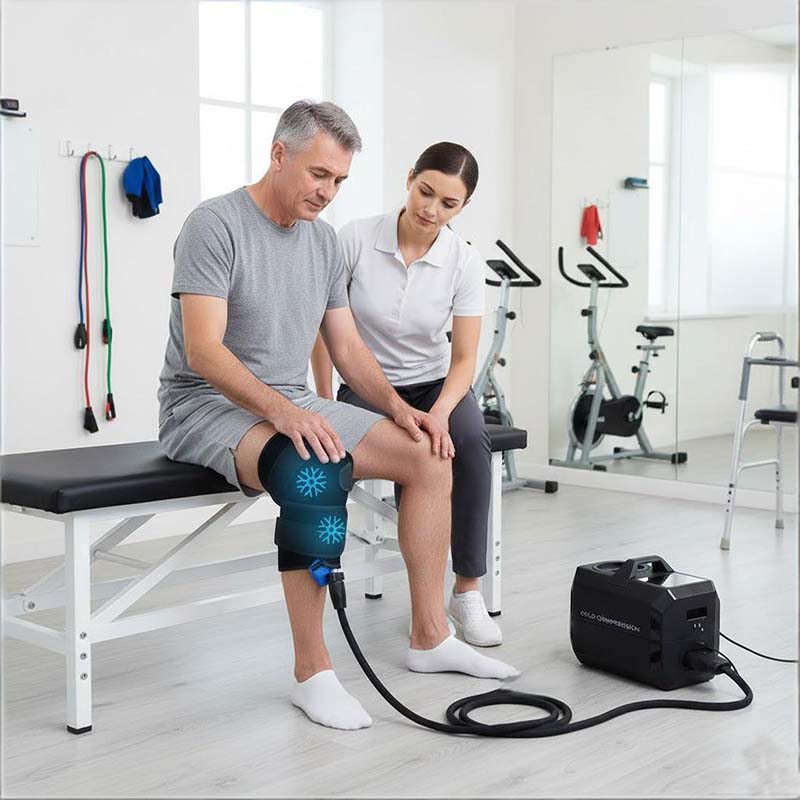
Swelling and pain are common problems for many people, especially in sports injuries, post-operative recovery, or everyday strain. While traditional ice packs are effective, they often suffer from uneven temperature, short duration of effect, and inconvenience. With technological advancements, medical ice compression machine and constant-temperature ice therapy systems are becoming increasingly popular choices for home and rehabilitation facilities. But can these cold therapy devices truly relieve swelling and pain scientifically and effectively?
Swelling and Pain: Warning Signals from the Body
When we experience sprains, contusions, or post-operative trauma, local tissues experience an inflammatory response. Vasodilation and increased blood flow cause fluid to seep into the interstitial spaces, resulting in visible swelling. Simultaneously, inflammatory mediators stimulate nerve endings, triggering pain. Moderate inflammation is a necessary part of the repair process, but excessive swelling can increase pain, delay healing, and even impair joint function.
The Scientific Principles of Cryotherapy: More Than Just "Cooling Down"
Cryotherapy has a long history in medicine, and its mechanisms of action mainly include:
Vasoconstriction, reducing exudation: Low temperatures cause local vasoconstriction, effectively reducing blood flow velocity and thus reducing tissue fluid exudation, relieving swelling at its source.
Reducing metabolic rate: The low-temperature environment slows down cell metabolism, reducing oxygen demand and helping to lessen the degree of tissue damage.
Neural conduction inhibition: Low temperatures can temporarily reduce the sensitivity of nerve endings, providing a natural analgesic effect.
Relieving muscle spasms: For muscle injuries, cold compresses help relax tense muscle groups, breaking the cycle of "pain-spasm-more pain."
Limitations of Traditional Cryotherapy
Although the effects of cryotherapy are clear, traditional methods of using ice packs or wrapping ice in towels have significant shortcomings:
Difficulty in maintaining a stable temperature, affecting the sustainability of the effect.
Uneven pressure, unable to achieve gradient pressure.
Limited application area, difficult to cover large joint areas.
Frequency required, poor user experience.
Smart Cryotherapy Machines: How can technology improve the rehabilitation experience?
Modern compression ice compresison machines, through their integrated design, solve the pain points of traditional cold compresses. Taking Xiamen Weiyou Intelligent Technology Co., Ltd.'s advanced semiconductor automatic cooling ice therapy machine as an example, its core technological advantages include:
Precise Temperature Control Technology: The device has a built-in intelligent temperature control module that precisely maintains the water temperature within the optimal treatment range (typically 5-15°C), preventing tissue damage from excessively low temperatures or reduced effectiveness from excessively high temperatures. This constant-temperature cold compress experience is safer and more comfortable than traditional ice packs.
Gradual Pressure Function: High-quality medical ice cold therapy machines often combine intermittent pneumatic therapy, using regular inflation and deflation to simulate the "muscle pump" effect, promoting lymphatic and venous blood return. This dual-effect pressure cold compress further enhances swelling reduction efficiency compared to simple cold compresses.
Large Area Coverage Design: Professionally designed ice pack sleeves for different joints such as the knee, shoulder, and ankle provide 360° coverage, ensuring the cooling effect penetrates evenly to deep tissues. This all-around ice compress is particularly suitable for post-operative rehabilitation needs.
Grade-Coverage Design: Specialized ice pack sleeves designed for different joints such as the knee, shoulder, and ankle provide 360° coverage, ensuring the cooling effect penetrates evenly to deep tissues. This comprehensive ice compress is particularly suitable for post-operative rehabilitation needs. Long-lasting cooling capacity: The large-capacity water tank combined with a high-efficiency cooling system allows for several hours of continuous cold compresses, enabling users to continue treatment while resting or sleeping, ensuring continuity of rehabilitation.
Supported by clinical evidence
Multiple clinical studies have shown that systemic cryotherapy combined with compression in cases of acute ankle sprains and post-knee surgery significantly reduces the amount of pain medication needed and accelerates swelling reduction compared to traditional ice packs. Especially for sports recovery and post-operative swelling reduction, the proper use of ice therapy machines has become a recommended approach for many rehabilitation physicians.
How to use an ice compresion therapy machine correctly?
Timing is crucial: For best results, use within 24-72 hours after an acute injury. Each application should last 15-20 minutes, with 1-2 hour intervals.
Skin protection: Always use a protective cover to avoid direct contact between the cooling head and the skin.
Follow doctor's instructions: Post-operative patients should follow their doctor's recommended frequency and duration of cooling compresses.
Gradual progression: Beginners can start with higher temperatures and gradually adapt to the treatment temperature.
How to choose the right ice compresion therapy machine?
Faced with a variety of rehabilitation ice cold compression devices on the market, consumers should pay attention to:
Medical-grade certification: Prioritize products with medical device certification.
Smart control: APP or touchscreen control makes temperature and time settings more convenient.
Quiet design: Low-noise compressors will not disturb rest or work.
Portability: Choose a home or portable model based on your usage scenario.
From scientific principles to technological innovation, modern ice compression therapy machines have transcended traditional cooling methods, becoming an effective rehabilitation tool for managing swelling and pain. It does not replace medical intervention, but rather helps users navigate the recovery phase more comfortably and improve their quality of life by providing stable, controllable, and convenient physical therapy. When used correctly, this technology undoubtedly provides a better rehabilitation option for sports enthusiasts, post-operative patients, and those with chronic strain injuries.