 EN
EN

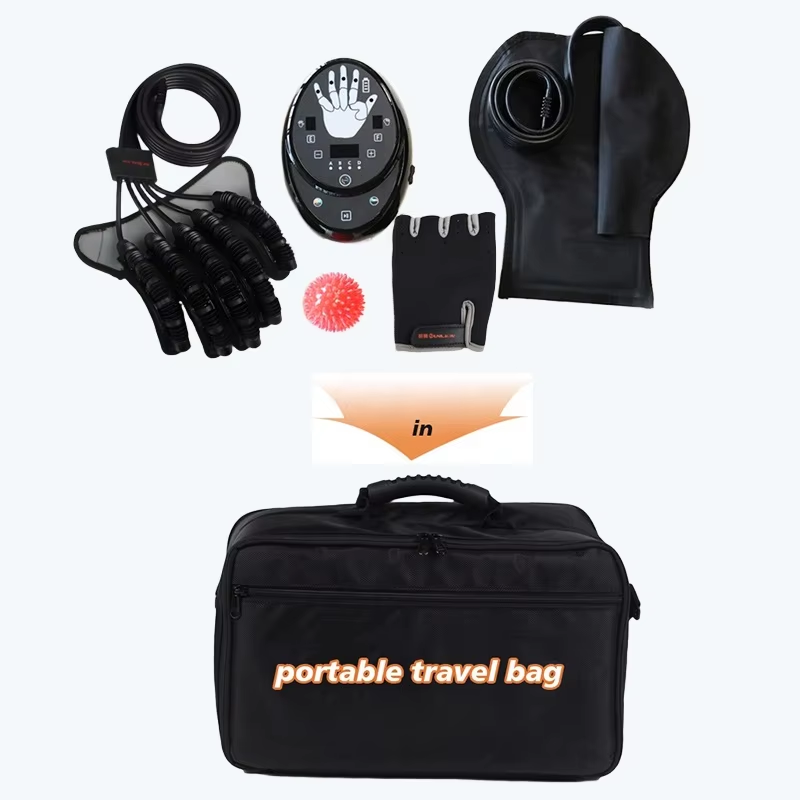
A posztoperatív izomgyógyulás hosszú ideje kihívást jelentett a betegek és az egészségügyi szakemberek számára egyaránt. A hagyományos rehabilitációs módszerek, bár hatékonyak, gyakran nagy időbeli elköteleződést igényelnek, és nem biztosítanak mindig a maximális gyógyuláshoz szükséges pontos, egyenletes ingerlést. A medicinális technológia legújabb fejlődése innovatív megoldásokat vezetett be, amelyek ígéretet tesznek a gyógyulási folyamat forradalmasítására. Ezek között a technológiai áttörések között a robotkesztyűk kiemelkedő szerepet töltenek be a rehabilitációs orvostudományban, és lehetőséget nyújtanak a betegek számára, hogy célzott, kontrollált izomingerlés és mozgásterápia segítségével eddig nem látott mértékben gyorsítsák gyógyulási folyamatukat.
A robottechnológia bevezetése a rehabilitációs protokollokba új lehetőségeket nyitott a gyógyulási eredmények javítása érdekében. Ezek a kifinomult eszközök fejlett érzékelőket, meghajtókat és vezérlőrendszereket használnak a terápiás gyakorlatok során nyújtott pontos segítség és ellenállás biztosítására. A hagyományos terápiás eszközöktől eltérően a robotkesztyűk képesek az egyes betegek igényeihez alkalmazkodni, és valós időben módosítani az erőszintet és a mozgásmintákat, hogy maximalizálják a terápiás hatékonyságot, miközben biztosítják a kezelés folyamán a biztonságot és a kényelmet.
A robotos rehabilitációs technológia megértése
Mechanikai tervezés és mérnöki alapelvek
A robotkesztyűk mögött álló kifinomult mérnöki megoldás több mechanikai rendszert foglal magában, amelyek összehangoltan működnek a természetes kézmozgások utánzására és támogatására. Ezek az eszközök általában rugalmas meghajtókat tartalmaznak az ujjak és a tenyér mentén, amelyek irányított erőket fejtenek ki, és így segíthetik vagy akadályozhatják a beteg mozgását a terápiás igényektől függően. A mechanikai tervezésnek egyensúlyt kell teremtenie az eszközök tartóssága és a viselési komfort között, biztosítva, hogy a betegek hosszabb időn keresztül is viselhessék az eszközöket kellemetlenség vagy bőrirritáció nélkül.
Az előrehaladott anyagtudomány kulcsszerepet játszik a robotkesztyűk fejlesztésében, mivel a gyártók könnyű, de erős kompozit anyagokat használnak, amelyek ellenállnak az ismételt használatnak, miközben megőrzik a pontos vezérlési jellemzőket. A neumás vagy elektromos meghajtók integrálása lehetővé teszi a sima, természetes mozgásmintákat, amelyek szorosan utánozzák az egészséges kézfunkció biomechanikáját. Ez a technológiai kifinomultság lehetővé teszi a terapeuta számára, hogy a rehabilitációs programokat az adott sebészeti eljárásokhoz és az egyéni gyógyulási igényekhez igazítsa.
Szenzorintegráció és visszajelző rendszerek
A modern robotkesztyűk többféle érzékelőt tartalmaznak a beteg gyógyulásának nyomon követésére és a terápiás paraméterek ennek megfelelő beállítására. Az erőérzékelők mérni tudják, hogy mennyi erőfeszítést tesznek a betegek a gyakorlatok során, míg a pozícióérzékelők az ízületek mozgásterjedelmének javulását követik nyomon az idővel. Ez a komplex adatgyűjtés lehetővé teszi az egészségügyi szakemberek számára, hogy megbízható döntéseket hozzanak a kezelés módosításáról és a haladás üteméről, ami végül hatékonyabb rehabilitációs eredményekhez vezet.
A robotkesztyűk visszajelző rendszerei valós idejű információkat nyújtanak mind a betegeknek, mind a terapeuta szakembereknek, így interaktív rehabilitációs környezetet teremtve, amely elősegíti a betegek aktív részvételét és motivációját. A vizuális kijelzők, a hangalapú jelek és a tapintásos visszajelzés segítségével a betegek jobban megértik saját fejlődésüket, és meg tudják tartani a megfelelő testtartást a gyakorlatok során. Ez a közvetlen visszajelzési hurkot gyorsítja a tanulási folyamatot, és segít a betegeknek gyorsabban kialakítani a megfelelő mozgásmintákat, mint ahogy azt a hagyományos terápiás módszerek egyedül tennék.
Klinikai alkalmazások posztoperatív gyógyulás során
Csont- és ízületi sebészet utáni rehabilitáció
A kézre, csuklóra vagy alkarra kiterjedő ortopédiai beavatkozások után a betegek gyakran jelentős funkcionális korlátozásoktól szenvednek, amelyek intenzív rehabilitációt igényelnek. A robotkesztyűk vezérelt segítséget nyújtanak a gyógyulás kritikus kezdeti szakaszában, amikor a fájdalom és a gyengeség akadályozhatja a betegeket abban, hogy önállóan végezzék el a szükséges gyakorlatokat. A robotrendszerek által biztosított pontos erőszabályozás lehetővé teszi a terapeuta számára, hogy fokozatosan növelje a gyakorlatok intenzitását a gyógyulás előrehaladtával, így biztosítva az optimális szövetterhelést anélkül, hogy újra-sérülés kockázata merülne fel.
A robotos segítség következetes, ismételhető jellege hozzájárul az edzések minőségének fenntartásához a rehabilitációs foglalkozások során, csökkentve a manuális terápiás technikák alkalmazása során fellépő változékonyságot. Ez a következetesség különösen fontos a műtét utáni kezdeti hetekben, amikor megfelelő mozgásmintákat kell kialakítani a kompenzációs viselkedés megelőzése érdekében, amely hosszú távon funkcionális zavarokhoz vezethet. A robotkesztyűk lehetővé teszik a betegek számára, hogy korábban kezdjenek el jelentős rehabilitációs tevékenységet, mint ahogy azt a hagyományos módszerek megengednék, ami potenciálisan csökkentheti a teljes gyógyulási időt.
Neurologiai gyógyulási alkalmazások
A neurosebészeti beavatkozások utáni gyógyulásban lévő betegek, illetve a műtét után idegrendszeri szövődményeket szenvedő betegek jelentősen profitálnak a robotkesztyűk specializált képességeiből. Ezek az eszközök ismétlődő, intenzív edzést biztosítanak, amely szükséges a neuroplaszticitás és a mozgásos tanulás elősegítéséhez, így hatékonyabban segítik a betegeket elvesztett funkcióik visszaszerzésében, mint a hagyományos terápiás módszerek. A mozgáskísérés pontos szabályozásának lehetősége lehetővé teszi a terapeuta számára, hogy a betegeket megfelelő szinten terhelje, miközben biztosítja biztonságukat.
A programozható jelleg robot kesztyűk lehetővé teszi feladatspecifikus edzésprotokollok létrehozását, amelyek a mindennapi élet szempontjából alapvető funkcionális tevékenységekre összpontosítanak. Ez a megközelítés segít áthidalni a klinikai rehabilitáció és a valós világban zajló funkció közötti rést, és felkészíti a betegeket a sikeres közösségi újraintegrációra. Az edzési foglalkozások során gyűjtött részletes teljesítményadatok értékes betekintést nyújtanak a gyógyulási folyamatba, és segítenek azon terápiás területek azonosításában, amelyek további hangsúlyt igényelnek.
A gyorsabb gyógyulás mechanizmusai
Idegizomi stimuláció és plaszticitás
A robotkesztyűk által biztosított irányított stimuláció több fiziológiai mechanizmuson keresztül elősegíti az idegizomi adaptációt. A következetes, fokozatosan növekvő ellenállásos edzés segít megőrizni az izomtömeget és az izomerőt a gyógyulási időszak alatt, amikor a betegek egyébként izomelégtelenséget (deconditioning) tapasztalhatnának. A robotrendszerek által elérhető pontos erőszabályozás biztosítja, hogy az izmok megfelelő szintű stimulációt kapjanak a gyógyulás elősegítéséhez anélkül, hogy túlerőltetést vagy szövetkárosodást okoznának.
Az idegplaszticitás fokozása a robotkesztyűk egyik legjelentősebb előnye a posztoperatív gyógyulás során. A készülékekkel lehetséges ismétlődő, feladatorientált edzés intenzív gyakorlást biztosít az idegrendszer számára, amely szükséges a kéreg újraszerveződéséhez és a mozgásos tanuláshoz. Ez a folyamat különösen fontos olyan beavatkozások után, amelyek megszakíthatták a normális idegpályákat, illetve akkor, amikor a betegeknek kompenzációs mozgási stratégiákat kell elsajátítaniuk állandó funkcionális korlátozások leküzdésére.
Keringés és szövetgyógyulás
A robotkesztyűk által biztosított kontrollált mozgás javítja a vérkeringést az érintett végtagban, és támogatja az oxigén és a tápanyagok szállítását, amelyek szükségesek a szövetek gyógyulásához. A javult vérellátás segít csökkenteni a duzzanatot, és gyorsítja a metabolikus hulladékanyagok eltávolítását, amelyek késleltethetik a gyógyulási folyamatot. A robotos segítség által nyújtott enyhe, egyenletes mozgás megakadályozza az adhéziók és hegszövetek kialakulását, amelyek egyébként korlátozhatnák a hosszú távú funkciót.
A robotkesztyűk rendszeres alkalmazása a rehabilitáció során fenntartja az ízületek mozgékonyságát, és megelőzi a műtéti beavatkozások után gyakran előforduló kontraktúrák kialakulását. Az a képesség, hogy passzív mozgásterjedelemmel látja el a beteget akkor is, amikor önkéntes mozgásra nem képes elegendő erővel, biztosítja, hogy a szövetek hossza és az ízületi mechanika megmaradjon a teljes gyógyulási folyamat során. A normál szöveti tulajdonságok fenntartása lehetővé teszi a gyorsabb visszatérést a funkcionális tevékenységekhez, ahogy a gyógyulás halad.
Klinikai bizonyítékok és kutatási eredmények
Randomizált, kontrollált klinikai vizsgálatok eredményei
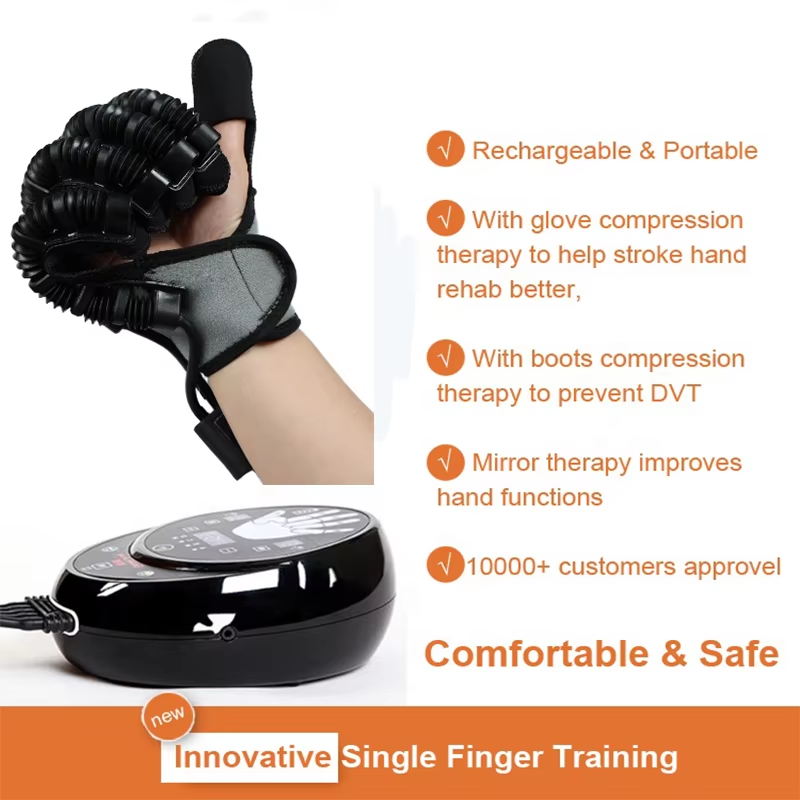
A legújabb klinikai tanulmányok kimutatták, hogy jelentős javulás érhető el a gyógyulási eredményekben, ha a robotkesztyűket beépítik a posztoperatív rehabilitációs protokollokba. A robotos segítséget nyújtó terápiát a hagyományos kezelési módszerekkel összehasonlító randomizált, kontrollált klinikai vizsgálatok folyamatosan gyorsabb visszatérést mutattak a kiindulási funkcióhoz és jobb hosszú távú eredményeket igazoltak a robotes eszközöket használó betegeknél. Ezek a tanulmányok általában rövidebb rehabilitációs időtartamot és magasabb betegelégedettségi pontszámokat jeleznek a robotkesztyűk alkalmazása esetén.
A kézfunkció mennyiségi mutatói – például a szorítóerő, a mozgásterjedelem és az ügyesség értékelése – jobb javulást mutatnak a robotsegített terápiában részesülő betegeknél, mint a hagyományos kezelés egyedül alkalmazása esetén. A robotkesztyűk pontos mérési képessége lehetővé teszi a kutatók számára, hogy részletes kimeneti adatokat gyűjtsenek, így hozzájárulva a klinikai hatékonyságukat alátámasztó egyre bővülő bizonyítékalap létrehozásához. Ezek az objektív mérések segítenek érvényesíteni a betegek és a terapeuta által jelentett szubjektív javulásokat.
Hosszú távú kimeneti tanulmányok
A robotkesztyűk használatát követő hosszú távú kimeneteket vizsgáló tanulmányok a posztoperatív rehabilitáció során folyamatos funkcionális javulást mutattak a hagyományos terápia csoportjához képest. A robotos képzés során kialakított mozgásminták minősége jól megőrződik az aktív kezelési időszakot követően is, ami arra utal, hogy e beavatkozási módszer tartós előnyöket nyújt. Ezek a eredmények alátámasztják a robotos rehabilitációs technológia bevezetésébe történő beruházás értékességét a betegek általános kezelési eredményeinek javítása érdekében.
A robotkesztyűk klinikai környezetben történő bevezetésének gazdasági elemzései potenciális költségmegtakarítást mutatnak a kezelési idő csökkenése és a javult funkcionális kimenetek révén. Bár a robotos berendezésekbe történő kezdeti beruházás jelentős lehet, az intenzív, konzisztens terápia nyújtásának képessége csökkentett terapeuta felügyeleti idő mellett ellensúlyozhatja ezeket a költségeket. Emellett a jobb funkcionális eredmények csökkenthetik a további támogató ellátás és segédeszközök iránti szükségletet.
BEVÁSÁRLÁSI MEGFONTOLÁSOK
Betegkiválasztás és értékelés
A robotkesztyűk sikeres alkalmazása a posztoperatív rehabilitációban gondos betegkiválasztást és alapos értékelési protokollokat igényel. Az egészségügyi szolgáltatóknak értékelniük kell olyan tényezőket, mint a műtét típusa, a gyógyulás állapota, a kognitív képesség és a motivációs szint, amikor döntenek a robotos beavatkozás megfelelőségéről. A világos befogadási és kizárási kritériumok segítenek biztosítani, hogy azokat a betegeket azonosítsák és kezelésükre elsőbbséget adjanak, akik legvalószínűbb, hogy hasznot húznak ebből a technológiából.
Az értékelési folyamatnak tartalmaznia kell az erő, a mozgásterjedelem, az érzékenység és a funkcionális képesség alapvonali méréseit a kezelési célok meghatározásához és a gyógyulási folyamat során való előrehaladás nyomon követéséhez. A szabványosított kimeneti mérőeszközök rendszeres újraértékelése segít optimalizálni a robotkesztyűk programozását, és biztosítja, hogy a terápia intenzitása megfelelő maradjon a gyógyulás előrehaladtával. Ez a szisztematikus megközelítés maximalizálja a terápiás hatékonyságot, miközben minimalizálja a szövődmények vagy visszaesések kockázatát.
Képzés és műszaki támogatás
A robotkesztyűk hatékony alkalmazásához átfogó képzési programokra van szükség az egészségügyi szakemberek számára, hogy biztosítsák a berendezés megfelelő működtetését és a beteg biztonságát. A képzésnek a berendezés technikai beállítását és programozását, valamint a megfelelő gyakorlatok kiválasztására és fokozására vonatkozó klinikai döntéshozatalt is magában kell foglalnia. A folyamatos műszaki támogatás és karbantartási protokollok elengedhetetlenek a berendezés megbízhatóságának fenntartásához és a terápiás hatékonyság maximalizálásához.
A betegek oktatása a robotkesztyűk kezeléséről és biztonsági eljárásokról elősegíti a kezelési utasítások betartását és az optimális kezelési eredmények elérését. A készülék karbantartására, a jelentendő figyelmeztető jelekre és a megfelelő otthoni gyakorlati technikákra vonatkozó egyértelmű utasítások hozzájárulnak ahhoz, hogy a gondozás folyamatos legyen a formális terápiás foglalkozásokon túl is. A modern robotkesztyűk felhasználóbarát terve elősegíti a betegek elfogadását, és ösztönzi aktív részvételüket a rehabilitációs folyamatban.
Jövőbeli fejlesztések és innovációk
Mesterséges intelligencia integráció
A mesterséges intelligencia algoritmusok robotkesztyűkbe történő beépítése izgalmas új határt jelent a rehabilitációs technológiában. A gépi tanulási rendszerek elemezhetik a beteg teljesítményére vonatkozó adatokat, hogy automatikusan módosítsák a terápiás paramétereket, és előre jelezzék az optimális kezelési fejlődést. Ez az intelligens adaptációs képesség további személyre szabást ígér a rehabilitációs protokollokban, javítja az eredményeket, miközben csökkenti az egészségügyi szakemberek klinikai munkaterhelését.
A fejlett mesterséges intelligencia (MI) rendszerek végül lehetővé tehetik, hogy a robotkesztyűk érzékeljék a beteg állapotának finom változásait, és ennek megfelelően automatikusan módosítsák a kezelési módszereket. Ez az előrejelző képesség segíthet korai szakaszban azonosítani a lehetséges szövődményeket, és a terápiát úgy igazíthatja, hogy megelőzze a visszaeséseket vagy sérüléseket. Az MI rendszerek folyamatos tanulási képessége azt jelenti, hogy a robotkesztyűk egyre hatékonyabbá válnak, ahogy tapasztalatot szereznek különféle betegcsoportokkal és gyógyulási forgatókönyvekkel.
Vezeték nélküli kapcsolat és távoli figyelés
A jövőbeli robotkesztyű-tervek valószínűleg olyan fejlett vezeték nélküli kapcsolatfelvételi funkciókat fogalmaznak meg, amelyek lehetővé teszik az egészségügyi szakemberek távoli figyelését és irányítását. Ez a képesség lehetővé tenné, hogy a betegek otthon is folytathassák az intenzív rehabilitációt, miközben továbbra is szakmai felügyelet és támogatás mellett maradnak. A távgondozással (telehealth) való integráció jelentősen kibővítheti a specializált rehabilitációs szolgáltatásokhoz való hozzáférést, különösen a vidéki vagy alulellátott területeken élő betegek számára.
A felhőalapú adattárolási és elemzési rendszerek lehetővé teszik az egészségügyi szolgáltatók számára, hogy a betegek gyógyulási folyamatát több eszközön és kezelési helyen is nyomon kövessék. Ez a teljes körű adatintegráció támogatja az evidencián alapuló kezelési módosításokat, és hozzájárul a javított rehabilitációs protokollok kialakításához. Az anonimizált eredményadatok egészségügyi rendszerek közötti megosztásának képessége gyorsítja a robotos rehabilitációs technológiában folyó kutatási és fejlesztési munkát.
GYIK
Mennyi idővel a műtét után kezdhetik el a betegek a robotkesztyűk használatát
A robotkesztyűk terápiájának megkezdésének időpontja a konkrét műtéti eljárástól és a gyógyulás állapotától függ, de sok beteg már a műtét utáni napokban elkezdheti a finom, passzív mozgásterjedelem-gyakorlatokat. A robotberendezések pontos vezérlési képességei különösen alkalmasak a korai rehabilitációra, amikor a manuális terápia túl erőteljes vagy fájdalmas lehetne. Az egészségügyi szakemberek a sebgyógyulás állapotát, a fájdalom mértékét és a műtét utáni korlátozásokat értékelik, mielőtt meghatároznák a robotos beavatkozás megfelelő kezdési időpontját.
Biztonságosak-e a robotkesztyűk minden típusú posztoperatív beteg számára?
Bár a robotkesztyűk általában biztonságosak és jól toleráltak, vannak olyan ellenjavallatok, amelyeket gondosan értékelni kell. Az aktív fertőzéssel, instabil törésekkel vagy súlyos kognitív zavarokkal küzdő betegek nem feltétlenül alkalmasak robotos rehabilitációra. A teljes körű orvosi szűrés és folyamatos megfigyelés biztosítja, hogy a robotkesztyűs terápia biztonságos és hasznos maradjon a gyógyulási folyamat egészében. Az egészségügyi szakemberek módosíthatják a kezelés paramétereit, illetve szükség esetén megszüntethetik a terápiát szövődmények fellépése esetén.
Mennyi ideig tart általában a robotkesztyűs rehabilitációs programok
A robotkesztyűs rehabilitációs programok általában több hetes vagy több hónapos időtartamot igényelnek, attól függően, hogy milyen összetett a műtéti beavatkozás és az egyéni gyógyulási folyamat. A legtöbb beteg hetente három-öt alkalommal vesz részt a terápiás foglalkozásokon, amelyek mindegyike 30–60 percig tart. A robotos képzés intenzív jellege gyakran lehetővé teszi a kezelés rövidebb összes időtartamát a hagyományos terápiás módszerekhez képest, miközben jobb funkcionális eredményeket ér el.
Általában lefedik-e a biztosítási tervek a robotkesztyűs rehabilitációs terápiát?
A robotkesztyűk rehabilitációs célú használatára vonatkozó biztosítási fedezet a szolgáltatótól és a biztosítási szerződés típusától függően változhat, de a hatékonyságukat alátámasztó egyre növekvő klinikai bizonyítékok miatt egyre gyakoribbá válik a fedezet biztosítása. Számos biztosítási terv elismeri a robotterápiát orvosi szükségességként, amennyiben az egy komplex rehabilitációs program részeként történik meg, és azt megfelelő műtéti beavatkozások után alkalmazzák. A betegeknek együttműködniük kell egészségügyi ellátóikkal és biztosítási képviselőikkel a fedezet lehetőségeinek megértése érdekében, valamint bármely szükséges előzetes engedélyezési eljárásokról tájékozódniuk kell a kezelés megkezdése előtt.
Tartalomjegyzék
- A robotos rehabilitációs technológia megértése
- Klinikai alkalmazások posztoperatív gyógyulás során
- A gyorsabb gyógyulás mechanizmusai
- Klinikai bizonyítékok és kutatási eredmények
- BEVÁSÁRLÁSI MEGFONTOLÁSOK
- Jövőbeli fejlesztések és innovációk
-
GYIK
- Mennyi idővel a műtét után kezdhetik el a betegek a robotkesztyűk használatát
- Biztonságosak-e a robotkesztyűk minden típusú posztoperatív beteg számára?
- Mennyi ideig tart általában a robotkesztyűs rehabilitációs programok
- Általában lefedik-e a biztosítási tervek a robotkesztyűs rehabilitációs terápiát?