Get a Free Quote

Our representative will contact you soon.
Name
Email
Tel/Whatsapp
Message
0/1000

News

 >  News

News

Air Compression Recovery Boots | Who Shouldn't Use Them?

Time : 2026-04-23

Air compression recovery boots are gaining increasing attention in sports rehabilitation and daily health care. From professional athletes to sedentary office workers, more and more users are utilizing intermittent pneumatic compression technology to promote blood circulation in the legs, relieve muscle soreness, and accelerate physical recovery. However, air compression boots are not suitable for everyone. For some people, improper use may not only be ineffective but could even pose health risks.

Understanding your own physical condition and recognizing contraindications before using any rehabilitation equipment is crucial for safety. This article will outline from a medical perspective which groups are unsuitable for using compression boots, helping readers to scientifically and safely enjoy the benefits of compression recovery technology.

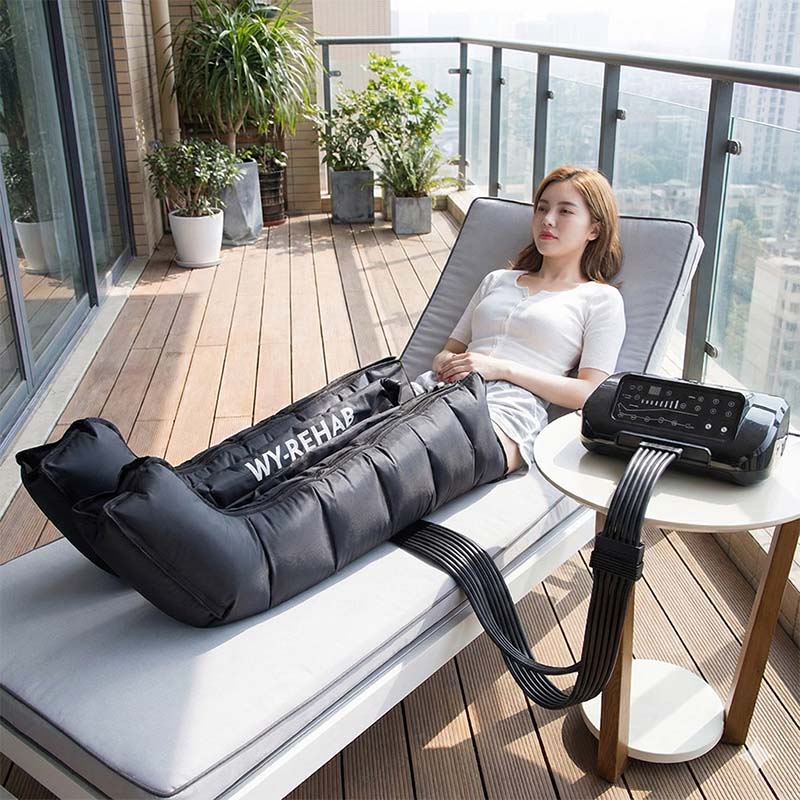
IPC04 (1).jpg

What are Air Compression Recovery Boots? How Do They Work?

Air compression recovery boots are leg care devices that utilize intermittent pneumatic compression (IPC) technology. The device inflates and deflates the air bladder chamber in a bottom-up sequence, simulating professional physiotherapy techniques to progressively compress the lower limbs. This effectively promotes venous blood and lymphatic return and accelerates the removal of metabolic waste products such as lactic acid after exercise.

Multiple studies have shown that compression boots can help reduce muscle soreness, alleviate leg fatigue, and improve overall recovery speed. For people who exercise frequently, office workers who stand or sit for long periods, and users who want to alleviate poor lower limb circulation, compression boots have become an efficient and convenient daily recovery tool. However, understanding the contraindications of compression boots is just as important as understanding their benefits.


Absolute Contraindications: These Groups Should Not Use Compression Boots

The following conditions are absolute contraindications for the use of pneumatic compression recovery boots. If you or a family member has any of the following conditions, you should not use compression boots:

1. Patients with Deep Vein Thrombosis (DVT)
Deep vein thrombosis (DVT) refers to the formation of blood clots in the deep veins of the lower limbs, a potentially extremely dangerous vascular disease. Using compression boots during active deep vein thrombosis (DVT) can cause blood clots to dislodge and travel to the lungs via the bloodstream, leading to pulmonary embolism (PE)—a potentially life-threatening emergency. Some studies have listed air-compression recovery boots as an adjunct to postoperative DVT prevention in hospitals, but only under strict medical supervision. Once DVT is diagnosed or a known blood clotting problem exists, the use of compression boots should be strictly avoided.


2. Patients with severe peripheral arterial disease (PAD)

Peripheral arterial disease (PAD) is caused by atherosclerosis leading to narrowing or occlusion of the lower extremity arteries, resulting in insufficient blood supply. For these patients, excessive external compression may further reduce already limited blood flow, leading to tissue ischemia, necrosis, and even worsening of the condition. Medical guidelines clearly state that compression therapy is absolutely contraindicated when the ankle-brachial index (ABPI) is below 0.5.


3. Patients with severe heart disease or uncontrolled heart failure

Pneumatic compression boots work by "pumping" blood from the lower limbs back to the heart. For patients with severely impaired cardiac function, this sudden increase in venous return may further burden the heart, causing adverse reactions such as fluid overload. The product instructions for compression boots from multiple brands clearly state that people with cardiovascular disease should consult a doctor before using them, and patients with severe heart failure should avoid using them entirely.


4. Individuals suspected or diagnosed with coagulation disorders

Patients with hemophilia or other congenital/acquired coagulation disorders should also avoid using compression boots. External pressure may increase the risk of subcutaneous bleeding and hematoma formation, especially at higher pressure levels.


Situations requiring caution

The following situations are relative contraindications or require caution when using compression boots. Before attempting to use them, it is recommended to consult a doctor or professional physical therapist and closely observe the body's reaction after use.

1. Acute Injury Phase (Fracture, Ligament Tear, Severe Contusion)

For limbs that have just suffered an acute injury (such as a muscle strain, ligament tear, or fracture), the pressure and massage from a pneumatic compression recovery boot may worsen tissue swelling and hinder the natural healing process. Generally, compression therapy should only be considered after the acute inflammation has subsided and the doctor's permission has been granted.


2. Diabetic Neuropathy with Severe Neuropathy or Foot Ulcers

For patients with diabetic neuropathy and decreased sensation, the risk of using compression boots is that, due to reduced foot sensation, the user may not be able to promptly detect skin damage or discomfort caused by excessive pressure, leading to blisters, ulcers, or even tissue necrosis. Severe diabetic neuropathy with sensory loss is listed as a contraindication for compression therapy in medical guidelines.


3. Lower Limb Skin Infections, Rash, or Open Wounds

When there are open wounds, acute cellulitis, severe dermatitis, or other skin infections on the legs, using compression boots may exacerbate the spread of infection and delay the healing process. Medical guidelines also list acute cellulitis and severe dermatitis as contraindications or situations requiring caution when using compression boots.


4. Pregnant women (especially in late pregnancy)

During pregnancy, blood volume and the circulatory system undergo significant changes, and the safety of using compression boots varies from person to person. Many compression boot brands advise pregnant women to avoid using them or to consult their obstetrician before use. While some maternity compression stockings can help relieve leg swelling, pneumatic compression recovery boots, due to their higher pressure and wider coverage, require evaluation by a professional physician before use.


Consult a doctor if you have any of the following conditions

Even if you do not belong to the contraindication groups mentioned above, it is recommended to consult a medical professional before using compression boots if you have any of the following conditions:

Chronic hypertension (not well controlled);

Having undergone pacemaker implantation (mentioned in some manufacturers' instructions);

Lymphedema or other lymphatic system diseases requiring individualized treatment;

Taking anticoagulants or having a bleeding tendency;

Unexplained acute swelling in the legs (the cause should be determined first).


How to Use Compression Boots Correctly?

For users confirmed by a doctor to be able to use compression boots, the following suggestions will help achieve a better user experience and recovery results:

Control usage time: A single use is generally recommended to be between 15 and 30 minutes, 1 to 2 times daily.

Choose the appropriate pressure level: Adapt gradually from a low pressure level based on your own tolerance; do not blindly pursue high pressure.

Keep skin clean and dry: Cleanse your legs before and after use, and it is recommended to wear clean cotton socks to reduce direct contact and the risk of cross-infection.

Pay attention to bodily signals: If abnormal pain, numbness, changes in skin color, or severe discomfort occurs during use, stop using immediately and consult a doctor.

Choose reputable products: Prioritize compression boots with safety certifications, controllable pressure, and clearly defined modes to ensure safe and reliable use.


Conclusion

Pneumatic compression recovery boots are an innovative technology in the fields of sports recovery and daily leg care, but "easy to use" does not mean "suitable for everyone." Understanding who should avoid compression boots and strictly adhering to safety guidelines are crucial to truly enjoying the health benefits of this technology.

If you are looking for a scientific and efficient recovery solution for muscle soreness after prolonged exercise, leg fatigue from daily work, or poor circulation, please contact us for more detailed information about compression boots.

Xiamen Weiyou Intelligent Technology Co., Ltd. focuses on the field of intelligent rehabilitation and nursing, committed to providing users with safe and efficient pneumatic compression recovery solutions. For product details, usage guidelines, or personalized selection advice, please contact us through our company website or customer service channels([email protected]). Our professional team will provide you with one-on-one consultation services.

Get a Free Quote

Our representative will contact you soon.
Name
Email
Tel/Whatsapp
Message
0/1000