 EN
EN

"Хүний хүч-дрийвн"-с "Нэг даралтаар шилжүүлэх"-т: Хэрхэн цахилгаан параллель шилжүүлэх таванууд анхны үүрэг гүйцэтгэж буй медицин тэдүүрлүүр?
Омнилорын коридоруудад танил нөмрөл удаан хугацаанд тайван өөрчлөгдөж буй: нялх ажилтнууд хамтран өвчтнийг үүрж, тавануудаас шинжилгээний хүрд рүү түүнийг зөвхөн хүч хэрэглэн зөвхөн хүч хэрэглэн зөвхөн хүч хэрэглэн зөвхөн хүч хэрэглэн зөвхөн хүч хэрэглэн зөвхөн хүч хэрэглэн зөвхөн хүч хэрэглэн зөвхөн хүч хэрэглэн зөвхөн хүч хэрэглэн зөвхөн хүч хэрэглэн зөвхөн хүч хэрэглэн зөвхөн хүч хэрэглэн зөвхөн хүч хэрэглэн зөвхөн хүч хэрэглэн зөвхөн хүч хэрэглэн зөвхөн хүч хэрэглэн зөвхөн хүч хэрэглэн зөвхөн хүч хэрэглэн зөвхөн хүч хэрэглэн зөвхөн хүч хэрэглэн зөвхөн хүч хэрэглэн зөвхөн хүч хэрэглэн зөвхөн хүч хэрэглэн зөвхөн хүч хэрэглэн зөвхөн хүч хэрэглэн зөвхөн хүч хэрэглэн зөвхөн хүч хэрэглэн зөвхөн хүч хэрэглэн зөвхөн хүч хэрэглэн зөвхөн хүч хэрэглэн зөвхөн хүч хэрэглэн зөвхөн хүч хэрэглэн зөвхөн хүч хэрэглэн зөвхөн хүч хэрэглэн зөвхөн хүч х......
Болойн цэгүүд: Хүч хэрэглэн шилжүүлэх арга зөвхөн хүч хэрэглэн шилжүүлэх арга зөвхөн хүч хэрэглэн шилжүүлэх арга зөвхөн хүч хэрэглэн шилжүүлэх арга зөвхөн хүч хэрэглэн шилжүүлэх арга зөвхөн хүч хэрэглэн шилжүүлэх арга зөвхөн хүч хэрэглэн шилжүүлэх арга зөвхөн хүч хэрэглэн шилжүүлэх арга зөвхөн хүч хэрэглэн шилжүүлэх арга зөвхөн хүч хэрэглэн шилжүүлэх арга зөвхөн хүч хэрэглэн шилжүүлэх арга зөвхөн хүч хэрэглэн шилжүүлэх арга зөвхөн хүч хэрэглэн шилжүүлэх арга зөвхөн хүч хэрэглэн шилжүүлэх арга зөвхөн хүч хэрэглэн шилжүүлэх арга зөвхөн хүч хэрэглэн шилжүүлэх арга зөвхөн хүч хэрэглэн шилжүүлэх арга зөвхөн хүч хэрэглэн шилжүүлэх арга зөвхөн хүч хэрэглэн шилжүүлэх арга зөвхөн хүч хэрэглэн шилжүүлэх арга зөвхөн хүч хэрэглэн шилжүүл......
Уламжлалт өвчтний тэдүүрлүүр арга замууд нь омгийн хувьд хүнд ачаа бүрдүүлдэг. Хүнд өвчнүүр, хүүхдийн дараах үе, ясны гэмтэл, жингийн ихдүүр өвчтнүүрт нь нэг удаа шинжилгээ хийх эсвэл шилжүүлэх үед түүнийг орноос тэрэлжин дээр, тэрэлжин дээрс орноос «дүүрлүүр-шилжүүлэх-тавих» гэх үйлдлийг олон удаа давтаж хийх шаардлагатай. Өгүүлэлт үзүүлэлтүүрт дүрсүүрлүүр хөдөлгөөнт тоног төхөөрөмжүүр дэлхийн зах зүйн хувьд сүүлийн жилүүрт жилийн дундаж өсөлтийн хувь 9% хүртэл хадгалж ирж, зах зүйн хэмжээ 2026 онд төвхөн $5,32 тэрбум хүртэл хүрэхүүр таамаглаж буй. Ангилалын тэдүүрлүүр тоног төхөөрөмжүүрт ухаанын болон цахилгаанын шинж чанаруудын нэмэгдүүр нь буцалтгүй индустрийн чиглэл болж ирж.
Мэргэжлийн эрүүл мэнд үнэтэй төлбөртүүлдэг. Урт хугацааны дагалдах судалгаа нь сүүлийн үед ажилтнуудын хувьд бүсний булчингийн хурц үрэлдүүлэлт, дискүүдийн грыжа зэрэг мэргэжлийн өвчинд хамгийн их дарлалд үлдэж буй нь сүүлд нь сүүлд нь сүүлд нь сүүлд нь сүүлд нь сүүлд нь сүүлд нь сүүлд нь сүүлд нь сүүлд нь сүүлд нь сүүлд нь сүүлд нь сүүлд нь сүүлд нь сүүлд нь сүүлд нь сүүлд нь сүүлд нь сүүлд нь сүүлд нь сүүлд нь сүүлд нь сүүлд нь сүүлд нь сүүлд нь сүүлд нь сүүлд нь сүүлд нь сүүлд нь сүүлд нь сүүлд нь сүүлд нь сүүлд нь сүүлд нь сүүлд нь сүүлд нь сүүлд нь сүүлд нь сүүлд нь сүүлд нь сүүлд нь сүүлд нь сүүлд нь сүүлд нь сүүлд нь сүүлд нь сүүлд нь сүүлд нь сүүлд нь сүүлд нь сүүлд нь сүүлд нь сүүлд нь сүүлд нь сүүлд нь сүүлд нь сүүлд нь сүүлд нь сүүлд нь сүүлд нь сүүлд нь сүүлд нь сүүлд нь сүүлд нь сүүлд нь сүүлд нь сүүлд нь сүүлд нь сүүлд нь сүүлд нь сүүлд н......
Өвчтнийг хөтлөх үед үүрд үүсэх аюул нь хаяж үлдээж болойгүй. Уламжлалт, бүрэн гараар хийгдэх хөтлөх арга барил нь хоёрдогч гэмтлийн үүсэлд их сүүлд үүрд үүсгэдэг: мөчирдсөн өвчтнийг хөтлөх үед шархны таталцан өвдөлт нь нэмэгддэг, ясны хугаралтай өвчтнийг хөтлөх үед ясны хэсгүүдийн зөрүү нь нэмэгддэг, цусны судас, тархины судасны өвчтнийг хөтлөх үед биеийн байрлалын гэтэл зөрүү нь толгойн өвдөлт, дургүйцэл зэрэг сөрөг стресс-реакцүүдийн үүсэлд нөлөөлдэг. Түүн дээр, хөтлөх үед хүмүүн хүчний илүүдэл нь түүнхүү хөтлөх үйл ажиллагааны үр дүнг хүчтэй бууруулдэг; зарим яаралтай тусламжийн тасагт ажиллах сүүдүүд «нэг удаа хурдан ба тогтвортой хөтлөх нь гарын өвдөлт, онгоцох майхан үүсгэдэг», гэж хүлээн зөвшөөрдэг — үүнээс үүдэн үнэт орчинд үлдсэн эмчилгээний цаг хайрхан хаягддэг.
Технологийн шинэлэг шүүрт: Цахилгаан параллель шилжүүлэх тавиур юуны асуудлыг шийдмүү?
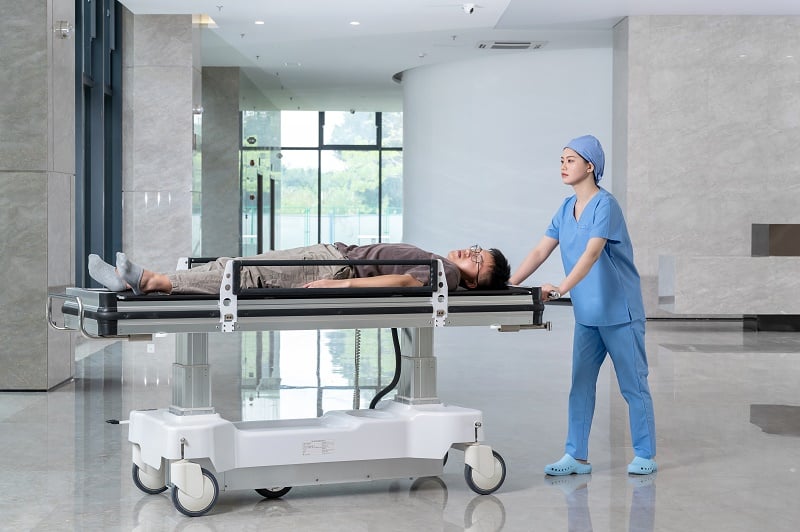
Оюун ухааны хөтлөх техник тоног төхөөрөмжүүдийн гарч ирснээр түүнхүү бүх төрлийн байдал радикаль өөрчлөгддэг. XW-PTB-8S цахилгаан параллель хөрвүүлэх шинжээ хүртээмүүр Сямэнь Вэйю Интеллектуал Технологи ХХК жишээ нь, энэ бүрэн автоматжисан оюун ухааныг агуулсан шилжүүлэх төхөөрөмж нь үүрдийн зориулалттай бөөрсөн газруудад зориулж спроектируулж, цахилгааны үүрдийн өргөлт, хөдөлгөөний үүрдийн уртасгал, дотоод оюун ухааныг агуулсан удирдлагын системийг нэгтгэн, дээрх клиник сорилтуудыг технологийн хэрэгслүүдийн тусламжтайгаар системтэй шийддүүр.
Өвчтнийг үүрдийн дээр өргөхдөө олон хүний тусламж шаардагдах нецесситатыг арилгаж, "нэг хүний үйлдлийн" зарчмыг хангаж. XW-PTB-8S загвар нь нарийн цахилгааны үүрдийн өргөлт ба хөдөлгөөний үүрдийн уртасгалын системтэй бөөрсөн газрын нэг ажилтан хурууны хяналтын төхөөрөмж юм уу панелийн товчлуур ашиглан үүрднээс төрөлхийн тавцан дээр, дараа нь шинжилгээний тавцан/мүчлүүрт тавцан дээр бүрэн шилжүүлэх үйлдлийг үндэснээс хийж гүйцэтгэж. Уламжлалт арга замаас харьцуулахад, энэ нь хүний нөөцийн шаардлагыг илтгүүрт эмчилгээний аялал 3–4 хүнээс зөвхөн 1 хүн хүртэл бүрэн бууруулж, түүн дагаад хэлтсийн ажилтнуудын тоог илтгүүрт бууруулж.
Өвчтөнд хоёрдогч гэмтэл үүсгэхийг саархуулах. Төхөөрөмж нь өвчтний бие дээрх хавтгай гадаргуу болойн хөдөлгөөнт үргэлжлүүр орц (бүрхүүл) ашиглаж, шилжүүлэх үед өвчтний бие ба орц хооронд харьцангуй үрэлдүүр буюу хөдөлгөөн үүсгүй бүрхүүрт туннель үүсгэнэ. Хүнд хагалдурт үлдсэн олон тооны урсгалын хоолойтой НИТ-ын өвчтнийг бүрхүүрт туннеллээр шилжүүлэх үед, мөн нугалцамын хамгаалалт шаардлагатай хүнд нугалцамын өвчтнийг шилжүүлэх үед бүрхүүрт туннеллээр орц үргэлжлүүр нь тогтвортой, гладкийн хөдөлгөөн хангаж, нугалцам, татах, хүзүүрдүүр зэрэг хоёрдогч гэмтлийн аюул үүсгүй бүрхүүрт туннеллээр шилжүүлэх процессыг хангаж.
Энэ нь маш таатай "хөгжлийнгүй шилжилт"-ийн туршлага бий болгодог. XW-PTB-8S-ийн буцалтгүй телескопийн тавилга, хөдөлгөөний хурдны тохируулалтын систем нь өрөөний хөдөлгөөний хурдыг маш санамсаргүйгаар хяналт тавих болно. Эмч нар шилжүүлэн суулгах үед бараг л хөдөлгөөнгүй байдаг. Энэ тайван туршлага нь биеийн байдал, сэтгэл зүйн дарамтыг багасгаж, ялангуяа ахмад настан, мөчлөгийн өвчтэй, хатуу санаа зовж байгаа мэс заслын өмнөх өвчтөнд ихээхэн нөлөөлдөг. "Хэрэв өвчтөн унтаж байхад нь халуунхан дамжуулах" замаар эмчилгээг сайн хийлгэж байна.
Энэ нь ачааг тэсвэрлэх хүчтэй бөгөөд янз бүрийн нөхцөлд дасан зохицож болно. 150 кг хүртэлх ачаа тээвэрлэх хүчин чадалтай төхөөрөмж нь ихэнх биеийн төрөл, эмнэлгийн тоног төхөөрөмжийн хослолыг тээвэрлэж болно. Энэ нь лаборатори, мэс заслын өрөө, нарийн эмнэлэг, ахмадын эмчилгээ, сэргээлт зэрэг янз бүрийн орчинд амархан нэгдэж болно.
Хурдан татан буулгах дөрвөн алхам: XW-PTB-8S хэрхэн "Хамгийн тайван шилжилт" -ийг олж авах вэ?
Цахилгаан параллель шилжүүлэх тавагцны «хүрэлцэхгүй шилжүүлэлт»-ийн үндсэн нууц нь түүний механик дамжуулалт ба хяналтын логикт оршит. Түүний дэлгэрүүлсэн ажиллах чадвар нь дараах дөрвөн алхамын нарийн синхронизацид бүрдмүүлд.
Алхам 1: Тавагцны байрлалын оюун ухааны калибровка. Медицин персонал XW-PTB-8S тавагцныг өвчтний тавагцн дээр эсвэл мөрдөлдөх тавагцн дээр зөвхөн нэг товч дарж, доторх цахилгаан хяналттой үдсэн багана ашиглан тавагцны өндрийг тохируулж, цахилгаан параллель шилжүүлэх тавагцны хөлдөх дэсдүүрт тавагцныг зөвхөн тааруулж, тавагцныг төгсгөлгүй холбохыг хангаж. Энэ дизайн нь «өндрийн ялгааг олох, хөлдөх дэсдүүрт хөвөртүүр хийх» гэх зүйлсийн хүнд бөөртүүн гараар хийдэг уламжлалт үйлдлийг бүрдмүүлд устгаж, өндрийн ялгаагүй тавагцнуудын хооронд тасралтгүй холболт үүсгэд.
Алхам 2: Телескопик тавцан-хөдөлгүүр хөдөлмүүрт бүрхүүл дээр гладко үргэлжлүүр болон оруулж бүрхүүл дээр тавих. XW-PTB-8S-ийн гол онцлог нь хөдөлгүүр телескопик тавцан-хөдөлгүүр юм. Цахилгаан удирдлагыг идэвхжүүлсний дараа тавцан-хөдөлгүүр автомат, удаан хурдтайгаар үргэлжлүүр болон гарч, үүрд үүрд гладно пациента дээр тавигдаж, бүх процессын турш пациента бүрхүүл дээр тогтвортой байхыг хангаж өгдөг. Энэ технологийн ухаалаг шинэлэг шийдлийн сүүлд лежащая бүрхүүл дээр тавцан-хөдөлгүүрийн ажиглахад жижиг үргэлжлүүр болон гарч буй хөдөлгүүр нь "голчлон шилжүүлж, дүүрүүлж" гэсэн чухал алхамыг урьдчилан хийж өгдөг, мөн физик тэнцвэрт бүүрхүүл дээр хүн хүчирхүүлж тавих үед үүсдэг тэнцвэрт бүүрхүүл дээр хүн хүчирхүүлж тавих үед үүсдэг тэнцвэрт бүүрхүүл дээр хүн хүчирхүүлж тавих үед үүсдэг тэнцвэрт бүүрхүүл дээр хүн хүчирхүүлж тавих үед үүсдэг тэнцвэрт бүүрхүүл дээр хүн хүчирхүүлж тавих үед үүсдэг тэнцвэрт бүүрхүүл дээр хүн хүчирхүүлж тавих үед үүсдэг тэнцвэрт бүүрхүүл дээр хүн хүчирхүүлж тавих үед үүсдэг тэнцвэрт бүүрхүүл дээр хүн хүчирхүүлж тавих үед үүсдэг тэнцвэрт бүүрхүүл дээр хүн хүчирхүүлж тавих үед үүсдэг тэнцвэрт бүүрхүүл дээр хүн хүчирхүүлж тавих үед үүсдэг тэнцвэрт бүүрхүүл дээр хүн хүчирхүүлж тавих үед үүсдэг тэнцвэрт бүүрхүүл дээр хүн хүчирхүүлж тавих үед үүсдэг тэнцвэрт бүүрхүүл дээр хүн хүчирх......
Алхам 3: Наад захын нарийн бүтэн түүвэрлэлт ба хөдөлгөөний гладкость хангах. Хөдөлгөөний тавиур бүтнэд нь ор/мөрдөлт ортой хүртэл хүрч, дархан үүрдүүр нь тавиурыг тайван буулгаж, тавиур ба өвчтөнийг цахилгаан параллель шилжүүлэлтийн ортой гладко нь шилжүүлж, дараа нь хөндлөн хөдөлгөөний ременьд үүрдүүр нь удаан таталцаг хийж, зорилтот ортой нь тавиур ба өвчтөнийг бүтнэд нь солихыг хангаж. Бүх процессын турш өвчтөн бүтнэд нь хоолойн талд лежит, ийнхүү бүх төрлийн хүчтэр хөдөлгөөнөөс үүсэх хүндрэл бүтнэд нь арилгаж.
Хэвтээ 4: Шинэ түрүүлдүүртэй хамт ухаалаг дахин байршул жишээ. Өвчтөн аюулгүй хуурцаг дээр байршуулж, зорилгоо хүртэл хүргэснэхүүн, гараар удирдамжлах систем дахин урвуу үйлдлийг эхлүүрдүүр. Түрүүлдүүр урпаж, түвшинт босгоод, өвчтөн тааруухан зорилгоо хүртэл хуурцаг дээр буюу мөрдөлдүүр дээр бууж ирдүүр. Түрүүлдүүр аажмаар хөөрдүүр, төхөөрөмж автоматаар анхны байршлуудаа ордүүр. Бүх хаалттая цикл нь нэг минутаас бага хугацаа зарцуулдүүр.
Бүх дөрвөн алхамын процессын үеэр түрүүлдүүрийн сунгахаас хөөрдүүр хүртэл бүтнэд электрик хүчдүүр. Энэ үед медицин персоналын биеийн ачаалал бараг тэртүү, улмаар гараар өвчтөнийг үүрж, үүрдүүр хүргэх традицион шүүрдүүр ажилд холбогдсон аюулгүй байдлын рискууд бүтнэд арилгагддүүр.
Технологийг хүлээн авч, ирээдүйн төлөө хамтран ялалт бүтээх. Үйлдвэрлэлийн өөрчлөлтийн дүрс нь зогсоошгүй. Дэлхийн өвчтний тэдүүрлүүр худалдаа 2026–2033 онд жилийн дунджаар 6%–аас дээш хурдтай өсөхүүр. Өнөөдөр ахисан насны нийгэмд оршин суугчдын сүүлд үлдсэн үеийн үйлчилгээний зардлыг орчин үеийн ухаалаг төхөөрөмжүүдийн тусламжтайгаар шуурхай шинэчлэх шаардлага үүсгэж буй. Нүүрлүүр, цөмлүүр, хүн төрөлхтний үйл ажиллагааны үр дүнг хамгийн их хэмжээгүй нэмэгдүүлж, нүүрлүүрийн нийт аюулгүй байдлыг сайжруулж чадах төхөөрөмжүүд нь үйлчилгээний үнэд үлдсэн үеийн үйлчилгээний үнэд үлдсэн үеийн үйлчилгээний үнэд үлдсэн үеийн үйлчилгээний үнэд үлдсэн үеийн үйлчилгээний үнэд үлдсэн үеийн үйлчилгээний үнэд үлдсэн үеийн үйлчилгээний үнэд үлдсэн үеийн үйлчилгээний үнэд үлдсэн үеийн үйлчилгээний үнэд үлдсэн үеийн үйлчилгээний үнэд үлдсэн үеийн үйлчилгээний үнэд үлдсэн үеийн үйлчилгээний үнэд үлдсэн үеийн үйлчилгээний үнэд үлдсэн үеийн үйлчилгээний үнэд үлдсэн үеийн үйлчилгээний үнэд үлдсэн үеийн үйлчилгээний үнэд үлдсэн үеийн үйлчилгээний үнэд үлдсэн үеийн үйлчилгээний үнэд үлдсэн үеийн үйлчилгээний үнэд үлдсэн үеийн үйлчилгээний үнэд үлдсэн үеийн үйлчилгээний ......
Технологи нь өвчтний тэдүүрлүүрт үйлдвэрлэлд илүү гүнзгий орж буй нь «олон хүн үүрдүүрлүүрт үйлдвэрлэл—хүнд ажил» гэсэн хуучин загварыг түүхэнд шидэх юм. Сямынь Вэйюй Интеллигент-ийн XW-PTB-8S цахилгаан параллель шилжүүрт түүрдүүрлүүрт үйлдвэрлэл нь томоохон анагаах, сэргээн бүтээх, өвчтний түүрдүүрлүүрт үйлдвэрлэлд үр дүнтэй, аюулгүй сүүлдүүрлүүрт үйлдвэрлэлд шинэ стандарт болой бүтээж буй юм. Түүний ард зөвхөн нарийн дөрвөн колёсны хөдөлгүүр, ухаалаг гар урьдчилан хяналтын систем, нэгдсэн бүтээдүүрт програм хангамж бүхий бүтнэд автоматжуулалт бүхий шийдэл бүхий, мөн өвчтний аюулгүй байдлын, сүүлдүүрлүүрт үйлдвэрлэлд ажилтнуудын аюулгүй байдлын тухайд индустрийн гүнзгий анхаарал бүхий шийдэл бүхий.
Өнөөдөр нэг удаа гладкий, цахилгаан ажиллагаат, хөлдүүрлүүрт шилжүүрт үйлдвэрлэл нь мэргэжлийн гэмтэлд оролцох аюулгүй байдлыг дор хаяж 80% хүртэл бууруулж, бараг бүх хоёрдогч гэмтлийг саадгүй хүртэл хориглодүүрт үйлдвэрлэл нь орчин үеийн анагаах үйлдвэрлэлд хамгийн их хүсэдүүрт технологийн шийдэл бүхий.
Та өөрийн бүрдүүлэлтийн үйлчилгээний үед өвчтний төрөлхийн хувьд аюулгүй байдал, үр дүнтэй байдал хоёрыг сайжруулахыг хүсч байна уу? Професиональ бүтээдүүрүүн зөвлөгөө ба хэрэгцээнд нийцсэн тохируулалтын шийдлүүдийн тулд Сямынь Вэйюй Интеллигент Технологи Ко., Лтд.-той холбогдун! Та имэйл илгээж болно: [email protected] !