 EN
EN

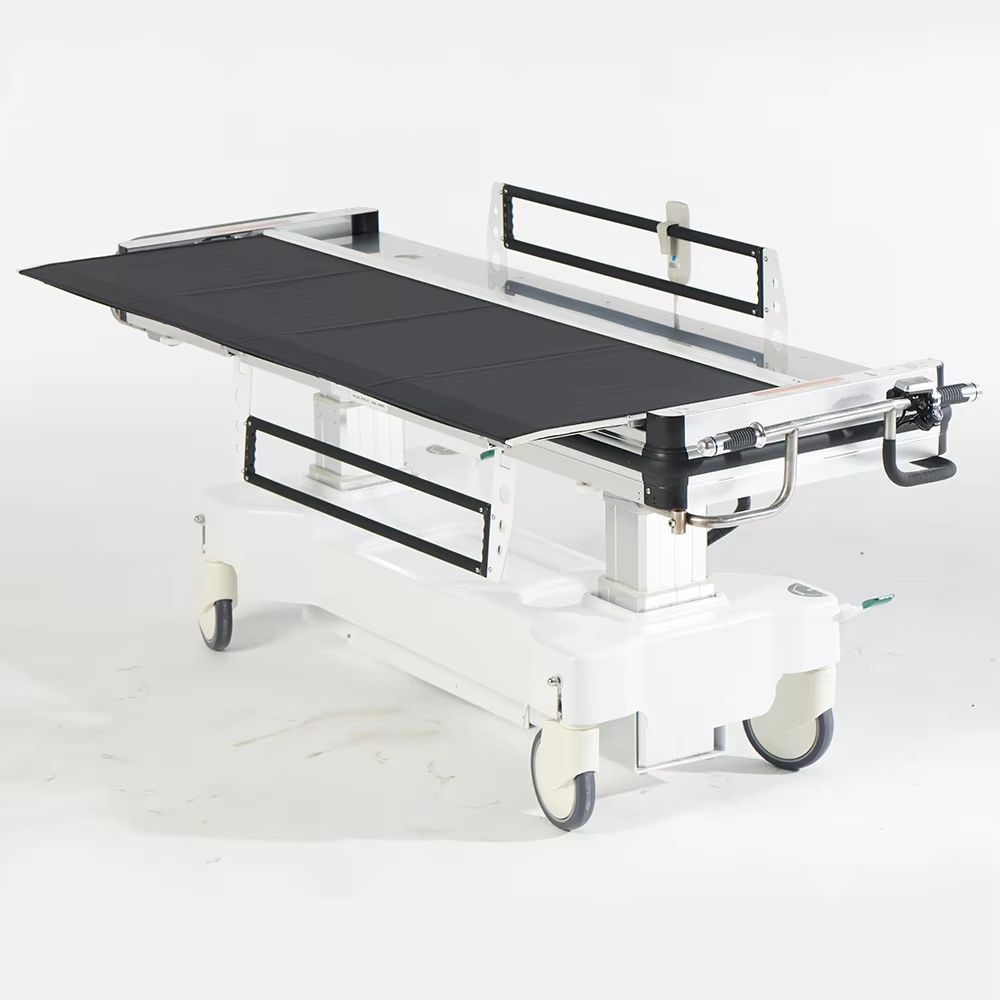
Centra rehabilitacyjne stanowią kluczowe środowiska opieki zdrowotnej, w których mobilność i bezpieczeństwo pacjentów pozostają najwyższym priorytetem dla personelu medycznego. W tych specjalistycznych placówkach płynne przemieszczanie pacjentów między różnymi obszarami leczenia, urządzeniami diagnostycznymi oraz miejscami rekonwalescencji wymaga zaawansowanego sprzętu medycznego zaprojektowanego tak, aby zminimalizować obciążenie fizyczne zarówno pacjentów, jak i personelu opieki zdrowotnej. transfer bed stał się nieodzownym elementem wyposażenia, który rewolucjonizuje sposób udzielania opieki pacjentom, zapewniając jednocześnie optymalny komfort i bezpieczeństwo podczas transportu w obrębie placówek rehabilitacyjnych.
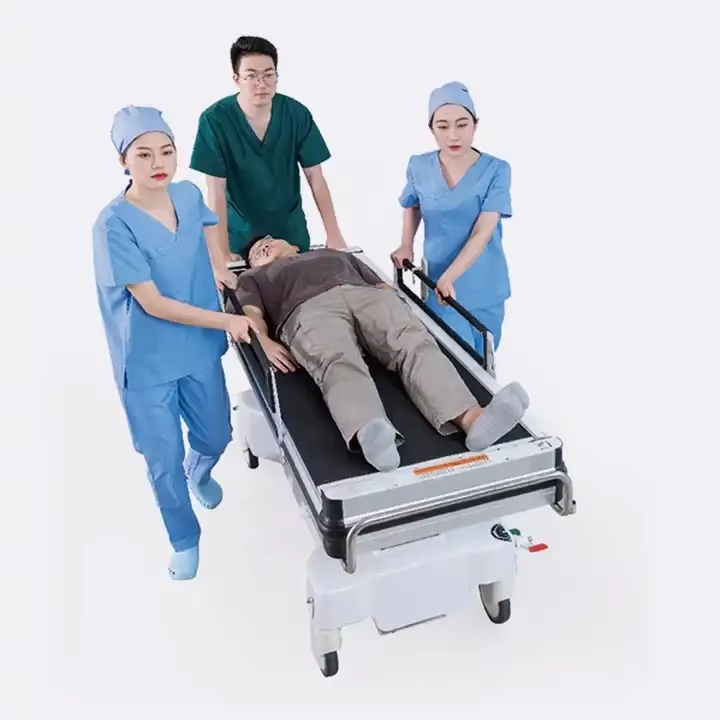
Współczesne ośrodki rehabilitacyjne stają przed rosnącymi wymaganiami w zakresie zapewnienia skutecznej opieki pacjentów przy jednoczesnym utrzymaniu najwyższych standardów bezpieczeństwa w całym procesie leczenia. Pracownicy służby zdrowia potrzebują niezawodnego sprzętu, który ułatwia płynne przenoszenie pacjentów między sesjami terapii, badaniami medycznymi a okresami odpoczynku, bez naruszania godności ani komfortu pacjenta. Wdrożenie zaawansowanych systemów łóżek transferowych pozwala sprostać tym wyzwaniom, oferując zespołom medycznym uniwersalne rozwiązania dostosowane do różnorodnych potrzeb pacjentów i wymogów medycznych.
Bezpieczeństwo pacjentów pozostaje podstawowym elementem skutecznej opieki rehabilitacyjnej, szczególnie w przypadku osób odzyskujących sprawność po urazach, zabiegach chirurgicznych lub przewlekłych chorobach ograniczających ich mobilność. Technologia łóżek transferowych znacznie się rozwinęła, aby uwzględnić funkcje zmniejszające ryzyko upadków, odleżyn oraz wtórnych urazów podczas przemieszczania pacjentów. Te zaawansowane urządzenia medyczne umożliwiają pracownikom służby zdrowia zapewnienie kompleksowej opieki przy jednoczesnym zapewnieniu komfortu pacjenta w całym procesie rehabilitacji.
Zwiększona ochrona bezpieczeństwa pacjentów dzięki zaawansowanej technologii łóżek transferowych
Zmniejszanie ryzyka wtórnych urazów
Przenoszenie pacjentów stanowi jeden z najważniejszych momentów w opiece rehabilitacyjnej, w którym ryzyko urazów wtórnych pozostaje znacznie podwyższone w przypadku braku odpowiedniego sprzętu. Wysokiej jakości łóżko do przenoszenia wyposażone jest w wiele mechanizmów bezpieczeństwa zaprojektowanych w celu ochrony pacjentów podczas przemieszczania ich między różnymi miejscami w placówce. Do tych funkcji bezpieczeństwa należą regulowane poręcze boczne, bezpieczne mechanizmy blokady oraz ergonomiczne elementy konstrukcyjne minimalizujące ryzyko upadków lub nagłych ruchów, które mogłyby zagrozić dobrostanowi pacjenta.
Specjaliści medyczni zdają sobie sprawę z tego, że pacjenci przebywający w ośrodkach rehabilitacyjnych często doświadczają ograniczonej mobilności, problemów z równowagą lub upośledzeń poznawczych, co zwiększa ich podatność na urazy podczas przenoszenia. Zaawansowane systemy łóżek do przenoszenia rozwiązują te problemy dzięki inteligentnemu projektowi, obejmującemu m.in. niską konstrukcję, kółka o gładkim obrocie z niezawodnymi układami hamulcowymi oraz intuicyjne elementy sterowania umożliwiające precyzyjne dostosowanie pozycji. Te innowacje technologiczne znacznie zmniejszają ryzyko wypadków, zapewniając jednocześnie poczucie bezpieczeństwa pacjentów podczas transportu.
Zwalczanie ucisku i optymalizacja komfortu
Długotrwała pozycja leżąca i ograniczona mobilność mogą prowadzić do owrzodzeń odciśnieniowych oraz dyskomfortu u pacjentów w trakcie rehabilitacji, co czyni dobór odpowiednich powierzchni łóżek transferowych kluczowym dla wyników leczenia. Nowoczesne konstrukcje łóżek transferowych zawierają specjalistyczne systemy materacowe oraz powierzchnie podtrzymujące, które równomiernie rozprowadzają ciężar ciała, zapewniając optymalny komfort podczas transportu. Te technologie zmniejszające obciążenie ciśnieniowe pomagają zapobiegać powstawaniu odleżyn oraz utrzymują integralność skóry przez cały okres długotrwałego leczenia.
Integracja możliwości regulacji położenia w systemach łóżek transferowych pozwala pracownikom opieki zdrowotnej dostosowywać pozycję pacjenta zgodnie z indywidualnymi potrzebami medycznymi oraz wymaganiami komfortu. Mechanizmy elektrycznej regulacji umożliwiają precyzyjną kontrolę wysokości łóżka, kąta nachylenia oparcia i podniesienia nóg, zapewniając optymalne ułożenie pacjenta podczas różnych zabiegów medycznych oraz interwencji terapeutycznych. Ta elastyczność znacząco przyczynia się do komfortu pacjenta, wspierając jednocześnie cele kliniczne na wszystkich etapach procesu rehabilitacji.
Efektywność operacyjna i ergonomia personelu
Zmniejszanie obciążenia fizycznego pracowników ochrony zdrowia
Specjaliści medyczni pracujący w centrach rehabilitacyjnych często doświadczają urazów związanych z wykonywaną pracą, spowodowanych fizycznymi wymogami związane z przenoszeniem i transportowaniem pacjentów. Wdrożenie ergonomicznie zaprojektowanych systemów łóżek transferowych znacznie zmniejsza obciążenie fizyczne personelu pielęgniarskiego oraz terapeutów podczas wykonywania czynności opiekuńczych. Urządzenia te są wyposażone w funkcje takie jak elektryczna regulacja wysokości, płynna mobilność oraz intuicyjne sterowanie, które minimalizują konieczność wykonywania ręcznego podnoszenia i przyjmowania niewygodnych pozycji podczas transferów pacjentów.
Nowoczesny transfer bed projekty priorytetowo zapewniają bezpieczeństwo personelu poprzez kompleksowe rozważania ergonomiczne obejmujące typowe zagrożenia występujące w środowiskach opieki zdrowotnej. Możliwość regulacji wysokości pozwala pracownikom służby zdrowia na ustawianie pacjentów na optymalnym poziomie pracy, co zmniejsza konieczność pochylania się, sięgania lub podnoszenia ciężkich ładunków. Te ulepszenia ergonomiczne przyczyniają się do obniżenia liczby urazów wśród personelu przy jednoczesnym utrzymaniu wysokich standardów jakości opieki nad pacjentami.
Optymalizacja Procesów Pracy
Efektywny przepływ pacjentów stanowi kluczowy czynnik w funkcjonowaniu centrów rehabilitacyjnych, gdzie szybki dostęp do różnych usług terapeutycznych i procedur diagnostycznych ma bezpośredni wpływ na wyniki leczenia. Dobrze zaprojektowany system łóżek transferowych ułatwia płynne przenoszenie pacjentów między różnymi działami i obszarami leczenia, skracając czasy oczekiwania oraz optymalizując wykorzystanie zasobów w całym obiekcie. Mobilność i wszechstronność nowoczesnego sprzętu do przenoszenia łóżek umożliwia zespołom opieki zdrowotnej szybkie reagowanie na zmieniające się potrzeby pacjentów oraz harmonogramy leczenia.
Możliwości integracji z istniejącą infrastrukturą szpitalną umożliwiają systemom łóżek transportowych bezproblemowe połączenie z innym sprzętem medycznym oraz systemami obiektowymi. Zgodność z urządzeniami do obrazowania diagnostycznego, urządzeniami terapeutycznymi oraz systemami elektronicznych kartotek medycznych zwiększa wydajność operacyjną, zapewniając przy tym kompleksową koordynację opieki nad pacjentem. Takie integracje technologiczne wspierają podejścia terapeutyczne oparte na dowodach oraz ułatwiają lepszą komunikację w ramach międzydyscyplinarnych zespołów opiekuńczych.
Korzyści terapeutyczne i wsparcie leczenia
Umożliwianie wielomodalnych podejść terapeutycznych
Centra rehabilitacyjne zazwyczaj wykorzystują różnorodne metody terapeutyczne, które wymagają częstych zmian pozycji pacjentów oraz przemieszczania ich między specjalistycznymi obszarami leczenia. Technologia łóżek transferowych wspiera te wielomodalne podejścia, zapewniając uniwersalne platformy umożliwiające przeprowadzanie różnych interwencji terapeutycznych bez utraty stabilności ani komfortu pacjenta. Możliwość szybkiego i bezpiecznego transportu pacjentów między sesjami fizjoterapii, zabiegami terapii zajęciowej oraz konsultacjami medycznymi poprawia ciągłość opieki w całym procesie rehabilitacji.
Zaawansowane systemy łóżek transferowych zawierają funkcje wspierające konkretne wymagania terapeutyczne, takie jak regulowalne pozycjonowanie do ćwiczeń zakresu ruchu, bezpieczne punkty mocowania urządzeń terapeutycznych oraz zgodność z różnymi urządzeniami do monitorowania stanu zdrowia. Dzięki tym możliwościom personel medyczny może zapewniać kompleksowe usługi rehabilitacyjne, zachowując optymalne pozycjonowanie pacjenta i jego bezpieczeństwo w trakcie całej sesji leczenia. Wielofunkcyjność nowoczesnych konstrukcji łóżek transferowych wspiera innowacyjne podejścia terapeutyczne i poprawia skuteczność leczenia u pacjentów z różnorodnymi potrzebami rehabilitacyjnymi.
Wspieranie niezależności i godności pacjenta
Autonomia i godność pacjenta pozostają podstawowymi zasadami w opiece rehabilitacyjnej, w ramach której osoby te dążą do odzyskania niezależności po urazie lub chorobie. Systemy łóżek transferowych wyposażone w intuicyjne elementy sterowania oraz funkcje projektowe zapewniające łatwy dostęp umożliwiają pacjentom aktywne uczestnictwo w procesie leczenia, zachowując przy tym ich godność osobistą podczas transportu i zmiany pozycji. Te elementy projektowe skupione na potrzebach pacjenta przyczyniają się do poprawy samopoczucia psychicznego oraz zgodności z zaleceniami terapeutycznymi w całym okresie rehabilitacji.
Wpływ psychologiczny rehabilitacji wykracza poza samo odzyskanie sprawności fizycznej i obejmuje czynniki emocjonalne oraz społeczne wpływające na skuteczność leczenia. Łóżko transferowe, które stawia na pierwszym miejscu komfort, prywatność i autonomię pacjenta, wspiera budowanie pozytywnych relacji terapeutycznych oraz zachęca do aktywnego uczestnictwa pacjenta w działaniach związanych z procesem powrotu do zdrowia. Te korzyści psychologiczne uzupełniają interwencje fizjoterapeutyczne i przyczyniają się do bardziej udanych wyników rehabilitacji wśród różnorodnych grup pacjentów.
Integracja technologii i przyszłe rozwój
Inteligentne monitorowanie i zbieranie danych
Współczesne środowiska opieki zdrowotnej coraz częściej polegają na podejściach opartych na danych w celu zoptymalizowania opieki nad pacjentem oraz efektywności operacyjnej. Nowoczesne systemy łóżek transferowych wyposażone są w inteligentne funkcje monitoringu pozwalające gromadzić cenne informacje na temat wzorców ruchu pacjenta, preferencji pozycjonowania oraz statystyk użytkowania. Dane te wspierają podejmowanie decyzji opartych na dowodach i umożliwiają dostawcom usług zdrowotnych identyfikację obszarów potencjalnego doskonalenia protokołów opieki nad pacjentem oraz procedur operacyjnych.
Integracja z systemami elektronicznych kartotek medycznych umożliwia przesyłanie danych z łóżka transferowego w celu wspierania kompleksowej oceny stanu pacjenta oraz procesów planowania leczenia. Pracownicy opieki zdrowotnej mogą śledzić postępy pacjenta w zakresie mobilności, identyfikować potencjalne zagrożenia bezpieczeństwa oraz dostosowywać plany opieki na podstawie obiektywnych danych zebranych za pomocą technologii inteligentnych łóżek transferowych. Te możliwości technologiczne wspierają podejście do opieki dostosowane do indywidualnych potrzeb pacjenta oraz poprawiają ogólną jakość usług rehabilitacyjnych.
Niezawodność i zdalne zarządzanie
Ewolucja technologii Internetu Rzeczy (IoT) otworzyła nowe możliwości zarządzania i optymalizacji łóżek transferowych w centrach rehabilitacyjnych. Połączone systemy łóżek transferowych umożliwiają zdalne monitorowanie, zaplanowanie konserwacji predykcyjnej oraz optymalizację wydajności w czasie rzeczywistym, co zwiększa niezawodność sprzętu i redukuje koszty operacyjne. Te postępy technologiczne wspierają proaktywne podejście do konserwacji oraz minimalizują przestoje sprzętu, które mogłyby wpływać na dostarczanie opieki pacjentom.
Funkcje zdalnego połączenia ułatwiają również szkolenie personelu oraz świadczenie usług technicznej pomocy, umożliwiając producentom i specjalistom ds. technologii medycznych udzielanie natychmiastowej pomocy i wskazówek dotyczących rozwiązywania problemów w razie potrzeby. To połączenie wspiera ciągłe doskonalenie wykorzystania łóżek transportowych oraz zapewnia optymalną wydajność w całym cyklu życia sprzętu. Zakłady opieki zdrowotnej korzystają z obniżonych kosztów konserwacji oraz poprawy niezawodności sprzętu dzięki tym zaawansowanym funkcjom łączności.
Wpływ ekonomiczny i zwrot z inwestycji
Obniżenie kosztów dzięki zapobieganiu urazom
Placówki opieki zdrowotnej stają przed znacznymi ciśnieniami finansowymi związanymi z urazami w miejscu pracy, incydentami dotyczącymi bezpieczeństwa pacjentów oraz obawami o odpowiedzialność cywilną związanych z czynnościami przenoszenia pacjentów. Inwestycja w wysokiej klasy systemy łóżek transferowych przynosi znaczne oszczędności kosztowe poprzez obniżenie liczby urazów, ograniczenie narażenia na roszczenia odszkodowawcze oraz poprawę efektywności operacyjnej. Zapobieganie urazom w miejscu pracy wśród personelu medycznego przekłada się bezpośrednio na zmniejszenie liczby roszczeń o odszkodowanie dla pracowników, niższy odsetek rotacji kadry oraz niższe koszty rekrutacji dla centrów rehabilitacyjnych.
Ulepszenia bezpieczeństwa pacjentów osiągnięte dzięki zaawansowanej technologii łóżek transferowych przyczyniają się do ograniczenia ryzyka odpowiedzialności prawnej oraz wzmocnienia reputacji placówek opieki zdrowotnej. Zapobieganie upadkom pacjentów, owrzodzeniom odciśnieniowym oraz innym powikłaniom związanym z przenoszeniem wspiera pozytywne wyniki leczenia, jednocześnie minimalizując finansowe skutki zdarzeń niepożądanych. Te ulepszenia bezpieczeństwa generują długoterminowe oszczędności kosztowe, które uzasadniają początkowe inwestycje w wysokiej jakości sprzęt do przenoszenia pacjentów.
Efektywność operacyjna i optymalizacja zasobów
Efektywny przepływ pacjentów oraz skrócenie czasu przenoszenia pozwalają ośrodkom rehabilitacyjnym zoptymalizować wykorzystanie zasobów i zwiększyć liczbę przyjmowanych pacjentów bez pogarszania jakości opieki. System łóżek transferowych umożliwiający szybkie i bezpieczne przemieszczanie pacjentów pozwala placówkom opieki zdrowotnej na przyjmowanie większej liczby osób, zachowując przy tym wysoki poziom standardów usług. Ta poprawa efektywności przekłada się na wzrost potencjału przychodowego oraz lepsze alokowanie zasobów w całej placówce.
Zmniejszone wymagania dotyczące konserwacji wyposażenia oraz wydłużona żywotność wysokiej jakości systemów łóżek transferowych przyczyniają się do obniżenia całkowitych kosztów posiadania dla placówek opieki zdrowotnej. Trwała konstrukcja, niezawodna praca oraz kompleksowe gwarancje minimalizują nieprzewidziane koszty napraw i wymiany sprzętu. Te korzyści ekonomiczne wspierają zrównoważone funkcjonowanie placówek oraz umożliwiają dostawcom usług zdrowotnych przeznaczanie środków na działania bezpośrednio związane z opieką nad pacjentami, a nie na konserwację i wymianę sprzętu.
Często zadawane pytania
Co wyróżnia łóżko transferowe spośród zwykłych łóżko szpitalne
Łóżko transferowe jest specjalnie zaprojektowane do transportu i przemieszczania pacjentów w placówkach opieki zdrowotnej; charakteryzuje się zwiększoną mobilnością dzięki wysokiej jakości kółkom, lekkiej konstrukcji oraz ergonomicznym elementom projektowym ułatwiającym łatwe manewrowanie. W przeciwieństwie do standardowych łóżek szpitalnych, które skupiają się na stacjonarnej opiece nad pacjentem, systemy łóżek transferowych zawierają takie cechy jak kompaktowe wymiary umożliwiające poruszanie się po korytarzach, mechanizmy szybkiego zwalniania zapewniające efektywne przenoszenie pacjentów oraz specjalistyczne funkcje bezpieczeństwa chroniące pacjentów podczas przemieszczania ich między różnymi miejscami.
Jak często należy sprawdzać i serwisować sprzęt do łóżek transferowych
Sprzęt do przenoszenia pacjentów na łóżko wymaga regularnych przeglądów i harmonogramów konserwacji, aby zapewnić optymalną wydajność oraz bezpieczeństwo pacjentów przez cały okres eksploatacji. Większość producentów zaleca codzienne wizualne przeglądy przeprowadzane przez personel pielęgniarski w celu sprawdzenia ewentualnych widocznych uszkodzeń lub problemów z funkcjonalnością, cotygodniowe szczegółowe przeglądy przeprowadzane przez personel techniczny w celu weryfikacji elementów mechanicznych oraz funkcji bezpieczeństwa oraz kompleksowe roczne przeglądy przeprowadzane przez wykwalifikowanych techników biomedycznych w celu oceny ogólnej integralności systemu oraz jego specyfikacji wydajnościowych.
Jakie certyfikaty bezpieczeństwa powinny uwzględnić placówki medyczne przy wyborze sprzętu do przenoszenia pacjentów na łóżko?
Zakłady opieki zdrowotnej powinny nadać pierwszeństwo systemom łóżek transferowych, które spełniają lub przekraczają odpowiednie normy bezpieczeństwa i certyfikaty, w tym zatwierdzenie FDA dla urządzeń medycznych, normy bezpieczeństwa elektrycznego IEC 60601 dla sprzętu medycznego oraz certyfikat systemu zarządzania jakością ISO 13485 dla producentów urządzeń medycznych. Dodatkowe certyfikaty, takie jak certyfikacja UL dla komponentów elektrycznych oraz zgodność z wymaganiami dotyczącymi dostępności ustawy o niepełnosprawności Amerykanów (Americans with Disabilities Act, ADA), zapewniają kompleksowe bezpieczeństwo i zgodność z przepisami w środowiskach opieki zdrowotnej.
Czy systemy łóżek transferowych mogą pomieścić pacjentów o różnych rozmiarach i poziomach sprawności ruchowej?
Nowoczesne systemy łóżek transferowych są zaprojektowane tak, aby dostosować się do różnorodnych grup pacjentów dzięki funkcjom regulowanym i skalowalnym nośnościom, które wspierają osoby o różnym stopniu sprawności ruchowej oraz o różnych cechach fizycznych. Większość wysokiej jakości modeli łóżek transferowych oferuje nośność w zakresie od 300 do 1000 funtów, regulowaną szerokość, pozwalającą dopasować się do różnych rozmiarów pacjentów, oraz specjalistyczne funkcje, takie jak opcje wsparcia dla osób z nadwagą, adaptacje dla dzieci oraz modyfikacje zapewniające dostępność dla pacjentów z określonymi ograniczeniami ruchowymi lub wymaganiami medycznymi.
Spis treści
- Zwiększona ochrona bezpieczeństwa pacjentów dzięki zaawansowanej technologii łóżek transferowych
- Efektywność operacyjna i ergonomia personelu
- Korzyści terapeutyczne i wsparcie leczenia
- Integracja technologii i przyszłe rozwój
- Wpływ ekonomiczny i zwrot z inwestycji
-
Często zadawane pytania
- Co wyróżnia łóżko transferowe spośród zwykłych łóżko szpitalne
- Jak często należy sprawdzać i serwisować sprzęt do łóżek transferowych
- Jakie certyfikaty bezpieczeństwa powinny uwzględnić placówki medyczne przy wyborze sprzętu do przenoszenia pacjentów na łóżko?
- Czy systemy łóżek transferowych mogą pomieścić pacjentów o różnych rozmiarach i poziomach sprawności ruchowej?