 EN
EN

Sa larangan ng modernong medisina sa rehabilitasyon, ang teknolohikal na inobasyon ay nagbabago sa mga pamamaraan ng paggamot nang walang kamatayang bilis. Para sa mga pasyenteng may disfungsyon ng kamay, ang paglitaw ng mga panakip-pangkamay para sa rehabilitasyon ay nagbubukas ng bagong yugto ng presisyon at personalisadong rehabilitasyon sa bahay at klinikal na paggamot. Ang tila simpleng kagamitan para sa pagpaparami ng rehabilitasyon ng kamay ay talagang pinagsama-samang resulta ng biomekanika, neurosiyensya, at matalinong teknolohiya.
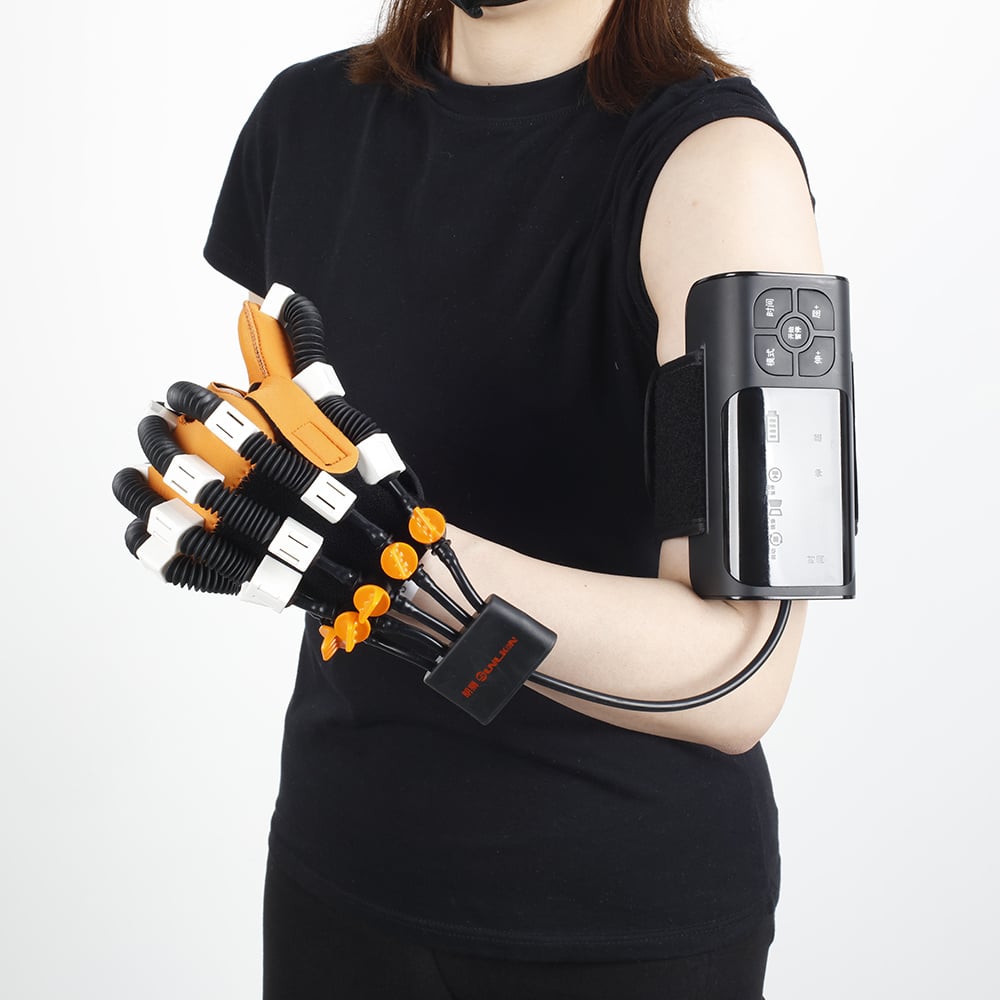
Bakit naging pangunahing kasangkapan ang mga panakip-pangkamay para sa rehabilitasyon sa makabagong rehabilitasyon?
Ang kamay ang kasangkapan na pinakakadalas nating ginagamit sa ating pang-araw-araw na buhay, at ang kumplikadong paggana nito ay kahanga-hanga. Ang disfungsyon ng kamay dulot ng stroke, trauma, pinsala sa nerbiyo, o arthritis ay hindi lamang nakakaapekto sa kakayahan sa pang-araw-araw na pamumuhay kundi maaari ring malalim na makaapekto sa mental na kalusugan ng pasyente. Ang tradisyonal na pagsasanay sa rehabilitasyon ay madalas umaasa sa isahan na gabay ng mga therapist at simpleng kagamitan, na may mga limitasyon tulad ng kulang na intensity ng pagsasanay, hindi standard na galaw, at hirap sa pagsukat ng progreso.
Ang mga smart rehabilitation gloves ay nakatutulong upang tugunan ang mga problemang ito sa pamamagitan ng eksaktong kontrol sa presyon, ikinakabit na saklaw ng paggalaw, at isang real-time feedback system. Nagbibigay ang mga ito ng patuloy, matatag, at sumusunod sa physiological na proseso na rehabilitasyon, tinitiyak na bawat pagbaluktot at pagpahaba ng kamay ay sumusunod sa tamang landas ng rehabilitasyon.
Paano gamitin nang siyentipiko ang mga guwantes sa rehabilitasyon?
Hakbang 1: Propesyonal na Pagtatasa at Paggawa ng Personalisadong Programa
Mahalaga ang propesyonal na pagtatasa bago gamitin ang anumang kagamitan para sa pagsasanay sa pagbawi ng kakayahan ng kamay. Kailangang suriin ng manggagamot o therapist sa rehabilitation ang pagganap ng kamay, saklaw ng galaw ng mga kasukasuan, lakas ng kalamnan, at kontrol ng sistema ng nerbiyos. Batay sa mga resulta ng pagtatasa, isinasagawa ang isang nakapirming programa ng pagsasanay para sa pagbawi ng kakayahan ng kamay na may karampatang antas ng pagsasanay, dalas, tagal, at partikular na kombinasyon ng mga galaw.
Ang kalakasan ng mga smart rehabilitation gloves ay nasa kanilang kakayahang i-ayos—maaaring i-hone ang presyon, saklaw ng galaw, at mga mode ng pagsasanay batay sa tiyak na kalagayan ng pasyente, upang makamit ang tunay na personalized na rehabilitation.
Hakbang 2: Tamang Pagkakasuot at Pagkakalibrado
Ang tamang pagkakasuot ay siyang pundasyon ng epektibong pagsasanay. Tiakin na ang pananamit ng guwantes ay perpekto sa kamay, na magkakasinuod ang mga kasukasuan ng daliri sa mga kasukasuan ng guwantes. Hindi ito dapat masyadong mahigpit, dahil maapektuhan ang sirkulasyon ng dugo, ni masyadong maluwag, upang hindi bumaba ang epekto ng pagsasanay.
Ang mga modernong elektrikong panhibla na luweng pang-rehabilitasyon ay karaniwang mayroong mga katalinuhang sistema ng pagtuklas. Kinakailangan ang kalibrasyon sa unang paggamit upang mairekord ang batayang saklaw ng paggalaw at pinakamataas na mapagkukunan ng presyon ng pasyente, na nagtatatag ng ligtas at epektibong batayan ng mga parameter para sa susunod na pagsasanay.
Hakbang 3: Gradwal, Mga Yugtong Pagsasanay
Ang pagsasanay sa rehabilitasyon ay hindi dapat mabilis o mapilit. Dapat sundin sa paggamit ng luweng pang-rehabilitasyon ng kakayahang kamay ang prinsipyo ng "magalaw na pag-unlad":
Paunang Yugto: Pangunahing pasibong pagsasanay, na nagbibigay-daan sa luweng tulungan ang apektadong kamay na maisagawa ang mga pangunahing galaw tulad ng paghawak at pag-unti, upang muling matatag ang neuromuscular na koneksyon.
Gitnang Yugto: Pakikipagsanay na may aktibong tulong, kung saan sinusubukan ng pasyente na gumamit ng lakas nang aktibo, habang binibigyan ng luweng kinakailangang tulong.
Huling Yugto: Pakikipagsanay na may resistensya, kung saan nagbibigay ang luweng kontroladong resistensya upang palakasin ang kalamnan at tibay ng kamay.
Dapat iangkop nang maluwag ang transisyon sa bawat yugto ayon sa aktwal na pag-unlad ng pasyente, karaniwan ay may pagtatasa sa bawat 2-4 na linggo.
Hakbang 4: Pag-iintegrate ng Pagsasanay sa Functional na Aktibidad
Ang simpleng pagsasagawa ng pagsasanay sa paggalaw ng mga kasukasuan ay maaaring maging paulit-ulit at hiwalay sa tunay na pangangailangan ng mga pasyente. Dapat pagsamahin ng epektibong pagsasanay sa rehabilitasyon ang mga pangunahing galaw kasama ang mga functional na aktibidad. Halimbawa:
Pagkuha ng mga bagay na may iba't ibang hugis at sukat bilang paggaya sa pang-araw-araw na gawain.
Pagtataya ng mga tiyak na sitwasyon tulad ng paghawak ng tasa ng tubig, pagbubuklat ng mga pahina ng libro, at pagsusulat gamit ang panulat habang nagtatraining.
Pagdidisenyo ng tiyak na mga modelo ng paggalaw batay sa mga pangangailangan sa hanapbuhay.
Ang ilang mataas na uri ng guwantes para sa pagsasanay sa rehabilitasyon ay mayroong mga sistema ng virtual reality, na maaaring mapataas ang pakikilahok at kasiyahan sa pagsasanay ng pasyente sa pamamagitan ng paglalaro.
Hakbang 5: Pagsubaybay sa Datos at Pag-optimize ng Programa
Isa sa pinakamalaking kalamangan ng modernong kagamitang pangrehabilitasyon ay ang data-driven na pamamaraan nito. Ang mga datos tulad ng tagal, lakas, saklaw ng paggalaw, at kalidad ng pagkumpleto sa bawat sesyon ng pagsasanay ay nakatala at naa-analyze. Ang mga datos na ito ay hindi lamang tumutulong sa pasyente na maunawaan nang malinaw ang kanilang progreso kundi nagbibigay din ng obhetibong ebidensya sa mga therapist upang i-ayos ang programa ng rehabilitasyon.
Regular na (nang may ideyal na agwat na bawat 1-2 linggo) suriin ang datos ng pagsasanay kasama ang mga propesyonal sa rehabilitasyon, at i-ayos ang mga parameter ng pagsasanay batay sa progreso upang matiyak na ang landas ng rehabilitasyon ay palaging nakatuon sa optimal na direksyon.
Anu-ano ang ilang karaniwang maling akala tungkol sa paggamit ng mga guwantes pangrehabilitasyon?
1. Iwasan ang "mas marami ay mas mabuti" na paniniwala: Ang labis na pagsasanay ay maaaring magdulot ng pagkapagod o kahit pangalawang sugat. Sundin nang mahigpit ang inirekomendang tagal at dalas ng pagsasanay.
2. Huwag balewalain ang senyales ng sakit: Normal ang bahagyang discomfort habang nagtatraining, ngunit ang matinding sakit ay isang babalang senyas; huminto kaagad at kumonsulta sa isang propesyonal.
3. Iwasan ang "isang sukat-na-para-sa-lahat" na pagsasanay: Ang mga pasyente na may iba't ibang sanhi at yugto ay nangangailangan ng iba't ibang pokus sa pagsasanay; limitado ang epekto ng isang pangkalahatang pamamaraan.
4. Iwasan ang pinag-iisang pagsasanay: Dapat isama ang rehabilitasyon ng kamay sa pangkalahatang pagsasanay sa pag-andar ng itaas na mga binti, kabilang ang pagsasanay sa koordinasyon ng mga kasukasuan sa balikat, siko, at pulso.
Mga sinergistikong epekto ng mga pananim na rehabilitasyon kasama ang iba pang paggamot
Madalas na maraming-dimensyon ang pinakaepektibong rehabilitasyon. Mga guwantes sa rehabilitasyon dapat gamitin kasabay ng mga sumusunod na paraan:
Tradisyonal na Occupational Therapy: Tiyak na pagsasanay sa pagganap ng tungkulin sa ilalim ng gabay ng isang therapist.
Physical Therapy: Tulad ng therapy gamit ang init at elektrikal na pagpimpi, upang mapawi ang sakit at mapalakas ang sirkulasyon ng dugo.
Neurodevelopmental Therapy: Upang mapalago ang muling pagkakaayos ng pag-andar ng utak at muling itayo ang mga modelo ng motor control.
Pagbabago sa Kapaligiran sa Bahay: Upang lumikha ng kapaligiran sa tahanan na mainam para sa pag-andar ng kamay.
Tingin Sa Hinaharap: Ang Ebolusyon ng Teknolohiya ng Rehabilitation Glove
Dahil sa mga pag-unlad sa teknolohiya, ang susunod na henerasyon ng rehabilitation gloves ay umuunlad patungo sa mas magaan, mas matalino, at mas personalisado. Ang mga tungkulin tulad ng biofeedback systems, AI-assisted decision-making, at remote rehabilitation guidance ay unti-unting pinabubuti, na nagbibigay-daan sa mataas na kalidad na rehabilitation services na lampasan ang mga hadlang ng oras at espasyo upang makatulong sa higit pang mga pasyente.
Ang mga panakip-palad para sa rehabilitasyon ay hindi mahiwagang kagamitan, kundi makapangyarihang kasangkapan para sa siyentipikong paggaling. Ang kanilang halaga ay hindi nakabase sa kagamitang mismo, kundi sa paraan ng paglalapat nito sa sistematiko at personalisadong mga plano sa rehabilitasyon. Kapag pinagsama ang teknolohiya at propesyonal na medikal na gabay, at kapag ang tiyagang pasensyente ay nagtagpo sa siyentipikong pamamaraan, ang bawat paghawak ay hindi na simpleng paulit-ulit na galaw, kundi isang matibay na hakbang tungo sa pagkakaroon ng malayang pag-andar at pagbuti ng kalidad ng buhay.
Maaaring mahaba ang daan patungo sa paggaling, ngunit bawat hakbang ay karapat-dapat sa maingat na pagpaplano. Ang pagpili ng angkop na mga kagamitan sa rehabilitasyon, ang pagkatuto ng tamang paraan ng paggamit, at ang patuloy na pakikipagtulungan sa isang propesyonal na pangkat ng medisina ay magpapahintulot na ang pagbabalik ng kalusugan at pag-andar ay tahimik na mangyayari sa bawat siyentipikong sesyon ng pagsasanay.