 EN
EN

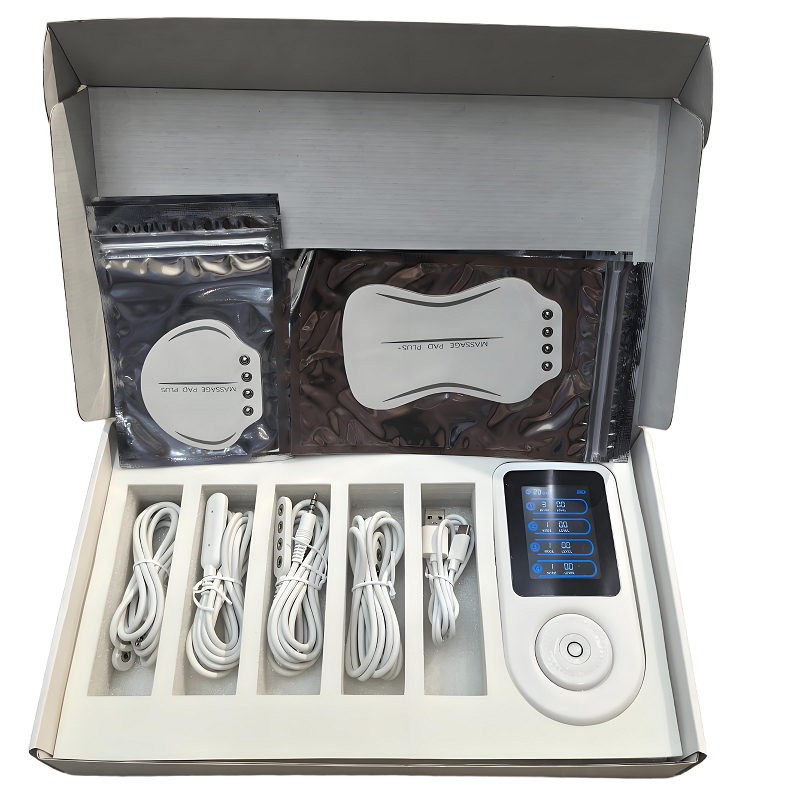
Transcutaneous Electrical Nerve Stimulation, commonly known as tens, has emerged as a revolutionary approach to managing pain and promoting muscle recovery. This non-invasive therapy delivers controlled electrical impulses through the skin to stimulate nerves and interrupt pain signals traveling to the brain. Healthcare professionals and athletes worldwide have embraced tens technology for its ability to provide natural pain relief without the side effects associated with pharmaceutical interventions. The growing body of research supporting tens therapy has positioned it as a cornerstone treatment in physical rehabilitation, sports medicine, and chronic pain management.
Understanding TENS Technology and Mechanism
The Science Behind Electrical Stimulation
The physiological foundation of tens therapy lies in the gate control theory of pain, which suggests that non-painful electrical stimuli can override pain sensations by closing neural gates in the spinal cord. When tens electrodes are placed on the skin, they generate precise electrical pulses that activate large diameter nerve fibers responsible for transmitting non-painful sensations. These activated fibers effectively compete with smaller pain-transmitting fibers, reducing the overall pain signal reaching the brain. Modern tens devices offer adjustable frequency, intensity, and pulse width settings, allowing users to customize treatment parameters based on their specific needs and comfort levels.
The electrical impulses generated by tens units operate within specific frequency ranges that target different physiological responses. Low-frequency tens stimulation, typically between 2-10 Hz, promotes the release of endorphins and enkephalins, the body's natural pain-relieving chemicals. High-frequency tens therapy, ranging from 50-100 Hz, focuses on immediate pain relief through nerve gate mechanisms. This dual-action approach makes tens therapy versatile for addressing both acute and chronic pain conditions while supporting the body's natural healing processes.
Types and Applications of TENS Devices
Contemporary tens devices come in various configurations designed to meet diverse therapeutic needs and lifestyle requirements. Portable tens units feature compact designs with battery power, making them ideal for on-the-go pain management and recovery sessions. Clinical-grade tens machines offer enhanced programmability, multiple channel outputs, and advanced waveform options for comprehensive treatment protocols. Wireless tens devices eliminate the constraints of traditional electrode cables, providing greater freedom of movement during therapy sessions.
The versatility of tens technology extends across numerous medical and wellness applications. Physical therapists utilize tens units for post-operative pain management, helping patients reduce their dependence on opioid medications while maintaining comfort during recovery. Athletes incorporate tens therapy into their training regimens for muscle conditioning, performance enhancement, and accelerated recovery between workouts. Chronic pain sufferers find relief through regular tens sessions, managing conditions such as arthritis, fibromyalgia, and neuropathic pain with consistent, drug-free treatment.
Muscle Recovery Benefits of TENS Therapy
Enhanced Blood Circulation and Nutrient Delivery
One of the most significant advantages of tens therapy for muscle recovery lies in its ability to improve local blood circulation. The electrical stimulation causes rhythmic muscle contractions that act as a physiological pump, enhancing blood flow to treated areas. This increased circulation delivers essential nutrients, oxygen, and growth factors to muscle tissues while simultaneously removing metabolic waste products that accumulate during intense physical activity. The improved vascular response accelerates the natural healing process and reduces recovery time between training sessions.
Research demonstrates that tens therapy can increase local blood flow by up to 35% in treated areas, creating an optimal environment for muscle repair and regeneration. The enhanced circulation also helps maintain tissue temperature, preventing the muscle stiffness and soreness commonly experienced after strenuous exercise. Regular tens sessions can establish a cumulative effect, where consistent therapy gradually improves overall muscle health and resilience to exercise-induced stress.
Reduction of Muscle Tension and Spasms
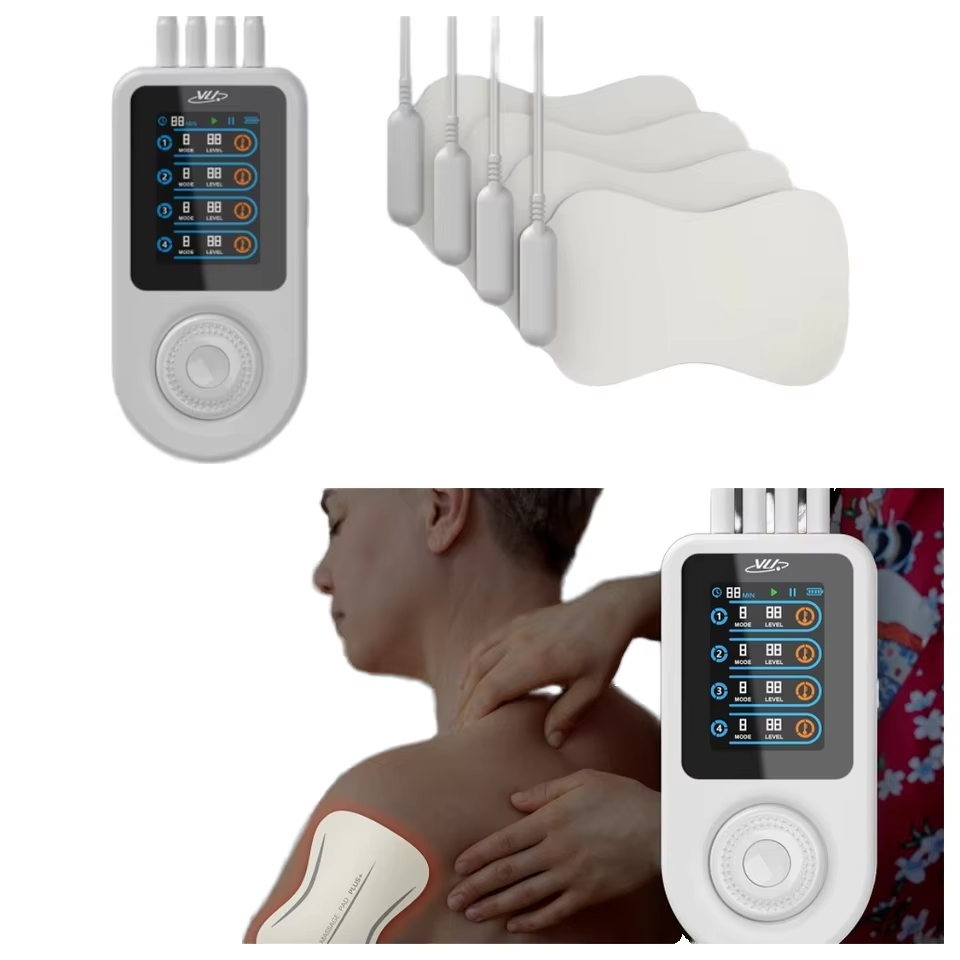
Tens therapy effectively addresses muscle tension and spasms through targeted electrical stimulation that promotes muscle relaxation and reduces hyperactivity in overworked muscle groups. The controlled electrical impulses help reset abnormal muscle firing patterns and restore normal neuromuscular function. This therapeutic effect is particularly beneficial for individuals experiencing muscle guarding, where protective muscle contractions develop in response to pain or injury. By breaking the pain-spasm cycle, tens therapy facilitates more effective muscle recovery and prevents the development of compensatory movement patterns.
The muscle relaxation benefits of tens extend beyond immediate symptom relief, contributing to improved flexibility and range of motion over time. Athletes who incorporate tens therapy into their recovery routines often report decreased muscle stiffness, improved performance consistency, and reduced risk of overuse injuries. The therapy's ability to modulate muscle tone makes it valuable for both pre-exercise preparation and post-workout recovery protocols.
Pain Management and Relief Mechanisms
Immediate and Long-term Pain Control
The pain-relieving effects of tens therapy operate through both immediate and sustained mechanisms that address different aspects of pain perception and management. Immediate pain relief occurs through the gate control mechanism, where tens stimulation blocks pain signals at the spinal cord level before they reach conscious awareness. This rapid onset of relief makes tens particularly valuable for managing acute pain episodes and providing comfort during painful medical procedures or therapeutic interventions.
Long-term pain management benefits develop through the cumulative effects of regular tens therapy sessions. Repeated electrical stimulation promotes neuroplasticity changes that can reduce chronic pain sensitivity and improve pain tolerance. The therapy also supports the body's natural healing processes by reducing inflammation, improving tissue health, and preventing the sensitization of pain pathways that can lead to chronic pain conditions. Many users find that consistent tens therapy reduces their overall pain medication requirements while maintaining effective symptom control.
Endorphin Release and Natural Pain Relief
Low-frequency tens stimulation triggers the release of endorphins and other endogenous opioids that provide natural pain relief comparable to pharmaceutical analgesics. This biological response activates the body's intrinsic pain management system, offering sustained relief that can last several hours beyond the actual treatment session. The endorphin release also contributes to improved mood, reduced anxiety, and enhanced overall well-being, creating a positive feedback loop that supports the healing process.
The natural pain relief mechanisms activated by tens therapy offer significant advantages over traditional pharmaceutical approaches. Unlike opioid medications, tens-induced endorphin release does not carry risks of dependency, tolerance, or adverse side effects. This makes tens therapy an ideal first-line treatment for pain management, particularly for individuals seeking drug-free alternatives or those who cannot tolerate conventional pain medications due to medical contraindications or personal preferences.
Optimal Usage Protocols and Best Practices
Treatment Duration and Frequency Guidelines
Effective tens therapy requires adherence to evidence-based treatment protocols that optimize therapeutic benefits while ensuring user safety and comfort. Most tens sessions range from 15 to 30 minutes, depending on the specific condition being treated and individual response patterns. For acute pain management, shorter, more frequent sessions may provide better results, while chronic conditions often benefit from longer treatment durations. The flexibility of tens therapy allows users to adjust session length based on their daily needs and symptom severity.
Frequency recommendations vary according to treatment objectives and user tolerance. For muscle recovery applications, daily tens sessions can accelerate healing and maintain optimal tissue health. Pain management protocols may involve multiple sessions throughout the day, particularly during acute flare-ups or periods of increased symptom severity. It's essential to allow adequate rest periods between sessions to prevent skin irritation and maintain treatment effectiveness over time.
Electrode Placement and Settings Optimization
Proper electrode placement is crucial for maximizing tens therapy effectiveness and ensuring comfortable treatment experiences. Electrodes should be positioned to encompass the target area while following anatomical guidelines that optimize current flow and nerve activation. For muscle recovery applications, electrodes are typically placed at the motor points of target muscles or along the length of muscle groups to achieve comprehensive stimulation. Pain management protocols may require electrode placement both at the pain site and along related nerve pathways.
Parameter optimization involves adjusting intensity, frequency, and pulse width settings to achieve desired therapeutic outcomes. Initial intensity should be set at a comfortable level that produces noticeable tingling sensations without causing discomfort or muscle contractions. Frequency selection depends on treatment goals, with higher frequencies for immediate pain relief and lower frequencies for endorphin release and muscle recovery. Users should gradually increase intensity as tolerance develops while monitoring their response to ensure optimal therapeutic benefit.
Integration with Comprehensive Recovery Programs
Combining TENS with Physical Therapy
The integration of tens therapy with conventional physical therapy interventions creates synergistic effects that enhance overall treatment outcomes. Physical therapists often use tens as a preparatory modality to reduce pain and muscle tension before manual therapy, exercise, or movement training. This approach allows patients to participate more fully in active rehabilitation exercises while experiencing reduced discomfort and improved function. The pain relief provided by tens enables therapists to perform more effective joint mobilization and soft tissue techniques.
Combining tens with therapeutic exercise programs accelerates recovery by addressing both pain management and functional restoration simultaneously. Patients can use tens devices during home exercise sessions to maintain comfort while performing prescribed movements and stretching routines. This integrated approach helps break the cycle of pain-induced inactivity that often delays recovery and leads to secondary complications such as muscle weakness and joint stiffness.
Complementary Therapies and Lifestyle Factors
Tens therapy works optimally when incorporated into comprehensive wellness programs that address multiple aspects of health and recovery. Combining tens with other non-pharmacological interventions such as massage therapy, heat/cold application, and stress management techniques can amplify therapeutic benefits. The complementary nature of these approaches targets different physiological pathways, creating a more robust and sustainable recovery environment.
Lifestyle factors play a crucial role in maximizing tens therapy effectiveness. Adequate hydration, proper nutrition, and quality sleep support the body's natural healing processes and enhance the therapeutic response to electrical stimulation. Regular physical activity, when appropriate, helps maintain muscle health and prevents the deconditioning that can complicate recovery. Stress management techniques such as meditation, deep breathing, or yoga complement tens therapy by addressing the psychological components of pain and promoting overall well-being.
FAQ
How quickly can I expect to see results from TENS therapy
Most users experience immediate pain relief during tens sessions, with noticeable effects beginning within the first few minutes of treatment. For muscle recovery applications, improvements in stiffness and soreness typically occur within 24-48 hours of consistent use. Long-term benefits such as reduced chronic pain and improved muscle function develop gradually over several weeks of regular therapy. Individual response times vary based on the condition being treated, severity of symptoms, and adherence to recommended treatment protocols.
Is it safe to use TENS therapy daily for extended periods
Daily tens therapy is generally safe for most individuals when used according to manufacturer guidelines and healthcare provider recommendations. The non-invasive nature of electrical stimulation makes it suitable for long-term use without the risks associated with pharmaceutical interventions. However, users should monitor their skin condition at electrode sites and take breaks if irritation develops. It's advisable to consult with a healthcare professional before beginning daily tens therapy, particularly for individuals with certain medical conditions or implanted devices.
Can TENS therapy replace traditional pain medications completely
While tens therapy can significantly reduce pain medication requirements for many individuals, complete replacement depends on the specific condition, pain severity, and individual response patterns. Many users successfully reduce their reliance on over-the-counter and prescription pain medications when incorporating regular tens therapy into their pain management strategy. However, medication changes should always be discussed with and supervised by healthcare providers to ensure safe and effective treatment transitions.
What conditions or situations should avoid TENS therapy
Tens therapy is contraindicated for individuals with certain cardiac devices such as pacemakers or defibrillators, as electrical stimulation may interfere with device function. Other contraindications include pregnancy (electrode placement over the abdomen or lower back), active cancer in the treatment area, and certain skin conditions or open wounds at electrode sites. Individuals with epilepsy or other neurological conditions should consult their healthcare provider before using tens therapy to ensure safe application.