 EN
EN

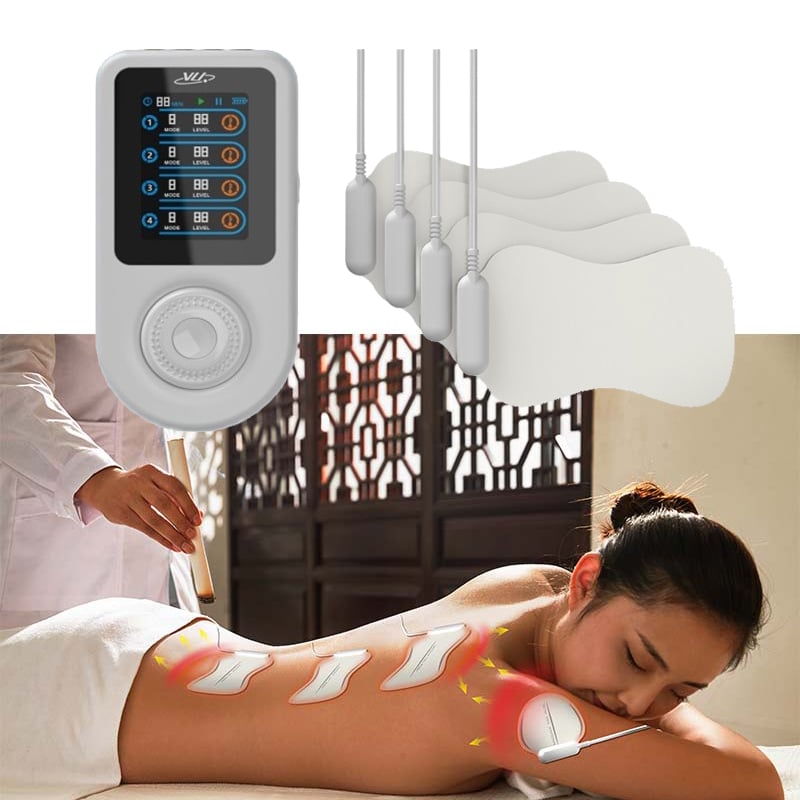
Post-surgical recovery involves managing pain, inflammation, and tissue healing through various therapeutic interventions. Medical professionals increasingly recommend advanced recovery technologies that combine multiple treatment modalities to optimize patient outcomes. Modern rehabilitation approaches integrate cold therapy, heat therapy, and electrical stimulation methods like tens to accelerate healing processes. These comprehensive treatment systems provide targeted relief while supporting the body's natural recovery mechanisms through scientifically-backed therapeutic protocols.
Understanding Post-Surgical Recovery Requirements
Physiological Challenges After Surgery
Surgical procedures trigger complex inflammatory responses that require careful management during recovery phases. Tissue trauma from incisions creates localized swelling, increased blood flow, and heightened pain sensitivity that can impede healing if not properly addressed. The body's natural inflammatory cascade serves protective functions but may become counterproductive without appropriate intervention. Medical professionals recognize that controlling inflammation through targeted therapy significantly improves patient comfort and accelerates tissue repair processes.
Pain management represents another critical component of post-surgical care that directly impacts recovery outcomes. Uncontrolled pain leads to muscle tension, reduced mobility, and psychological stress that can delay healing processes. Tens therapy has emerged as an effective non-pharmacological pain management tool that works through gate control theory mechanisms. This approach stimulates nerve pathways to interrupt pain signals reaching the brain while promoting natural endorphin release.
Recovery Timeline Considerations
Surgical recovery follows predictable phases that require different therapeutic approaches at specific intervals. The acute inflammatory phase typically lasts 72 hours post-surgery and benefits most from cold therapy applications. During this period, controlled cooling reduces metabolic demands on damaged tissues while limiting excessive inflammatory responses. Tens units can complement cold therapy by providing continuous pain relief without medication side effects.
The proliferative phase begins around day three and continues for several weeks as new tissue formation occurs. Heat therapy becomes beneficial during this stage to promote circulation and tissue flexibility. Advanced recovery systems that combine cooling, heating, and tens stimulation provide comprehensive support throughout all recovery phases. This integrated approach allows healthcare providers to adjust treatment protocols based on individual patient needs and healing progression.
Advanced Cold Therapy Technology
Mechanisms of Therapeutic Cooling
Therapeutic cooling operates through multiple physiological mechanisms that directly support surgical recovery processes. Vasoconstriction reduces blood flow to treated areas, minimizing inflammatory cell infiltration and limiting tissue swelling. Temperature reduction also decreases metabolic activity in damaged tissues, reducing oxygen demands and preventing secondary tissue damage. These effects combine to create optimal conditions for controlled healing while maintaining tissue viability.
Modern cold therapy systems deliver precise temperature control that maintains therapeutic ranges without causing tissue damage. Professional-grade equipment ensures consistent cooling temperatures between 45-55 degrees Fahrenheit for optimal therapeutic benefits. This controlled approach differs significantly from traditional ice applications that may cause temperature fluctuations or skin damage. Tens technology can be safely combined with cold therapy to provide dual-modality treatment that addresses both pain and inflammation simultaneously.
Clinical Applications and Benefits
Clinical research demonstrates significant improvements in post-surgical outcomes when structured cold therapy protocols are implemented. Patients receiving consistent cold therapy show reduced narcotic pain medication requirements, decreased hospital stays, and improved mobility scores compared to standard care protocols. The integration of tens stimulation further enhances these benefits by providing additional pain relief mechanisms that complement cooling effects.
Orthopedic procedures particularly benefit from advanced cold therapy applications due to the extensive tissue trauma involved. Joint replacement surgeries, arthroscopic procedures, and sports medicine interventions show markedly improved outcomes with comprehensive cooling protocols. Tens therapy proves especially valuable in these cases by targeting specific nerve pathways associated with surgical sites while allowing patients to maintain mobility during treatment sessions.
Heat Therapy Integration
Therapeutic Warming Applications
Heat therapy serves complementary functions to cold therapy in comprehensive post-surgical recovery programs. Controlled warming increases local blood circulation, promotes tissue flexibility, and supports waste product removal from healing tissues. The vasodilation effects of heat therapy enhance nutrient delivery to surgical sites while facilitating natural healing processes. When combined with tens stimulation, heat therapy creates synergistic effects that optimize tissue recovery.
Temperature-controlled heating systems provide consistent therapeutic warmth without risk of tissue damage or burns. Professional equipment maintains optimal heating ranges between 98-104 degrees Fahrenheit for maximum therapeutic benefit. This precision ensures patient safety while delivering effective treatment that supports tissue repair and flexibility. Tens units can operate simultaneously with heat therapy to provide comprehensive pain management during warming sessions.
Circulation Enhancement Effects
Improved circulation represents one of the primary benefits of therapeutic heating in post-surgical recovery protocols. Enhanced blood flow delivers essential nutrients, oxygen, and immune factors to healing tissues while facilitating waste product removal. This improved circulation accelerates tissue repair processes and reduces recovery timelines when properly implemented. Tens therapy supports circulation enhancement by promoting muscle relaxation and reducing tension that may impede blood flow.
The timing of heat therapy application becomes crucial for optimal recovery outcomes. Generally introduced after the acute inflammatory phase subsides, heat therapy supports tissue remodeling and flexibility restoration. Advanced recovery systems allow healthcare providers to transition seamlessly from cold to heat therapy based on patient progress and healing indicators. Tens stimulation provides consistent pain management throughout these treatment transitions.
Electrical Stimulation Technology
Tens Therapy Mechanisms
Transcutaneous electrical nerve stimulation represents a sophisticated approach to pain management that operates through well-established neurological mechanisms. Tens devices deliver controlled electrical impulses that stimulate large-diameter nerve fibers, effectively blocking pain signals from reaching the brain through gate control theory principles. This non-invasive approach provides significant pain relief without pharmaceutical interventions or associated side effects.
Modern tens units offer multiple stimulation patterns and intensity levels that can be customized for individual patient needs and surgical sites. Pulse frequency, duration, and amplitude can be adjusted to optimize therapeutic effects while ensuring patient comfort. The versatility of tens technology allows for continuous or intermittent treatment protocols that complement other recovery interventions like cold and heat therapy.
Clinical Evidence and Applications
Extensive clinical research supports the efficacy of tens therapy in post-surgical pain management across various surgical specialties. Studies demonstrate significant reductions in pain scores, decreased analgesic requirements, and improved patient satisfaction when tens therapy is integrated into recovery protocols. The technology proves particularly effective for managing incisional pain, muscle spasms, and joint discomfort associated with surgical procedures.
Healthcare providers increasingly recognize tens therapy as a valuable component of multimodal pain management strategies. The ability to provide continuous pain relief without medication allows patients to participate more actively in rehabilitation activities and mobility exercises. This enhanced participation accelerates recovery timelines while reducing complications associated with prolonged immobility or excessive pain medication use.
Integrated Recovery Systems
Multi-Modal Treatment Approaches
Comprehensive recovery systems that combine cold therapy, heat therapy, and tens stimulation represent the evolution of post-surgical care technology. These integrated platforms allow healthcare providers to deliver multiple therapeutic modalities through single devices, improving treatment efficiency and patient compliance. The ability to seamlessly transition between treatment modes supports optimal recovery progression while maintaining consistent therapeutic delivery.
Advanced control systems enable precise timing and coordination of different therapeutic modalities based on healing phases and patient response. Cold therapy can be delivered during acute inflammatory periods, followed by tens stimulation for ongoing pain management, and heat therapy for tissue flexibility restoration. This coordinated approach maximizes therapeutic benefits while minimizing treatment complexity for patients and healthcare providers.
Patient Compliance and Convenience
Integrated recovery systems significantly improve patient compliance by simplifying treatment protocols and reducing equipment requirements. Single devices that provide multiple therapeutic modalities eliminate the need for separate cold packs, heating pads, and tens units, making home recovery programs more manageable. User-friendly interfaces and automated protocols ensure consistent treatment delivery even when patients manage their own recovery care.
The convenience factor becomes particularly important for patients managing extended recovery periods at home. Integrated systems reduce setup time, eliminate equipment coordination challenges, and provide consistent therapeutic delivery that supports optimal healing outcomes. Tens therapy components can operate continuously or on programmed schedules to provide ongoing pain management without constant patient attention or intervention.
Clinical Implementation Strategies
Protocol Development
Successful implementation of advanced recovery technology requires structured protocols that address specific surgical procedures and patient populations. Healthcare providers must establish clear guidelines for treatment timing, duration, and intensity based on surgical type and individual patient factors. Tens therapy protocols should be integrated with cold and heat therapy schedules to maximize synergistic effects while avoiding treatment conflicts.
Evidence-based protocols ensure consistent treatment delivery and optimal patient outcomes across different healthcare settings. Standardized approaches also facilitate staff training and quality assurance programs that maintain therapeutic effectiveness. Regular protocol review and refinement based on patient outcomes and technological advances ensures continued optimization of recovery programs.
Staff Training Requirements
Healthcare staff require comprehensive training on integrated recovery systems to ensure safe and effective treatment delivery. Training programs must cover device operation, patient assessment, treatment protocols, and safety considerations for combined therapeutic modalities. Understanding tens therapy principles, contraindications, and proper electrode placement becomes essential for staff managing these advanced systems.
Ongoing education ensures staff remain current with technological advances and protocol refinements that improve patient outcomes. Regular competency assessments and continuing education programs maintain high standards of care while supporting optimal utilization of advanced recovery technology. Patient education components also require staff expertise to ensure proper home use of integrated recovery systems.
FAQ
How does tens therapy complement cold and heat treatment in post-surgical recovery
Tens therapy provides continuous pain management that works synergistically with temperature-based treatments. While cold therapy reduces inflammation and heat therapy promotes circulation, tens stimulation blocks pain signals through neurological pathways. This combination allows patients to receive comprehensive treatment that addresses multiple aspects of surgical recovery simultaneously, improving overall outcomes and reducing reliance on pain medications.
What safety considerations apply when using integrated recovery systems
Safety protocols for integrated recovery systems include proper temperature monitoring, appropriate treatment duration limits, and careful patient assessment before treatment initiation. Tens therapy requires evaluation for pacemaker compatibility and skin sensitivity, while temperature therapy demands regular skin checks to prevent thermal injury. Healthcare providers must establish clear contraindication guidelines and patient monitoring procedures to ensure safe treatment delivery.
How long should patients use comprehensive recovery systems after surgery
Treatment duration varies based on surgical procedure type, healing progression, and individual patient factors. Typically, cold therapy is most beneficial during the first 72 hours post-surgery, while tens therapy can continue throughout the recovery period for ongoing pain management. Heat therapy is generally introduced after acute inflammation subsides, usually around day three to five. Healthcare providers should establish individualized treatment schedules based on patient response and healing indicators.
Can patients safely manage integrated recovery systems at home
Modern integrated recovery systems are designed for safe home use with proper patient education and training. User-friendly interfaces, automated safety features, and pre-programmed treatment protocols minimize the risk of improper use. However, patients require comprehensive instruction on device operation, treatment schedules, and safety precautions. Regular follow-up with healthcare providers ensures optimal treatment progression and addresses any concerns that may arise during home recovery.