 EN
EN

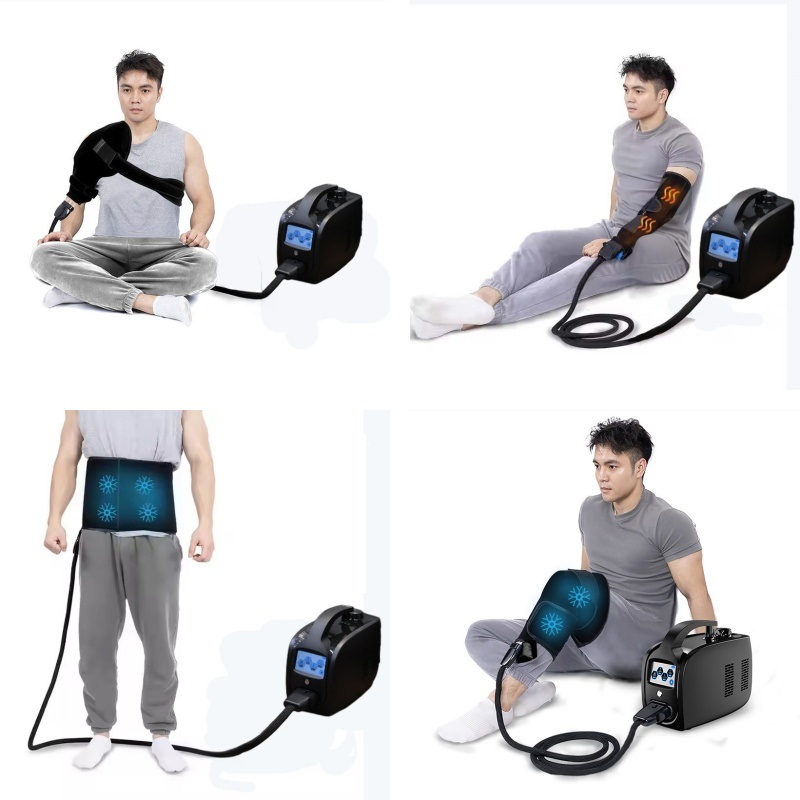
Selecting the appropriate hot & cold therapy machine for home use requires careful consideration of multiple factors that directly impact your recovery outcomes and long-term satisfaction. The effectiveness of thermal therapy depends significantly on choosing equipment that matches your specific medical needs, lifestyle requirements, and budget constraints. Understanding the key selection criteria helps ensure you invest in a device that delivers consistent therapeutic benefits while remaining practical for regular home use.
Modern hot & cold therapy machines offer sophisticated features designed to replicate professional-grade treatments within the convenience of your home environment. The decision-making process involves evaluating temperature control capabilities, treatment versatility, ease of operation, and compatibility with your intended therapeutic applications. Making an informed choice requires understanding how different machine characteristics align with your recovery goals and daily routine preferences.
Understanding Your Therapeutic Requirements
Identifying Your Primary Treatment Goals
Before selecting a hot & cold therapy machine, clearly define your primary therapeutic objectives and target areas for treatment. Different conditions respond better to specific temperature ranges and application durations, making it essential to understand your particular needs. Post-surgical recovery typically benefits from controlled cold therapy to reduce swelling and inflammation, while chronic muscle tension often requires alternating hot and cold applications for optimal relief.
Consider the frequency and duration of your intended treatments when evaluating machine capabilities. Athletes recovering from intense training sessions may require multiple daily treatments with precise temperature control, while individuals managing arthritis symptoms might need gentler, longer-duration therapy sessions. Your treatment schedule directly influences the machine features you should prioritize during the selection process.
Evaluate the specific body areas you plan to treat, as this affects the pad sizes and configurations you need. Knee and shoulder injuries typically require larger treatment pads with flexible positioning options, while smaller areas like wrists or ankles can be effectively treated with compact pad designs. Some hot & cold therapy machines offer multiple pad sizes within a single system, providing greater treatment versatility.
Assessing Medical Recommendations and Restrictions
Consult with your healthcare provider to understand any specific temperature ranges, treatment durations, or application methods recommended for your condition. Medical professionals often provide detailed guidance on optimal therapy parameters that should influence your machine selection criteria. Some conditions require precise temperature control within narrow ranges, making advanced digital controls essential for safe and effective treatment.
Review any medical restrictions or contraindications that might limit your therapy options. Certain circulatory conditions, skin sensitivities, or medication interactions can affect how your body responds to thermal therapy, potentially requiring specialized machine features or safety controls. Understanding these limitations helps narrow your selection to appropriate devices that support safe home treatment.
Document your current pain levels, mobility limitations, and recovery timeline to establish baseline measurements for evaluating therapy effectiveness. A hot & cold therapy machine should demonstrate measurable improvement in these areas within reasonable timeframes, making pre-treatment documentation valuable for monitoring progress and adjusting therapy protocols.
Evaluating Machine Features and Capabilities
Temperature Control Systems and Accuracy
Advanced temperature control represents the most critical feature in any hot & cold therapy machine, as precise thermal regulation ensures both safety and therapeutic effectiveness. Digital control systems typically provide superior accuracy compared to analog controls, offering precise temperature settings that remain consistent throughout treatment sessions. Look for machines that display actual temperature readings rather than relative settings, allowing you to maintain specific therapeutic temperatures as recommended by medical professionals.
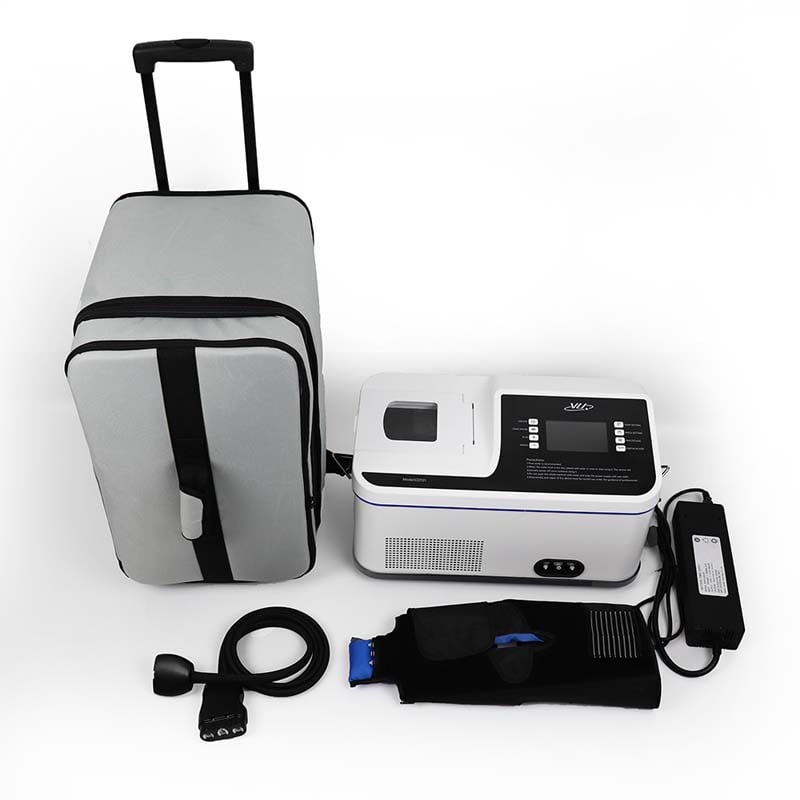
Evaluate the temperature range capabilities of different hot & cold therapy machine models to ensure they meet your therapeutic requirements. Effective cold therapy typically requires temperatures between 35-50 degrees Fahrenheit, while heat therapy ranges from 100-115 degrees Fahrenheit for most applications. Machines with broader temperature ranges provide greater treatment flexibility and accommodate various therapeutic protocols.
Consider the speed of temperature adjustment and recovery when evaluating control systems. Quality machines should reach target temperatures quickly and maintain stability during treatment sessions, even when switching between hot and cold applications. Rapid temperature cycling capabilities enable effective contrast therapy protocols that maximize therapeutic benefits through controlled temperature alternation.
Treatment Pad Design and Versatility
Treatment pad design significantly impacts the effectiveness and comfort of your therapy sessions, making this a crucial evaluation criterion. Flexible pads that conform to body contours provide better thermal contact and more uniform temperature distribution compared to rigid designs. Look for pads with adequate coverage area for your target treatment zones while remaining comfortable during extended therapy sessions.
Assess the pad attachment systems and their compatibility with different body positions during treatment. Adjustable straps, Velcro closures, or elastic wraps should provide secure positioning without restricting circulation or causing discomfort. Multiple pad sizes or interchangeable pad options increase the versatility of your hot & cold therapy machine for treating different body areas effectively.
Evaluate pad durability and replacement options, as treatment pads experience regular wear from repeated use and cleaning. Quality pads should maintain their flexibility and thermal properties over extended periods, while replacement parts should be readily available and reasonably priced. Some manufacturers offer lifetime pad warranties or discounted replacement programs that provide long-term value.
Safety Features and User Protection
Automatic Safety Controls and Monitoring
Comprehensive safety systems protect users from temperature-related injuries and equipment malfunctions during home therapy sessions. Automatic temperature monitoring with shutdown capabilities prevents dangerous overheating or overcooling that could cause tissue damage. Look for machines equipped with multiple temperature sensors that continuously monitor both unit operation and pad surface temperatures throughout treatment sessions.
Timer controls with automatic shutoff functions prevent accidental extended treatments that could cause adverse effects. Quality hot & cold therapy machines include preset treatment protocols with appropriate duration limits for different therapy types. Manual override capabilities should require deliberate user action to extend treatments beyond recommended timeframes, preventing accidental prolonged exposure.
Fault detection systems identify potential equipment problems before they affect treatment safety or effectiveness. Advanced machines monitor pump operation, fluid circulation, temperature sensor function, and electrical systems to detect abnormalities that could compromise performance. Clear error codes and diagnostic displays help users understand system status and identify when professional service may be required.
User Interface and Operation Simplicity
Intuitive controls and clear displays ensure safe operation even when users experience pain or mobility limitations that might affect their ability to operate complex equipment. Large, clearly labeled buttons and high-contrast displays improve usability for individuals with visual impairments or reduced dexterity. Simple operation procedures reduce the likelihood of user errors that could affect treatment safety or effectiveness.
Programmable treatment protocols allow users to save preferred settings for consistent therapy sessions without requiring complex adjustments each time. Memory functions that store multiple user profiles enable family members or caregivers to access appropriate settings quickly and safely. Pre-programmed medical protocols based on common conditions provide starting points for users who may not have specific therapy recommendations.
Emergency stop functions and easily accessible power controls enable immediate treatment termination if discomfort or safety concerns arise during therapy sessions. These controls should remain accessible even when treatment pads are properly positioned, ensuring users can quickly respond to any problems without struggling to reach control interfaces.
Practical Considerations for Home Use
Size, Portability, and Storage Requirements
Home use applications require careful consideration of equipment size and storage requirements, as most households have limited space for medical equipment. Compact designs that fit easily on bedside tables or in bedroom closets provide convenient access while minimizing space consumption. Portable units allow treatment flexibility in different locations throughout the home, accommodating various therapy positions and user preferences.
Weight considerations affect both portability and setup convenience, particularly for users with mobility limitations or strength restrictions. Lightweight hot & cold therapy machines enable easy relocation between rooms or storage areas without assistance. Built-in carrying handles or wheeled bases enhance mobility for larger units that offer additional features or larger fluid reservoirs.
Storage requirements include both the main unit and associated accessories like treatment pads, power cords, and instruction materials. Integrated storage compartments or accessory organizers keep all components together and readily accessible for therapy sessions. Consider whether your available storage space can accommodate the complete system while maintaining easy access for regular use.
Maintenance and Long-term Operation
Regular maintenance requirements directly impact the long-term cost and convenience of owning a hot & cold therapy machine for home use. Simple maintenance procedures that users can perform independently reduce ongoing costs and ensure consistent performance. Evaluate cleaning requirements for treatment pads, fluid reservoirs, and external surfaces to understand the time investment required for proper equipment care.
Fluid replacement schedules and costs affect ongoing operation expenses, particularly for machines that require specialized coolants or heating fluids. Some advanced systems use water-based solutions that are inexpensive and readily available, while others require proprietary fluids that may be costly or difficult to obtain. Understanding fluid requirements helps calculate total ownership costs beyond the initial purchase price.
Component replacement availability and costs influence the long-term viability of your equipment investment. Commonly replaced items like treatment pads, hoses, and filters should be readily available from the manufacturer or authorized dealers. Warranty coverage for both parts and labor provides protection against unexpected repair costs during the initial ownership period, while extended warranty options may provide additional peace of mind for expensive units.
Budget and Value Considerations
Initial Investment and Feature Comparison
Hot & cold therapy machine pricing varies significantly based on features, build quality, and intended use applications, making budget planning essential for making an appropriate selection. Entry-level machines typically offer basic temperature control and single-pad configurations suitable for simple therapy applications, while advanced units provide multiple temperature zones, programmable protocols, and professional-grade components that justify higher prices.
Compare feature sets against your specific needs to identify the best value proposition rather than simply selecting the lowest or highest priced option. Essential features that directly support your therapeutic goals justify higher investment, while unnecessary advanced features may not provide proportional value for your particular applications. Create a prioritized feature list that guides your budget allocation toward capabilities that matter most for your treatment requirements.
Consider financing options or payment plans that may be available for higher-end machines, particularly if the therapy equipment qualifies for medical expense deductions or insurance reimbursement. Some manufacturers offer direct financing or partner with medical equipment financing companies to make advanced therapy machines more accessible to home users who would benefit from professional-grade capabilities.
Long-term Cost Analysis
Calculate total ownership costs including maintenance, replacement parts, and operating expenses over the expected lifespan of your hot & cold therapy machine. Quality units with higher initial costs often provide better long-term value through reduced maintenance requirements, longer component life, and superior reliability that minimizes repair costs. Energy efficiency considerations affect ongoing electrical costs, particularly for units that operate for extended periods or include energy-intensive heating elements.
Compare the cost of home therapy against alternative treatments like physical therapy visits, massage therapy, or other professional services. Effective home therapy equipment can provide significant cost savings over time while offering greater convenience and scheduling flexibility. Calculate break-even points based on your typical treatment frequency to determine when home equipment investment becomes financially advantageous.
Factor in potential insurance coverage or health savings account eligibility that might offset equipment costs. Many insurance plans cover prescribed medical equipment when recommended by healthcare providers for specific conditions, while health savings accounts allow tax-advantaged purchasing of qualified medical devices. Understanding available financial assistance options helps make advanced therapy equipment more affordable for home use applications.
FAQ
How long do hot & cold therapy machines typically last with regular home use?
Quality hot & cold therapy machines designed for home use typically provide 5-10 years of reliable service with proper maintenance and care. Professional-grade units often last longer due to more robust components and construction, while entry-level machines may require replacement after 3-5 years of regular use. The lifespan depends significantly on usage frequency, maintenance adherence, and build quality of the specific model chosen.
Can multiple family members safely use the same hot & cold therapy machine?
Yes, multiple family members can safely share a hot & cold therapy machine provided each user follows appropriate hygiene protocols and uses individual treatment pads or properly sanitizes shared pads between uses. Many machines include multiple user memory settings that store preferred temperatures and treatment durations for different family members, making shared use convenient and safe when proper precautions are maintained.
What maintenance is required to keep a hot & cold therapy machine working properly?
Regular maintenance typically includes cleaning treatment pads after each use, replacing fluids according to manufacturer schedules, and performing periodic system flushes to prevent mineral buildup or contamination. Most machines require simple weekly cleaning of external surfaces and monthly inspection of hoses and connections for wear or damage. Following the manufacturer's maintenance schedule ensures optimal performance and extends equipment lifespan significantly.
Are expensive hot & cold therapy machines significantly better than budget options?
Higher-priced hot & cold therapy machines typically offer superior temperature control accuracy, more durable components, enhanced safety features, and better user interfaces compared to budget alternatives. However, the best choice depends on your specific therapeutic needs and usage requirements rather than price alone. Budget machines can be effective for simple applications, while complex treatment protocols or frequent use may justify investment in advanced features and build quality.
Table of Contents
- Understanding Your Therapeutic Requirements
- Evaluating Machine Features and Capabilities
- Safety Features and User Protection
- Practical Considerations for Home Use
- Budget and Value Considerations
-
FAQ
- How long do hot & cold therapy machines typically last with regular home use?
- Can multiple family members safely use the same hot & cold therapy machine?
- What maintenance is required to keep a hot & cold therapy machine working properly?
- Are expensive hot & cold therapy machines significantly better than budget options?