 EN
EN

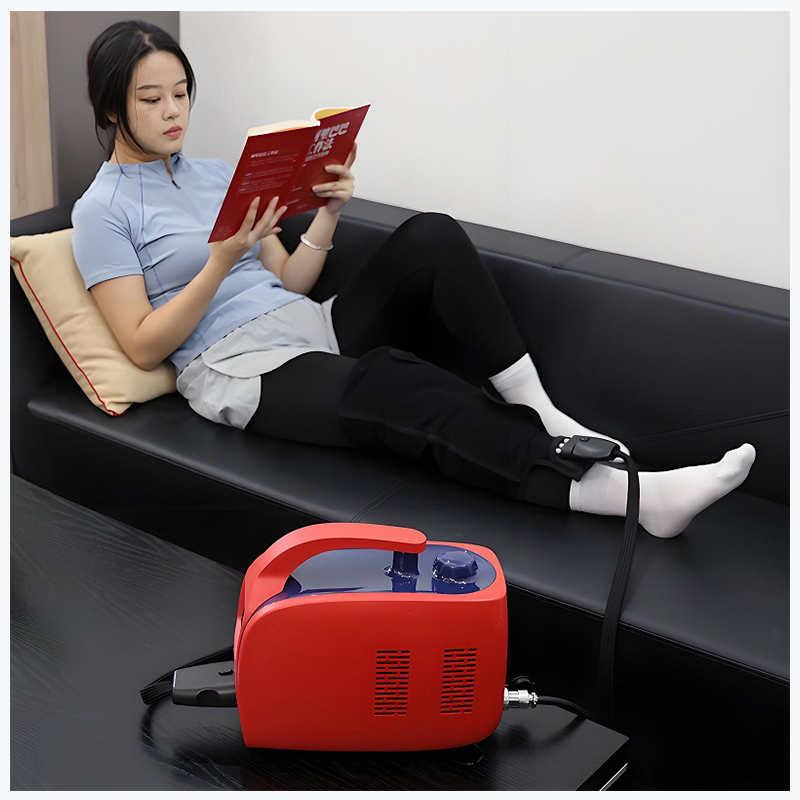
Knee surgery recovery requires careful attention to pain management and inflammation control, making the selection of an appropriate ice machine for knee surgery a critical decision for optimal healing outcomes. The right cold therapy device can significantly reduce post-operative swelling, minimize pain levels, and accelerate the rehabilitation process when chosen based on specific recovery needs and individual circumstances.
Understanding the key factors that determine the effectiveness of an ice machine for knee surgery ensures that patients make informed decisions that support their unique recovery timeline and lifestyle requirements. Modern cold therapy systems offer varying features, capabilities, and therapeutic benefits that must be evaluated against specific post-surgical needs, mobility limitations, and long-term rehabilitation goals.
Understanding Cold Therapy Requirements for Post-Surgical Recovery
Therapeutic Temperature Range and Duration Needs
The effectiveness of an ice machine for knee surgery depends heavily on its ability to maintain consistent therapeutic temperatures between 35-50 degrees Fahrenheit throughout extended treatment sessions. Post-operative protocols typically require continuous cold therapy for 10-20 minutes every 2-3 hours during the initial recovery phase, necessitating a device that can deliver reliable temperature control without causing tissue damage or frostbite.
Professional-grade ice machines for knee surgery incorporate temperature regulation mechanisms that prevent excessive cooling while ensuring adequate therapeutic benefit. The ideal system maintains steady cold delivery throughout the prescribed treatment duration, allowing patients to follow their surgeon's specific cryotherapy recommendations without constant monitoring or adjustment of ice levels.
Duration requirements vary significantly based on surgical complexity, patient pain tolerance, and inflammation severity, making adjustable treatment timers an essential feature in quality cold therapy systems. The selected ice machine for knee surgery should accommodate both short-term acute pain management sessions and extended therapeutic applications as prescribed by healthcare providers.
Compression Integration and Therapeutic Benefits
Modern ice machines for knee surgery often incorporate compression therapy alongside cold application, creating a combined treatment approach that enhances circulation control and reduces swelling more effectively than cold therapy alone. The compression component helps maintain consistent contact between the cooling pad and the surgical site while providing gentle pressure that supports proper blood flow regulation.
Compression settings should be adjustable to accommodate varying levels of post-operative sensitivity and swelling patterns throughout the recovery process. An effective ice machine for knee surgery provides graduated compression options that can be modified as healing progresses and inflammation subsides.
The integration of compression with cold therapy creates a synergistic effect that promotes faster healing by controlling edema formation and maintaining optimal tissue temperature for pain relief. This combination approach reduces the risk of complications while maximizing the therapeutic benefits of both treatment modalities during critical recovery periods.
Evaluating Device Features and Functionality
Portability and Mobility Considerations
Post-surgical mobility limitations make portability a crucial factor when selecting an ice machine for knee surgery, as patients need access to consistent cold therapy while moving between different locations within their home or during follow-up appointments. Lightweight, compact designs with secure carrying cases enable continued treatment adherence without compromising recovery protocols or creating additional physical strain.
Battery-powered options provide independence from electrical outlets, allowing patients to maintain therapeutic schedules during travel, outdoor activities, or situations where power access is limited. The ideal ice machine for knee surgery balances portability with performance, ensuring that mobility features do not compromise cooling capacity or treatment effectiveness.
Ergonomic design elements such as easy-grip handles, intuitive control placement, and minimal setup requirements reduce the physical demands of operating the device while recovering from surgery. These practical considerations become increasingly important for patients with limited mobility or those managing pain that affects their ability to manipulate complex equipment.
Pad Design and Anatomical Fit
The cooling pad configuration significantly impacts treatment effectiveness, making anatomical compatibility a primary consideration when choosing an ice machine for knee surgery. Properly designed pads conform to the natural contours of the knee joint, ensuring complete coverage of the surgical area while maintaining comfortable positioning during extended treatment sessions.
Adjustable strapping systems accommodate varying leg sizes and swelling patterns while securing the cooling pad in optimal position without creating pressure points or circulation restrictions. Quality ice machines for knee surgery include multiple pad sizes or adjustable configurations that adapt to different patient anatomies and recovery stages.
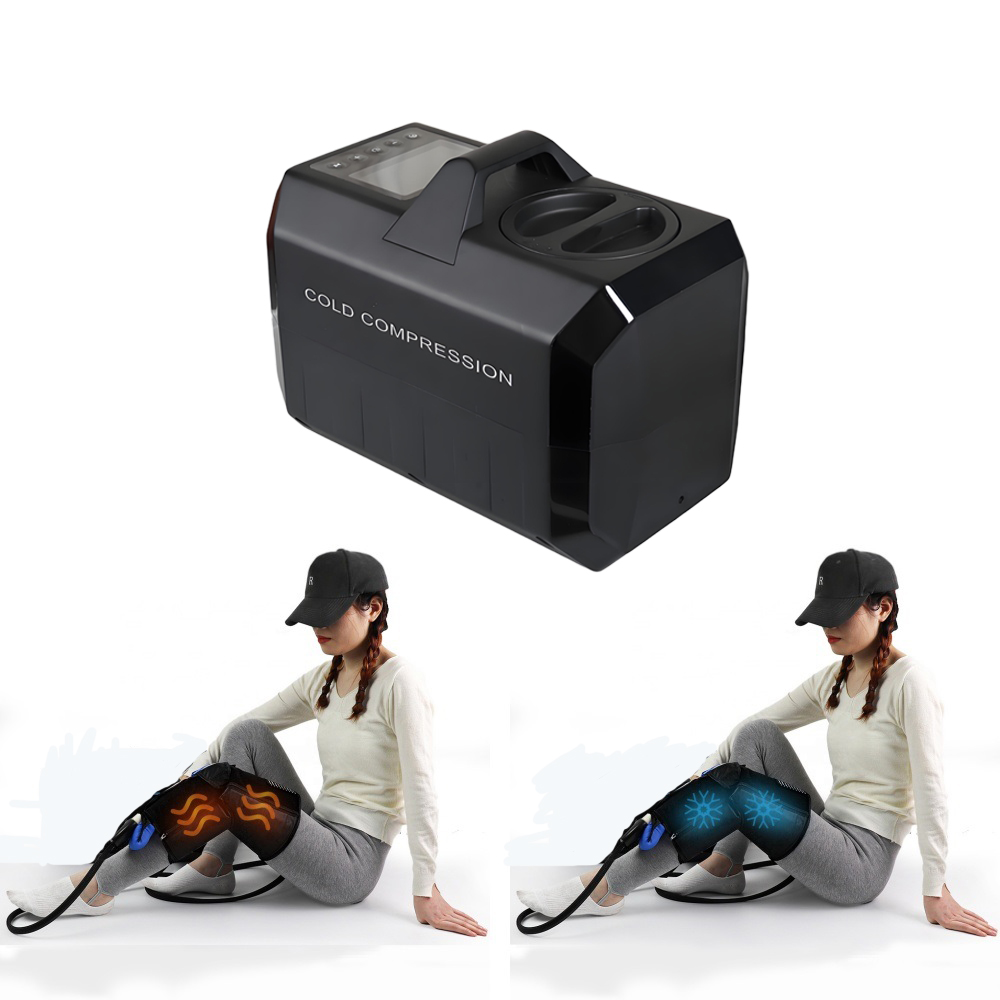
Material selection for cooling pads affects both comfort and thermal transfer efficiency, with medical-grade fabrics providing appropriate insulation properties while remaining soft against sensitive post-operative skin. The pad design should facilitate easy cleaning and maintenance to prevent infection risks during the recovery period when immune function may be compromised.
Power Source and Operating Requirements
Electrical vs Battery-Powered Systems
Electrical ice machines for knee surgery typically provide consistent power output and unlimited operating duration, making them suitable for patients with reliable access to power sources and primarily stationary recovery environments. These systems often feature more powerful cooling mechanisms and advanced temperature control capabilities compared to battery-operated alternatives.
Battery-powered units offer greater flexibility for active recovery approaches but require careful consideration of battery life, charging requirements, and performance consistency throughout the discharge cycle. The selected ice machine for knee surgery should provide adequate battery duration to complete prescribed treatment sessions without interruption or performance degradation.
Hybrid systems that operate on both electrical and battery power provide optimal versatility, allowing patients to maintain treatment schedules regardless of power availability or mobility requirements. These systems typically include rapid charging capabilities and battery level indicators to prevent unexpected treatment interruptions.
Maintenance and Reliability Factors
Regular maintenance requirements directly impact the long-term effectiveness and hygiene standards of an ice machine for knee surgery, making ease of cleaning and component replacement important selection criteria. Systems with removable, washable components reduce infection risks and ensure consistent performance throughout extended recovery periods.
Reliability becomes critical during post-operative recovery when consistent cold therapy access directly affects pain management and healing outcomes. Quality ice machines for knee surgery incorporate robust construction materials and proven mechanical designs that minimize the risk of malfunction during critical recovery phases.
Warranty coverage and technical support availability provide additional assurance for patients investing in recovery equipment, particularly for systems used during extended rehabilitation periods or for chronic condition management. Comprehensive support services ensure continued access to effective cold therapy throughout the healing process.
Cost-Effectiveness and Value Assessment
Initial Investment vs Long-Term Benefits
The upfront cost of a quality ice machine for knee surgery represents a significant investment that must be evaluated against potential long-term savings in pain medication, reduced complications, and faster return to normal activities. Professional-grade cold therapy systems often provide superior therapeutic outcomes that justify higher initial costs through improved recovery experiences and reduced overall medical expenses.
Rental options may provide cost-effective access to high-quality ice machines for knee surgery when recovery periods are well-defined and equipment needs are temporary. However, patients with ongoing rehabilitation requirements or chronic conditions may find purchase options more economical over extended treatment periods.
Insurance coverage varies significantly for cold therapy equipment, making it essential to verify reimbursement eligibility and documentation requirements before selecting an ice machine for knee surgery. Pre-authorization processes and medical necessity documentation can affect both coverage approval and out-of-pocket expenses for patients.
Performance Quality vs Budget Constraints
Budget-conscious patients must balance cost limitations with therapeutic effectiveness when selecting an ice machine for knee surgery, ensuring that essential features are not compromised in favor of lower prices. Basic systems may provide adequate cold therapy for straightforward recovery scenarios while lacking advanced features beneficial for complex surgical procedures.
Premium ice machines for knee surgery typically offer enhanced temperature control, superior pad designs, and additional therapeutic features that may significantly improve recovery outcomes for patients with extensive surgical procedures or complications. The investment in advanced features should be evaluated against individual recovery complexity and pain management requirements.
Mid-range options often provide optimal value by incorporating essential therapeutic features while maintaining reasonable costs for most post-surgical recovery scenarios. These systems typically include reliable temperature control, comfortable pad designs, and adequate portability without premium features that may not be necessary for standard recovery protocols.
FAQ
How long should I use an ice machine for knee surgery each day?
Most surgeons recommend using an ice machine for knee surgery for 10-20 minutes every 2-3 hours during the first week after surgery, with usage gradually decreasing as swelling subsides. Follow your specific post-operative instructions, as treatment schedules may vary based on surgical complexity and individual healing responses.
Can I use a regular ice pack instead of a specialized ice machine for knee surgery?
While traditional ice packs provide basic cold therapy, specialized ice machines for knee surgery offer superior temperature control, consistent cooling, and often include beneficial compression therapy that enhances recovery outcomes. Professional cold therapy systems also reduce the risk of frostbite and provide more convenient, hands-free operation during extended treatment sessions.
What temperature should an ice machine for knee surgery maintain?
Therapeutic ice machines for knee surgery should maintain temperatures between 35-50 degrees Fahrenheit to provide effective pain relief and inflammation reduction without risking tissue damage. Quality systems include temperature controls and safety features to prevent excessive cooling that could harm sensitive post-operative skin.
How do I know if my ice machine for knee surgery is working effectively?
Effective ice machines for knee surgery should provide noticeable pain relief and swelling reduction within 15-20 minutes of application, maintain consistent cool temperatures throughout treatment sessions, and operate quietly without causing skin irritation or excessive discomfort. Monitor your pain levels and consult your healthcare provider if cold therapy seems ineffective or causes unexpected reactions.