 EN
EN

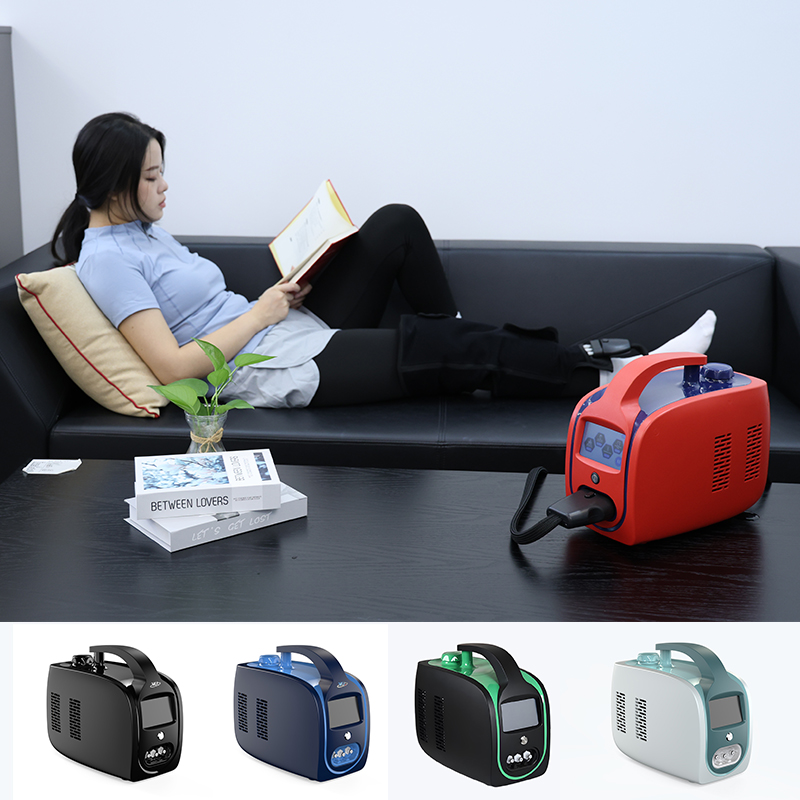
Post-surgical recovery presents numerous challenges for patients, with pain management and inflammation control being primary concerns that can significantly impact healing outcomes. An ice therapy machine provides a controlled, consistent approach to therapeutic cooling that addresses these critical recovery factors more effectively than traditional ice packs or manual cooling methods. Understanding how these medical devices function and integrate into post-operative care protocols reveals their substantial benefits for surgical patients seeking optimal recovery experiences.
The mechanism by which an ice therapy machine facilitates post-surgery recovery involves precise temperature regulation, continuous cooling delivery, and targeted therapeutic application to surgical sites. These sophisticated devices maintain optimal cooling temperatures between 35-50 degrees Fahrenheit while delivering consistent therapeutic benefits that promote tissue healing, reduce metabolic demands on damaged cells, and accelerate the overall recovery process. Medical professionals increasingly recognize the advantages of mechanical cooling systems over conventional ice application methods for post-operative patient care.
Physiological Mechanisms of Ice Therapy in Post-Surgical Healing
Vascular Response and Inflammation Control
The primary mechanism by which an ice therapy machine aids recovery involves vasoconstriction, which reduces blood flow to the surgical site and minimizes inflammatory responses that can impede healing. When applied consistently through a mechanical cooling system, therapeutic temperatures cause blood vessels to constrict, reducing the delivery of inflammatory mediators to tissues surrounding the surgical area. This controlled vascular response helps prevent excessive swelling that can cause additional tissue damage and prolong recovery times.
Temperature-controlled cooling through an ice therapy machine also influences cellular metabolism at the surgical site, reducing the oxygen demand of damaged tissues and preventing secondary injury from cellular hypoxia. The precise temperature regulation achievable with mechanical cooling systems ensures optimal therapeutic benefits without risking tissue damage from excessive cold exposure. This controlled approach to inflammation management represents a significant advancement over traditional ice pack methods that lack consistent temperature control.
Research demonstrates that systematic cooling therapy reduces pro-inflammatory cytokine production and limits the cascade of inflammatory responses that typically follow surgical trauma. An ice therapy machine delivers this anti-inflammatory effect through sustained, controlled cooling that maintains therapeutic temperatures for extended periods, maximizing the physiological benefits of cryotherapy during critical early recovery phases.
Pain Reduction Through Neurological Pathways
The neurological basis for pain reduction through mechanical cooling involves the gate control theory, where cold sensation transmitted through large-diameter nerve fibers effectively blocks pain signals from smaller pain-conducting fibers. An ice therapy machine provides consistent sensory input that overwhelms pain pathways, creating significant analgesic effects that reduce the need for pharmaceutical pain management interventions during post-surgical recovery.
Controlled cooling temperatures achieved through mechanical systems also slow nerve conduction velocity, reducing the intensity and frequency of pain signals transmitted from surgical sites to the central nervous system. This neurological dampening effect provides sustained pain relief that allows patients to engage more effectively in rehabilitation activities and experience improved sleep quality during recovery periods.
The consistent temperature delivery capabilities of an ice therapy machine ensure optimal nerve response modification throughout treatment sessions, unlike traditional ice applications that experience temperature fluctuations and uneven cooling distribution. This reliability in therapeutic cooling translates to more predictable and effective pain management outcomes for post-surgical patients.
Clinical Applications and Treatment Protocols
Orthopedic Surgery Recovery Applications
Orthopedic procedures benefit significantly from ice therapy machine applications, particularly following joint replacement surgeries, arthroscopic procedures, and sports medicine interventions where tissue trauma and inflammation present major recovery obstacles. The controlled cooling provided by these devices reduces joint effusion, minimizes muscle spasms, and accelerates the resolution of surgical edema that commonly complicates orthopedic recovery processes.
Post-operative protocols for orthopedic patients typically incorporate an ice therapy machine during the first 48-72 hours following surgery, when inflammatory responses peak and pain management challenges are most significant. The ability to maintain consistent therapeutic temperatures throughout this critical period provides superior outcomes compared to intermittent ice pack applications that cannot achieve the same level of temperature control or treatment consistency.
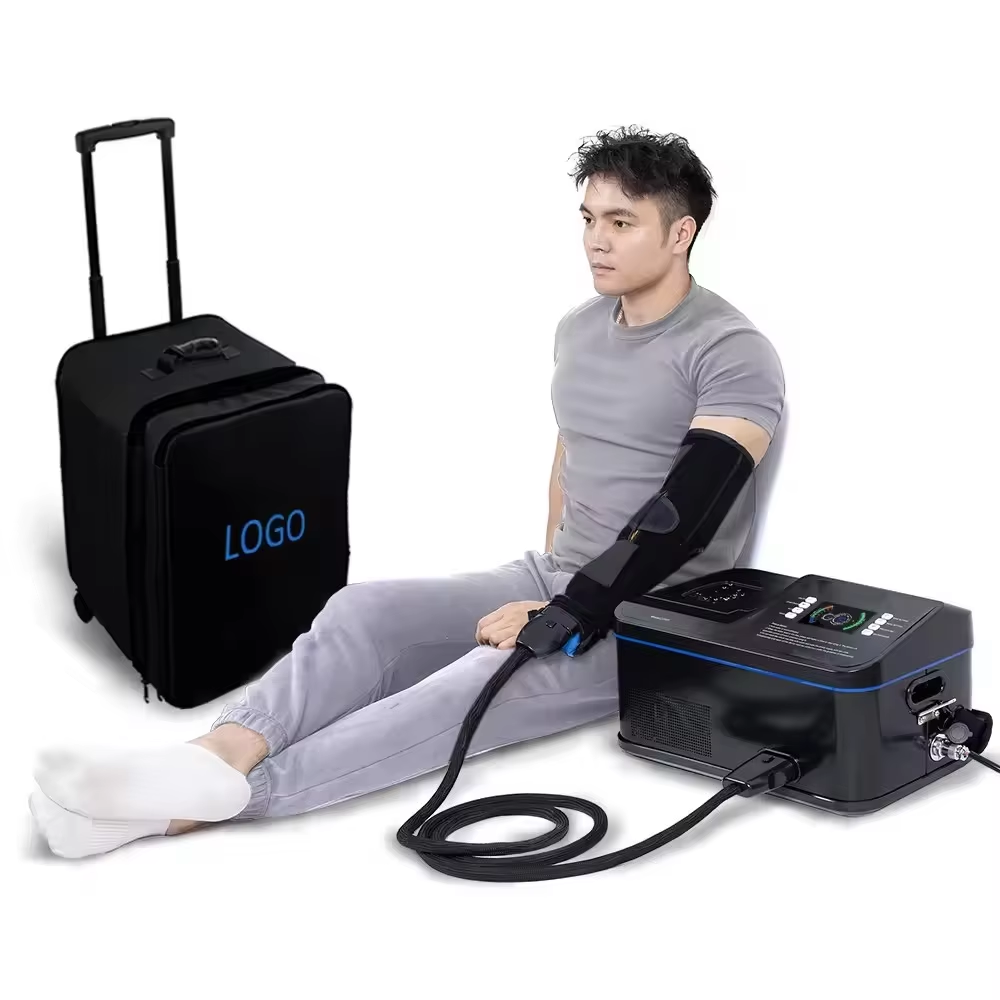
Clinical studies demonstrate that patients using mechanical cooling systems for orthopedic recovery experience reduced rehabilitation timelines, decreased opioid requirements, and improved functional outcomes compared to those relying on traditional cooling methods. The precise temperature regulation and sustained cooling capabilities of these devices optimize the therapeutic window for cryotherapy benefits in orthopedic applications.
Soft Tissue Surgery Integration
Soft tissue surgical procedures, including plastic surgery, general surgery, and dermatological interventions, benefit from the controlled cooling environment provided by an ice therapy machine through enhanced wound healing dynamics and reduced complication rates. The consistent temperature regulation helps maintain optimal conditions for cellular repair processes while preventing the temperature fluctuations that can disrupt healing progression.
Integration of mechanical cooling therapy into soft tissue surgery recovery protocols addresses specific challenges related to tissue perfusion, collagen synthesis, and scar formation that influence long-term surgical outcomes. The controlled cooling environment reduces metabolic demands on healing tissues while supporting optimal blood flow patterns that promote effective nutrient delivery and waste removal from surgical sites.
Healthcare providers implementing ice therapy machine protocols for soft tissue surgery report improved patient satisfaction scores, reduced post-operative complications, and enhanced aesthetic outcomes in procedures where appearance and functional recovery are primary concerns. The precision cooling capabilities enable customized treatment approaches that address specific surgical site requirements and patient comfort preferences.
Technological Advantages Over Traditional Cooling Methods
Temperature Consistency and Control Systems
The fundamental advantage of an ice therapy machine lies in its ability to maintain precise temperature control throughout extended treatment periods, eliminating the temperature variability and inconsistent cooling effects associated with traditional ice pack applications. Advanced temperature regulation systems monitor and adjust cooling output to maintain optimal therapeutic ranges, ensuring patients receive consistent benefits throughout recovery sessions.
Digital temperature controls integrated into modern ice therapy machine designs allow healthcare providers to customize cooling protocols based on specific surgical procedures, patient tolerance levels, and recovery phase requirements. This level of precision enables optimized treatment approaches that maximize therapeutic benefits while minimizing risks of overcooling or inadequate temperature delivery that can occur with manual cooling methods.
The automated temperature monitoring capabilities of mechanical cooling systems provide continuous feedback regarding treatment effectiveness, allowing for real-time adjustments that optimize recovery outcomes. This technological sophistication represents a significant advancement over traditional cooling approaches that rely on subjective temperature assessment and manual temperature management techniques.
Delivery System Efficiency and Patient Comfort
Circulation pump technology integrated into an ice therapy machine ensures even temperature distribution across treatment areas, eliminating the hot spots and cold zones commonly experienced with static ice pack applications. The continuous circulation of cooling medium through specialized pad systems provides uniform therapeutic cooling that addresses entire surgical sites rather than isolated areas.
Ergonomic design features of modern mechanical cooling systems enhance patient comfort during extended treatment sessions, incorporating flexible pad configurations that conform to surgical site anatomy and adjustable cooling intensity settings that accommodate individual tolerance levels. These comfort-focused design elements encourage patient compliance with prescribed cooling protocols, improving overall recovery outcomes.
The hands-free operation capabilities of an ice therapy machine allow patients to receive continuous cooling therapy while engaging in other recovery activities, including rest, gentle movement, or rehabilitation exercises. This operational convenience represents a significant quality-of-life improvement over traditional ice pack methods that require constant attention and frequent replacement cycles.
Recovery Timeline Enhancement and Clinical Outcomes
Acute Phase Recovery Acceleration
The acute post-surgical phase, typically encompassing the first 48-72 hours following procedures, represents the critical window where an ice therapy machine provides maximum therapeutic benefit through aggressive inflammation control and pain management support. During this period, the consistent cooling delivery helps prevent the inflammatory cascade from overwhelming natural healing responses while maintaining patient comfort levels that support rest and early mobilization efforts.
Clinical outcome measurements demonstrate that patients utilizing mechanical cooling systems during acute recovery phases experience reduced hospital length-of-stay requirements, decreased complications related to excessive swelling, and improved pain scores compared to control groups using traditional cooling methods. The precise temperature control capabilities of these devices optimize the therapeutic benefits of cryotherapy during the most critical recovery period.
Integration of an ice therapy machine into acute recovery protocols enables healthcare teams to provide consistent, evidence-based cooling therapy that supports optimal healing conditions while reducing the workload associated with manual ice pack management and replacement. This efficiency improvement allows medical staff to focus on other critical aspects of post-operative care while ensuring patients receive optimal cooling therapy benefits.
Long-term Recovery Benefits and Rehabilitation Support
Extended recovery phases benefit from the controlled cooling capabilities of mechanical systems through enhanced tissue remodeling support and reduced chronic inflammation that can impede long-term healing outcomes. The precision temperature control enables graduated cooling protocols that adapt to changing recovery needs as surgical sites progress through different healing phases.
Rehabilitation integration represents a significant advantage of ice therapy machine systems, as the consistent cooling support enables earlier initiation of physical therapy activities and improved exercise tolerance during recovery periods. The reliable pain management and inflammation control provided by these devices create optimal conditions for therapeutic exercise participation and functional recovery progression.
Long-term outcome studies indicate that patients incorporating mechanical cooling therapy into comprehensive recovery programs achieve better functional endpoints, reduced chronic pain incidence, and improved satisfaction with surgical results compared to those using conventional recovery approaches. The sustained therapeutic benefits of controlled cooling therapy contribute to enhanced quality of life outcomes following surgical interventions.
FAQ
How long should an ice therapy machine be used after surgery?
Typical usage protocols for an ice therapy machine recommend continuous or intermittent application during the first 48-72 hours post-surgery, with treatment sessions lasting 20-30 minutes followed by rest periods. After the acute phase, usage may continue for 1-2 weeks with reduced frequency based on surgeon recommendations and patient recovery progress. The specific duration depends on the surgical procedure type, patient healing response, and individual comfort tolerance levels.
Are there any risks associated with using an ice therapy machine post-surgery?
When used according to manufacturer guidelines and medical supervision, ice therapy machines present minimal risks for post-surgical patients. Potential concerns include skin irritation from prolonged contact, overcooling if temperature controls malfunction, or reduced sensation that could mask complications. Patients with circulation disorders, neuropathy, or cold sensitivity should discuss usage with their healthcare providers before implementing cooling therapy protocols.
Can an ice therapy machine be used for all types of surgical procedures?
Ice therapy machines are suitable for most surgical procedures where inflammation control and pain management provide recovery benefits, including orthopedic, plastic, general, and sports medicine surgeries. However, certain procedures involving compromised circulation, skin grafts, or specific medical conditions may require modified protocols or alternative approaches. Surgeon evaluation determines the appropriateness of cooling therapy based on individual surgical and medical factors.
How does an ice therapy machine compare to oral pain medications for post-surgery recovery?
An ice therapy machine provides localized, non-pharmacological pain relief that complements rather than replaces oral pain medications, often allowing for reduced pharmaceutical dosages and associated side effects. The cooling therapy addresses pain through different mechanisms than oral medications, providing additive benefits when used together. Many patients experience improved overall comfort and reduced reliance on opioid medications when incorporating mechanical cooling therapy into their recovery protocols.
Table of Contents
- Physiological Mechanisms of Ice Therapy in Post-Surgical Healing
- Clinical Applications and Treatment Protocols
- Technological Advantages Over Traditional Cooling Methods
- Recovery Timeline Enhancement and Clinical Outcomes
-
FAQ
- How long should an ice therapy machine be used after surgery?
- Are there any risks associated with using an ice therapy machine post-surgery?
- Can an ice therapy machine be used for all types of surgical procedures?
- How does an ice therapy machine compare to oral pain medications for post-surgery recovery?