 EN
EN

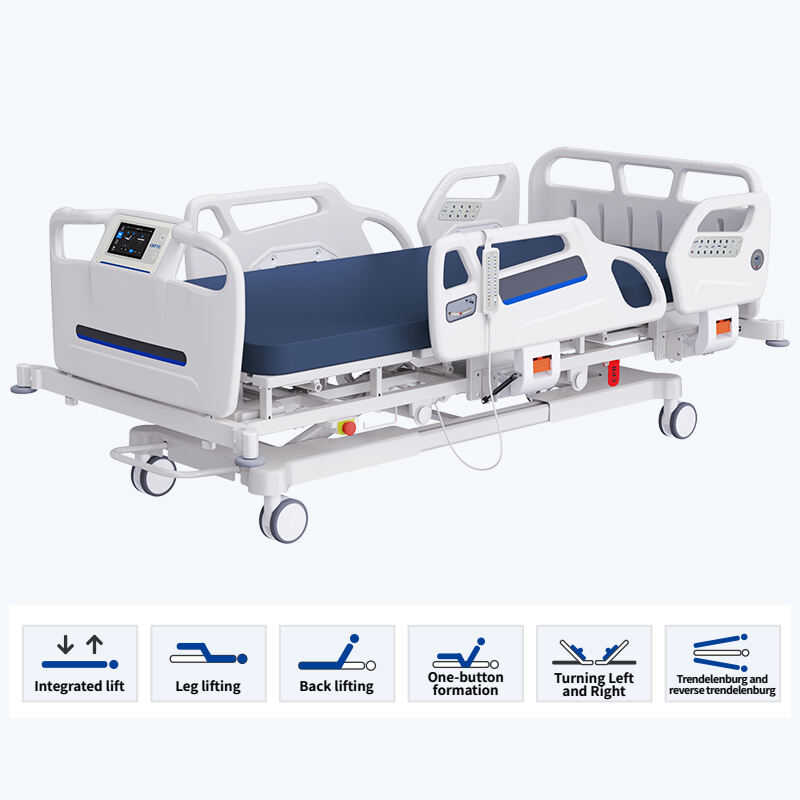
Selecting the appropriate hospital bed for long-term patient care requires careful consideration of multiple factors that directly impact patient comfort, recovery outcomes, and caregiver efficiency. The right hospital bed serves as more than just a sleeping surface; it becomes an essential medical device that supports healing, prevents complications, and enhances quality of life during extended healthcare stays. Healthcare facilities, home care providers, and families must evaluate specific patient needs, safety features, and operational requirements to make informed decisions that promote optimal patient outcomes.
Modern hospital bed technology has evolved significantly to address the complex needs of patients requiring extended medical care. Advanced positioning capabilities, pressure redistribution systems, and integrated monitoring features work together to create therapeutic environments that support healing while minimizing the risk of secondary complications. Understanding these technological advancements and their clinical benefits enables healthcare decision-makers to select hospital bed solutions that align with specific patient populations and care protocols.
Understanding Hospital Bed Types and Classifications
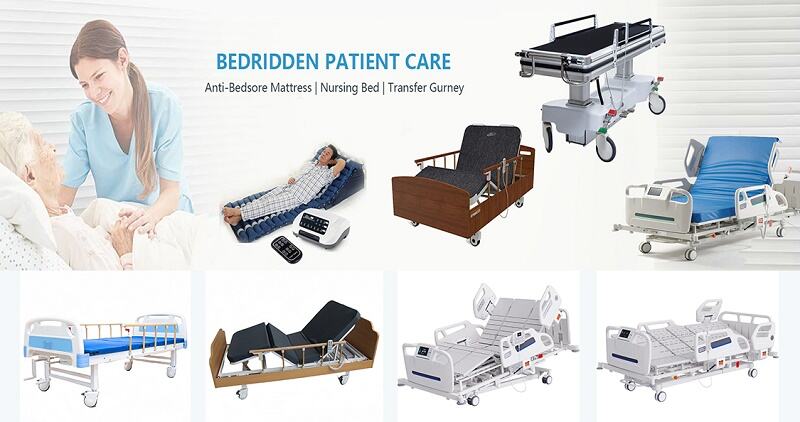
Manual Hospital Bed Systems
Manual hospital bed models provide basic positioning functionality through hand-crank mechanisms that allow caregivers to adjust head and foot sections as needed. These cost-effective solutions work well for patients with limited mobility requirements and facilities with budget constraints. The mechanical reliability of manual hospital bed systems makes them suitable for long-term care environments where frequent adjustments are not necessary, though they require more physical effort from caregivers to operate effectively.
The simplicity of manual hospital bed designs translates into lower maintenance requirements and reduced risk of electrical failures that could compromise patient safety. Healthcare facilities often choose these models for general ward applications where patients maintain some independence and do not require frequent position changes throughout their stay. However, the physical demands on nursing staff and the limited positioning options may not adequately support patients with complex medical conditions requiring precise positioning for therapeutic purposes.
Semi-Electric Hospital Bed Features
Semi-electric hospital bed models combine electric head and foot adjustment mechanisms with manual height control, offering a balance between functionality and cost-effectiveness for long-term patient care. These hybrid systems reduce caregiver strain while maintaining manual override capabilities for height adjustments during transfers and medical procedures. The electric positioning features enable patients to independently adjust their comfort levels, promoting autonomy and reducing call light usage in healthcare facilities.
The reliability of semi-electric hospital bed systems makes them popular choices for rehabilitation facilities and long-term care settings where patients benefit from independent positioning control. Battery backup systems ensure continued operation during power outages, maintaining patient safety and comfort even during facility emergencies. The combination of electric and manual controls provides flexibility for different care scenarios while keeping initial investment costs manageable for healthcare organizations with limited capital budgets.
Full-Electric Hospital Bed Advantages
Full-electric hospital bed systems provide comprehensive motorized control over all positioning functions, including head elevation, foot adjustment, and overall bed height modification. These advanced systems significantly reduce physical strain on caregivers while offering patients maximum independence in positioning control through user-friendly hand pendant interfaces. The precision of electric motors enables exact positioning adjustments that support specific therapeutic protocols and enhance patient comfort during extended stays.
The ergonomic benefits of full-electric hospital bed operation extend beyond patient comfort to include significant improvements in caregiver safety and efficiency. Motorized height adjustment reduces the risk of back injuries among nursing staff while facilitating proper body mechanics during patient care activities. Advanced models incorporate memory settings that automatically return the hospital bed to preset positions, streamlining care protocols and ensuring consistent therapeutic positioning for patients with specific medical requirements.
Essential Safety Features for Long-Term Care
Side Rail Configurations and Lock Mechanisms
Proper side rail design and functionality play crucial roles in preventing patient falls while maintaining accessibility for caregivers and emergency responders. Modern hospital bed safety rails incorporate quick-release mechanisms that allow rapid lowering during medical emergencies while maintaining secure locking positions during routine care. The height and spacing of side rails must comply with safety standards to prevent entrapment while providing adequate fall protection for patients with varying mobility levels and cognitive abilities.
Split rail configurations offer enhanced flexibility for patient access while maintaining safety barriers where needed most. Healthcare facilities must evaluate patient populations and care protocols to determine appropriate side rail configurations that balance safety requirements with functional accessibility. Regular inspection and maintenance of rail mechanisms ensure reliable operation throughout the extended service life expected from quality hospital bed investments in long-term care environments.
Brake Systems and Mobility Control
Reliable brake systems prevent unwanted hospital bed movement during patient transfers and medical procedures, reducing the risk of accidents and ensuring stable positioning for therapeutic interventions. Central brake controls allow caregivers to quickly secure all wheels simultaneously, while individual wheel locks provide flexibility for precise positioning adjustments. The design of brake pedals must accommodate different footwear types and provide clear visual indicators of engagement status to prevent accidental release during patient care activities.
Advanced hospital bed mobility systems incorporate directional locking mechanisms that allow controlled movement in specific directions while preventing unwanted lateral drift. These features prove particularly valuable in shared patient rooms where space constraints require precise bed positioning to maintain adequate access for multiple patients. The durability of brake components directly impacts long-term operational costs and patient safety, making quality construction a critical consideration for facilities managing large hospital bed inventories.
Comfort and Therapeutic Positioning Options
Pressure Redistribution and Support Surfaces
Effective pressure management through specialized support surfaces significantly reduces the risk of pressure ulcer development in patients requiring extended bed rest periods. Hospital bed mattress systems must provide appropriate pressure redistribution while maintaining the stability needed for safe patient transfers and medical procedures. Advanced foam compositions, gel overlays, and alternating pressure systems offer different approaches to pressure relief based on specific patient risk factors and mobility limitations.
The integration of support surface technology with hospital bed positioning capabilities creates comprehensive pressure management solutions that adapt to patient needs throughout their care journey. Therapeutic mattress systems work in conjunction with bed positioning to optimize tissue perfusion and minimize pressure points during extended periods of immobility. Healthcare facilities must consider the total cost of ownership when evaluating support surface options, including maintenance requirements and replacement intervals for different mattress technologies.
Trendelenburg and Reverse Trendelenburg Positioning
Trendelenburg positioning capabilities enable healthcare providers to elevate patient legs above heart level for specific therapeutic interventions and emergency procedures. Modern hospital bed systems incorporate precise angle controls that allow gradual position changes while maintaining patient comfort and safety throughout the adjustment process. These positioning options prove essential for managing circulation issues, reducing edema, and supporting various medical procedures that require specific patient orientations.
Reverse Trendelenburg positioning supports respiratory function and reduces gastroesophageal reflux in patients with specific medical conditions requiring head elevation beyond standard backrest capabilities. The combination of traditional head elevation with overall bed angle adjustment provides healthcare providers with comprehensive positioning tools that address complex patient needs. Hospital bed systems must maintain structural integrity and motor reliability when operating at various angles while supporting patient weights within specified load limits.
Technology Integration and Monitoring Capabilities
Electronic Health Record Integration
Modern hospital bed systems increasingly incorporate connectivity features that integrate with electronic health record platforms to automatically document patient positioning and bed usage data. This integration reduces documentation burden on nursing staff while providing valuable data for quality improvement initiatives and regulatory compliance reporting. Real-time data collection enables healthcare providers to track positioning frequency and duration to ensure adherence to pressure ulcer prevention protocols and therapeutic positioning requirements.
The ability to remotely monitor hospital bed status and patient activity levels provides valuable insights for care optimization and resource allocation. Integrated sensors can detect patient movement patterns, bed exit attempts, and positioning compliance to support comprehensive care planning efforts. Healthcare facilities benefit from centralized monitoring capabilities that alert staff to potential safety concerns while maintaining detailed records of patient care interventions and outcomes.
Smart Alarm Systems and Patient Monitoring
Intelligent alarm systems integrated into hospital bed platforms provide early warning capabilities for patient safety events while minimizing false alarms that contribute to alarm fatigue among healthcare staff. Weight-based sensors detect patient movement and positioning changes to alert caregivers of potential fall risks or unauthorized bed exits. Customizable alarm parameters allow healthcare providers to tailor monitoring sensitivity based on individual patient assessment and care requirements.
Advanced hospital bed monitoring systems incorporate machine learning algorithms that adapt to patient movement patterns over time, reducing nuisance alarms while maintaining sensitivity to genuine safety concerns. Integration with nurse call systems ensures rapid response to patient needs while providing detailed event logs for quality improvement analysis. The reliability and accuracy of monitoring systems directly impact patient safety outcomes and staff satisfaction in long-term care environments where continuous observation may not be feasible.
Infection Control and Maintenance Considerations
Surface Materials and Cleaning Protocols
Hospital bed surface materials must withstand frequent cleaning and disinfection procedures while maintaining structural integrity and aesthetic appearance throughout extended service periods. Non-porous materials resist bacterial growth and facilitate effective cleaning protocols that comply with infection control standards in healthcare environments. The selection of appropriate surface treatments and coatings directly impacts the ability to maintain hygienic conditions while minimizing wear patterns that could harbor pathogens.
Seamless construction techniques eliminate crevices and joints where infectious agents might accumulate despite regular cleaning efforts. Hospital bed manufacturers increasingly incorporate antimicrobial surface treatments that provide additional protection against bacterial and viral contamination between cleaning cycles. Healthcare facilities must balance the benefits of advanced surface technologies with cost considerations and maintenance requirements to develop comprehensive infection control strategies.
Component Accessibility and Service Requirements
Accessible component design facilitates routine maintenance and repair activities while minimizing downtime that could disrupt patient care operations. Hospital bed systems with modular construction allow replacement of individual components without requiring complete unit removal from service areas. Tool-free access to critical components enables facility maintenance staff to perform routine inspections and minor repairs without specialized training or equipment.
Preventive maintenance programs extend hospital bed service life while ensuring reliable operation throughout demanding healthcare environments. Clear maintenance schedules and documentation systems support regulatory compliance while optimizing equipment performance and safety. The availability of replacement parts and technical support directly impacts total cost of ownership calculations for healthcare facilities managing diverse hospital bed inventories across multiple care units.
Budget Considerations and Total Cost of Ownership
Initial Investment Analysis
Healthcare facilities must evaluate hospital bed purchase decisions within broader capital equipment planning frameworks that consider patient census projections, care complexity levels, and operational efficiency goals. Initial costs vary significantly between manual, semi-electric, and full-electric hospital bed models, with advanced features and specialized capabilities commanding premium pricing. The selection process should align bed specifications with actual patient needs to avoid over-specification that increases costs without corresponding clinical benefits.
Financing options and leasing arrangements provide alternatives to direct purchase that may better align with facility cash flow requirements and equipment replacement cycles. Volume purchasing agreements often provide cost advantages for healthcare systems procuring multiple hospital bed units across different facilities. The timing of purchases relative to budget cycles and capital equipment replacement schedules influences the overall financial impact of hospital bed investments on healthcare organizations.
Long-Term Operating Costs
Operating expenses associated with hospital bed ownership extend beyond initial purchase prices to include maintenance contracts, replacement parts, energy consumption, and staff training requirements. Energy-efficient motors and LED lighting systems reduce utility costs while providing reliable operation throughout extended service periods. The frequency of maintenance requirements and associated labor costs influence total cost of ownership calculations for different hospital bed technologies and manufacturers.
Staff productivity improvements resulting from ergonomic hospital bed designs provide measurable returns on investment through reduced injury rates and improved care efficiency. Automated positioning features reduce the time required for routine patient care activities while minimizing physical strain on healthcare workers. The quantification of these operational benefits supports business case development for premium hospital bed investments that may have higher initial costs but provide superior long-term value propositions.
FAQ
What is the typical lifespan of a hospital bed in long-term care facilities?
Hospital bed lifespan typically ranges from 10 to 15 years depending on usage intensity, maintenance quality, and environmental conditions. Facilities with comprehensive preventive maintenance programs and appropriate usage protocols often achieve longer service life from their hospital bed investments. Regular inspection and timely component replacement help maximize equipment longevity while maintaining safety and functionality standards throughout the operational period.
How do I determine the appropriate weight capacity for long-term patient needs?
Hospital bed weight capacity selection should consider both patient weight and additional equipment loads including mattresses, positioning aids, and medical devices. Standard hospital bed models typically support 350-500 pounds, while bariatric units accommodate weights up to 1000 pounds or more. Healthcare facilities should evaluate their patient population demographics and care requirements to select appropriate weight capacities that provide safety margins for anticipated usage scenarios.
What maintenance training do staff members need for hospital bed operation?
Hospital bed operation training should cover basic positioning controls, safety features, cleaning protocols, and troubleshooting procedures for common operational issues. Staff members must understand proper brake engagement, side rail operation, and emergency positioning procedures to ensure patient safety during routine care activities. Ongoing education programs help maintain competency levels as technology evolves and new hospital bed features become available in healthcare facilities.
Are there specific regulations governing hospital bed selection for different care settings?
Hospital bed selection must comply with various regulatory standards including FDA medical device requirements, CMS reimbursement guidelines, and facility licensing standards that vary by care setting. Long-term care facilities face specific regulations regarding hospital bed safety features, positioning capabilities, and maintenance documentation requirements. Healthcare organizations should consult with regulatory compliance specialists and equipment vendors to ensure their hospital bed selections meet all applicable standards and requirements for their specific operational contexts.
Table of Contents
- Understanding Hospital Bed Types and Classifications
- Essential Safety Features for Long-Term Care
- Comfort and Therapeutic Positioning Options
- Technology Integration and Monitoring Capabilities
- Infection Control and Maintenance Considerations
- Budget Considerations and Total Cost of Ownership
-
FAQ
- What is the typical lifespan of a hospital bed in long-term care facilities?
- How do I determine the appropriate weight capacity for long-term patient needs?
- What maintenance training do staff members need for hospital bed operation?
- Are there specific regulations governing hospital bed selection for different care settings?