 EN
EN

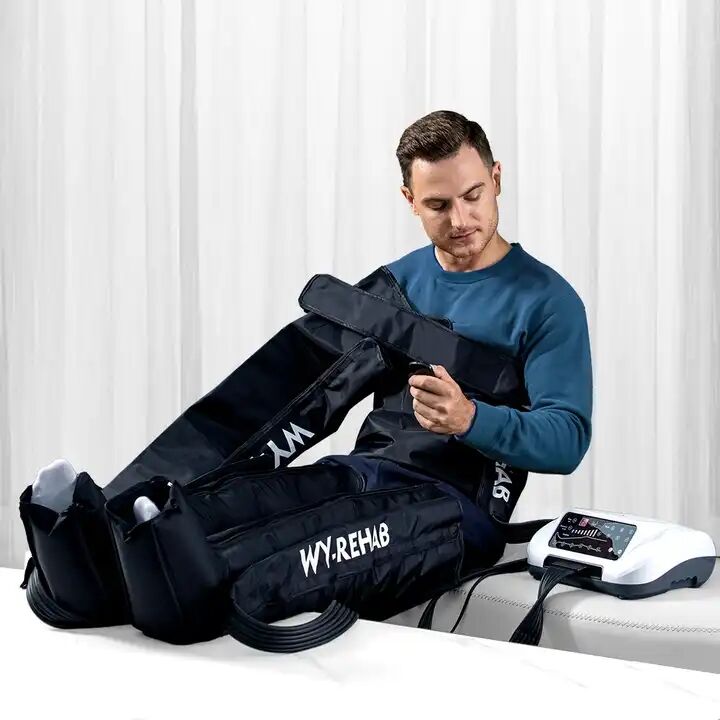
Modern wellness technology has revolutionized how we approach therapeutic treatments and recovery solutions. Among the most innovative devices gaining widespread recognition in medical and wellness facilities is the pressotherapy machine, a sophisticated system designed to enhance circulation, reduce swelling, and promote overall health through controlled pneumatic compression. This advanced therapeutic equipment utilizes sequential air pressure to stimulate lymphatic drainage and improve blood flow throughout the body, offering numerous health benefits that extend far beyond simple relaxation.
Understanding Pressotherapy Technology and Mechanisms
Pneumatic Compression Principles
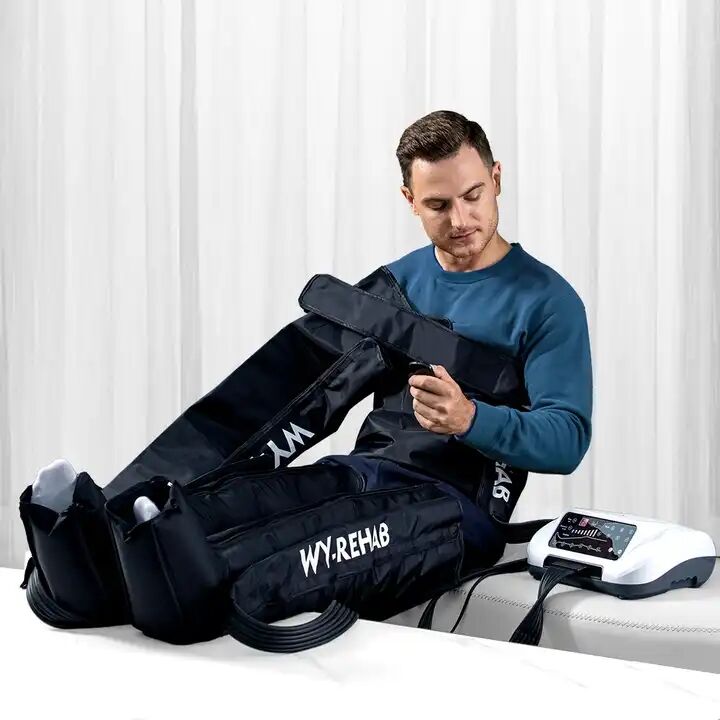
The fundamental operation of a pressotherapy machine relies on graduated pneumatic compression delivered through specialized chambers that envelop different body parts. These chambers inflate and deflate in precise sequences, creating wavelike pressure patterns that mimic natural muscular contractions. The controlled pressure application ranges typically from 20 to 80 mmHg, carefully calibrated to promote venous return without causing discomfort or tissue damage. This systematic approach ensures optimal therapeutic benefits while maintaining user safety and comfort throughout treatment sessions.
Advanced pressotherapy systems incorporate multiple chambers that can be programmed independently, allowing for customized treatment protocols based on individual patient needs and specific therapeutic goals. The sequential inflation pattern typically begins at the extremities and progresses toward the core, following the natural direction of lymphatic flow and venous drainage. This directional approach maximizes the effectiveness of the treatment while preventing backflow or stagnation of fluids in treated areas.
Lymphatic System Stimulation
The lymphatic system plays a crucial role in immune function and fluid balance, yet it lacks the natural pumping mechanism found in the cardiovascular system. A pressotherapy machine effectively compensates for this limitation by providing external mechanical stimulation that promotes lymphatic vessel contraction and fluid movement. The rhythmic compression and decompression cycles enhance lymphatic drainage, facilitating the removal of metabolic waste products, excess proteins, and inflammatory mediators from tissues.
Research demonstrates that mechanical lymphatic stimulation through pressotherapy can increase lymphatic flow rates by up to 300% compared to baseline levels. This enhanced drainage capacity significantly improves tissue health, reduces inflammation markers, and supports immune system function. The mechanical stimulation also promotes the formation of new lymphatic vessels through lymphangiogenesis, creating long-term improvements in lymphatic system capacity and efficiency.
Cardiovascular Health Benefits and Circulation Enhancement
Venous Return Optimization
One of the most significant therapeutic benefits of pressotherapy treatment involves the enhancement of venous return and overall cardiovascular function. The graduated compression applied by the device creates a pressure gradient that assists the return of deoxygenated blood from peripheral tissues back to the heart. This mechanical assistance is particularly beneficial for individuals with compromised circulation, venous insufficiency, or those who spend extended periods in sedentary positions.
The improved venous return achieved through pressotherapy sessions helps reduce venous pooling, decreases the risk of thrombosis formation, and alleviates symptoms associated with chronic venous insufficiency. Regular treatments can lead to measurable improvements in venous valve function, reduced venous pressure, and enhanced overall cardiovascular efficiency. These benefits are particularly pronounced in patients with diabetes, peripheral arterial disease, or other conditions that compromise vascular function.
Blood Pressure Regulation
Clinical studies have documented the positive effects of pressotherapy on blood pressure regulation and cardiovascular health parameters. The mechanical stimulation provided by the treatment activates pressure receptors in blood vessel walls, triggering vasodilatory responses that help normalize blood pressure levels. Additionally, the enhanced circulation promotes improved oxygen delivery to tissues and more efficient removal of metabolic waste products that can contribute to hypertension.
The stress-reducing effects of pressotherapy also contribute to cardiovascular health by decreasing cortisol levels and activating the parasympathetic nervous system. This relaxation response helps counteract the negative cardiovascular effects of chronic stress, supporting healthy blood pressure maintenance and reducing the risk of stress-related cardiovascular events. Regular pressotherapy sessions can complement traditional cardiovascular therapies and lifestyle modifications in managing hypertension and promoting heart health.
Therapeutic Applications for Pain Management and Recovery
Muscle Recovery and Athletic Performance
Athletes and fitness enthusiasts increasingly utilize pressotherapy treatments to enhance recovery and optimize performance outcomes. The enhanced circulation provided by the treatment accelerates the removal of metabolic byproducts such as lactic acid and inflammatory mediators that accumulate during intense physical activity. This improved clearance of waste products significantly reduces muscle soreness, decreases recovery time between training sessions, and helps prevent overuse injuries.
The mechanical stimulation also promotes increased nutrient and oxygen delivery to muscle tissues, supporting repair processes and adaptation to training stimuli. Professional sports teams and rehabilitation facilities have integrated pressotherapy protocols into their recovery programs, reporting improved athlete performance metrics, reduced injury rates, and faster return-to-play times following intense training or competition. The non-invasive nature of the treatment makes it an ideal complement to other recovery modalities.
Chronic Pain Reduction
Individuals suffering from chronic pain conditions often experience significant relief through regular pressotherapy treatments. The mechanical compression helps reduce tissue inflammation, improves local circulation, and promotes the release of endorphins and other natural pain-relieving compounds. This multi-modal approach to pain management provides both immediate symptom relief and long-term improvements in pain perception and functional capacity.
The treatment is particularly effective for conditions involving poor circulation, lymphatic congestion, or inflammatory processes. Patients with fibromyalgia, arthritis, neuropathy, and other chronic pain syndromes have reported sustained improvements in pain levels, sleep quality, and overall quality of life following structured pressotherapy protocols. The gentle, non-pharmaceutical approach makes it suitable for patients who cannot tolerate traditional pain medications or prefer natural therapeutic interventions.
Aesthetic and Wellness Benefits for Skin Health
Cellulite Reduction and Body Contouring
The cosmetic applications of pressotherapy extend beyond medical therapeutics to include aesthetic benefits such as cellulite reduction and body contouring. The mechanical compression helps break down fatty deposits, improve skin texture, and enhance the appearance of areas affected by cellulite formation. The enhanced lymphatic drainage removes excess fluids and toxins that contribute to the dimpled appearance characteristic of cellulite, resulting in smoother, more toned-looking skin.
Regular pressotherapy sessions can complement diet and exercise programs by improving circulation to adipose tissue and promoting more efficient fat metabolism. The increased blood flow delivers nutrients and oxygen to skin cells while removing metabolic waste products that can impair cellular function. Many aesthetic clinics incorporate pressotherapy treatments into comprehensive body contouring programs, combining the therapy with other modalities such as radiofrequency, ultrasound, or manual massage techniques.
Skin Tone and Texture Improvement
The enhanced circulation achieved through pressotherapy treatments provides significant benefits for overall skin health and appearance. Improved blood flow delivers essential nutrients, vitamins, and oxygen to skin cells, promoting cellular regeneration and repair processes. The increased lymphatic drainage helps remove toxins and inflammatory mediators that can contribute to skin problems, resulting in clearer, healthier-looking skin with improved tone and texture.
The mechanical stimulation also promotes collagen production and improves skin elasticity, helping to reduce the appearance of fine lines and wrinkles. Many patients report improvements in skin firmness, hydration levels, and overall radiance following regular pressotherapy treatments. The non-invasive nature of the therapy makes it suitable for all skin types and can be safely combined with other aesthetic treatments to enhance overall results.
Medical Applications and Clinical Indications
Lymphedema Management
Medical professionals frequently prescribe pressotherapy treatments for patients with lymphedema, a condition characterized by chronic swelling due to impaired lymphatic drainage. The mechanical compression provided by the pressotherapy machine helps mobilize accumulated lymphatic fluid and promotes drainage through functional lymphatic vessels. This therapeutic approach is particularly effective for primary and secondary lymphedema affecting the extremities, providing significant symptom relief and functional improvement.
Clinical protocols for lymphedema management typically involve daily pressotherapy sessions combined with other conservative treatments such as compression garments, manual lymphatic drainage, and exercise therapy. Studies demonstrate that patients receiving pressotherapy treatment experience greater reductions in limb circumference, improved quality of life scores, and decreased infection rates compared to those receiving standard care alone. The treatment is considered a first-line therapy for lymphedema management in many medical facilities.
Post-Surgical Recovery Support
Surgeons and rehabilitation specialists increasingly recommend pressotherapy treatments to support post-operative recovery and reduce complications. The enhanced circulation provided by the treatment helps prevent blood clots, reduces surgical site swelling, and promotes faster healing of incisions and surrounding tissues. The improved lymphatic drainage also helps clear inflammatory mediators and cellular debris from surgical sites, reducing the risk of complications and supporting optimal healing outcomes.
Patients undergoing procedures such as liposuction, orthopedic surgery, or cancer treatment often benefit from structured pressotherapy protocols during their recovery period. The treatment can be safely initiated within days of surgery under appropriate medical supervision, providing gentle mechanical stimulation that supports natural healing processes without causing trauma to healing tissues. Many surgical centers now include pressotherapy as a standard component of their post-operative care protocols.
FAQ
How often should I use a pressotherapy machine for optimal results
The optimal frequency for pressotherapy treatments varies depending on individual health conditions and therapeutic goals. For general wellness and circulation improvement, two to three sessions per week lasting 30-45 minutes each typically provide excellent results. Patients with specific medical conditions such as lymphedema or chronic venous insufficiency may benefit from daily treatments initially, gradually reducing frequency as symptoms improve. Athletes often use pressotherapy immediately after intense training sessions or competitions to optimize recovery. It is important to follow manufacturer guidelines and consult with healthcare providers to determine the most appropriate treatment schedule for your specific needs and health status.
Are there any contraindications or safety concerns with pressotherapy treatments
While pressotherapy is generally safe for most individuals, certain medical conditions require caution or contraindicate treatment. Absolute contraindications include active blood clots, severe heart conditions, acute infections, and certain types of cancer. Relative contraindications include pregnancy, severe diabetes with complications, acute inflammatory conditions, and recent surgery in the treatment area. Patients should always consult with healthcare providers before beginning pressotherapy treatments, particularly if they have existing medical conditions or take medications that affect circulation. Proper screening and medical clearance ensure safe and effective treatment outcomes while minimizing potential risks or complications.
What should I expect during and after a pressotherapy treatment session
During a pressotherapy session, patients typically experience a gentle, rhythmic compression sensation as the chambers inflate and deflate in sequence. Most people find the treatment relaxing and comfortable, often describing it as similar to a gentle massage. The pressure should never be painful, and most modern devices allow for pressure adjustment to ensure comfort throughout the session. After treatment, patients commonly report feelings of lightness in treated areas, reduced swelling, and improved circulation. Some individuals may experience mild soreness similar to post-exercise sensations, which typically resolves within a few hours. Drinking plenty of water after treatment helps support the lymphatic system in processing mobilized fluids and toxins.
Can pressotherapy treatments replace traditional medical therapies for circulatory conditions
Pressotherapy should be viewed as a complementary therapy that enhances rather than replaces traditional medical treatments for circulatory conditions. While the treatment provides significant benefits for circulation, lymphatic drainage, and symptom management, it works best when integrated with comprehensive medical care including appropriate medications, lifestyle modifications, and other prescribed therapies. Patients with serious circulatory conditions should maintain regular follow-up with their healthcare providers and continue prescribed treatments while adding pressotherapy as an adjunctive therapy. The combination approach typically provides superior outcomes compared to relying on any single treatment modality alone.
Table of Contents
- Understanding Pressotherapy Technology and Mechanisms
- Cardiovascular Health Benefits and Circulation Enhancement
- Therapeutic Applications for Pain Management and Recovery
- Aesthetic and Wellness Benefits for Skin Health
- Medical Applications and Clinical Indications
-
FAQ
- How often should I use a pressotherapy machine for optimal results
- Are there any contraindications or safety concerns with pressotherapy treatments
- What should I expect during and after a pressotherapy treatment session
- Can pressotherapy treatments replace traditional medical therapies for circulatory conditions