 EN
EN

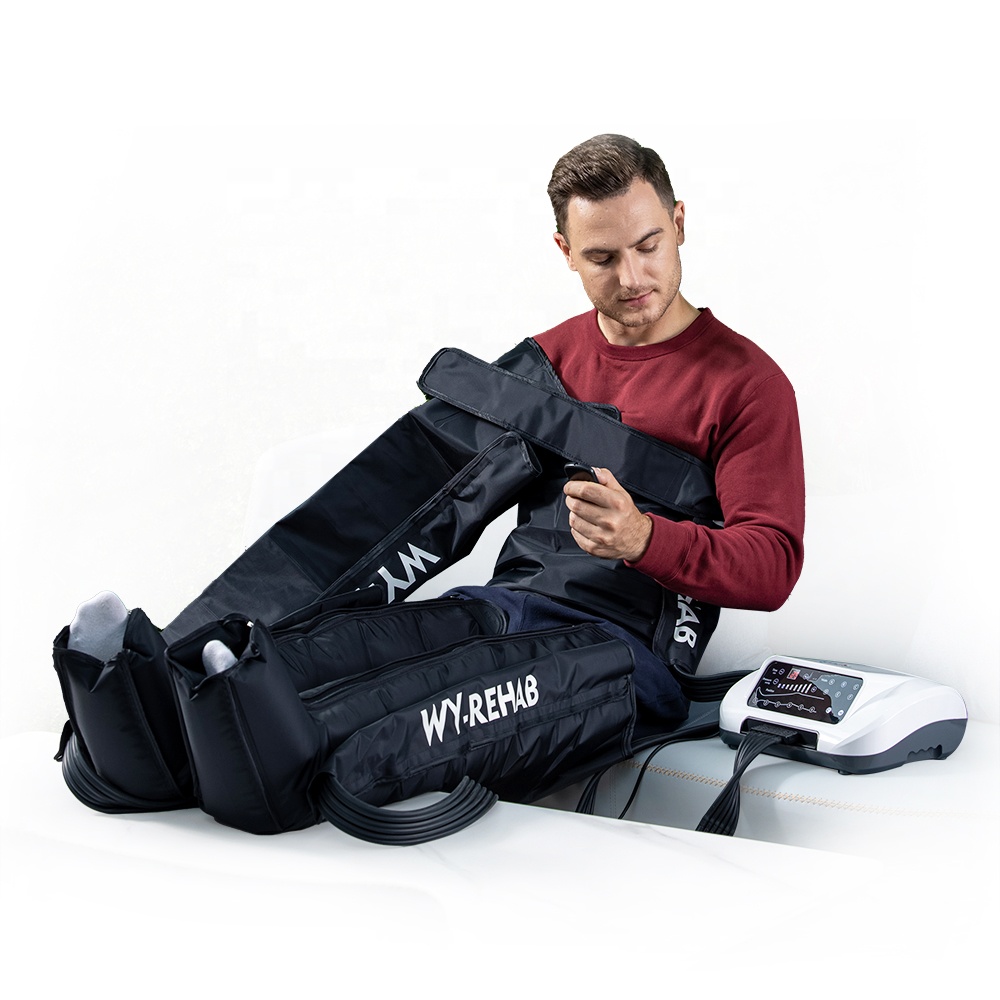
Professional wellness practitioners and health-conscious individuals are increasingly turning to advanced therapeutic equipment to enhance their lymphatic system function. The lymphatic drainage machine represents a breakthrough in therapeutic technology, offering a non-invasive approach to improving circulation, reducing swelling, and promoting overall wellness. These sophisticated devices utilize controlled pneumatic pressure to stimulate lymphatic flow, helping the body eliminate toxins and excess fluids more effectively than manual techniques alone.
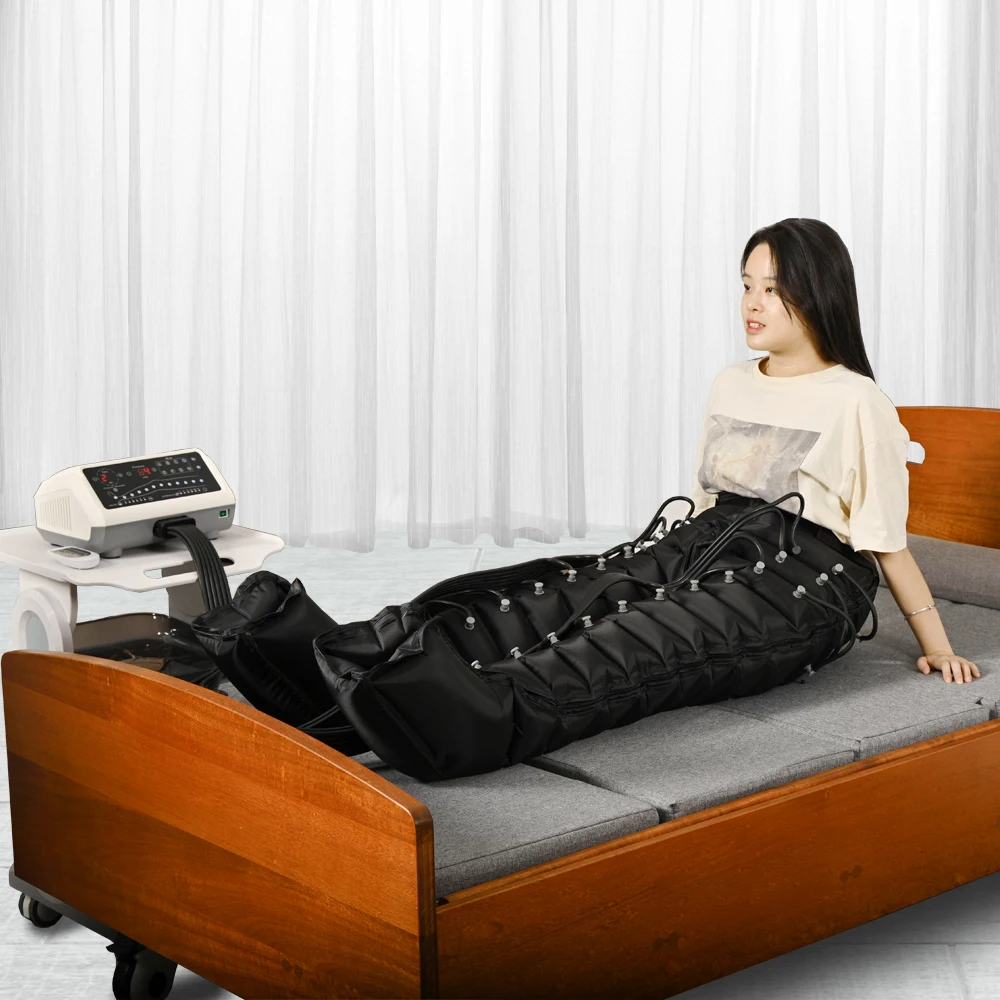
Understanding how to properly utilize a lymphatic drainage machine can transform your approach to wellness therapy. This comprehensive guide explores the essential techniques, safety protocols, and optimization strategies that professional therapists and wellness practitioners need to achieve maximum therapeutic benefits. From initial setup procedures to advanced treatment protocols, mastering these fundamentals ensures both practitioner confidence and client satisfaction.
Understanding Lymphatic Drainage Technology
Core Mechanisms of Pneumatic Compression
Modern lymphatic drainage systems operate through precisely calibrated pneumatic chambers that create sequential compression patterns. These chambers inflate and deflate in coordinated cycles, mimicking the natural pumping action of healthy lymphatic vessels. The graduated pressure system typically ranges from 30 to 120 mmHg, allowing practitioners to customize treatment intensity based on client needs and therapeutic goals.
The sequential compression technology ensures that lymphatic fluid moves in the correct anatomical direction, preventing backflow and optimizing drainage efficiency. Each chamber activates in a predetermined sequence, creating a wave-like motion that gently pushes lymphatic fluid toward the heart and major lymph nodes. This systematic approach significantly enhances the effectiveness compared to static compression methods.
Benefits of Professional-Grade Equipment
Professional lymphatic drainage machines offer superior therapeutic outcomes through advanced pressure control systems and multiple chamber configurations. These devices typically feature 12 to 24 individual chambers, providing comprehensive coverage for both upper and lower extremities. The precision pressure sensors ensure consistent treatment delivery while protecting clients from excessive compression that could damage delicate lymphatic structures.
High-quality equipment incorporates safety features such as automatic pressure release valves, emergency stop functions, and client comfort monitoring systems. These features enable practitioners to deliver effective treatments while maintaining the highest safety standards. The professional-grade components also ensure device longevity and consistent performance across thousands of treatment sessions.
Pre-Treatment Preparation Protocols
Client Assessment and Screening
Proper client assessment forms the foundation of successful lymphatic drainage therapy. Practitioners must thoroughly evaluate each client's medical history, current health status, and specific therapeutic needs before initiating treatment. This assessment includes identifying contraindications such as active infections, deep vein thrombosis, or severe cardiovascular conditions that may require modified treatment protocols or complete treatment avoidance.
Documentation of baseline measurements provides valuable reference points for tracking treatment progress. Recording limb circumferences, skin condition, and subjective comfort levels enables practitioners to objectively evaluate the effectiveness of lymphatic drainage machine interventions. This systematic approach also helps identify clients who may require additional medical consultation before proceeding with therapy.
Equipment Setup and Calibration
Proper equipment setup ensures optimal treatment delivery and client safety. Begin by verifying that all pneumatic connections are secure and leak-free, as pressure inconsistencies can compromise treatment effectiveness. The control unit should complete its diagnostic self-check sequence successfully before connecting any client garments or accessories.
Calibration procedures vary by manufacturer but typically involve pressure sensor verification and chamber function testing. Most professional systems include automated calibration routines that should be performed according to manufacturer specifications. Regular calibration maintains treatment consistency and prevents equipment-related complications during therapy sessions.
Optimal Treatment Techniques
Pressure Settings and Timing Protocols
Effective lymphatic drainage requires careful attention to pressure settings and timing parameters. Initial treatments should begin with lower pressure settings, typically 40-60 mmHg, allowing clients to acclimate to the sensation while assessing their individual tolerance levels. Gradually increasing pressure over subsequent sessions enables practitioners to identify the optimal therapeutic range for each client.
Treatment timing follows established physiological principles, with complete cycles ranging from 30 to 60 minutes depending on the targeted areas and therapeutic goals. The lymphatic drainage machine should maintain consistent cycling patterns throughout the session, with each chamber holding pressure for 20-30 seconds before releasing. This timing allows adequate lymphatic vessel filling and emptying while preventing excessive pressure accumulation.
Sequential Chamber Activation Strategies
Strategic chamber activation maximizes lymphatic flow efficiency by following anatomical drainage pathways. The sequence typically begins with distal chambers and progresses proximally, ensuring that downstream vessels are emptied before upstream compression begins. This approach prevents lymphatic fluid backup and optimizes overall drainage effectiveness.
Advanced practitioners often customize activation sequences based on specific client conditions. For example, post-surgical lymphedema may require modified sequences that avoid recently operated areas while maintaining drainage in unaffected regions. Understanding lymphatic anatomy enables practitioners to develop targeted treatment strategies that address individual client needs most effectively.
Advanced Application Methods
Multi-Zone Treatment Coordination
Comprehensive lymphatic drainage often requires coordination between multiple treatment zones to achieve optimal results. When treating both upper and lower extremities, practitioners must consider the timing and sequence of treatments to maximize lymphatic system capacity. Simultaneous bilateral treatment may overwhelm the central lymphatic system, while sequential treatments allow proper fluid processing.
Professional lymphatic drainage machine systems often include multiple garment options that enable practitioners to target specific anatomical regions effectively. Proper garment selection and positioning ensure optimal pressure distribution while maintaining client comfort throughout extended treatment sessions.
Customization for Specific Conditions
Different health conditions require specialized lymphatic drainage protocols to achieve optimal therapeutic outcomes. Lymphedema management typically requires higher pressures and longer treatment durations compared to general wellness applications. Practitioners must understand these variations and adjust their lymphatic drainage machine settings accordingly to provide appropriate care for each client's specific needs.
Athletic recovery applications often emphasize rapid fluid mobilization and reduced treatment times to accommodate training schedules. These protocols may utilize higher pressures with shorter cycles to achieve quick results while minimizing treatment duration. Understanding these application-specific requirements enables practitioners to optimize their lymphatic drainage machine utilization across diverse client populations.
Safety Considerations and Contraindications
Identifying High-Risk Situations
Safe lymphatic drainage machine operation requires thorough understanding of potential contraindications and risk factors. Absolute contraindications include active deep vein thrombosis, severe congestive heart failure, and acute infections in treatment areas. These conditions can be exacerbated by increased lymphatic flow and require complete treatment avoidance until medically cleared.
Relative contraindications require careful assessment and possible treatment modifications rather than complete avoidance. These include pregnancy, recent surgery, active cancer treatment, and certain autoimmune conditions. Practitioners must work closely with referring healthcare providers to develop appropriate treatment protocols that consider these individual risk factors while maximizing therapeutic benefits.
Monitoring Client Response During Treatment
Continuous client monitoring ensures safe treatment delivery and early identification of adverse reactions. Practitioners should regularly assess client comfort levels, skin coloration, and overall response throughout each session. The lymphatic drainage machine should be immediately stopped if clients experience excessive discomfort, shortness of breath, or any signs of circulatory compromise.
Documentation of client responses provides valuable information for future treatments and helps identify optimal therapeutic parameters for each individual. This information also serves important legal protection purposes and demonstrates professional adherence to established safety standards. Regular response monitoring becomes particularly important when working with medically complex clients or those with multiple comorbidities.
Maximizing Treatment Effectiveness
Pre and Post-Treatment Protocols
Effective lymphatic drainage extends beyond the actual machine treatment to encompass comprehensive pre and post-treatment protocols. Pre-treatment preparation includes proper hydration, light physical activity to activate the lymphatic system, and appropriate positioning to optimize fluid flow. These preparatory steps enhance the effectiveness of subsequent lymphatic drainage machine treatments.
Post-treatment protocols focus on maintaining the therapeutic benefits achieved during the session. This includes continued hydration, gentle movement exercises, and proper positioning during rest periods. Clients should avoid excessive heat exposure, alcohol consumption, and strenuous physical activity for several hours following treatment to maintain optimal lymphatic flow patterns established during therapy.
Integration with Complementary Therapies
Combining lymphatic drainage machine treatments with complementary therapies can significantly enhance overall therapeutic outcomes. Manual lymphatic drainage techniques can target areas not easily reached by pneumatic compression, while exercise therapy helps maintain long-term lymphatic function improvements. This integrated approach provides comprehensive care that addresses both immediate symptoms and underlying functional limitations.
Nutritional support and lifestyle modifications also play crucial roles in optimizing lymphatic system function. Practitioners should provide guidance on anti-inflammatory dietary choices, appropriate exercise routines, and stress management techniques that support the therapeutic benefits achieved through lymphatic drainage machine treatments. This holistic approach ensures sustainable improvements in client health and wellness.
Equipment Maintenance and Quality Assurance
Daily Maintenance Procedures
Proper maintenance ensures consistent lymphatic drainage machine performance and extends equipment lifespan significantly. Daily maintenance procedures include visual inspection of all pneumatic connections, cleaning of client-contact surfaces, and verification of pressure gauge accuracy. These simple steps prevent minor issues from developing into major equipment failures that could disrupt client care.
Filter maintenance represents a critical component of daily care routines. The pneumatic system filters should be inspected regularly and replaced according to manufacturer specifications. Clogged or damaged filters can compromise pressure delivery and potentially introduce contaminants into the pneumatic system, affecting both treatment quality and equipment longevity.
Long-term Service and Calibration
Professional lymphatic drainage machines require periodic professional servicing to maintain optimal performance standards. Annual calibration services ensure that pressure delivery remains accurate and consistent across all treatment parameters. These services also include comprehensive safety system testing and preventive maintenance that identifies potential issues before they impact client care.
Documentation of all maintenance activities provides valuable information for warranty claims and helps establish professional liability protection. Maintaining detailed service records demonstrates commitment to equipment quality and client safety standards. This documentation also helps identify usage patterns that may require adjusted maintenance schedules or equipment upgrades to meet evolving practice needs.
FAQ
How long should each lymphatic drainage machine session last
Typical lymphatic drainage machine sessions range from 30 to 60 minutes, depending on the treatment area and client condition. Initial sessions often start at 30 minutes to assess client tolerance, while maintenance treatments may extend to 45-60 minutes. The optimal duration balances therapeutic effectiveness with client comfort and lymphatic system processing capacity.
What pressure settings work best for different client types
Pressure settings should be individualized based on client tolerance, condition severity, and therapeutic goals. General wellness treatments typically use 40-60 mmHg, while lymphedema management may require 60-80 mmHg or higher. Always start with lower pressures and gradually increase based on client response and comfort levels throughout the treatment series.
Can lymphatic drainage machines be used daily
Daily lymphatic drainage machine use is generally safe for most clients, though treatment frequency should be determined based on individual needs and practitioner assessment. Acute conditions may benefit from daily treatments initially, while maintenance protocols often utilize 2-3 sessions per week. Monitor client response carefully and adjust frequency based on therapeutic outcomes and tolerance.
What are the most common mistakes when operating these machines
Common operational mistakes include using excessive pressure settings, inadequate client screening, and improper garment positioning. Many practitioners also neglect proper equipment calibration and maintenance schedules, which can compromise treatment effectiveness. Following manufacturer guidelines and maintaining detailed treatment documentation helps avoid these common pitfalls and ensures optimal client outcomes.