 EN
EN

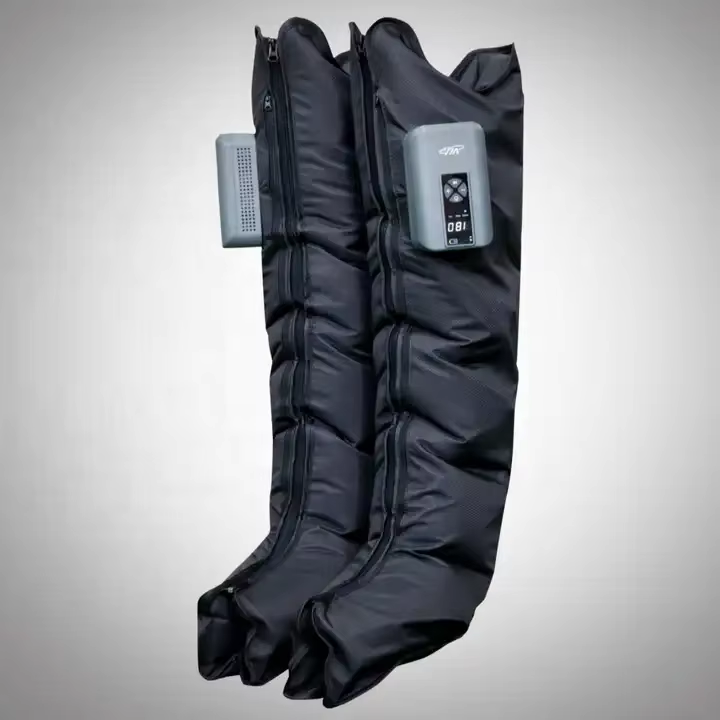
Athletic performance and recovery have become paramount concerns for runners and cyclists seeking to optimize their training routines. Modern athletes are increasingly turning to innovative recovery technologies, with massage boots emerging as a leading solution for post-exercise muscle rehabilitation. These pneumatic compression devices deliver targeted therapeutic benefits that traditional recovery methods often cannot match, making them indispensable tools for serious endurance athletes.
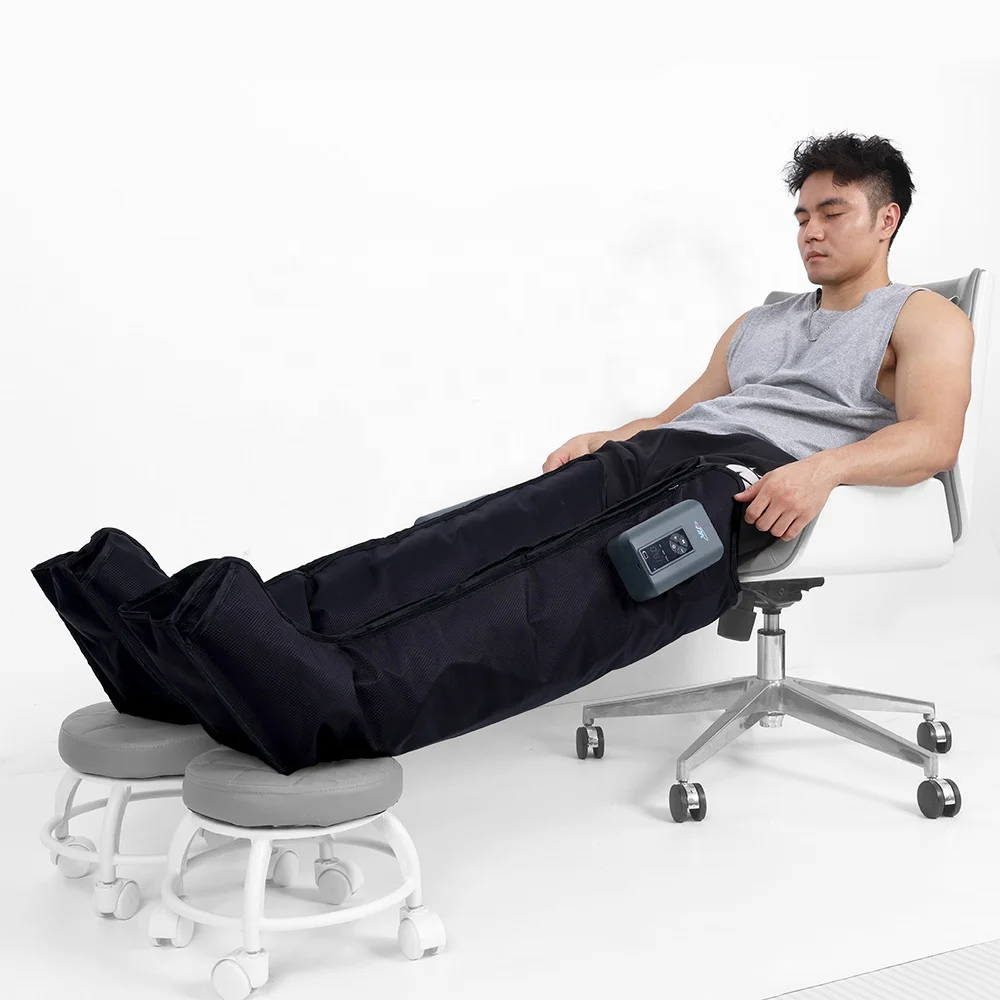
Understanding the Science Behind Compression Recovery Technology
Pneumatic Compression Principles
The effectiveness of massage boots lies in their sophisticated pneumatic compression technology that mimics natural muscle contractions. These devices utilize sequential air chambers that inflate and deflate in precise patterns, creating graduated pressure waves throughout the lower extremities. This mechanical compression promotes enhanced blood circulation, facilitating the removal of metabolic waste products that accumulate during intense training sessions.
Research demonstrates that pneumatic compression devices significantly improve venous return and lymphatic drainage compared to passive recovery methods. The controlled pressure application helps reduce inflammation markers while accelerating the delivery of oxygen and nutrients to fatigued muscle tissues. Athletes using massage boots regularly report faster recovery times and reduced muscle soreness following demanding workouts.
Physiological Benefits for Athletic Performance
The physiological advantages of using massage boots extend beyond simple muscle relaxation. These devices actively combat exercise-induced muscle damage by promoting cellular repair mechanisms and reducing inflammatory responses. The rhythmic compression patterns stimulate mechanoreceptors in muscle tissues, triggering beneficial adaptations that enhance overall recovery capacity.
Athletes experience improved range of motion and flexibility when incorporating massage boots into their recovery protocols. The compression therapy helps break down adhesions in fascial tissues while promoting optimal muscle fiber alignment. This comprehensive approach to recovery enables athletes to maintain higher training intensities while minimizing injury risks associated with inadequate recovery.
Specific Advantages for Running Performance
Impact Absorption and Muscle Recovery
Running places tremendous stress on lower extremity muscles, particularly the calves, quadriceps, and hamstrings. The repetitive impact forces generated during running create microscopic muscle damage that requires adequate recovery time to repair properly. Massage boots address these specific demands by providing targeted compression therapy that accelerates the healing process in affected muscle groups.
Distance runners benefit significantly from the enhanced circulation provided by massage boots, as improved blood flow facilitates the removal of lactate and other metabolic byproducts. This accelerated clearance of waste products helps prevent the accumulation of toxins that contribute to delayed onset muscle soreness. Regular use of massage boots enables runners to maintain consistent training volumes without experiencing excessive fatigue or performance degradation.
Injury Prevention and Longevity
Long-term running success depends heavily on injury prevention strategies that maintain musculoskeletal health. Massage boots serve as proactive injury prevention tools by addressing muscle imbalances and tension patterns before they develop into problematic conditions. The consistent application of compression therapy helps maintain optimal muscle length-tension relationships while preventing the formation of trigger points.
Veteran runners often struggle with chronic conditions such as plantar fasciitis, Achilles tendinopathy, and iliotibial band syndrome. The therapeutic benefits of massage boots can help manage these conditions by improving tissue quality and reducing inflammatory responses. This preventive approach enables runners to extend their athletic careers while maintaining high performance standards.
Cycling-Specific Recovery Applications
Addressing Quadriceps Dominance and Muscle Imbalances
Cycling biomechanics create unique muscle activation patterns that can lead to specific imbalances and recovery needs. The quadriceps-dominant nature of cycling often results in tight hip flexors and underdeveloped posterior chain muscles. Massage boots help address these imbalances by providing comprehensive lower extremity compression that promotes balanced muscle recovery across all major muscle groups.
Professional cyclists regularly incorporate massage boots into their recovery routines to combat the effects of prolonged seated positioning and repetitive pedaling motions. The compression therapy helps counteract the circulatory restrictions associated with cycling posture while promoting healthy blood flow throughout the lower extremities. This targeted approach helps cyclists maintain optimal power output and endurance capacity throughout extended training periods.
Performance Enhancement for Competitive Cycling
Competitive cyclists face unique challenges related to training volume and intensity requirements. The demands of stage racing, time trials, and criterium events require exceptional recovery capabilities to maintain peak performance across multiple days of competition. Massage boots provide cyclists with a reliable method for accelerating recovery between training sessions and competitive events.
The portability and ease of use associated with modern massage boots make them ideal companions for traveling cyclists. Athletes can maintain their recovery protocols regardless of location, ensuring consistent performance standards throughout competition seasons. This accessibility factor has contributed significantly to the widespread adoption of massage boots among professional cycling teams and serious amateur competitors.
Comparative Analysis with Traditional Recovery Methods
Advantages Over Manual Massage Therapy
While manual massage therapy provides excellent therapeutic benefits, massage boots offer several practical advantages for regular use. The consistency and standardization of pneumatic compression ensure that athletes receive identical therapeutic doses with each treatment session. This reliability eliminates the variability associated with different massage therapists and techniques, providing predictable recovery outcomes.
Cost-effectiveness represents another significant advantage of massage boots compared to regular professional massage therapy. Athletes can access therapeutic compression treatments whenever needed without scheduling appointments or incurring per-session fees. This economic efficiency makes advanced recovery technology accessible to a broader range of athletes who might otherwise rely on less effective recovery methods.
Integration with Comprehensive Recovery Protocols
Modern athletic recovery requires a multi-modal approach that addresses various physiological systems simultaneously. Massage boots complement other recovery modalities such as cold therapy, stretching, and nutritional interventions by targeting specific aspects of the recovery process. The synergistic effects of combining massage boots with other recovery techniques often produce superior outcomes compared to single-modality approaches.
Athletes who integrate massage boots into comprehensive recovery protocols report enhanced sleep quality, reduced muscle stiffness, and improved training readiness. The psychological benefits of consistent recovery routines also contribute to overall performance improvements by reducing anxiety and promoting confidence in physical preparation. This holistic approach to recovery optimization has become a hallmark of successful endurance athletes across various disciplines.
Technological Advancements and Future Developments
Smart Features and Customization Options
Contemporary massage boots incorporate sophisticated control systems that allow athletes to customize pressure settings, treatment duration, and compression patterns according to individual needs. These advanced features enable precise therapeutic dosing that can be adjusted based on training intensity, recovery requirements, and personal preferences. Smart connectivity options allow athletes to track recovery metrics and optimize treatment protocols over time.
Emerging technologies in massage boots include biometric monitoring capabilities that adjust compression parameters based on real-time physiological feedback. These intelligent systems can detect muscle tension patterns and automatically modify treatment protocols to address specific areas of concern. Such innovations represent the future of personalized recovery technology in athletic performance optimization.
Material Science and Design Innovations
Recent advances in material science have led to the development of lighter, more durable massage boots that maintain therapeutic effectiveness while improving user comfort. Modern designs incorporate ergonomic considerations that enhance fit and reduce pressure points during extended treatment sessions. These improvements have expanded the appeal of massage boots to a wider range of athletes with varying body types and comfort preferences.
Sustainability considerations are driving the development of eco-friendly massage boots manufactured from recycled materials and designed for extended product lifecycles. These environmentally conscious innovations align with the values of many modern athletes who prioritize sustainability alongside performance optimization. The continued evolution of massage boots technology promises even greater therapeutic benefits and accessibility in future iterations.
FAQ
How long should athletes use massage boots after training sessions
Most athletes benefit from 20-30 minute sessions using massage boots immediately following training or competition. The optimal duration depends on training intensity, individual recovery needs, and specific device specifications. Athletes should start with shorter sessions and gradually increase duration as tolerance develops, while monitoring recovery markers to determine effectiveness.
Can massage boots replace traditional warm-up and cool-down routines
Massage boots serve as excellent supplements to traditional warm-up and cool-down protocols but should not completely replace active movement patterns. These devices excel at promoting circulation and reducing muscle tension, while dynamic movement remains essential for joint mobility and neuromuscular activation. The most effective approach combines massage boots with appropriate movement-based recovery activities.
What pressure settings are most effective for different types of athletes
Pressure settings should be individualized based on athlete size, training experience, and comfort tolerance. Beginners typically benefit from lower pressure settings (30-40 mmHg) while experienced athletes may require higher pressures (40-60 mmHg) for optimal therapeutic effects. Athletes should start conservatively and gradually increase pressure as adaptation occurs, always prioritizing comfort and avoiding excessive discomfort.
Are there any contraindications for using massage boots
Athletes with certain medical conditions including deep vein thrombosis, severe peripheral artery disease, or acute injuries should consult healthcare professionals before using massage boots. Pregnant athletes and individuals with pacemakers or other implanted medical devices may require special considerations. Most healthy athletes can safely use massage boots when following manufacturer guidelines and listening to their body's responses during treatment sessions.