 EN
EN

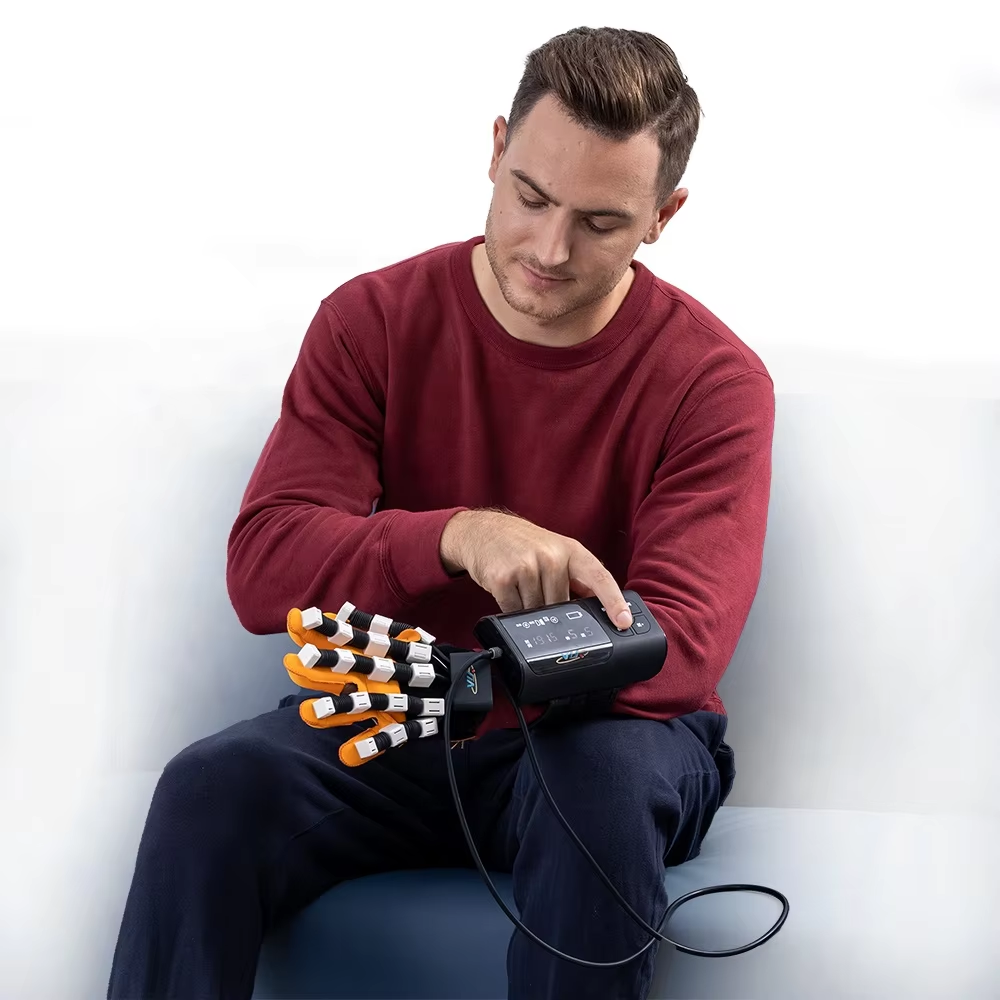
Healthcare professionals worldwide are witnessing a revolutionary shift in rehabilitation therapy as advanced assistive technologies gain prominence in clinical settings. Among these groundbreaking innovations, robot gloves have emerged as transformative tools that are reshaping how therapy clinics approach hand rehabilitation and motor function recovery. These sophisticated devices combine cutting-edge robotics with pneumatic assistance systems to provide targeted therapeutic interventions for patients recovering from stroke, neurological conditions, and hand injuries.
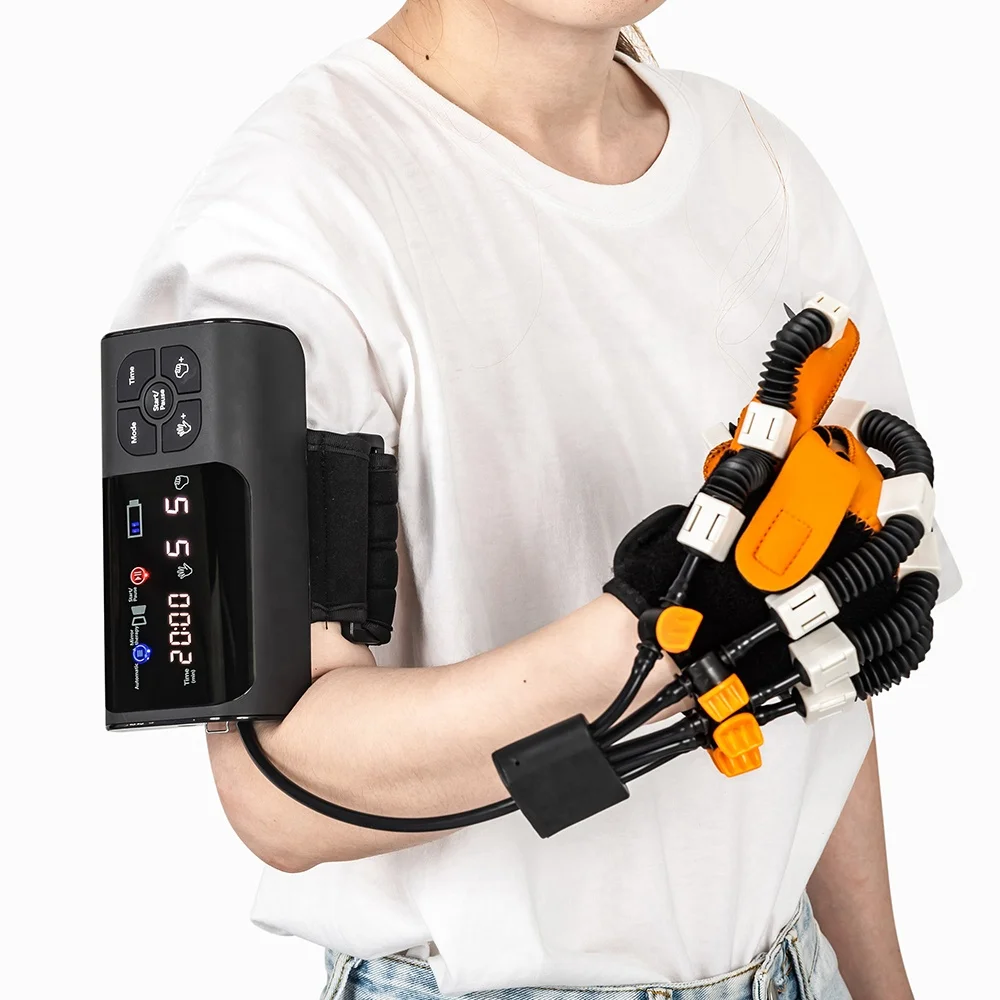
The integration of robot gloves into therapy clinics represents a significant advancement in evidence-based rehabilitation practices. These devices offer precise, repeatable, and measurable therapeutic exercises that complement traditional manual therapy techniques. As healthcare providers seek more effective solutions for hand rehabilitation, robot gloves are becoming indispensable tools that enhance patient outcomes while optimizing clinical workflows.
Understanding the Technology Behind Robot Gloves
Pneumatic Assistance Systems
Modern robot gloves utilize sophisticated pneumatic assistance systems that provide controlled support to finger and hand movements. These systems employ air-powered actuators that can be precisely calibrated to match individual patient needs and rehabilitation goals. The pneumatic technology allows for gentle yet effective assistance during therapeutic exercises, enabling patients to perform movements that would otherwise be impossible or extremely difficult.
The pneumatic components within robot gloves are designed to respond dynamically to patient input, providing assistance when needed while allowing natural movement patterns when possible. This adaptive approach ensures that patients maintain active participation in their rehabilitation while receiving the necessary support to complete therapeutic tasks effectively.
Sensor Integration and Feedback Mechanisms
Advanced robot gloves incorporate multiple sensor systems that monitor hand position, grip strength, finger flexion, and movement patterns in real-time. These sensors provide valuable feedback to both patients and therapists, enabling data-driven adjustments to treatment protocols and objective measurement of progress over time.
The feedback mechanisms built into robot gloves create an interactive therapeutic environment where patients can visualize their progress and receive immediate reinforcement for successful movements. This real-time feedback enhances patient motivation and engagement while providing clinicians with detailed information about treatment effectiveness and patient compliance.
Clinical Applications and Patient Benefits
Stroke Rehabilitation and Recovery
Stroke patients represent one of the primary beneficiaries of robot gloves technology in therapy clinics. Following stroke events, many patients experience hemiplegia or hemiparesis affecting hand and finger function, making activities of daily living extremely challenging. Robot gloves provide targeted assistance that helps restore neural pathways and rebuild motor function through repetitive, task-specific exercises.
The controlled environment created by robot gloves allows stroke patients to practice functional movements safely and effectively. These devices can be programmed to provide varying levels of assistance based on the patient's current capabilities and recovery stage, ensuring that therapeutic challenges remain appropriate and achievable throughout the rehabilitation process.
Neurological Condition Management
Patients with neurological conditions such as multiple sclerosis, Parkinson's disease, and spinal cord injuries often benefit significantly from robot gloves therapy. These conditions frequently affect fine motor control and hand dexterity, areas where robot gloves excel in providing targeted therapeutic intervention and functional improvement.
The adaptability of robot gloves makes them particularly valuable for managing progressive neurological conditions where patient capabilities may change over time. Therapists can adjust device settings and exercise protocols to match evolving patient needs, ensuring continued therapeutic benefit throughout different stages of condition management.
Advantages in Clinical Practice
Enhanced Treatment Consistency
Robot gloves provide therapy clinics with unprecedented treatment consistency that traditional manual therapy techniques cannot match. Every therapeutic session delivers identical parameters in terms of force application, movement patterns, and exercise duration, eliminating variability that can occur with different therapists or varying therapist fatigue levels throughout the day.
This consistency is particularly valuable for research purposes and outcome measurement, as clinicians can isolate the effects of specific therapeutic interventions and make evidence-based adjustments to treatment protocols. The standardized approach also ensures that patients receive optimal care regardless of which therapist conducts their session.
Objective Progress Monitoring
The data collection capabilities of robot gloves enable therapy clinics to implement comprehensive progress monitoring systems that provide objective measurements of patient improvement. These devices can track multiple parameters simultaneously, including range of motion, grip strength, movement velocity, and task completion accuracy.
Objective data collection facilitates better communication with insurance providers, physicians, and patients themselves regarding treatment effectiveness and functional improvements. This evidence-based approach to rehabilitation supports clinical decision-making and helps justify continued treatment when necessary.
Implementation Strategies for Therapy Clinics
Staff Training and Protocol Development
Successful integration of robot gloves into therapy clinics requires comprehensive staff training programs that cover device operation, safety protocols, and treatment planning strategies. Therapists must understand how to calibrate devices for individual patients, interpret data outputs, and modify treatment protocols based on patient progress and response.
Developing standardized protocols for robot gloves usage ensures consistent application across different therapists and treatment sessions. These protocols should include patient assessment criteria, device setup procedures, exercise progressions, and safety monitoring requirements.
Patient Selection and Treatment Planning
Effective implementation of robot gloves technology requires careful patient selection based on clinical presentation, treatment goals, and individual capabilities. Not all patients are appropriate candidates for robot gloves therapy, and clinicians must develop clear criteria for determining suitability and treatment potential.
Treatment planning with robot gloves involves establishing baseline measurements, setting realistic goals, and developing progressive exercise protocols that challenge patients appropriately while maintaining safety and motivation. Regular assessment and protocol adjustment ensure that therapy remains optimal throughout the rehabilitation process.
Cost-Effectiveness and ROI Considerations
Operational Efficiency Improvements
Robot gloves can significantly improve operational efficiency in therapy clinics by enabling therapists to work with multiple patients simultaneously or focus on other aspects of care while patients perform independent exercises with device assistance. This enhanced efficiency can lead to improved patient throughput and reduced per-session costs.
The consistent and reproducible nature of robot gloves therapy can also reduce the need for lengthy manual therapy sessions, allowing therapists to allocate time more effectively across their caseloads. This efficiency improvement can translate into better patient access and shorter wait times for therapy services.
Long-term Financial Benefits
While the initial investment in robot gloves technology may be substantial, therapy clinics often experience long-term financial benefits through improved patient outcomes, reduced treatment duration, and enhanced reputation for innovative care. Better outcomes can lead to increased referrals and patient satisfaction scores.
The objective data collection capabilities of robot gloves can also support reimbursement justification and demonstrate treatment effectiveness to payers, potentially leading to improved reimbursement rates and reduced claim denials for therapy services.
Future Developments and Emerging Trends
Artificial Intelligence Integration
The future of robot gloves in therapy clinics includes integration with artificial intelligence systems that can analyze patient movement patterns, predict optimal treatment protocols, and automatically adjust device parameters based on real-time performance data. These AI-enhanced systems will provide even more personalized and effective therapeutic interventions.
Machine learning algorithms embedded in robot gloves will enable these devices to learn from individual patient responses and continuously optimize treatment protocols for maximum therapeutic benefit. This advancement will further reduce therapist workload while improving patient outcomes through highly individualized care.
Telehealth and Remote Monitoring
Emerging robot gloves technologies are incorporating telehealth capabilities that allow patients to perform supervised therapy sessions from home while maintaining connection with their clinical care teams. These systems enable remote monitoring of patient progress and real-time adjustment of treatment parameters by therapists.
Remote monitoring capabilities expand access to robot gloves therapy for patients in rural areas or those with transportation limitations, while maintaining the quality and effectiveness of clinical supervision. This technology advancement supports continuity of care and improved patient convenience without compromising therapeutic outcomes.
FAQ
Are robot gloves safe for all patients in therapy clinics
Robot gloves are generally safe for most patients when used under proper clinical supervision and with appropriate patient screening. However, certain contraindications exist, including active infections, severe spasticity, or cognitive impairments that prevent safe device operation. Qualified therapists conduct thorough assessments to determine patient suitability and establish safety protocols for each individual case.
How long does it take to see improvements with robot gloves therapy
Patient response to robot gloves therapy varies significantly based on individual factors such as condition severity, time since injury, and baseline function levels. Many patients begin showing measurable improvements within 2-4 weeks of consistent therapy, though optimal outcomes typically require 6-12 weeks of treatment. The objective measurement capabilities of these devices allow therapists to track even subtle improvements that might not be apparent through traditional assessment methods.
What maintenance requirements do robot gloves have in clinical settings
Robot gloves require regular maintenance including daily cleaning and disinfection between patients, weekly calibration checks, and periodic professional servicing according to manufacturer specifications. Most systems include automated diagnostic features that alert staff to potential issues before they affect patient care. Proper maintenance protocols ensure device reliability and extend equipment lifespan while maintaining optimal therapeutic effectiveness.
Can robot gloves replace traditional hand therapy techniques
Robot gloves are designed to complement rather than replace traditional hand therapy techniques, providing enhanced capabilities that work synergistically with manual therapy approaches. While these devices excel at providing consistent, measurable therapeutic exercises, they cannot replace the clinical expertise, hands-on assessment skills, and individualized treatment planning that skilled therapists provide. The most effective rehabilitation programs integrate robot gloves technology with comprehensive traditional therapy approaches.