 EN
EN

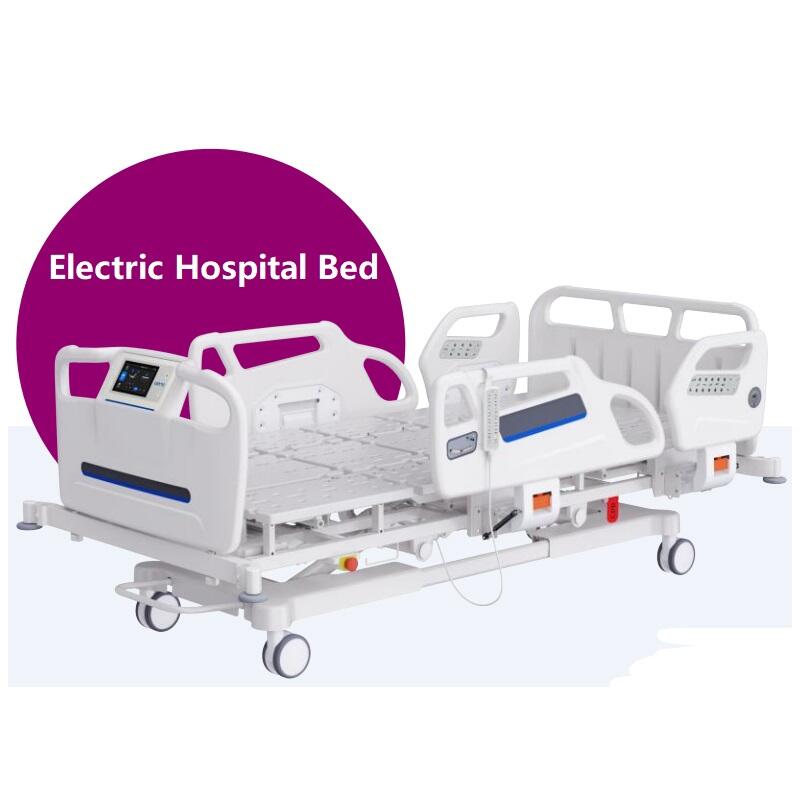
Healthcare facilities and home care environments increasingly recognize the transformative impact of modern medical bed solutions on patient outcomes and caregiver efficiency. An adjustable medical bed represents a fundamental advancement in patient care technology, offering unprecedented control over positioning, comfort, and therapeutic support. These sophisticated healthcare devices have evolved far beyond traditional hospital furniture, incorporating cutting-edge features that address diverse medical conditions while promoting faster recovery times. The integration of electric controls, ergonomic design principles, and safety mechanisms makes today's medical bed an essential component of comprehensive patient care strategies.
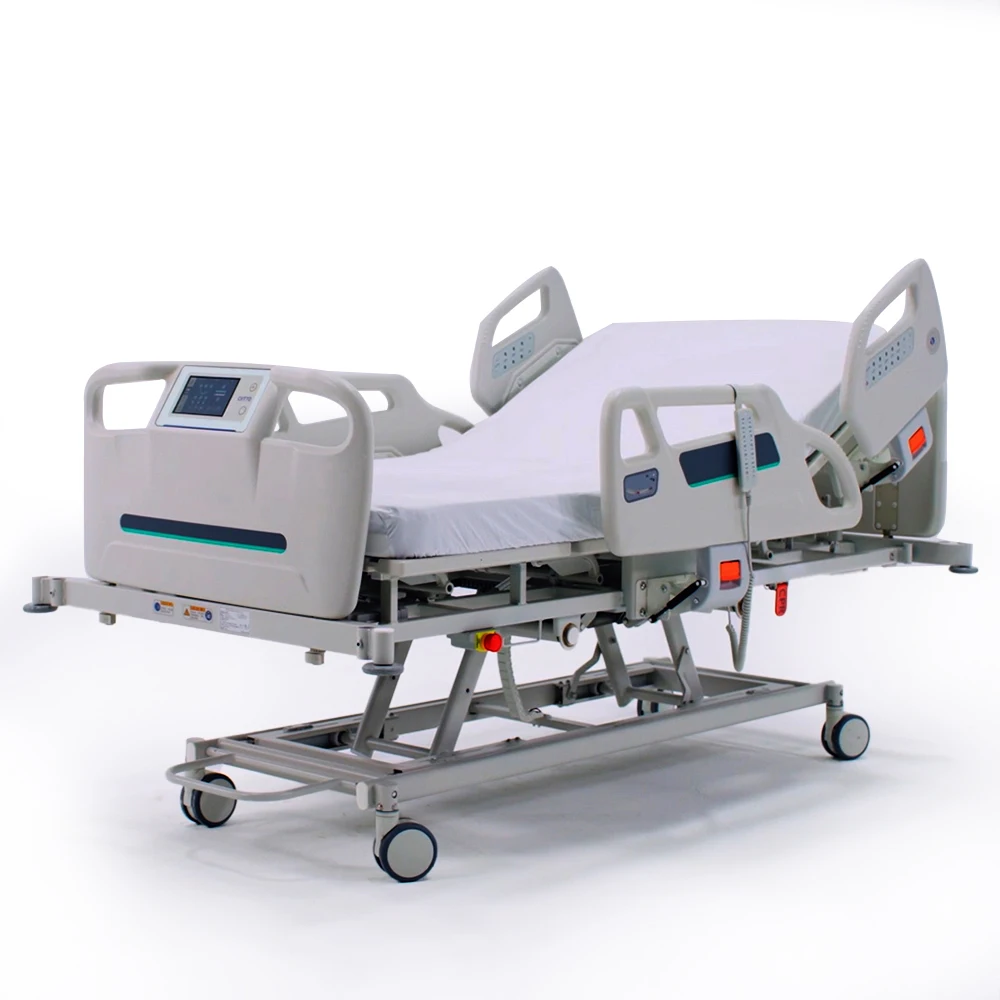
Enhanced Patient Comfort and Positioning
Customizable Sleep and Rest Positions
Modern adjustable medical bed systems provide infinite positioning possibilities that accommodate individual patient needs and medical requirements. The ability to elevate the head section helps patients with respiratory conditions breathe more easily, while leg elevation promotes better circulation and reduces swelling. Electric motors enable smooth, quiet adjustments that can be made frequently without disturbing other patients or requiring caregiver assistance. These positioning capabilities prove particularly beneficial for patients recovering from surgery, managing chronic conditions, or requiring extended bed rest periods.
The sophisticated control systems found in contemporary medical bed designs allow for precise angle adjustments that optimize patient comfort throughout different stages of treatment. Trendelenburg and reverse Trendelenburg positions can be achieved effortlessly, supporting various medical procedures and therapeutic interventions. Memory foam integration and pressure-redistributing surfaces work in conjunction with positioning features to minimize discomfort during long-term use. This level of customization significantly improves patient satisfaction scores and contributes to better overall treatment compliance.
Pressure Relief and Circulation Benefits
Advanced medical bed technology incorporates specialized mattress systems designed to prevent pressure ulcers and promote healthy blood flow. Alternating pressure mechanisms and low-air-loss features create dynamic support surfaces that continuously adjust to patient movement and positioning. These innovations prove especially crucial for immobilized patients who face increased risks of developing pressure sores and circulation-related complications. The integration of temperature control features helps maintain optimal skin conditions while supporting the body's natural healing processes.
Weight distribution capabilities built into modern medical bed frames ensure that pressure points are minimized across all patient contact areas. The combination of adjustable positioning and advanced support surfaces creates an environment that promotes tissue health and accelerates recovery timelines. Clinical studies demonstrate that patients using high-quality medical bed systems experience significantly fewer pressure-related injuries compared to those using standard hospital furniture. This reduction in complications translates to shorter hospital stays, lower treatment costs, and improved patient outcomes across various medical specialties.
Safety Features and Fall Prevention
Integrated Safety Rails and Alarms
Contemporary medical bed designs prioritize patient safety through comprehensive fall prevention systems and emergency response capabilities. Height-adjustable bed frames with low-position settings reduce fall risks while maintaining caregiver accessibility for routine care tasks. Integrated side rails provide secure barriers that can be easily lowered for patient transfers and medical procedures. Motion sensors and bed exit alarms alert healthcare staff to potential safety situations before incidents occur, enabling rapid intervention when necessary.
Lock mechanisms prevent accidental bed movement during patient care activities, while emergency backup systems ensure continued functionality during power outages or technical issues. The incorporation of nurse call systems directly into medical bed controls allows patients to request assistance without reaching for separate communication devices. These safety features work together to create a protective environment that reduces liability risks for healthcare facilities while promoting patient confidence and peace of mind during treatment periods.
Emergency Positioning and CPR Functions
Quick-release mechanisms enable rapid conversion to flat positioning for emergency medical procedures, including cardiopulmonary resuscitation. Medical bed designs incorporate CPR handles and emergency controls that healthcare professionals can operate efficiently during critical situations. The solid foundation and stable construction of modern medical bed frames provide the necessary support for chest compressions and other life-saving interventions. Battery backup systems ensure that positioning functions remain operational even during facility power failures or emergency situations.
Radiolucent sections in medical bed construction allow for imaging procedures without requiring patient transfers, reducing movement-related risks during diagnostic processes. These design features prove invaluable in intensive care units and emergency departments where rapid response capabilities can determine patient outcomes. The seamless integration of emergency functions with standard comfort features ensures that medical bed systems serve dual purposes as both therapeutic tools and safety devices throughout various care scenarios.
Caregiver Benefits and Workflow Efficiency
Ergonomic Advantages for Healthcare Staff
Adjustable height features in modern medical bed systems significantly reduce physical strain on healthcare workers during patient care activities. The ability to raise beds to optimal working heights minimizes bending and reaching motions that contribute to workplace injuries among nursing staff. Electric controls eliminate the need for manual cranking mechanisms that require physical effort and time-consuming adjustments. These ergonomic improvements contribute to better job satisfaction and reduced turnover rates among healthcare personnel.
Smooth mobility systems with high-quality casters enable easy bed repositioning for room cleaning, medical procedures, and patient transport needs. Central locking mechanisms secure the medical bed in position during care activities while allowing quick release for movement when necessary. The integration of storage compartments and accessory mounting points keeps essential supplies and equipment within easy reach of caregivers. These design considerations streamline workflow processes and reduce the time required for routine patient care tasks.
Improved Care Delivery and Documentation
Digital integration capabilities in advanced medical bed systems enable automatic documentation of positioning changes and patient movement patterns. This data collection supports clinical decision-making and helps healthcare teams track treatment progress more effectively. Remote monitoring capabilities allow nursing staff to observe patient status and bed positioning from central stations, improving response times for patient needs. The integration of smart technology features enhances overall care coordination and communication among healthcare team members.
Standardized control interfaces across medical bed models reduce training requirements and minimize user error rates during routine operations. Intuitive design principles ensure that healthcare staff can quickly adapt to different medical bed configurations without extensive retraining periods. These consistency features prove particularly valuable in multi-unit healthcare facilities where staff members rotate between different departments and patient care areas. The streamlined operation contributes to more efficient care delivery and better resource utilization across healthcare organizations.
Cost-Effectiveness and Return on Investment
Reduced Complications and Hospital Stays
Investment in high-quality medical bed systems generates significant cost savings through reduced complication rates and shorter patient stays. Pressure ulcer prevention alone can save thousands of dollars per patient while improving quality of care metrics that affect hospital reimbursement rates. The enhanced comfort and therapeutic positioning capabilities contribute to faster recovery times, enabling healthcare facilities to manage patient throughput more efficiently. These clinical improvements translate directly into improved financial performance and patient satisfaction scores.
Decreased need for specialized pressure-relief equipment and additional positioning devices reduces overall equipment costs and storage requirements. The multi-functional nature of modern medical bed systems eliminates redundant purchases while providing comprehensive patient support capabilities. Long-term durability and reliability features minimize replacement costs and maintenance expenses over the equipment lifecycle. Healthcare facilities report significant returns on medical bed investments through reduced complications, improved efficiency, and enhanced patient outcomes.
Staff Productivity and Operational Efficiency
Automated positioning and control features reduce the time healthcare staff spend on routine bed adjustments and patient positioning tasks. This efficiency improvement allows nurses and caregivers to focus more attention on direct patient care activities and clinical assessments. Reduced physical demands on healthcare workers lead to fewer workplace injuries and associated workers' compensation costs. The improved workflow efficiency contributes to better staff retention rates and reduced recruitment expenses for healthcare organizations.
Maintenance requirements for modern medical bed systems are typically lower than traditional hospital furniture, reducing facility management costs and equipment downtime. Standardized components and modular design principles simplify repair procedures and parts inventory management. Energy-efficient motor systems and LED lighting integration contribute to lower operational costs over time. These operational advantages make medical bed investments attractive from both clinical and financial perspectives for healthcare facility administrators.
Technology Integration and Future Capabilities
Smart Monitoring and Data Collection
Advanced medical bed platforms incorporate sensors and monitoring systems that track patient movement, weight changes, and positioning patterns throughout treatment periods. This continuous data collection provides healthcare teams with valuable insights into patient progress and treatment effectiveness. Integration with electronic health record systems enables automatic documentation of patient care activities and positioning changes. The real-time monitoring capabilities support evidence-based care decisions and improve overall treatment planning processes.
Wireless connectivity features enable remote monitoring and control capabilities that enhance patient safety and care coordination. Healthcare staff can receive alerts about patient movement or positioning needs through mobile devices and central monitoring stations. These technological capabilities support predictive care approaches that anticipate patient needs before complications develop. The integration of artificial intelligence and machine learning algorithms promises even greater capabilities for future medical bed systems in supporting personalized patient care strategies.
Connectivity and Healthcare System Integration
Modern medical bed designs accommodate integration with various healthcare technologies, including patient monitoring systems, IV poles, and therapeutic equipment. Standardized mounting points and power distribution systems ensure compatibility with current and future medical devices. The connectivity features support comprehensive patient care coordination while maintaining organized and efficient care environments. These integration capabilities prove essential in complex care settings where multiple medical devices must work together seamlessly.
Network connectivity enables medical bed systems to participate in facility-wide communication networks and emergency response protocols. Integration with building management systems supports automated environmental controls and security monitoring for patient rooms. The expandable technology architecture ensures that medical bed investments remain current with evolving healthcare technology standards. These forward-compatible features protect healthcare facility investments while providing pathways for continuous improvement in patient care capabilities.
FAQ
How does a medical bed differ from a standard hospital bed
A medical bed incorporates advanced positioning capabilities, electric controls, and integrated safety features that exceed the functionality of traditional hospital furniture. While standard hospital beds may offer basic head and foot adjustments, medical bed systems provide infinite positioning options, pressure relief systems, and smart technology integration. The construction quality, safety mechanisms, and therapeutic features of medical bed designs are specifically engineered to support complex patient care requirements and improve clinical outcomes.
What maintenance requirements are associated with medical bed systems
Regular maintenance for medical bed equipment typically involves cleaning and disinfection protocols, periodic inspection of mechanical components, and software updates for digital systems. Most modern medical bed designs require minimal routine maintenance beyond standard cleaning procedures and occasional lubrication of moving parts. Professional service contracts are available to ensure optimal performance and compliance with safety regulations. The robust construction and quality components used in medical bed manufacturing generally result in lower maintenance requirements compared to older hospital furniture designs.
Can medical bed systems accommodate different patient weight requirements
Contemporary medical bed models are available with various weight capacity specifications ranging from standard patient needs to bariatric requirements exceeding 1000 pounds. The frame construction, motor systems, and safety features are engineered to provide reliable performance across different patient populations. Specialized medical bed configurations address specific needs such as pediatric care, bariatric patients, and intensive care applications. Healthcare facilities can select medical bed models that match their patient demographics and clinical requirements while ensuring appropriate safety margins for all applications.
How do medical bed systems contribute to infection control protocols
Modern medical bed designs incorporate materials and finishes that support rigorous cleaning and disinfection procedures required in healthcare environments. Smooth surfaces, sealed joints, and antimicrobial coatings help prevent bacterial growth and facilitate thorough sanitization between patients. The electrical components and control systems are sealed against moisture intrusion, allowing for comprehensive cleaning without equipment damage. Some medical bed models include integrated UV disinfection systems or special surface treatments that provide additional infection control benefits. These features support healthcare facilities in maintaining strict hygiene standards and preventing healthcare-associated infections.