 EN
EN

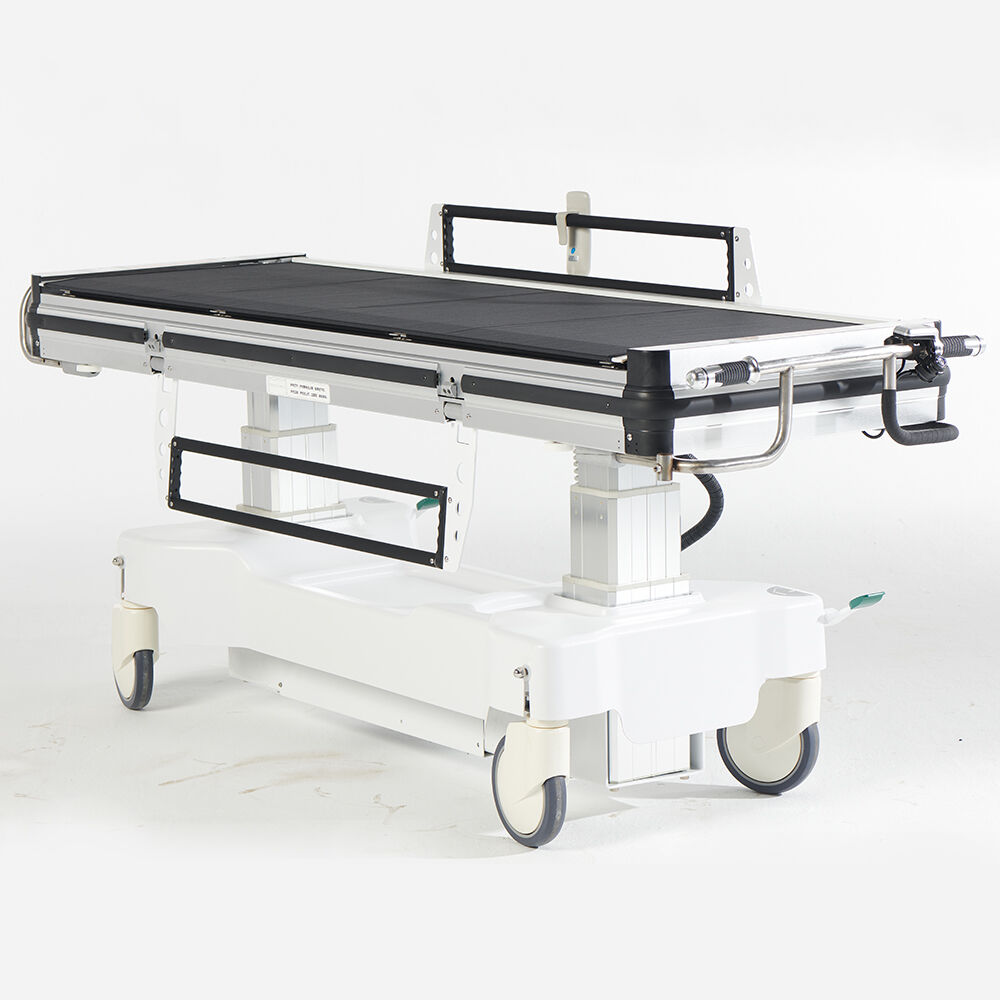
Healthcare facilities worldwide face daily challenges in safely moving patients between different areas of treatment, examination, and recovery. A transfer bed represents a revolutionary solution that combines mobility, safety, and patient comfort into one essential piece of medical equipment. These specialized beds have transformed how medical professionals approach patient transportation, reducing physical strain on healthcare workers while ensuring optimal patient care during transfers.
Modern healthcare environments demand efficient solutions that prioritize both patient safety and staff wellbeing. The transfer bed addresses these critical needs by providing a seamless bridge between stationary patient care and necessary mobility requirements. Understanding how these beds work and their impact on healthcare delivery helps facilities make informed decisions about equipment investments that directly affect patient outcomes and operational efficiency.
Understanding Transfer Bed Technology and Design
Core Components and Mechanical Systems
Every transfer bed incorporates sophisticated engineering designed to facilitate smooth patient movement while maintaining safety standards. The foundation typically features a robust steel frame construction that provides stability during transport while remaining lightweight enough for easy maneuvering. High-quality casters with advanced locking mechanisms ensure the bed remains stationary when needed and moves effortlessly when transportation is required.
The mattress platform of a transfer bed often includes adjustable sections that accommodate various patient positions and medical procedures. Many models incorporate electric or hydraulic height adjustment systems, allowing healthcare workers to position patients at optimal levels for different care scenarios. This adjustability reduces the physical strain associated with patient transfers and enables more precise positioning for medical interventions.
Safety Features and Patient Protection
Safety rails represent one of the most critical components of any quality transfer bed, providing essential protection during patient movement and positioning. These rails typically feature multiple height settings and easy-release mechanisms that allow healthcare workers to quickly adjust barriers based on patient needs. The rails must meet strict medical equipment standards to ensure they can withstand the forces encountered during emergency situations or when dealing with agitated patients.
Advanced transfer bed models incorporate additional safety features such as brake systems that engage automatically when the bed is not in active use. Some units include electronic monitoring systems that alert staff to potential safety issues, while others feature antimicrobial surfaces that help prevent the spread of infections in healthcare environments.
Clinical Applications and Healthcare Benefits
Emergency Department Efficiency
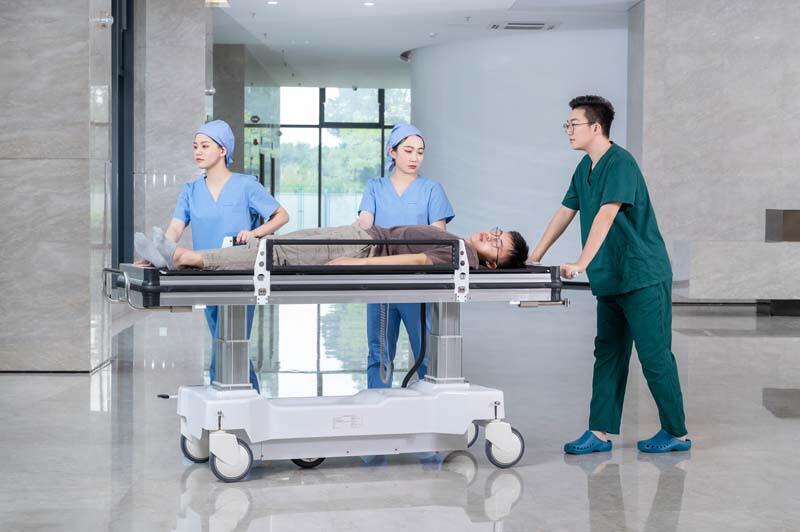
Emergency departments rely heavily on transfer bed systems to manage patient flow and ensure rapid response capabilities. These beds enable quick patient transportation from ambulances to treatment areas, reducing critical time delays that can impact patient outcomes. The mobility provided by a quality transfer bed allows emergency teams to rapidly reposition patients for imaging studies, procedures, or transfers to specialized care units.
The versatility of transfer beds in emergency settings extends beyond basic transportation needs. Many models accommodate emergency medical equipment and monitoring devices, allowing continuous patient care during movement. This capability proves especially valuable when dealing with critical patients who require constant monitoring and immediate access to life-support systems during transfers between departments.
Surgical and Recovery Applications
Surgical departments utilize transfer bed systems to streamline pre-operative and post-operative patient management. These beds facilitate smooth transitions from pre-op preparation areas to operating rooms, minimizing patient stress and reducing the need for multiple transfers. The ability to maintain patient positioning throughout the transfer process helps preserve surgical site preparation and reduces contamination risks.
Recovery areas benefit significantly from transfer bed technology, as these units allow for easy patient repositioning during the recovery process. Healthcare workers can quickly adjust bed height and angle to optimize patient comfort and facilitate monitoring activities. The mobility features enable rapid response to emergencies while maintaining the stability needed for ongoing patient care.
Staff Ergonomics and Workplace Safety
Reducing Physical Strain and Injury Risk
Healthcare workers face significant physical demands when moving and positioning patients throughout their shifts. A well-designed transfer bed dramatically reduces the manual lifting and repositioning required, helping prevent work-related injuries that commonly affect nursing staff and orderlies. The adjustable height features allow workers to position patients at comfortable working levels, reducing back strain and repetitive stress injuries.
The smooth mobility provided by quality transfer bed systems eliminates the need for multiple staff members to manually carry or drag patients between locations. This reduction in physical demands allows healthcare teams to focus more energy on patient care activities rather than exhausting themselves with manual patient handling tasks. Facilities that invest in proper transfer bed equipment often see reduced workers compensation claims and improved staff retention rates.
Operational Efficiency and Time Management
Time efficiency represents a critical factor in healthcare delivery, and transfer bed systems contribute significantly to streamlined operations. These beds enable single-person patient transportation in many scenarios, freeing up additional staff for other essential duties. The speed and ease of patient movement reduce bottlenecks in busy healthcare environments, allowing for better patient flow management and improved resource utilization.
Modern transfer bed designs often incorporate features that support electronic medical records integration and patient tracking systems. Some models include barcode scanners or RFID capabilities that automatically update patient locations within hospital information systems. This integration reduces administrative burden on nursing staff while improving accuracy of patient tracking and location management throughout the facility.
Selection Criteria and Implementation Considerations
Facility Assessment and Needs Analysis
Choosing the right transfer bed requires careful evaluation of specific facility needs, patient populations, and operational requirements. Healthcare facilities must consider factors such as typical patient weight ranges, frequency of transfers, and the types of medical procedures commonly performed. Different transfer bed models offer varying weight capacities and specialized features that may be essential for certain patient care scenarios.
The physical layout of healthcare facilities significantly impacts transfer bed selection decisions. Narrow hallways, elevator dimensions, and doorway widths all influence which models will function effectively within existing infrastructure. Facilities should measure critical pathways and ensure selected transfer bed models can navigate all necessary routes without compromising patient safety or care delivery.
Integration with Existing Equipment
Successful transfer bed implementation requires consideration of compatibility with existing medical equipment and facility systems. Many healthcare facilities use standardized medical gas connections, electrical systems, and monitoring equipment that must integrate seamlessly with new transfer bed purchases. Compatibility issues can create costly delays and safety concerns if not addressed during the selection process.
Staff training represents another crucial aspect of transfer bed implementation, as healthcare workers must understand proper operation procedures and safety protocols. Quality manufacturers provide comprehensive training programs that cover equipment features, maintenance requirements, and emergency procedures. Ongoing training ensures that staff members can maximize the benefits of transfer bed technology while maintaining the highest safety standards for patient care.
Maintenance and Longevity Considerations
Preventive Maintenance Protocols
Regular maintenance ensures that transfer bed systems continue operating safely and efficiently throughout their service life. Healthcare facilities should establish comprehensive maintenance schedules that address mechanical components, electrical systems, and safety features. Proper maintenance protocols help prevent unexpected equipment failures that could compromise patient safety or disrupt healthcare operations.
Quality transfer bed manufacturers typically provide detailed maintenance guidelines and support services to help facilities maintain their equipment investments. These resources often include troubleshooting guides, replacement part availability, and technical support services. Following manufacturer recommendations helps ensure warranty coverage while maximizing equipment reliability and performance over time.
Cost-Effectiveness and Return on Investment
Healthcare facilities must evaluate the long-term cost benefits of transfer bed investments, considering both initial purchase costs and ongoing operational savings. Quality transfer bed systems often provide significant returns through reduced staff injury costs, improved operational efficiency, and enhanced patient satisfaction scores. The durability of well-constructed units means lower replacement costs and reduced maintenance expenses over the equipment lifecycle.
Budget considerations should include not only the purchase price of transfer bed units but also training costs, maintenance requirements, and potential facility modifications needed for optimal implementation. Many facilities find that investing in higher-quality transfer bed systems provides better long-term value through improved reliability, enhanced safety features, and superior performance characteristics that support better patient outcomes.
FAQ
What weight capacity should I look for in a transfer bed
Most standard transfer bed models support between 350-500 pounds, though bariatric units can accommodate patients up to 1000 pounds or more. Consider your facility's typical patient population and choose models that provide adequate safety margins beyond your heaviest patients. Higher capacity units typically feature reinforced frames and heavy-duty casters designed for increased load requirements.
How do electric controls improve transfer bed functionality
Electric controls allow precise height adjustment, position changes, and accessory operation without manual effort from healthcare staff. These systems reduce physical strain on workers while providing more accurate patient positioning for procedures and comfort. Battery backup systems ensure continued operation during power outages, maintaining essential functionality for patient care and safety.
What maintenance schedule is recommended for transfer bed equipment
Most manufacturers recommend daily visual inspections, weekly functional checks, and monthly detailed maintenance reviews. Annual professional servicing helps identify potential issues before they become safety concerns or operational problems. Maintaining detailed service records supports warranty coverage and helps facilities track equipment performance over time.
Are transfer bed systems compatible with existing hospital equipment
Modern transfer bed designs typically accommodate standard medical equipment connections including IV poles, monitoring devices, and oxygen systems. However, compatibility varies by manufacturer and model, so facilities should verify integration capabilities before purchasing. Some units offer modular accessory systems that can be customized to match specific equipment requirements and workflow needs.