 EN
EN

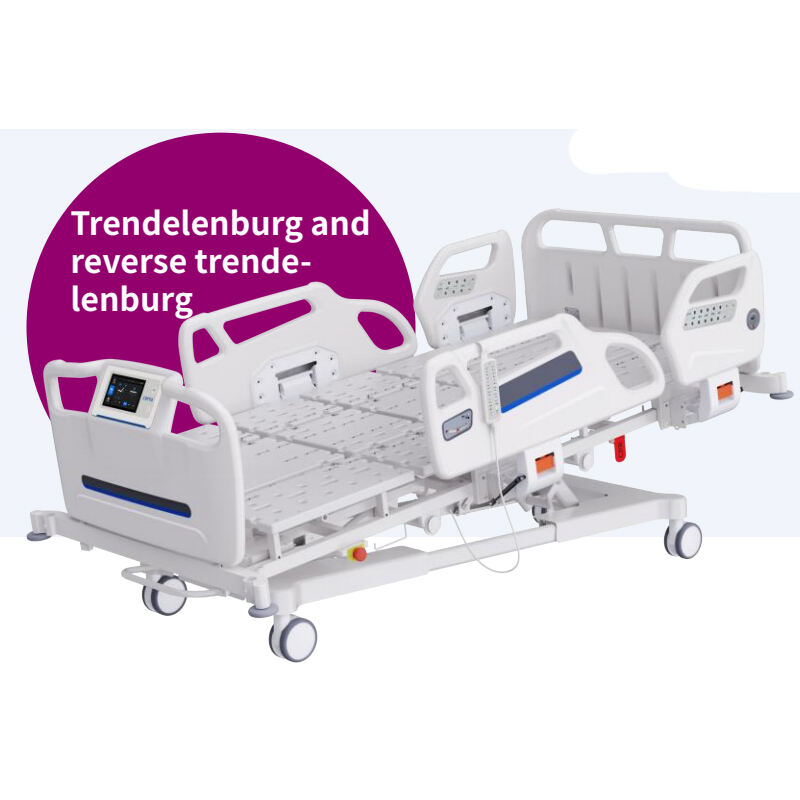
Healthcare facilities worldwide recognize that investing in quality equipment directly impacts patient outcomes and operational efficiency. Among the most critical pieces of equipment in any medical setting, a medical bed serves as the foundation of patient care, providing comfort, safety, and therapeutic positioning. Modern healthcare environments demand sophisticated solutions that address diverse patient needs while maintaining cost-effectiveness and durability. The evolution of medical bed technology has transformed these essential items from simple resting platforms into comprehensive care systems that support healing, rehabilitation, and long-term patient management.
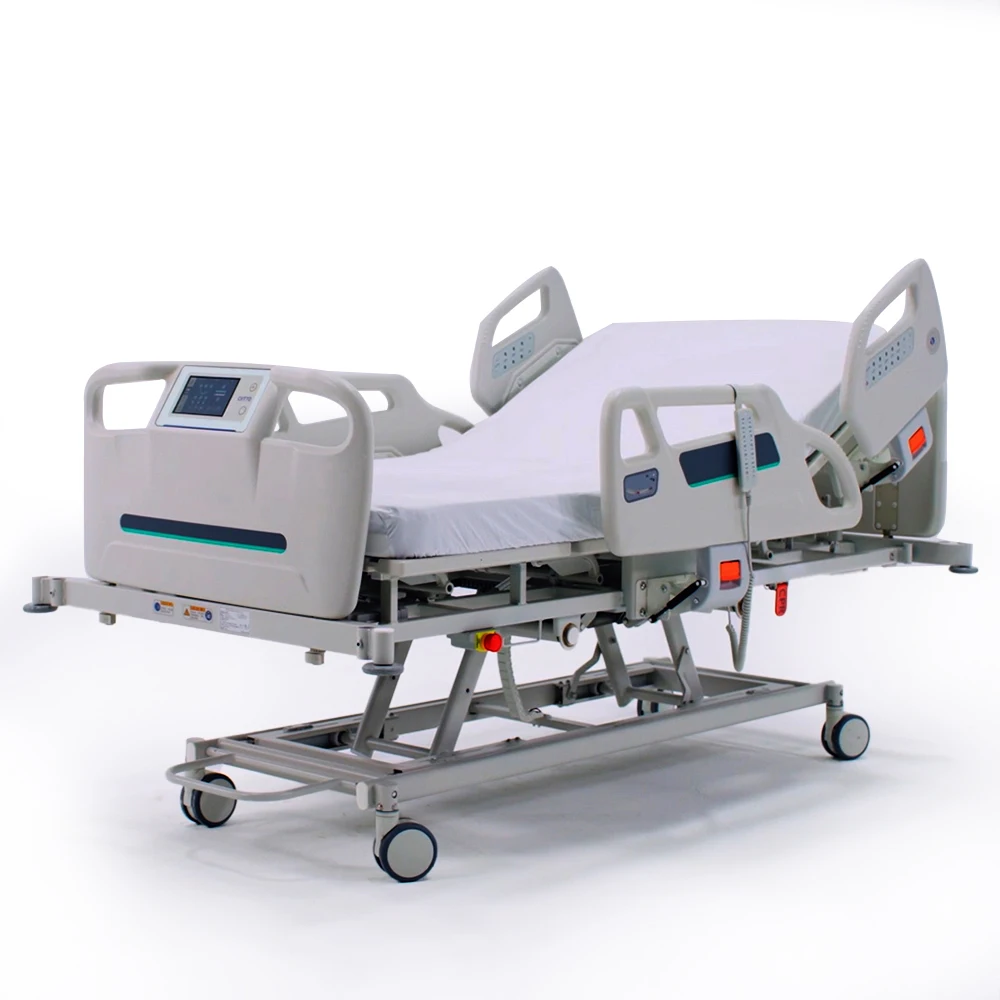
Advanced Features That Define Modern Medical Bed Solutions
Electric Adjustment Systems and Patient Positioning
Contemporary medical bed designs incorporate sophisticated electric adjustment mechanisms that enable precise patient positioning for various therapeutic needs. These systems allow healthcare providers to modify bed height, head elevation, foot positioning, and overall bed configuration with minimal physical effort. Electric controls reduce strain on nursing staff while providing patients with greater independence and comfort during extended stays. The precision of modern electric systems ensures smooth, quiet operation that minimizes disturbance to patients and surrounding areas.
Advanced positioning capabilities support critical medical procedures and patient comfort requirements. Healthcare professionals can quickly adjust bed configurations to facilitate examinations, treatments, and daily care activities. These adjustments prove particularly valuable in intensive care units where patient positioning directly impacts respiratory function, circulation, and pressure point management. The reliability of electric systems reduces maintenance requirements while ensuring consistent performance throughout the medical bed lifecycle.
Safety Features and Patient Protection Systems
Modern medical bed designs prioritize patient safety through integrated protection systems that prevent accidents and injuries. Side rails with secure locking mechanisms provide fall protection while allowing easy access for caregivers. Emergency positioning features enable rapid bed adjustments during critical situations, ensuring patient safety remains paramount. Weight capacity specifications exceed standard requirements to accommodate diverse patient populations and additional medical equipment.
Safety systems extend beyond physical barriers to include electrical safety features and emergency backup systems. Medical grade electrical components meet stringent healthcare standards for patient protection and operational reliability. These comprehensive safety measures create secure environments that support patient recovery while minimizing liability risks for healthcare facilities. Regular safety inspections and maintenance protocols ensure continued protection throughout the medical bed service life.
Clinical Applications and Specialized Care Requirements
Intensive Care Unit Applications
Intensive care environments demand medical bed solutions that support complex patient monitoring and treatment protocols. ICU patients require frequent position changes to prevent complications such as pressure ulcers, respiratory congestion, and circulation problems. Advanced medical bed systems facilitate these position changes while maintaining patient comfort and supporting attached medical equipment. Integration capabilities allow seamless connection of monitoring devices, ventilators, and other critical care equipment.
The ability to achieve precise positioning angles supports various therapeutic interventions and patient comfort measures. Trendelenburg and reverse Trendelenburg positions aid in specific medical procedures and circulatory support. These positioning options prove essential for patients with respiratory difficulties, cardiac conditions, or neurological complications. Medical bed flexibility ensures appropriate positioning for diverse patient conditions and treatment requirements.
Long-Term Care and Rehabilitation Settings
Long-term care facilities benefit from medical bed features that support patient independence and caregiver efficiency. Adjustable positioning helps patients participate in daily activities while maintaining comfort and dignity. Easy-to-use controls allow patients to make minor adjustments independently, promoting autonomy and psychological well-being. Durable construction withstands frequent use while maintaining appearance and functionality over extended periods.
Rehabilitation applications require medical bed systems that adapt to changing patient needs throughout recovery processes. Physical therapy activities benefit from bed positioning that supports various exercises and mobility training. Occupational therapy goals align with bed features that encourage patient participation in self-care activities. The versatility of modern medical bed designs accommodates diverse rehabilitation protocols while ensuring patient comfort and safety.
Economic Benefits and Return on Investment
Operational Efficiency and Staff Productivity
Healthcare facilities experience significant operational benefits from investing in quality medical bed systems. Electric adjustment capabilities reduce physical strain on nursing staff, decreasing workplace injuries and associated costs. Streamlined patient positioning procedures allow staff to complete care tasks more efficiently, improving overall productivity. Time savings from automated bed functions enable healthcare workers to focus on direct patient care rather than manual equipment adjustments.
Maintenance requirements for modern medical bed systems remain minimal due to robust construction and reliable components. Preventive maintenance schedules ensure optimal performance while minimizing unexpected repairs and downtime. The longevity of quality medical bed systems provides excellent return on investment through years of dependable service. Reduced replacement frequency translates to lower long-term equipment costs for healthcare facilities.
Patient Satisfaction and Care Quality Improvements
Patient comfort directly influences satisfaction scores and healthcare facility reputation. Medical bed features that enhance comfort contribute to positive patient experiences and improved outcomes. Quiet operation, smooth adjustments, and ergonomic design elements create healing environments that support patient well-being. Comfortable patients require fewer pain medications and experience faster recovery times, reducing overall treatment costs.
Quality medical bed systems support infection control protocols through easy-to-clean surfaces and antimicrobial materials. Reduced infection rates benefit both patients and healthcare facilities through improved outcomes and cost savings. The durability of professional-grade materials maintains appearance and hygiene standards throughout the bed lifecycle. These factors contribute to overall care quality improvements that justify the initial investment in superior equipment.
Technical Specifications and Selection Criteria
Weight Capacity and Structural Integrity
Medical bed selection requires careful consideration of weight capacity requirements to accommodate diverse patient populations. Bariatric patients require specialized medical bed systems with enhanced structural support and increased weight limits. Standard capacity beds typically support 350-500 pounds, while heavy-duty models accommodate up to 1000 pounds or more. Frame construction materials and reinforcement points determine overall structural integrity and safety margins.
Load distribution systems ensure even weight distribution across the medical bed frame to prevent stress concentrations and potential failures. Quality construction includes reinforced mounting points for side rails, adjustment mechanisms, and accessory attachments. These structural considerations ensure safe operation throughout the expected service life while maintaining stability during patient movement and position changes. Professional installation and regular inspections verify continued structural integrity and safety compliance.
Power Systems and Control Interfaces
Electrical systems in modern medical bed designs incorporate redundant safety features and reliable power management. Battery backup systems ensure continued operation during power outages, maintaining patient safety and comfort. Low-voltage operation minimizes electrical hazards while providing sufficient power for all adjustment functions. Energy-efficient motors and controls reduce operating costs while maintaining responsive performance.
User interfaces balance functionality with simplicity to accommodate both healthcare professionals and patients. Intuitive controls reduce training requirements while preventing accidental adjustments. Lockout features prevent unauthorized changes while maintaining emergency access capabilities. Remote control options provide flexibility for both bedside and centralized operation, enhancing overall system usability and efficiency.
Maintenance and Lifecycle Management
Preventive Maintenance Protocols
Systematic maintenance programs ensure optimal medical bed performance and extend equipment lifecycles. Regular inspections identify potential issues before they impact patient care or safety. Lubrication schedules, electrical testing, and mechanical adjustments maintain smooth operation and prevent premature wear. Documentation of maintenance activities supports regulatory compliance and warranty requirements.
Training programs for maintenance staff ensure proper care and handling of medical bed systems. Understanding of electrical components, mechanical systems, and safety features enables effective troubleshooting and repair. Manufacturer support includes technical documentation, spare parts availability, and training resources. These comprehensive support systems minimize downtime and maintain consistent equipment performance throughout the service life.
Replacement Planning and Technology Updates
Healthcare facilities benefit from strategic planning for medical bed replacement cycles based on usage patterns, maintenance costs, and technology advances. Depreciation schedules and lifecycle analysis guide optimal replacement timing to maximize value and minimize disruption. Technology updates may warrant earlier replacement to access improved features and capabilities. Budget planning incorporates both scheduled replacements and emergency contingencies.
Evaluation of new medical bed technologies helps facilities stay current with industry advances and patient care improvements. Demonstration programs allow hands-on evaluation of new features and capabilities before making purchasing decisions. Trade-in programs may provide value for existing equipment while facilitating technology upgrades. These strategic approaches ensure healthcare facilities maintain modern, effective medical bed systems that support quality patient care.
FAQ
What are the key differences between manual and electric medical beds?
Electric medical bed systems offer significant advantages over manual versions, including effortless position adjustments, reduced physical strain on caregivers, and precise positioning control. Electric models provide consistent, smooth operation while manual beds require physical effort to adjust and may not achieve the same precision. Electric systems also offer features like preset positions, memory functions, and remote control capabilities that enhance both patient comfort and caregiver efficiency.
How do weight capacity requirements affect medical bed selection?
Weight capacity considerations extend beyond patient weight to include additional equipment, bedding, and caregiver assistance during procedures. Standard medical bed systems typically accommodate 350-500 pounds, while bariatric models support 600-1000 pounds or more. Proper weight capacity selection ensures safety, structural integrity, and optimal performance throughout the bed lifecycle. Facilities should consider their patient population demographics when determining appropriate weight capacity requirements.
What safety features should be prioritized in medical bed selection?
Essential safety features include reliable side rails with secure locking mechanisms, emergency positioning controls, electrical safety systems, and weight capacity compliance. Additional considerations include fall prevention systems, entrapment protection, and emergency lowering capabilities. Medical bed selection should prioritize features that address specific patient populations and care environments. Regular safety inspections and staff training ensure proper utilization of all safety systems.
How does medical bed quality impact long-term operational costs?
Quality medical bed systems reduce long-term costs through lower maintenance requirements, extended service life, and improved reliability. While initial investment may be higher, premium systems typically provide better return on investment through reduced repairs, decreased downtime, and enhanced durability. Energy-efficient motors and controls minimize operating costs while robust construction reduces replacement frequency. These factors contribute to lower total cost of ownership over the equipment lifecycle.