 EN
EN

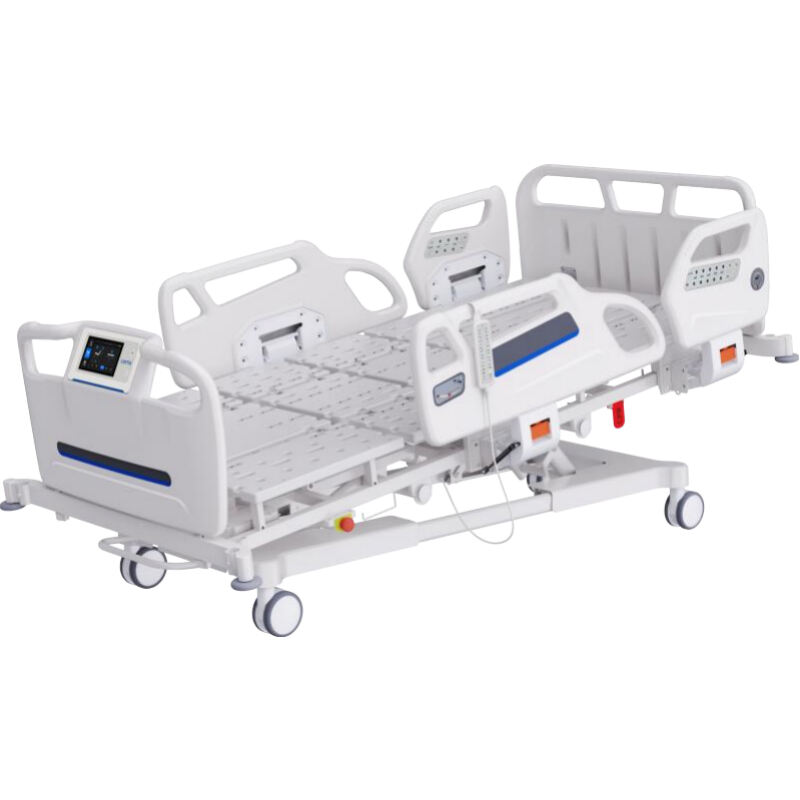
Healthcare workers face immense physical demands during their daily routines, with patient care activities placing significant strain on their bodies. The selection of appropriate equipment, particularly a high-quality medical bed, plays a crucial role in reducing workplace injuries and improving overall ergonomics. Modern healthcare facilities increasingly recognize that investing in advanced medical bed technology directly impacts staff wellbeing, patient safety, and operational efficiency.
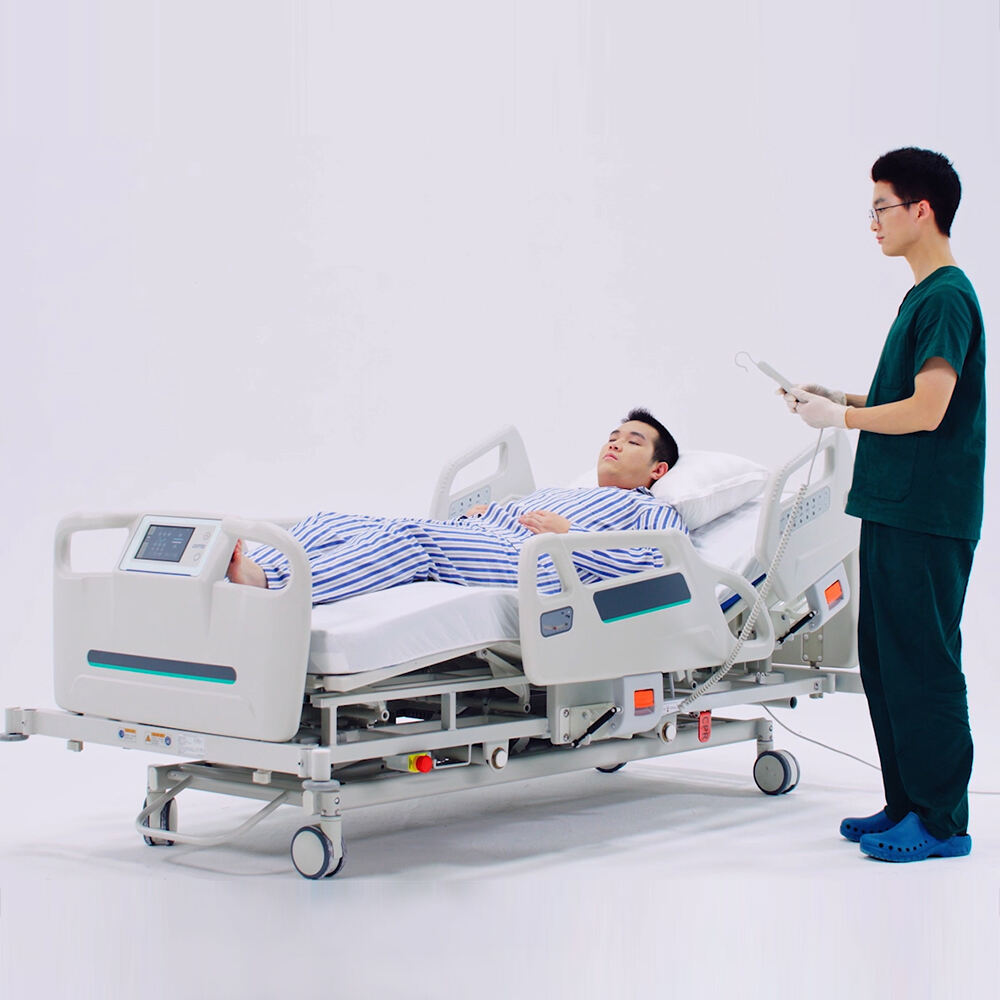
The physical toll on healthcare professionals continues to escalate as patient acuity levels increase and staffing challenges persist. Back injuries, shoulder strains, and repetitive stress disorders plague healthcare workers at alarming rates. Research indicates that nursing staff experience musculoskeletal injuries at rates significantly higher than construction workers, highlighting the urgent need for ergonomic solutions in medical environments.
Understanding Physical Strain in Healthcare Settings
Common Injury Patterns Among Healthcare Workers
Healthcare workers commonly experience injuries related to patient handling, with back injuries representing the most frequent complaint. These injuries typically occur during patient transfers, repositioning activities, and prolonged periods of awkward positioning. A properly designed medical bed can significantly reduce the frequency and severity of these incidents by incorporating height adjustment capabilities and smooth transfer mechanisms.
The cumulative effect of repetitive motions and heavy lifting creates chronic conditions that affect career longevity. Many experienced nurses report persistent pain that impacts their ability to provide optimal patient care. The implementation of ergonomic medical bed solutions addresses these concerns by minimizing manual lifting requirements and promoting proper body mechanics during patient care activities.
Economic Impact of Workplace Injuries
Healthcare facilities face substantial costs associated with worker compensation claims, reduced productivity, and staff turnover related to workplace injuries. Studies demonstrate that facilities investing in ergonomic equipment, including advanced medical bed systems, experience significant reductions in injury-related expenses. The return on investment becomes apparent through decreased insurance premiums, reduced sick leave utilization, and improved staff retention rates.
Beyond direct costs, workplace injuries create ripple effects throughout healthcare organizations. Temporary staffing requirements, overtime expenses, and training costs for replacement personnel compound the financial burden. A strategic approach to equipment selection, particularly regarding medical bed specifications, can mitigate these cascading expenses while enhancing workplace safety culture.
Ergonomic Features of Modern Medical Beds
Height Adjustment Technology
Contemporary medical bed designs incorporate sophisticated height adjustment mechanisms that eliminate the need for healthcare workers to bend or reach excessively during patient care. Electric controls allow precise positioning at optimal working heights, reducing spinal stress and improving access to patients. These adjustments can be made quickly and quietly, minimizing disruption to patient rest while maximizing caregiver comfort.
The range of height adjustment varies among different medical bed models, with premium units offering extensive vertical travel capabilities. This flexibility accommodates caregivers of different statures and various care activities, from detailed examinations requiring lower positions to routine care tasks performed at standing height. The smooth operation of these systems ensures consistent positioning without jarring movements that could startle patients or strain equipment components.
Transfer and Mobility Enhancements
Advanced medical bed systems feature integrated transfer capabilities that streamline patient movement between different care areas. These mechanisms reduce manual lifting requirements and provide secure support during transitions. The medical bed technology incorporates safety locks, smooth rolling systems, and intuitive controls that enhance both caregiver efficiency and patient comfort during transfers.
The integration of mobility features within the medical bed structure eliminates the need for separate transfer equipment in many situations. This consolidation reduces equipment costs, storage requirements, and the complexity of patient handling procedures. Healthcare workers benefit from streamlined workflows that minimize physical exertion while maintaining high standards of patient safety and care quality.
Impact on Patient Care Quality
Improved Access and Positioning
When healthcare workers experience less physical strain, their ability to focus on patient care improves significantly. A well-designed medical bed facilitates better access to patients from multiple angles, enabling thorough assessments and treatments without compromising caregiver posture. This enhanced accessibility translates to more comprehensive care delivery and improved patient outcomes.
Precise positioning capabilities allow healthcare workers to optimize patient comfort while maintaining their own ergonomic safety. The ability to adjust multiple bed sections independently provides flexibility for various medical procedures and patient preferences. These features reduce the time spent on manual repositioning and minimize patient discomfort during extended care periods.
Enhanced Safety Protocols
Modern medical bed systems incorporate multiple safety features that protect both patients and caregivers during routine care activities. Side rails, brake systems, and position locks prevent accidental movement while allowing controlled adjustments when needed. These safety mechanisms reduce the risk of falls and injuries while providing confidence for healthcare workers performing various care tasks.
The predictable operation of advanced medical bed controls enables healthcare workers to maintain focus on patient needs rather than equipment management. Intuitive interfaces and reliable mechanical systems support efficient care delivery while reducing the cognitive burden on already stressed healthcare professionals. This improved focus contributes to better clinical decision-making and enhanced patient satisfaction.
Long-term Benefits for Healthcare Organizations
Staff Retention and Satisfaction
Healthcare organizations that prioritize worker safety through ergonomic equipment investments, including quality medical bed systems, typically experience improved staff retention rates. When employees feel supported through proper equipment provision, job satisfaction increases and turnover decreases. This stability benefits patient care continuity and reduces recruitment costs associated with frequent staff changes.
The demonstration of organizational commitment to worker wellbeing through medical bed upgrades and other ergonomic improvements creates a positive workplace culture. Healthcare workers appreciate employers who invest in their safety and comfort, leading to increased loyalty and engagement. These intangible benefits contribute to overall organizational success and reputation within the healthcare community.
Operational Efficiency Improvements
Efficient medical bed systems streamline daily workflows by reducing the time required for patient positioning, transfers, and routine care activities. Healthcare workers can accomplish more tasks in less time while maintaining quality standards, improving overall departmental productivity. This efficiency gain becomes particularly valuable during peak census periods or staffing shortages.
The reliability of modern medical bed technology reduces maintenance downtime and equipment-related delays in patient care. Consistent performance enables healthcare teams to maintain predictable schedules and meet patient needs without unexpected interruptions. This operational stability contributes to better resource utilization and improved patient throughput in busy healthcare facilities.
Implementation Strategies for Healthcare Facilities
Assessment and Planning Considerations
Healthcare facilities should conduct thorough assessments of current injury patterns, staff feedback, and patient care requirements before selecting medical bed systems. This evaluation process should include input from frontline healthcare workers, maintenance personnel, and administrative staff to ensure comprehensive consideration of all relevant factors. The assessment results guide equipment specifications and implementation priorities.
Budget planning for medical bed replacements requires consideration of both immediate costs and long-term benefits. While initial investments may appear substantial, the reduction in injury-related expenses, improved staff productivity, and enhanced patient satisfaction typically justify the expenditure. Facilities should develop phased implementation plans that allow gradual equipment upgrades without disrupting ongoing patient care operations.
Training and Change Management
Successful medical bed implementation requires comprehensive training programs that familiarize healthcare workers with new features and capabilities. These educational initiatives should emphasize proper usage techniques, safety protocols, and maintenance requirements to maximize equipment lifespan and effectiveness. Ongoing support ensures that staff members feel confident using advanced medical bed technology in various care scenarios.
Change management strategies should address potential resistance to new medical bed systems while highlighting the benefits for both workers and patients. Clear communication about ergonomic advantages, safety improvements, and efficiency gains helps build enthusiasm for equipment upgrades. Regular feedback collection during implementation allows for adjustments and ensures optimal utilization of new medical bed capabilities.
FAQ
How do medical beds specifically reduce back strain for healthcare workers
Medical beds with electric height adjustment eliminate the need for healthcare workers to bend over patients during care activities. By positioning the bed at optimal working height, caregivers can maintain proper posture while performing assessments, treatments, and routine care tasks. This positioning reduces spinal compression and minimizes the risk of back injuries that commonly occur when working at inappropriate heights.
What features should healthcare facilities prioritize when selecting medical beds
Priority features include electric height adjustment with a wide range of positions, smooth and quiet operation, reliable brake systems, and intuitive controls. Transfer capabilities, side rail safety features, and durability for frequent use are also essential considerations. The medical bed should accommodate various patient sizes while providing easy access for healthcare workers from multiple angles.
How long does it typically take to see injury reduction after implementing ergonomic medical beds
Healthcare facilities often observe initial improvements in worker comfort within the first few weeks of medical bed implementation. Measurable reductions in injury rates typically become apparent within three to six months as staff members adapt to proper ergonomic techniques. Long-term benefits, including reduced workers compensation claims and improved staff retention, may take twelve to eighteen months to fully materialize.
What maintenance requirements are associated with modern medical bed systems
Modern medical bed systems require regular inspection of electrical components, mechanical adjustments, and safety features to ensure optimal performance. Routine cleaning and lubrication of moving parts extend equipment lifespan while maintaining smooth operation. Most manufacturers recommend quarterly professional maintenance visits along with daily operational checks by healthcare staff to identify potential issues before they impact patient care or worker safety.
Table of Contents
- Understanding Physical Strain in Healthcare Settings
- Ergonomic Features of Modern Medical Beds
- Impact on Patient Care Quality
- Long-term Benefits for Healthcare Organizations
- Implementation Strategies for Healthcare Facilities
-
FAQ
- How do medical beds specifically reduce back strain for healthcare workers
- What features should healthcare facilities prioritize when selecting medical beds
- How long does it typically take to see injury reduction after implementing ergonomic medical beds
- What maintenance requirements are associated with modern medical bed systems