 EN
EN

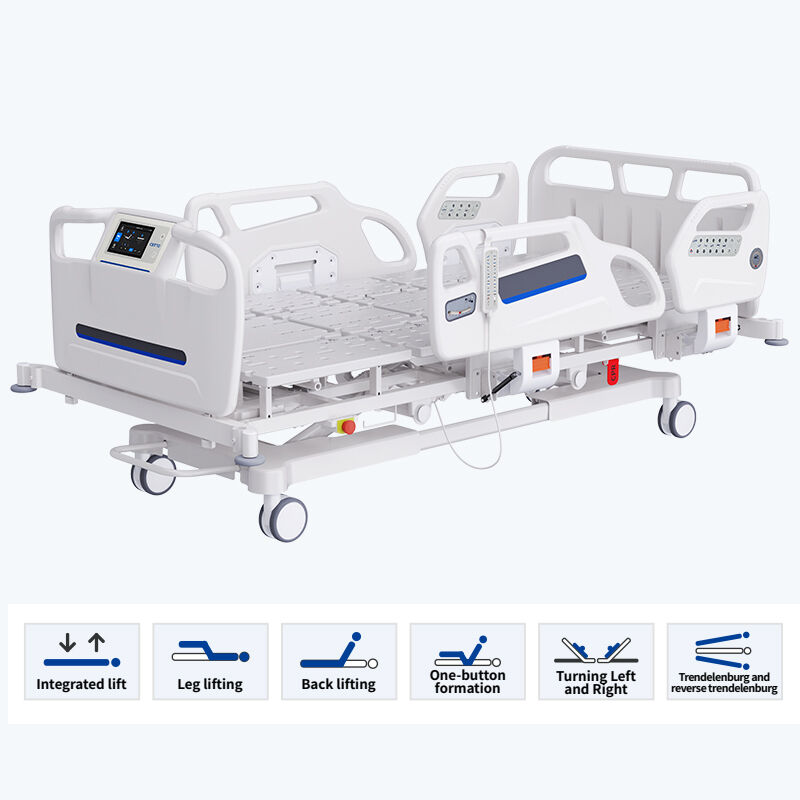
Intensive care units represent the most critical environments in healthcare facilities, where patient outcomes depend heavily on advanced equipment and precise care delivery. The selection of appropriate patient care equipment becomes paramount in these high-stakes settings, with the medical bed serving as the foundation for comprehensive patient management. Modern electric medical beds have revolutionized ICU care by providing enhanced functionality, improved patient comfort, and streamlined workflow efficiency for healthcare professionals. These sophisticated systems integrate multiple therapeutic functions while maintaining the reliability and safety standards essential for critical care environments.
Advanced Electric Positioning Systems
Multi-Axis Movement Capabilities
Electric medical beds designed for intensive care units incorporate sophisticated positioning mechanisms that enable precise patient positioning across multiple axes. These systems typically feature independent adjustment of head elevation, knee flexion, and overall bed height, allowing healthcare providers to optimize patient positioning for various medical procedures and therapeutic interventions. The electric actuators provide smooth, quiet operation that minimizes patient disturbance while delivering accurate positioning control. Advanced models include lateral tilt functionality, which proves invaluable for pressure redistribution and respiratory management in critically ill patients.
The integration of programmable positioning presets enables rapid deployment of specific bed configurations for common ICU scenarios such as cardiac positioning, respiratory therapy, or feeding positions. This automation reduces the time healthcare staff spend on manual adjustments while ensuring consistent positioning accuracy. The medical bed control systems often feature both bedside and nurse call station integration, providing flexible operation options that accommodate different care scenarios and emergency response requirements.
Precision Control Technology
Modern electric medical beds incorporate advanced control systems that deliver precise positioning capabilities essential for ICU patient care. These systems utilize linear actuators and servo motors that provide smooth, incremental adjustments measured in degrees or millimeters rather than crude mechanical positions. The control interfaces typically feature intuitive touchpad designs with clear visual indicators showing current bed positions and available adjustment ranges.
The electronic control systems include safety interlocks that prevent potentially harmful positioning combinations while maintaining full functionality for therapeutic positioning requirements. Advanced models incorporate weight distribution sensors that automatically adjust positioning parameters based on patient weight and distribution patterns. This intelligent adaptation ensures optimal support and pressure management throughout various positioning adjustments, contributing to improved patient outcomes and reduced caregiver workload.
Enhanced Patient Safety Features
Integrated Fall Prevention Systems
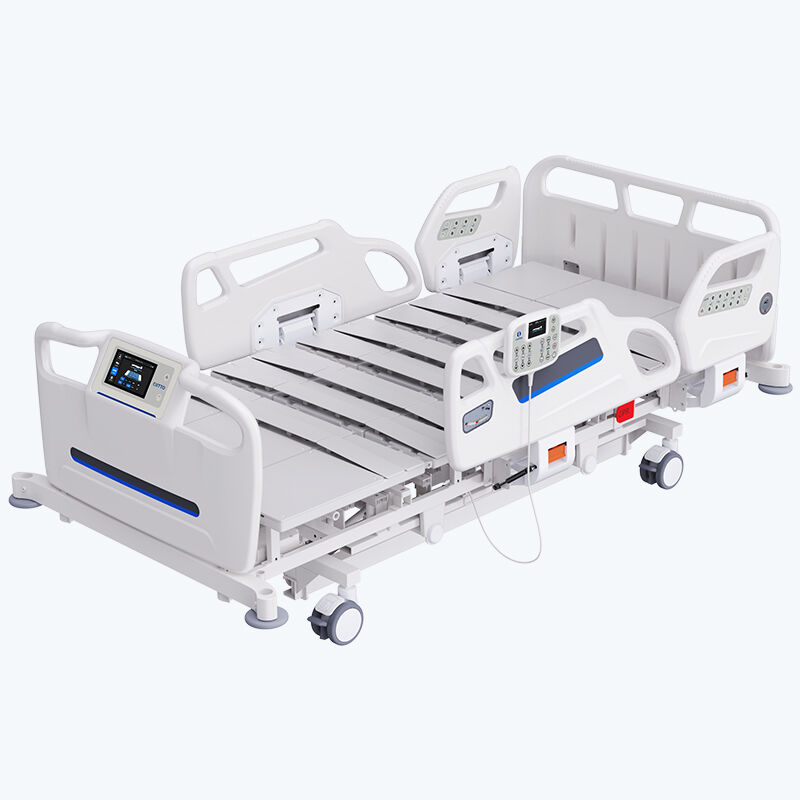
Safety considerations in ICU environments demand comprehensive fall prevention measures integrated directly into the medical bed design. Electric medical beds feature adjustable side rails with multiple height positions and secure locking mechanisms that accommodate various patient sizes and mobility levels. These systems include pressure-sensitive sensors that can detect patient movement patterns and alert nursing staff to potential fall risks before incidents occur.
The bed exit alarm systems integrate with hospital communication networks to provide immediate notification when patients attempt to leave the bed unassisted. Advanced models include bed surface sensors that monitor patient position and movement throughout the sleep cycle, providing valuable data for both immediate safety monitoring and long-term care planning. These comprehensive safety systems reduce liability risks while improving patient confidence and family satisfaction with the care environment.
Emergency Response Capabilities
Critical care environments require immediate access to emergency positioning functions, and modern electric medical beds incorporate dedicated emergency controls that override standard operational parameters. These systems include rapid-deployment CPR positioning that automatically flattens the bed surface and adjusts height for optimal resuscitation access within seconds of activation. The emergency controls feature prominent visual and tactile identification to ensure rapid location during high-stress situations.
Battery backup systems ensure continued operation during power outages, maintaining critical positioning capabilities and safety functions even when primary electrical systems fail. The backup power systems typically provide several hours of operation capacity, sufficient to maintain patient safety during extended power interruptions or facility transfers. These reliability features prove essential for maintaining continuity of care in critical situations where equipment failure could compromise patient outcomes.
Clinical Integration and Workflow Optimization
Electronic Health Record Connectivity
Contemporary electric medical beds feature advanced connectivity options that integrate seamlessly with hospital information systems and electronic health records. These connections enable automatic documentation of positioning changes, mobility assessments, and bed utilization data that supports comprehensive patient care planning and regulatory compliance. The data integration reduces manual documentation requirements while improving accuracy and completeness of patient records.
The connectivity features extend to real-time monitoring capabilities that track patient movement patterns, sleep quality indicators, and pressure distribution metrics. This continuous data collection provides healthcare teams with objective measurements that support evidence-based care decisions and outcome tracking. The medical bed systems can automatically generate reports for quality assurance programs and regulatory compliance documentation, streamlining administrative workflows while maintaining comprehensive care documentation.
Caregiver Efficiency Enhancement
Electric medical beds contribute significantly to caregiver efficiency through ergonomic design features and automated functions that reduce physical strain and time requirements for routine care activities. The variable height adjustment capability enables healthcare providers to position the bed at optimal working heights for different procedures, reducing back strain and improving care delivery precision. These ergonomic benefits translate to reduced workplace injuries and improved job satisfaction among nursing staff.
Automated positioning functions eliminate the need for multiple staff members to manually reposition patients, freeing nursing resources for other critical care activities. The programmable positioning presets enable rapid deployment of specific configurations for procedures such as wound care, respiratory therapy, or medication administration. This automation standardizes patient positioning while reducing the time required for routine care activities, ultimately improving overall unit efficiency and patient throughput.
Patient Comfort and Recovery Enhancement
Pressure Redistribution Technology
Extended bed rest periods common in ICU settings create significant risks for pressure ulcer development, making effective pressure redistribution a critical consideration in medical bed selection. Electric medical beds incorporate advanced surface technologies and positioning capabilities that actively manage pressure distribution across patient contact points. The automated position changes help maintain circulation and reduce tissue compression duration, supporting skin integrity maintenance throughout extended care periods.
The integration of pressure-sensing mattress systems with electric positioning controls creates dynamic pressure management that responds automatically to patient movement and position changes. These systems continuously monitor pressure distribution patterns and make micro-adjustments to bed positioning that optimize comfort while maintaining therapeutic positioning requirements. This active pressure management reduces the incidence of pressure-related complications while improving overall patient comfort and recovery outcomes.
Sleep Quality Optimization
Sleep quality plays a crucial role in patient recovery, particularly in ICU environments where normal sleep patterns face significant disruption from medical interventions and environmental factors. Electric medical beds contribute to improved sleep quality through quiet operation, smooth position changes, and customizable comfort settings that accommodate individual patient preferences. The precise positioning capabilities enable optimization of respiratory function and circulation during sleep periods.
Advanced models include sleep monitoring capabilities that track movement patterns, position preferences, and sleep cycle data that inform personalized comfort optimization strategies. The medical bed systems can automatically make subtle position adjustments during sleep periods to maintain optimal comfort and circulation without disturbing patient rest. These features contribute to faster recovery times and improved patient satisfaction scores while reducing the need for sleep medications that may complicate critical care management.
Economic Considerations and Return on Investment
Operational Cost Reduction
The initial investment in electric medical beds generates significant operational cost savings through reduced labor requirements, decreased injury rates, and improved patient outcomes that translate to shorter length of stay periods. The automation features reduce the time nursing staff spend on routine positioning tasks, allowing reallocation of human resources to direct patient care activities that improve satisfaction scores and clinical outcomes.
Maintenance cost advantages of electric medical beds include predictable service schedules, remote diagnostic capabilities, and component standardization that reduces inventory requirements and service complexity. The electronic systems provide detailed usage logs and performance data that enable predictive maintenance strategies, reducing unexpected equipment failures and associated emergency repair costs. These operational efficiencies contribute to improved unit profitability while maintaining high-quality patient care standards.
Quality Outcome Impact
Electric medical beds contribute measurably to improved quality outcomes through reduced complication rates, enhanced patient satisfaction, and streamlined care delivery processes. The pressure ulcer prevention capabilities alone generate significant cost savings by reducing treatment requirements, extended stay durations, and liability exposure associated with hospital-acquired conditions. These quality improvements translate directly to improved reimbursement rates and reduced penalty exposure under value-based care programs.
Patient satisfaction improvements associated with enhanced comfort and perceived quality of care contribute to improved hospital reputation and market position. The advanced features of electric medical beds demonstrate institutional commitment to patient care excellence, supporting marketing efforts and physician recruitment initiatives. These intangible benefits complement direct cost savings to deliver comprehensive return on investment that extends beyond simple equipment replacement calculations.
Technology Integration and Future Readiness
Smart Hospital Integration
Modern healthcare facilities increasingly adopt smart hospital technologies that require equipment capable of seamless integration with building management systems, communication networks, and patient care platforms. Electric medical beds designed for contemporary ICU environments include standard communication protocols and interface capabilities that support integration with nurse call systems, environmental controls, and patient entertainment systems.
The integration capabilities extend to artificial intelligence and machine learning platforms that analyze patient movement patterns, positioning preferences, and outcome correlations to optimize automated care delivery. These advanced analytics capabilities enable continuous improvement of care protocols and positioning strategies based on objective performance data. The medical bed systems serve as data collection platforms that contribute to institutional learning and evidence-based care development initiatives.
Scalability and Upgrade Potential
Investment in electric medical beds requires consideration of long-term scalability and upgrade potential to accommodate evolving care protocols and technological advances. Contemporary bed systems feature modular designs that enable addition of new capabilities through software updates and hardware additions rather than complete equipment replacement. This upgrade flexibility protects institutional investments while ensuring continued access to advanced care capabilities.
The standardization of communication protocols and interface designs enables integration of new monitoring devices, therapeutic equipment, and care delivery tools as they become available. This flexibility ensures that medical bed investments remain current with technological advances throughout their operational lifespan, maximizing return on investment while maintaining cutting-edge care capabilities.
FAQ
What are the primary advantages of electric medical beds in ICU settings
Electric medical beds provide numerous advantages in ICU environments, including precise positioning control for optimal patient care, reduced physical strain on healthcare staff, enhanced safety features such as fall prevention systems, and improved patient comfort through automated pressure redistribution. These beds also offer better integration with hospital information systems and contribute to more efficient workflow management in critical care settings.
How do electric medical beds improve patient safety compared to manual alternatives
Electric medical beds enhance patient safety through integrated fall prevention systems, pressure-sensitive monitoring, automated positioning that reduces human error, and emergency response capabilities including rapid CPR positioning. The precise electronic controls eliminate the risk of sudden position changes that can occur with manual beds, while backup power systems ensure continued operation during emergencies.
What maintenance requirements are associated with electric medical beds
Electric medical beds require regular preventive maintenance including battery system checks, actuator lubrication, control system calibration, and safety feature testing. Most modern systems include self-diagnostic capabilities that alert maintenance staff to potential issues before equipment failure occurs. The standardized components and electronic monitoring systems generally result in lower maintenance costs compared to complex mechanical alternatives.
How do electric medical beds contribute to improved patient outcomes in ICU care
Electric medical beds contribute to improved patient outcomes through enhanced pressure ulcer prevention, optimized respiratory positioning, reduced complications from prolonged bed rest, and improved sleep quality that supports recovery. The precise positioning capabilities enable better implementation of evidence-based care protocols while the integrated monitoring systems provide data that supports clinical decision-making and care optimization strategies.
Table of Contents
- Advanced Electric Positioning Systems
- Enhanced Patient Safety Features
- Clinical Integration and Workflow Optimization
- Patient Comfort and Recovery Enhancement
- Economic Considerations and Return on Investment
- Technology Integration and Future Readiness
-
FAQ
- What are the primary advantages of electric medical beds in ICU settings
- How do electric medical beds improve patient safety compared to manual alternatives
- What maintenance requirements are associated with electric medical beds
- How do electric medical beds contribute to improved patient outcomes in ICU care