 EN
EN

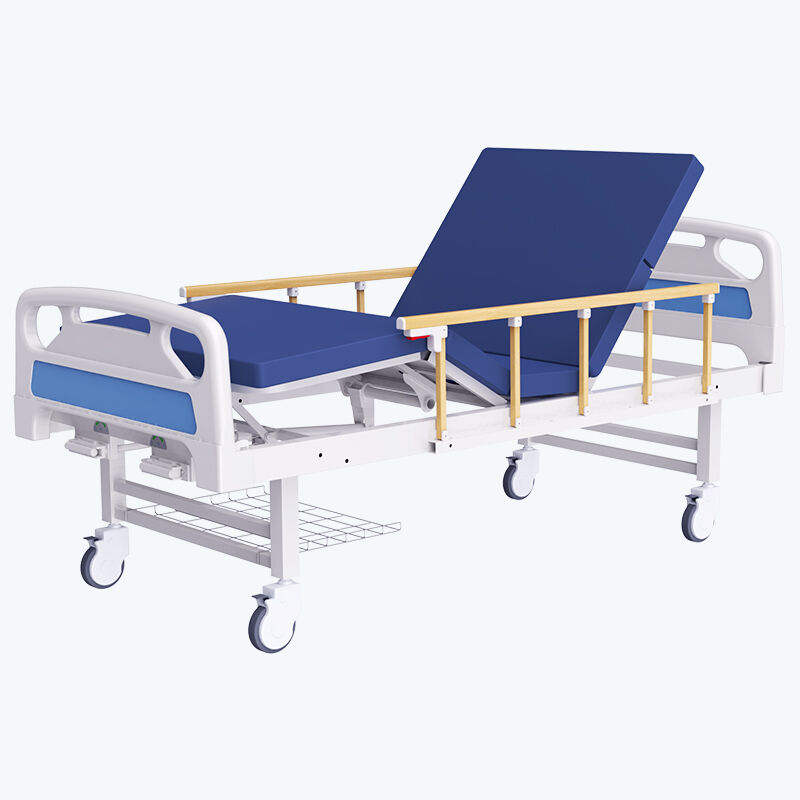
Selecting the appropriate patient bed for home care requires careful consideration of multiple factors that directly impact both patient comfort and caregiver efficiency. A well-chosen patient bed serves as the foundation for quality home healthcare, providing essential support for recovery, daily activities, and long-term care management. The decision involves evaluating medical needs, space constraints, budget considerations, and specific features that enhance both safety and comfort for patients requiring extended bed rest or mobility assistance.
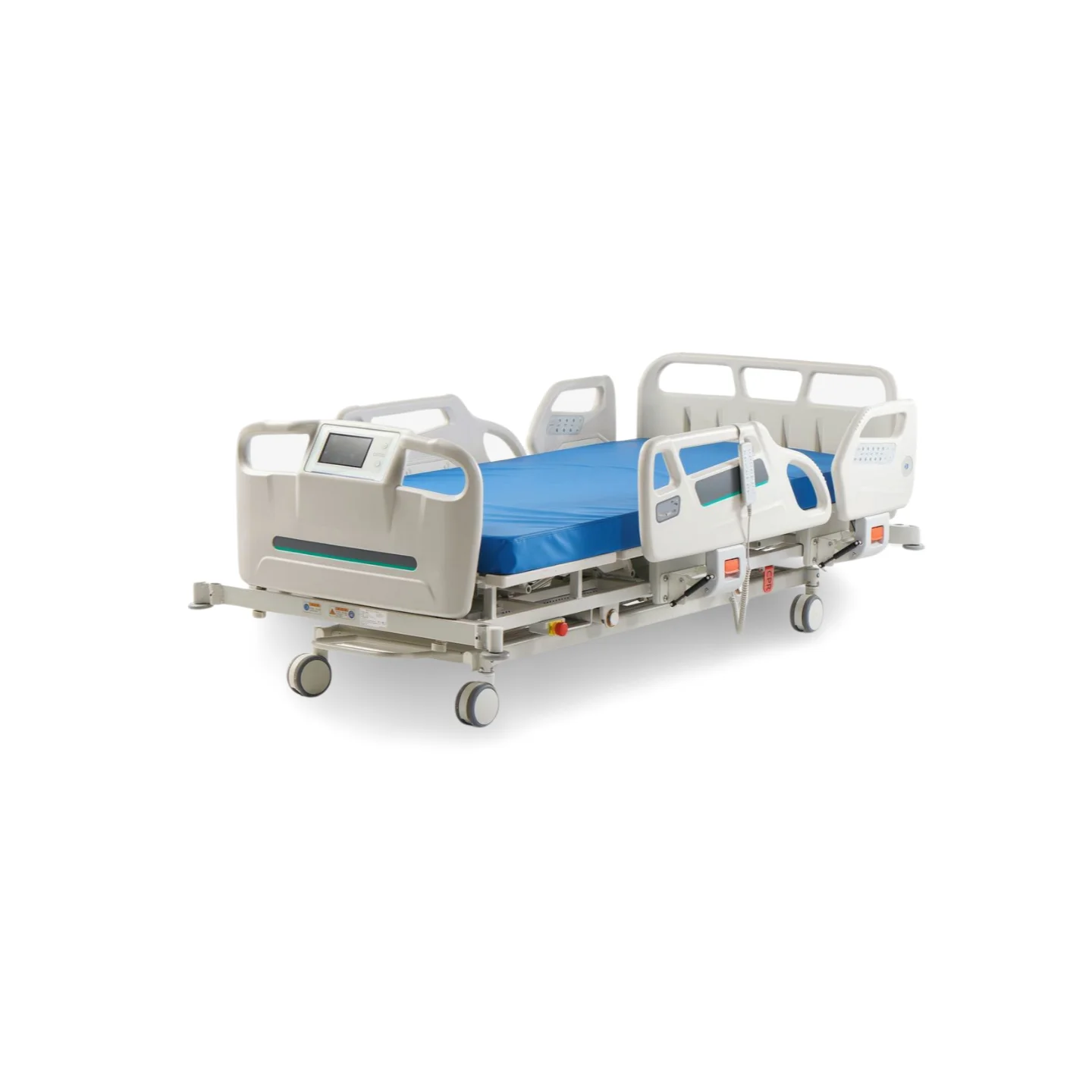
Home healthcare has experienced tremendous growth as families increasingly prefer caring for loved ones in familiar environments rather than institutional settings. This shift has created a substantial demand for medical equipment that traditionally was only available in hospitals and nursing facilities. The modern patient bed designed for home use incorporates advanced features while maintaining user-friendly operation that family members can manage effectively without extensive medical training.
Understanding the various types of patient beds available in today's market enables families to make informed decisions that align with specific care requirements. From basic manual adjustment models to sophisticated electric beds with integrated monitoring systems, the range of options can accommodate diverse medical conditions and budgetary constraints. The investment in a quality patient bed often proves cost-effective compared to extended institutional care while providing superior emotional and psychological benefits for patients who remain in their home environment.
Essential Features of Modern Patient Beds
Adjustability and Positioning Mechanisms
The primary distinguishing feature of any quality patient bed lies in its ability to provide multiple positioning options that accommodate various medical needs and comfort preferences. Electric patient bed models offer precise adjustments through motorized controls, allowing caregivers and patients to modify head elevation, foot positioning, and overall bed height with minimal physical effort. These adjustments prove particularly valuable for patients with respiratory conditions, circulation issues, or those requiring frequent position changes to prevent pressure sores.
Manual adjustment mechanisms, while requiring more physical effort, provide reliable positioning options at lower cost points. These systems typically utilize hand cranks or lever mechanisms that allow caregivers to adjust bed positions as needed throughout the day. The choice between electric and manual adjustment often depends on the frequency of position changes required, caregiver physical capabilities, and available budget for the patient bed investment.
Advanced positioning features include Trendelenburg positioning for certain medical procedures, cardiac chair positioning for patients with heart conditions, and zero-gravity positioning that can improve circulation and reduce pressure points. These specialized positions require careful consideration of the patient's specific medical needs and consultation with healthcare providers to ensure appropriate selection and usage.
Safety and Security Components
Modern patient bed designs incorporate comprehensive safety features that protect patients from falls, entrapment, and accidental injury during daily care activities. Side rails represent the most visible safety feature, available in full-length, half-length, and split-rail configurations to accommodate different patient mobility levels and care requirements. These rails must meet strict safety standards to prevent entrapment while providing necessary fall protection.
Brake systems on patient bed wheels ensure stable positioning during transfers and care activities while allowing easy movement when necessary. High-quality brake mechanisms engage automatically when weight is applied to the bed, providing additional security during patient transfers and caregiver activities. Some advanced models include central braking systems that engage all wheels simultaneously with a single action.
Emergency positioning features allow rapid bed flattening in medical emergencies, ensuring healthcare providers can perform CPR and other critical interventions without delay. These mechanisms typically override standard electrical controls and can be activated quickly by emergency personnel or trained caregivers when immediate intervention becomes necessary.
Medical Considerations and Patient Needs Assessment
Mobility and Independence Requirements
Assessing patient mobility levels directly influences patient bed selection, as different conditions require varying degrees of support and independence accommodation. Patients with limited mobility benefit from low-height bed options that facilitate easier transfers to wheelchairs or walking aids, while those with good upper body strength may prefer beds with accessible controls for independent positioning adjustments.
The patient bed surface and mattress compatibility play crucial roles in maintaining skin integrity and preventing pressure ulcers in patients with limited mobility. Pressure redistribution systems, whether through specialized mattresses or integrated bed surface technologies, require careful evaluation based on patient weight, skin condition, and duration of bed rest expected during the care period.
Transfer assistance features, including bed height adjustment ranges and side rail configurations, must align with patient capabilities and caregiver physical limitations. Some patient bed models include built-in transfer aids such as trapeze bars or integrated lift points that facilitate safer patient movement and reduce caregiver strain during daily care activities.
Chronic Condition Accommodations
Specific medical conditions require specialized patient bed features that address unique care challenges and comfort needs. Cardiac patients benefit from beds capable of achieving optimal positioning for breathing comfort and circulation improvement, while patients with spinal conditions may require specialized support surfaces and positioning capabilities that maintain proper alignment during rest periods.
Respiratory conditions often necessitate patient bed models with superior head elevation capabilities and integrated oxygen equipment mounting options. These beds may include features such as built-in nebulizer platforms, oxygen tank holders, and electrical outlets positioned for convenient ventilator or CPAP machine connections without creating hazardous cord arrangements.
Bariatric patient bed options accommodate patients with higher weight requirements through reinforced frame construction, wider sleeping surfaces, and enhanced weight capacity ratings. These specialized beds often include additional safety features and wider door clearances to facilitate movement through standard residential doorways and hallway configurations.
Space Planning and Home Environment Integration
Room Layout and Accessibility Planning
Successful patient bed integration into home environments requires careful measurement and planning to ensure adequate clearance for both bed operation and caregiver movement. Standard bedroom spaces may require furniture rearrangement or removal to accommodate the larger footprint of medical patient bed models compared to conventional furniture. Doorway widths, hallway access, and stairway considerations impact both initial delivery and potential future relocation needs.
Electrical requirements for powered patient bed models include accessible outlets, proper grounding, and surge protection to ensure safe operation of motorized components. Some beds require dedicated electrical circuits to prevent overloading existing home electrical systems, particularly when used in conjunction with other medical equipment such as oxygen concentrators or monitoring devices.
Caregiver access considerations involve planning adequate space around the patient bed for wheelchair access, medical equipment positioning, and emergency personnel movement if required. The bed positioning should facilitate easy access to patient monitoring equipment, medication storage, and communication devices while maintaining patient privacy and dignity during care activities.
Integration with Existing Medical Equipment
Many home care patients require multiple pieces of medical equipment that must coordinate effectively with the chosen patient bed configuration. IV poles, oxygen equipment, monitoring devices, and mobility aids require strategic positioning that maintains functionality without creating safety hazards or impediments to daily care routines.
Cable management systems built into modern patient bed designs help organize electrical cords, oxygen tubing, and monitoring cables to prevent entanglement hazards while maintaining equipment functionality. These systems typically include routing channels, cord clips, and dedicated equipment mounting points that keep essential medical devices within easy reach while maintaining a clean, organized care environment.
Future equipment needs consideration involves selecting patient bed models with expansion capabilities that can accommodate changing medical requirements over time. Modular accessory systems allow addition of features such as bed scales, specialized mattress systems, or monitoring equipment without requiring complete bed replacement as patient conditions evolve.
Cost Analysis and Financing Options
Initial Investment and Long-term Value
Patient bed pricing varies significantly based on features, adjustability options, and manufacturing quality, ranging from basic manual models to sophisticated electric beds with advanced monitoring capabilities. While initial costs may seem substantial, the long-term value proposition often favors home care solutions when compared to extended institutional care expenses, particularly for patients requiring months or years of specialized support.
Quality construction in patient bed manufacturing directly impacts durability and maintenance requirements over the expected service life. Higher-grade materials, precision manufacturing, and robust mechanical components typically justify increased initial investment through reduced maintenance costs and extended operational life spans that can exceed ten years with proper care and maintenance.
Warranty coverage and manufacturer support services represent important value considerations beyond initial purchase price. Comprehensive warranty programs that include parts replacement, service calls, and technical support provide peace of mind and help control long-term ownership costs for families investing in patient bed solutions for extended home care needs.
Insurance and Financial Assistance Programs
Medicare, Medicaid, and private insurance programs often provide partial or complete coverage for medically necessary patient bed equipment when prescribed by healthcare providers and meeting specific criteria. Documentation requirements, prior authorization processes, and coverage limitations vary among insurance providers, requiring careful navigation to maximize available benefits and minimize out-of-pocket expenses.
Rental versus purchase decisions depend on anticipated usage duration, insurance coverage options, and personal financial circumstances. Short-term needs may favor rental agreements that include maintenance and service support, while long-term care situations often make purchase arrangements more cost-effective over extended time periods.
Financial assistance programs through manufacturers, healthcare organizations, and charitable foundations may provide additional support for families facing financial hardship while needing essential patient bed equipment. These programs often require application processes and eligibility verification but can significantly reduce the financial burden of acquiring necessary medical equipment for home care situations.
Maintenance and Care Requirements
Daily Cleaning and Sanitization Protocols
Proper maintenance of patient bed equipment ensures optimal performance, extends service life, and maintains hygienic conditions essential for patient health and safety. Daily cleaning protocols involve wiping down all surfaces with appropriate disinfectants, checking mechanical components for proper operation, and inspecting electrical connections and controls for signs of wear or damage that could compromise safety or functionality.
Mattress care and surface cleaning require specific attention to prevent moisture accumulation, odor development, and bacterial growth that can compromise patient health. Waterproof mattress covers, regular rotation schedules, and appropriate cleaning products designed for medical equipment help maintain sanitary conditions while preserving mattress integrity and comfort properties.
Moving parts lubrication and adjustment verification should be performed regularly according to manufacturer specifications to prevent mechanical failures and ensure smooth operation. This includes checking brake mechanisms, testing emergency positioning features, and verifying that all electrical controls function properly and respond appropriately to user inputs.
Professional Service and Technical Support
Scheduled professional maintenance services help identify potential issues before they become serious problems that could compromise patient safety or bed functionality. These services typically include comprehensive inspections, preventive maintenance procedures, and documentation that may be required for insurance coverage or warranty compliance.
Technical support availability becomes crucial when patient bed malfunctions occur, particularly for patients who depend on bed positioning for medical stability or comfort. Reliable manufacturer support services should provide prompt response times, knowledgeable technical assistance, and access to replacement parts when needed to minimize disruption to patient care routines.
Training programs for caregivers ensure proper patient bed operation and basic troubleshooting capabilities that can resolve minor issues without requiring professional service calls. These programs typically cover safe operating procedures, emergency protocols, and basic maintenance tasks that family caregivers can perform safely and effectively.
FAQ
What is the average lifespan of a home care patient bed
A quality patient bed designed for home use typically lasts 8-12 years with proper maintenance and regular care. The lifespan depends on usage frequency, patient weight, maintenance quality, and initial manufacturing standards. Electric models may require more frequent servicing of motorized components, while manual beds often have longer mechanical lifespans due to fewer complex parts that can fail over time.
How do I determine the right patient bed size for my home
Measure your available space carefully, allowing at least 3 feet of clearance on both sides and at the foot of the patient bed for caregiver access and equipment placement. Consider doorway widths for delivery and potential future moves, ceiling height for bed positioning, and electrical outlet locations. Standard patient bed dimensions are typically 36 inches wide and 84 inches long, but bariatric models require additional space considerations.
Can Medicare cover the cost of a patient bed for home use
Medicare Part B may cover up to 80% of the approved cost for a patient bed when deemed medically necessary by a physician and supplied by a Medicare-approved vendor. Coverage requirements include a doctor's prescription, documentation of medical need, and use of approved suppliers. The patient bed must meet specific medical criteria and be used in the patient's home rather than in assisted living or nursing facilities.
What safety features should I prioritize when selecting a patient bed
Essential safety features include reliable brake systems on all wheels, properly designed side rails that prevent entrapment, emergency positioning capabilities for medical interventions, and electrical safety certifications for powered models. Look for beds that meet FDA regulations and healthcare industry standards. Additional safety considerations include weight capacity ratings, stability during position changes, and caregiver-friendly controls that prevent accidental adjustments during patient care activities.