 EN
EN

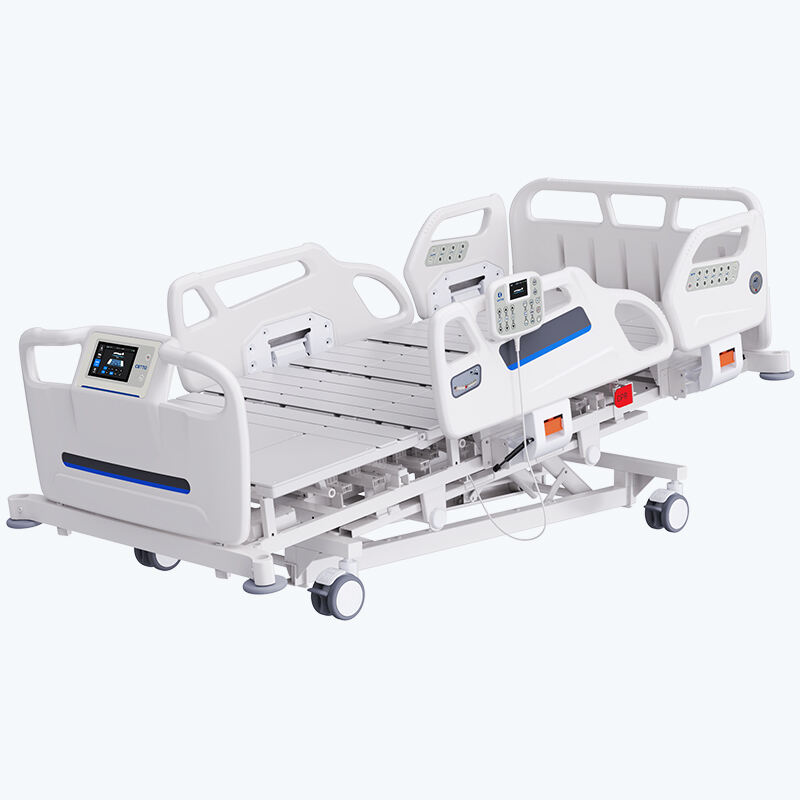
Modern healthcare facilities face increasing pressure to provide exceptional patient care while managing operational costs effectively. Among the most critical equipment investments hospitals make today is the selection of advanced patient bed systems. Electric patient beds have emerged as a cornerstone of contemporary healthcare infrastructure, offering unprecedented versatility in patient positioning, enhanced safety features, and improved workflow efficiency for medical staff. The evolution from traditional manual beds to sophisticated electric systems represents a fundamental shift in how healthcare facilities approach patient comfort and clinical outcomes. Understanding the comprehensive benefits of electric patient bed technology enables hospital administrators to make informed decisions that positively impact both patient satisfaction and long-term operational success.
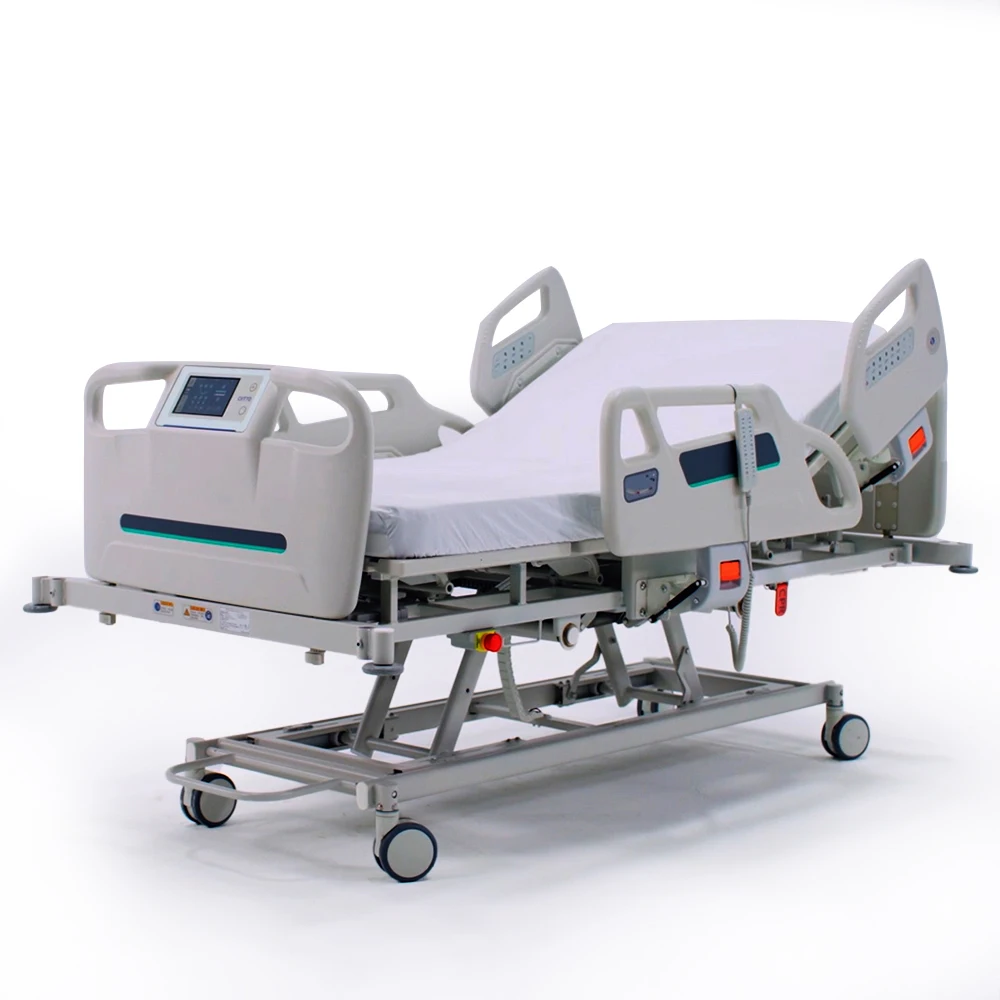
Advanced Technology Features in Modern Electric Patient Beds
Precision Control Systems and Patient Positioning
Electric patient beds incorporate sophisticated control mechanisms that enable precise positioning adjustments with minimal physical effort from healthcare staff. These systems utilize advanced motor technology to facilitate smooth transitions between various positions, including head elevation, knee flexion, and overall bed height adjustment. The precision offered by electric patient bed systems ensures optimal patient comfort during extended stays while reducing the physical strain on nursing staff during routine care procedures. Modern control interfaces feature intuitive button layouts and programmable memory settings that allow caregivers to quickly return patients to preferred positions. This technological sophistication extends to safety features such as automatic locking mechanisms and weight distribution sensors that prevent accidental repositioning.
Contemporary electric patient bed designs integrate smart monitoring capabilities that track patient movement patterns and positioning frequency throughout treatment periods. These data collection features provide valuable insights for healthcare teams to optimize care protocols and identify potential comfort issues before they become problematic. The integration of wireless connectivity enables remote monitoring and adjustment capabilities, allowing medical staff to make necessary modifications without disturbing patients during critical rest periods. Advanced patient bed systems also incorporate emergency positioning features that can rapidly return patients to safe positions during medical emergencies or power outages.
Enhanced Safety and Security Features
Safety considerations form the foundation of electric patient bed design, with manufacturers implementing multiple redundant systems to protect both patients and healthcare workers. Side rail controls integrate seamlessly with bed positioning systems, ensuring rails remain properly positioned during all adjustment procedures. The sophisticated locking mechanisms prevent unauthorized bed adjustments while maintaining easy access for qualified medical personnel. Electric patient bed systems incorporate weight-sensing technology that automatically adjusts motor assistance based on patient weight and positioning requirements. These safety features significantly reduce the risk of patient falls and positioning-related injuries that can lead to extended hospital stays and increased liability concerns.
Emergency response capabilities represent another crucial safety advantage of modern electric patient bed systems. Battery backup systems ensure continued operation during power outages, while emergency lowering features allow rapid patient positioning during critical situations. The integration of patient call systems directly into bed controls enables immediate communication with nursing staff when assistance is required. Advanced patient bed models include fall prevention sensors that alert medical staff when patients attempt to exit the bed without assistance, providing an additional layer of security for vulnerable populations.
Clinical Benefits and Patient Care Improvements
Pressure Ulcer Prevention and Management
The prevention of pressure ulcers represents one of the most significant clinical benefits associated with electric patient bed utilization in healthcare settings. Advanced positioning capabilities allow medical staff to implement comprehensive turning schedules and pressure redistribution protocols with remarkable precision and consistency. Electric patient bed systems enable gradual position changes that maintain patient comfort while effectively relieving pressure points that commonly develop during extended bed rest periods. The ability to make frequent, subtle adjustments throughout the day helps maintain healthy blood circulation and reduces tissue breakdown risks that lead to costly complications.
Modern electric patient bed designs incorporate specialized mattress integration features that work in conjunction with positioning systems to optimize pressure distribution across the entire body surface. These coordinated systems automatically adjust air pressure and positioning angles based on patient weight, medical condition, and prescribed treatment protocols. The sophisticated integration between patient bed positioning and pressure management technology significantly reduces the incidence of hospital-acquired pressure ulcers while improving overall patient outcomes and satisfaction ratings.
Respiratory and Circulatory Support Enhancement
Electric patient bed positioning capabilities provide crucial support for patients experiencing respiratory difficulties or circulatory complications during their hospital stay. The precise elevation controls enable medical staff to optimize lung expansion and breathing efficiency by positioning patients at therapeutic angles that facilitate improved oxygenation. Trendelenburg positioning features available in advanced electric patient bed systems support circulatory management protocols for patients with various cardiovascular conditions. The smooth, gradual positioning adjustments minimize patient discomfort while maximizing clinical benefits associated with therapeutic positioning.
Cardiac rehabilitation and post-operative recovery protocols benefit significantly from the versatile positioning options provided by electric patient bed systems. The ability to gradually increase patient elevation and activity levels supports progressive mobilization programs that reduce recovery times and improve overall clinical outcomes. Advanced patient bed models incorporate cardiac chair positioning that enables patients to participate in meals, therapy sessions, and social interactions while maintaining optimal cardiovascular support. These positioning capabilities contribute to improved patient morale and engagement in recovery processes.
Operational Efficiency and Staff Productivity
Workflow Optimization and Time Management
Electric patient bed systems substantially improve nursing workflow efficiency by eliminating the physical demands and time requirements associated with manual bed adjustments. Healthcare staff can reposition patients quickly and efficiently using electronic controls, allowing more time for direct patient care activities and clinical assessments. The reduced physical strain on nursing staff helps minimize work-related injuries and fatigue that can impact care quality and staff retention rates. Electric patient bed technology enables simultaneous care activities while maintaining optimal patient positioning, improving overall department productivity and patient throughput.
Memory positioning features in advanced electric patient bed systems allow healthcare staff to save and recall specific positioning combinations for individual patients, streamlining routine care procedures and ensuring consistency across different shift rotations. This standardization capability reduces positioning errors and improves care continuity throughout extended hospital stays. The integration of patient bed controls with electronic health records enables automatic documentation of positioning changes and care interventions, reducing administrative burden on nursing staff while maintaining comprehensive patient care records.
Cost-Effectiveness and Resource Management
While the initial investment in electric patient bed systems may exceed traditional manual alternatives, the long-term cost benefits justify the expenditure through reduced labor costs, improved patient outcomes, and decreased liability exposure. The efficiency gains associated with electric patient bed utilization translate into measurable reductions in nursing time requirements for routine positioning and care activities. These time savings enable healthcare facilities to optimize staffing levels while maintaining high-quality patient care standards. The durability and reliability of modern electric patient bed systems also contribute to reduced maintenance costs and extended equipment lifecycles.
Patient satisfaction improvements associated with electric patient bed comfort and convenience features contribute to better hospital ratings and increased referral rates. The reduction in hospital-acquired complications such as pressure ulcers and respiratory issues directly impacts length of stay metrics and readmission rates, generating substantial cost savings for healthcare facilities. Advanced patient bed systems also support early mobilization protocols that reduce overall treatment costs and improve patient recovery outcomes.
Integration with Healthcare Technology Systems
Electronic Health Record Compatibility
Modern electric patient bed systems feature seamless integration capabilities with existing healthcare information technology infrastructure, enabling automatic data collection and documentation of patient positioning and care activities. This integration eliminates manual documentation requirements for routine positioning changes while providing comprehensive records for clinical review and quality assurance purposes. The connectivity between patient bed systems and electronic health records supports evidence-based care protocols and enables data-driven decisions regarding patient positioning and comfort management strategies.
Real-time monitoring capabilities provided by connected electric patient bed systems generate valuable analytics regarding patient movement patterns, positioning frequency, and comfort preferences. This data supports personalized care planning and helps identify potential complications before they develop into serious medical issues. The integration of patient bed telemetry with broader hospital monitoring systems enables comprehensive patient surveillance while reducing the need for frequent physical assessments that can disturb patient rest.
Future-Ready Technology Platform
Investment in advanced electric patient bed systems provides healthcare facilities with technology platforms that can accommodate future innovations and capability expansions. The modular design approach used in contemporary patient bed systems enables software updates and hardware additions that extend equipment functionality without requiring complete system replacements. This forward-thinking approach ensures that healthcare facilities can adapt to evolving care protocols and technological advances while protecting their initial equipment investments.
Artificial intelligence integration represents an emerging frontier in patient bed technology, with advanced systems beginning to incorporate predictive algorithms that anticipate patient needs and automatically adjust positioning based on medical conditions and treatment protocols. These intelligent patient bed systems support proactive care management and help prevent complications before they occur, representing the next evolution in hospital equipment technology.
FAQ
How do electric patient beds improve nurse efficiency compared to manual beds
Electric patient beds significantly reduce the physical effort required for patient positioning, allowing nurses to adjust bed positions with the touch of a button rather than manual cranking. This efficiency improvement enables nurses to spend more time on direct patient care activities while reducing physical strain and work-related injuries. The memory settings in advanced electric patient bed systems also allow nurses to quickly return patients to preferred positions, streamlining routine care procedures across multiple shift changes.
What safety features should hospitals prioritize when selecting electric patient beds
Key safety features include emergency battery backup systems, automatic locking mechanisms, weight-sensing technology, and integrated fall prevention sensors. Modern electric patient bed systems should also include emergency lowering capabilities, side rail integration with positioning controls, and patient call system connectivity. These safety features work together to protect both patients and healthcare staff while ensuring continued operation during power outages or emergency situations.
How do electric patient beds contribute to pressure ulcer prevention
Electric patient bed positioning capabilities enable precise and frequent position changes that redistribute pressure points and maintain healthy blood circulation. The smooth, gradual adjustments possible with electric systems allow for therapeutic positioning protocols that manual beds cannot achieve consistently. Advanced patient bed models integrate with specialized mattress systems to optimize pressure distribution, significantly reducing the risk of hospital-acquired pressure ulcers and associated complications.
What is the typical return on investment timeline for electric patient bed systems
Most healthcare facilities realize positive returns on electric patient bed investments within 3-5 years through reduced labor costs, improved patient outcomes, and decreased liability exposure. The efficiency gains in nursing productivity, combined with reductions in hospital-acquired complications and improved patient satisfaction scores, contribute to measurable cost savings that justify the initial equipment investment. Long-term benefits include extended equipment lifecycles and reduced maintenance costs compared to manual alternatives.
Table of Contents
- Advanced Technology Features in Modern Electric Patient Beds
- Clinical Benefits and Patient Care Improvements
- Operational Efficiency and Staff Productivity
- Integration with Healthcare Technology Systems
-
FAQ
- How do electric patient beds improve nurse efficiency compared to manual beds
- What safety features should hospitals prioritize when selecting electric patient beds
- How do electric patient beds contribute to pressure ulcer prevention
- What is the typical return on investment timeline for electric patient bed systems