 EN
EN

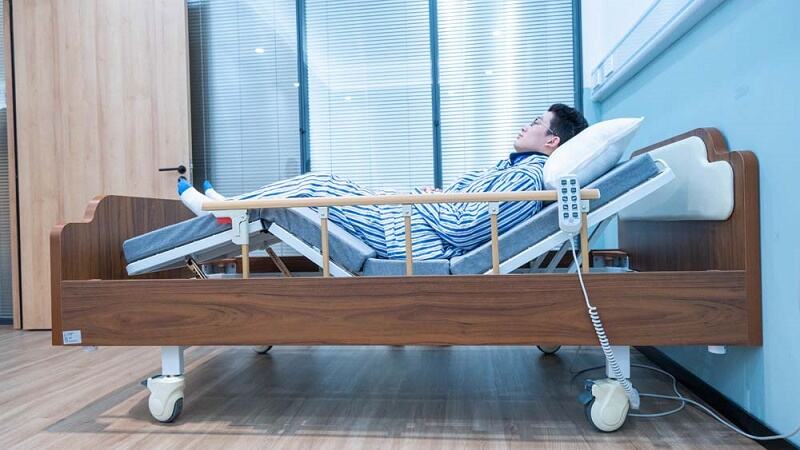
Modern healthcare facilities rely on sophisticated equipment to deliver optimal patient care, and the hospital bed stands as one of the most fundamental pieces of medical infrastructure. These specialized beds have evolved far beyond simple sleeping surfaces, becoming complex therapeutic tools that support patient recovery, enhance comfort, and facilitate medical procedures. The strategic selection and implementation of advanced hospital bed systems directly impacts patient outcomes, staff efficiency, and overall healthcare quality in medical facilities worldwide.
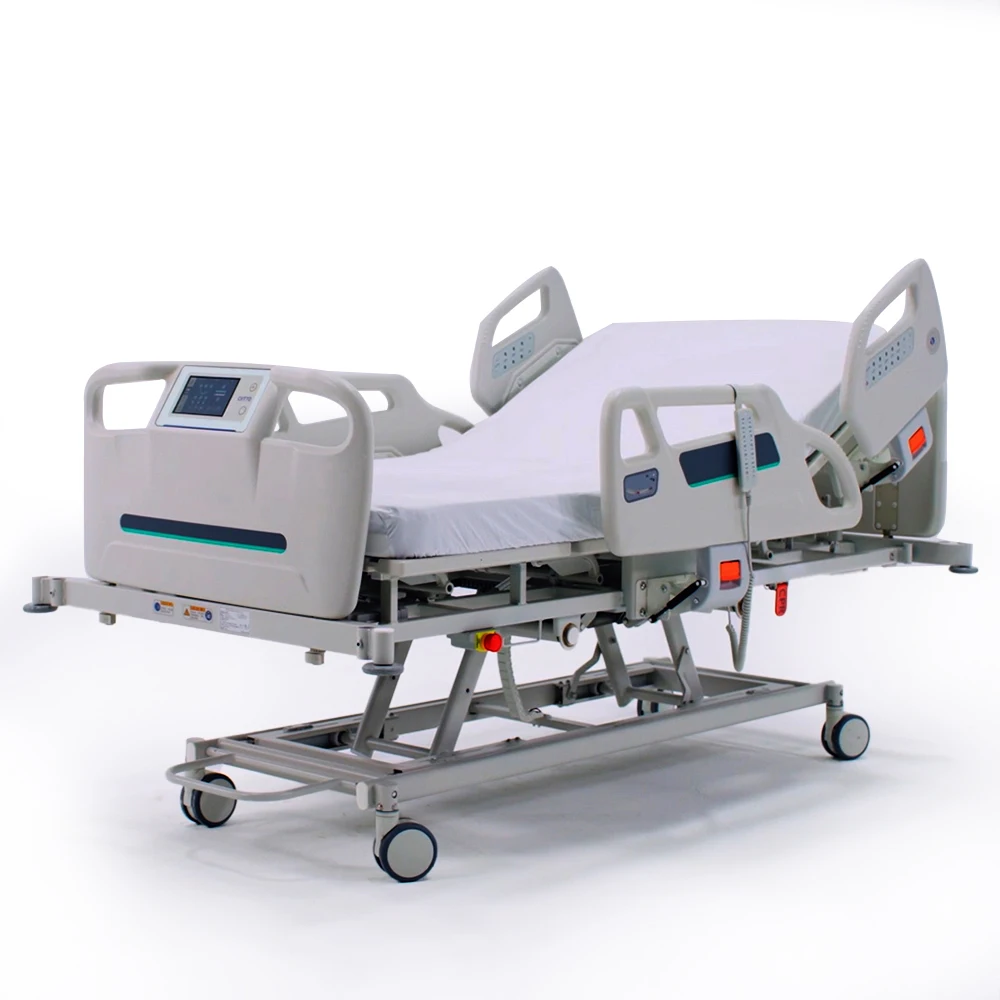
Advanced Features That Transform Patient Care
Electric Positioning and Height Adjustment
Electric positioning mechanisms in modern hospital bed designs enable precise patient positioning for various medical procedures and comfort requirements. Healthcare professionals can adjust head elevation, foot positioning, and overall bed height with simple control interfaces, reducing manual labor and ensuring consistent positioning accuracy. These electric systems provide smooth, quiet operation that minimizes patient disruption while allowing for frequent position changes that prevent pressure sores and improve circulation.
The ability to adjust bed height proves particularly valuable for healthcare staff ergonomics and patient transfer procedures. Lower positions facilitate safe patient entry and exit, while elevated configurations optimize caregiver access during medical examinations and treatments. This versatility reduces workplace injuries among nursing staff and enhances patient safety during transfers and mobility activities.
Pressure Relief and Comfort Technologies
Contemporary hospital bed mattress systems incorporate advanced pressure redistribution technologies that actively prevent pressure ulcers and enhance patient comfort during extended stays. These specialized surfaces automatically adjust firmness and support zones based on patient weight distribution and positioning preferences. The integration of alternating pressure systems and low-air-loss technologies creates optimal healing environments for patients with compromised mobility or circulation.
Temperature regulation features within modern hospital bed systems help maintain patient comfort while supporting therapeutic protocols. Climate-controlled surfaces can provide cooling relief for fever management or warming support for hypothermia prevention, contributing significantly to patient recovery outcomes and overall satisfaction with care quality.
Safety Features and Patient Protection Systems
Fall Prevention and Security Mechanisms
Integrated safety systems in advanced hospital bed configurations include adjustable side rails, bed exit alarms, and positioning locks that protect patients from falls and injuries. These safety features can be customized based on individual patient risk assessments and cognitive status, providing appropriate levels of protection without unnecessarily restricting patient autonomy or comfort.
Smart sensor technology embedded within modern hospital bed frames can detect patient movement patterns and alert nursing staff to potential fall risks or emergency situations. These monitoring systems operate continuously without interfering with patient rest, providing an additional layer of safety oversight that complements traditional nursing assessments and interventions.
Infection Control and Hygiene Standards
Hospital bed surfaces and components are engineered with antimicrobial materials and seamless designs that facilitate thorough cleaning and disinfection protocols. These infection prevention features help healthcare facilities maintain strict hygiene standards while reducing cross-contamination risks between patients and healthcare providers.
Removable and washable components allow for deep cleaning procedures that eliminate pathogens and maintain sanitary conditions throughout patient stays. The smooth, non-porous surfaces typical of quality hospital bed construction prevent bacterial accumulation and support comprehensive infection control strategies essential in healthcare environments.
Clinical Benefits and Treatment Support
Respiratory and Cardiac Care Enhancement
Precise positioning capabilities of adjustable hospital bed systems provide crucial support for patients with respiratory conditions, heart failure, and circulation disorders. Elevated head positions improve breathing mechanics and reduce respiratory distress, while leg elevation supports venous return and reduces cardiac workload in patients with heart conditions.
The ability to achieve optimal positioning for specific medical conditions directly impacts treatment effectiveness and patient recovery timelines. Healthcare providers can implement evidence-based positioning protocols more consistently when supported by reliable hospital bed adjustment mechanisms that maintain desired positions throughout treatment periods.
Wound Care and Pressure Management
Specialized hospital bed surfaces and positioning options support comprehensive wound care protocols by providing optimal access for dressing changes and pressure relief strategies. Healthcare teams can position patients to minimize pressure on healing wounds while maintaining comfort and circulation to surrounding tissues.
The integration of turning and repositioning assistance within advanced hospital bed systems reduces the physical demands on nursing staff while ensuring consistent implementation of pressure ulcer prevention protocols. Automated turning features can be programmed to provide regular position changes that support skin integrity and healing processes.
Economic Impact and Operational Efficiency
Staff Productivity and Ergonomics
Investment in quality hospital bed systems generates significant returns through improved staff efficiency and reduced workplace injuries. Electric adjustment features eliminate the need for manual bed cranking and patient lifting, reducing repetitive strain injuries among healthcare workers and allowing nursing staff to focus on direct patient care activities.
The time savings achieved through efficient hospital bed operation translates into enhanced patient care capacity and improved workflow management throughout healthcare facilities. Nurses can complete patient positioning and comfort adjustments more quickly, allowing additional time for clinical assessments, medication administration, and patient education activities.
Long-Term Cost Considerations
While initial hospital bed procurement represents a significant capital investment, the long-term operational benefits often justify the expense through reduced complications, shorter length of stays, and improved patient satisfaction scores. Quality hospital bed systems demonstrate durability and reliability that minimize maintenance costs and replacement frequency over their operational lifespan.
The prevention of pressure ulcers and other complications through proper hospital bed selection can generate substantial cost savings by avoiding extended treatments and additional interventions. Healthcare facilities that invest in appropriate patient support systems often experience reduced liability exposure and improved quality metrics that support reimbursement optimization.
Technology Integration and Future Developments
Smart Monitoring and Data Collection
Contemporary hospital bed systems increasingly incorporate sensors and monitoring technologies that collect patient data continuously without disrupting rest or treatment activities. These systems can track vital signs, movement patterns, and sleep quality metrics that support clinical decision-making and treatment optimization efforts.
Integration with electronic health records allows hospital bed monitoring data to be seamlessly incorporated into patient charts and care plans. This connectivity enhances communication between healthcare team members and provides valuable insights into patient progress and treatment effectiveness over time.
Artificial Intelligence and Predictive Analytics
Emerging hospital bed technologies utilize artificial intelligence algorithms to predict patient needs and automatically adjust positioning, pressure relief, and comfort settings based on individual patient characteristics and clinical conditions. These predictive systems can anticipate complications and implement preventive interventions before problems develop.
Machine learning capabilities within advanced hospital bed systems continuously improve their responsiveness to patient needs by analyzing historical data and treatment outcomes. This technological evolution promises to further enhance the therapeutic value of hospital bed systems while reducing the workload on healthcare staff.
Selection Criteria for Healthcare Facilities
Patient Population and Clinical Needs
Healthcare facilities must carefully assess their patient demographics and clinical specialties when selecting appropriate hospital bed configurations. Critical care units require different features compared to general medical floors, and specialized populations such as bariatric or pediatric patients need specifically designed hospital bed solutions.
The acuity level and length of stay patterns within different hospital units influence the complexity and feature requirements of hospital bed systems. Facilities serving patients with extended recovery periods may prioritize comfort and pressure relief features, while emergency departments might emphasize rapid positioning and easy patient access capabilities.
Budget and Return on Investment
Financial considerations for hospital bed procurement must balance initial costs against long-term operational benefits and patient outcome improvements. Healthcare administrators should evaluate the total cost of ownership, including maintenance, training, and replacement expenses when comparing different hospital bed options.
The potential for improved patient satisfaction scores, reduced complications, and enhanced staff efficiency should be quantified as part of the hospital bed selection process. These factors often provide compelling justification for investing in higher-quality systems that deliver superior performance and reliability over time.
FAQ
What are the key differences between manual and electric hospital beds?
Electric hospital beds offer superior positioning precision, reduced physical strain on healthcare staff, and enhanced patient comfort through smooth, quiet adjustments. Manual beds require physical cranking for position changes, which can be labor-intensive and less precise. Electric systems also provide better safety features and can integrate with monitoring technologies, while manual beds typically have lower initial costs but may result in higher long-term operational expenses due to increased staff time and potential workplace injuries.
How do hospital beds contribute to infection prevention?
Modern hospital beds feature antimicrobial surfaces, seamless designs, and easily cleanable components that support comprehensive infection control protocols. Removable parts allow for thorough disinfection between patients, while smooth, non-porous materials prevent bacterial accumulation. Some advanced systems include UV sterilization capabilities and antimicrobial coatings that actively reduce pathogen survival on bed surfaces, contributing to overall healthcare facility hygiene standards.
What safety features should healthcare facilities prioritize in hospital bed selection?
Essential safety features include adjustable side rails with secure locking mechanisms, bed exit alarms, emergency positioning controls, and weight capacity appropriate for patient populations. Advanced systems may offer fall detection sensors, automatic brake engagement, and emergency lowering capabilities. The selection should consider patient acuity levels, cognitive status, and mobility limitations to ensure appropriate safety measures without compromising patient dignity or autonomy.
How do hospital beds support different medical specialties and patient conditions?
Hospital beds can be configured with specialized features for various medical conditions, including cardiac positioning for heart patients, Trendelenburg capabilities for surgical procedures, and pressure relief systems for wound care. Respiratory patients benefit from precise head elevation, while orthopedic cases may require specific positioning angles. Advanced systems offer programmable positions and memory settings that support consistent implementation of specialty-specific protocols and evidence-based positioning guidelines.