 EN
EN

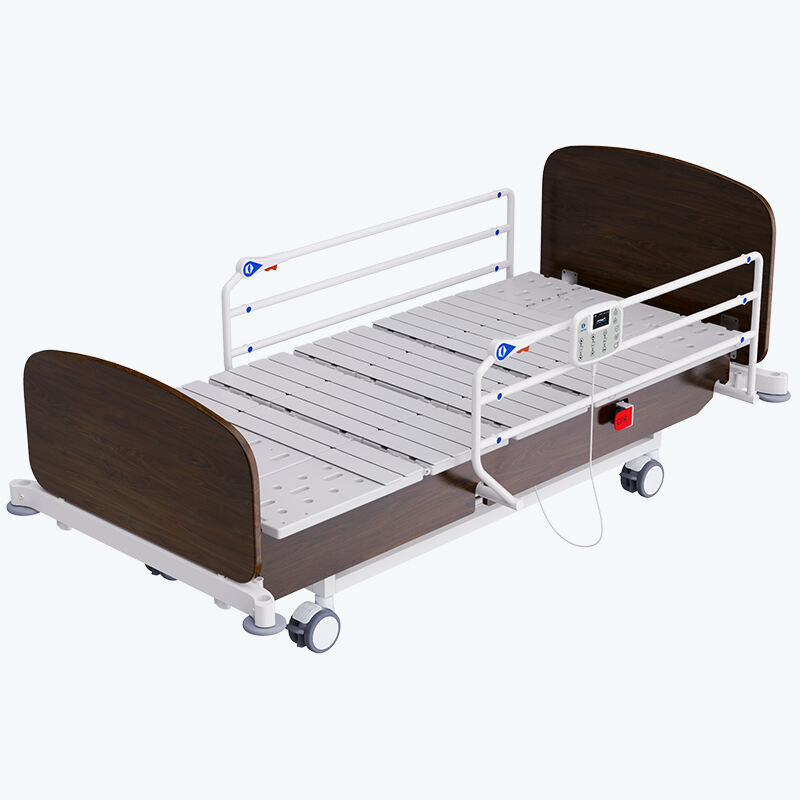
Modern healthcare facilities require sophisticated equipment that prioritizes both patient comfort and medical functionality. A high-quality hospital bed serves as the foundation of patient care, integrating advanced features that support healing while enabling healthcare professionals to deliver optimal treatment. Today's medical environments demand hospital bed solutions that combine ergonomic design, technological innovation, and safety standards to meet the evolving needs of patients and medical staff alike.
The healthcare industry has witnessed remarkable advancements in hospital bed technology over the past decade. These improvements focus on enhancing patient outcomes while reducing the physical strain on healthcare workers. Understanding the essential features that define a premium hospital bed helps medical facilities make informed purchasing decisions that benefit both patients and staff members.
Essential Safety Features for Modern Hospital Beds
Advanced Fall Prevention Systems
Safety remains the paramount concern when evaluating any hospital bed design. Contemporary models incorporate sophisticated fall prevention mechanisms that significantly reduce patient injury risks. These systems include integrated side rails with multiple locking positions, allowing healthcare staff to customize protection levels based on individual patient needs. The rails feature smooth, rounded edges to prevent accidental injuries while maintaining structural integrity.
Electronic monitoring systems have revolutionized hospital bed safety protocols. Weight sensors embedded within the mattress platform detect patient movement patterns and alert nursing staff when patients attempt to exit the bed unsupervised. These intelligent systems learn individual patient behaviors, reducing false alarms while maintaining vigilant monitoring capabilities that enhance overall ward safety standards.
Emergency Response Integration
Modern hospital bed designs incorporate rapid response features that enable immediate medical intervention during critical situations. Emergency lowering mechanisms allow instant bed positioning to facilitate CPR procedures and emergency medical access. These systems operate independently of standard electrical controls, ensuring functionality even during power outages or equipment malfunctions.
Integrated nurse call systems provide patients with multiple communication options, including wireless pendants, bedside controls, and voice activation technologies. These communication channels connect directly to central monitoring stations, enabling swift response times during medical emergencies or routine care requests.
Ergonomic Design and Patient Comfort
Multi-Position Adjustability
Premium hospital bed models offer extensive positioning capabilities that accommodate diverse medical conditions and patient preferences. Electric motor systems enable precise adjustments to head, foot, and knee sections, allowing healthcare providers to optimize patient positioning for various treatments and recovery processes. These adjustments support proper circulation, reduce pressure points, and enhance overall patient comfort during extended stays.
Trendelenburg and reverse Trendelenburg positioning capabilities serve specific medical purposes, including improved venous return and respiratory function. The ability to achieve these specialized positions smoothly and safely distinguishes high-quality hospital bed systems from standard models, providing medical teams with valuable therapeutic positioning options.
Pressure Relief and Support Systems
Advanced hospital bed designs incorporate sophisticated pressure redistribution technologies that prevent bedsores and promote healing. These systems utilize alternating pressure mattresses, gel-infused surfaces, and memory foam components that adapt to individual body contours while maintaining proper spinal alignment throughout recovery periods.
Temperature regulation features within mattress systems help maintain optimal patient comfort while preventing overheating during extended bed rest. Breathable materials and ventilation channels promote air circulation, reducing moisture accumulation that could compromise skin integrity or patient comfort levels.
Technology Integration and Smart Features
Digital Control Systems
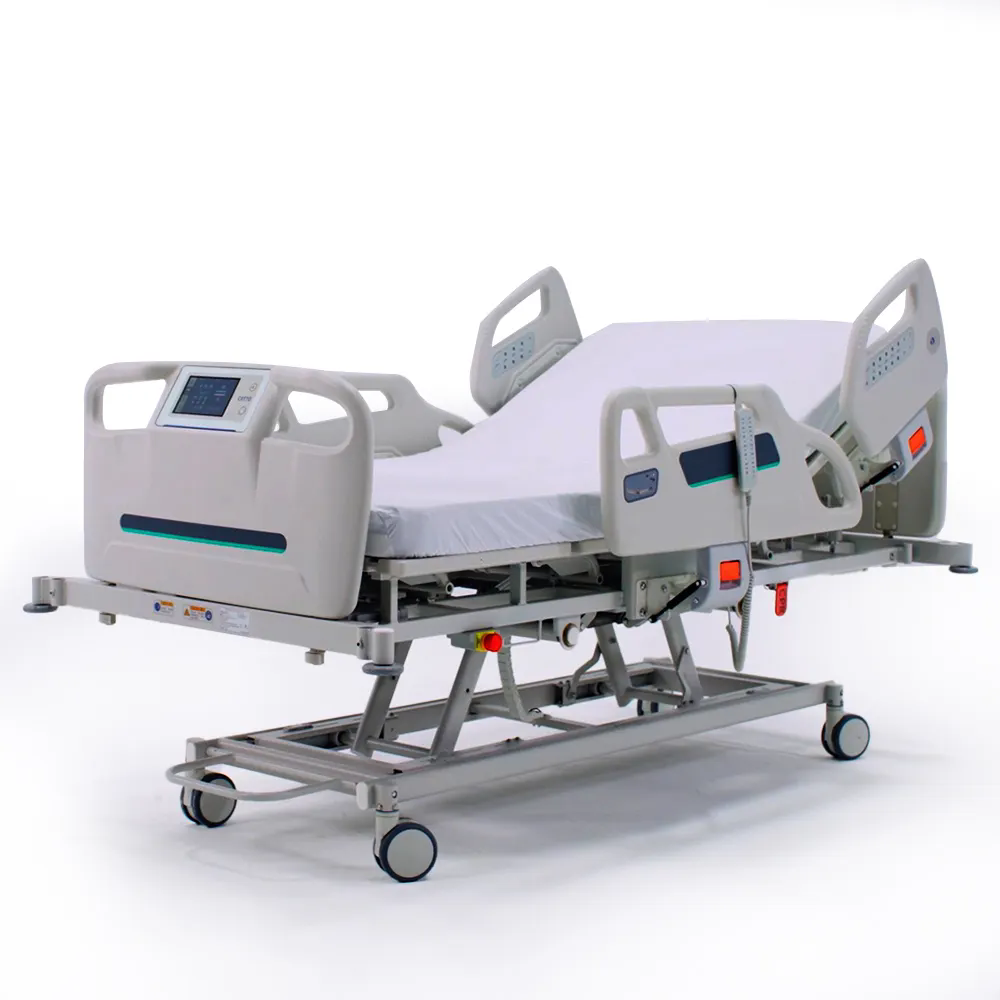
Contemporary hospital bed technology incorporates intuitive digital interfaces that simplify operation for both patients and healthcare staff. Touchscreen control panels provide clear visual feedback for all bed functions, including positioning adjustments, lighting controls, and communication systems. These interfaces support multiple languages and accessibility features, ensuring usability across diverse patient populations.
Smart hospital bed systems connect to hospital networks, enabling real-time monitoring of bed status, maintenance needs, and utilization patterns. This connectivity supports predictive maintenance schedules, reducing unexpected equipment failures and ensuring consistent availability of functional hospital bed units throughout medical facilities.
Electronic Health Record Integration
Advanced hospital bed models integrate seamlessly with electronic health record systems, automatically documenting patient positioning, bed utilization times, and movement patterns. This integration reduces documentation burden on nursing staff while providing valuable data for treatment planning and quality improvement initiatives.
Biometric monitoring capabilities built into modern hospital bed platforms track vital signs, sleep patterns, and mobility metrics without requiring additional wearable devices. This passive monitoring approach provides continuous health data while minimizing patient disruption during recovery periods.
Mobility and Transportation Features
Enhanced Maneuverability
High-quality hospital bed designs prioritize ease of movement throughout healthcare facilities. Advanced caster systems feature silent operation, precise steering control, and reliable locking mechanisms that ensure bed stability during patient care activities. These mobility features reduce physical strain on healthcare workers while enabling efficient patient transport between departments.
Centralized brake systems allow simultaneous locking of all wheels through single-action controls, improving safety during patient transfers and medical procedures. Quick-release mechanisms enable rapid bed repositioning during emergency situations while maintaining secure locking capabilities under normal operating conditions.
Space Optimization
Modern hospital bed engineering addresses space constraints common in healthcare facilities through compact designs that maximize functionality within limited floor areas. Retractable side rails, fold-down footboards, and adjustable bed lengths accommodate varying room configurations while maintaining full feature accessibility.
Storage integration within hospital bed frames provides convenient access to medical supplies, patient belongings, and care documentation. These storage solutions maintain sterile environments while reducing clutter in patient rooms and supporting efficient healthcare delivery workflows.
Durability and Maintenance Considerations
Material Quality and Construction
Premium hospital bed manufacturing utilizes high-grade materials that withstand intensive use while maintaining hygiene standards required in medical environments. Stainless steel frames resist corrosion and support heavy weight capacities, while antimicrobial surface treatments prevent bacterial growth and facilitate thorough cleaning protocols.
Modular construction approaches enable efficient replacement of worn components without requiring complete hospital bed replacement. This design philosophy reduces long-term ownership costs while ensuring consistent performance throughout the equipment lifecycle, supporting sustainable healthcare facility operations.
Cleaning and Infection Control
Effective infection control requires hospital bed designs that support thorough cleaning and disinfection procedures. Smooth surfaces without crevices or joints prevent bacterial accumulation while chemical-resistant finishes withstand repeated exposure to hospital-grade disinfectants without degrading or discoloring.
Removable components such as mattresses, side rails, and control panels enable comprehensive cleaning between patient uses. Quick-disconnect mechanisms facilitate efficient turnover processes while ensuring all hospital bed surfaces receive appropriate sanitization attention during room preparation procedures.
Cost-Effectiveness and Value Analysis
Total Cost of Ownership
Evaluating hospital bed investments requires comprehensive analysis of total ownership costs beyond initial purchase prices. High-quality models typically demonstrate superior durability, reduced maintenance requirements, and extended service lives that provide better long-term value compared to economy alternatives with higher replacement frequencies.
Energy efficiency features in electric hospital bed systems contribute to ongoing operational cost savings while supporting environmental sustainability initiatives. Low-power motor systems, LED lighting integration, and smart standby modes reduce electricity consumption without compromising functionality or patient comfort.
Return on Investment
Premium hospital bed features often generate measurable returns through improved patient outcomes, reduced staff injuries, and enhanced operational efficiency. Fall prevention systems decrease liability exposure while patient satisfaction improvements support hospital reputation and patient retention rates that impact overall facility profitability.
Staff productivity benefits from ergonomic hospital bed designs reduce workplace injury claims and minimize employee turnover costs. These human resource advantages compound over time, creating substantial value beyond the direct patient care improvements that quality equipment provides.
FAQ
What weight capacity should a hospital bed support?
Modern hospital beds should support a minimum of 500 pounds to accommodate diverse patient populations safely. Bariatric models may support up to 1000 pounds or more, featuring reinforced frames and wider sleeping surfaces. The weight capacity includes both patient weight and any additional medical equipment that may be placed on the bed during treatment procedures.
How often do hospital beds require maintenance?
Preventive maintenance schedules typically recommend quarterly inspections for high-use hospital bed units, with comprehensive annual servicing by qualified technicians. Daily cleaning protocols and weekly operational checks by healthcare staff help identify potential issues before they impact patient care. Digital monitoring systems in advanced models provide real-time maintenance alerts that optimize service timing.
Can hospital beds integrate with existing healthcare technology systems?
Contemporary hospital bed models offer extensive integration capabilities with electronic health records, nurse call systems, and facility management platforms. Standardized communication protocols enable seamless data exchange while maintaining patient privacy and security requirements. Integration possibilities depend on specific hospital bed models and existing infrastructure compatibility.
What safety certifications should hospital beds meet?
Hospital beds must comply with FDA medical device regulations and IEC 60601 electrical safety standards for medical equipment. Additional certifications may include UL listing for electrical components and compliance with healthcare facility building codes. International markets may require CE marking or other regional safety certifications depending on the destination country's regulatory requirements.