 EN
EN

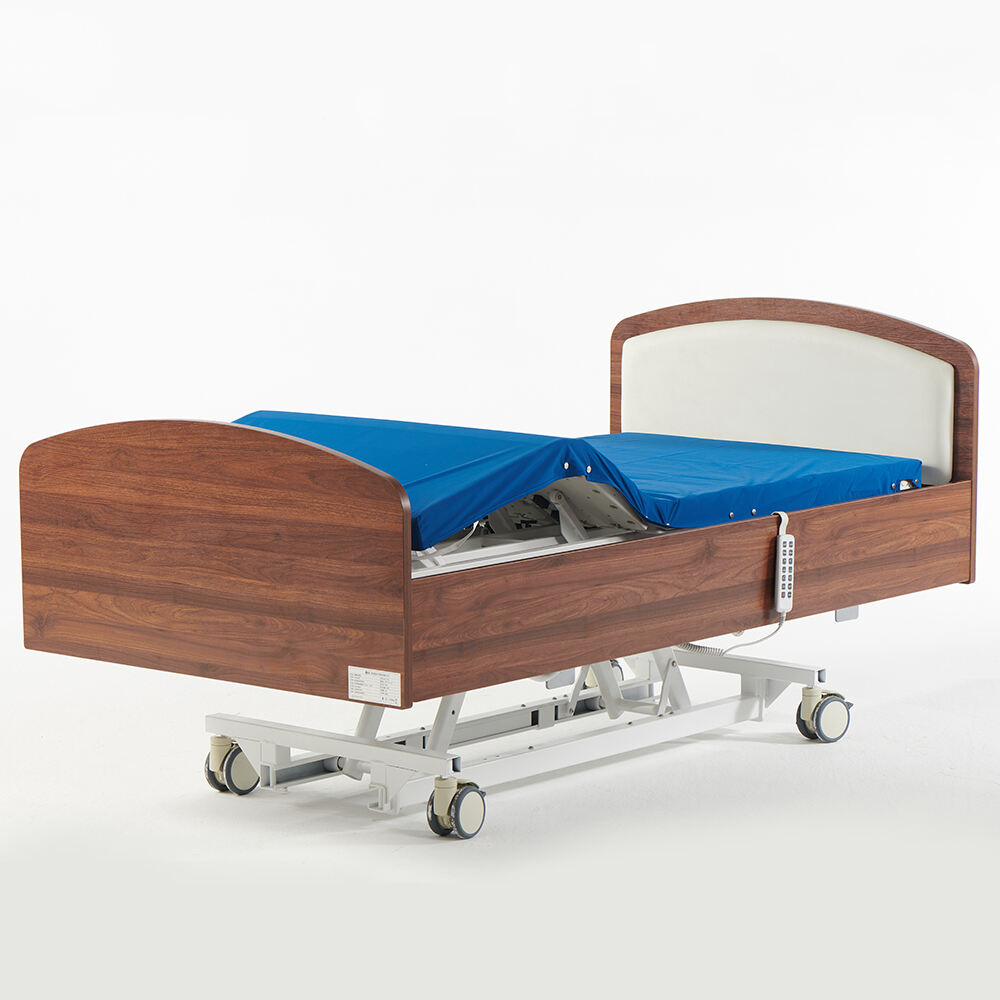
Healthcare facilities worldwide are continuously evolving to provide better patient outcomes, and one of the most fundamental elements in this transformation is the modern hospital bed. These sophisticated medical devices have revolutionized patient care by offering unprecedented levels of comfort, safety, and therapeutic functionality. Today's hospital bed represents a significant advancement from traditional static beds, incorporating cutting-edge technology that directly impacts patient recovery rates and overall healthcare quality.
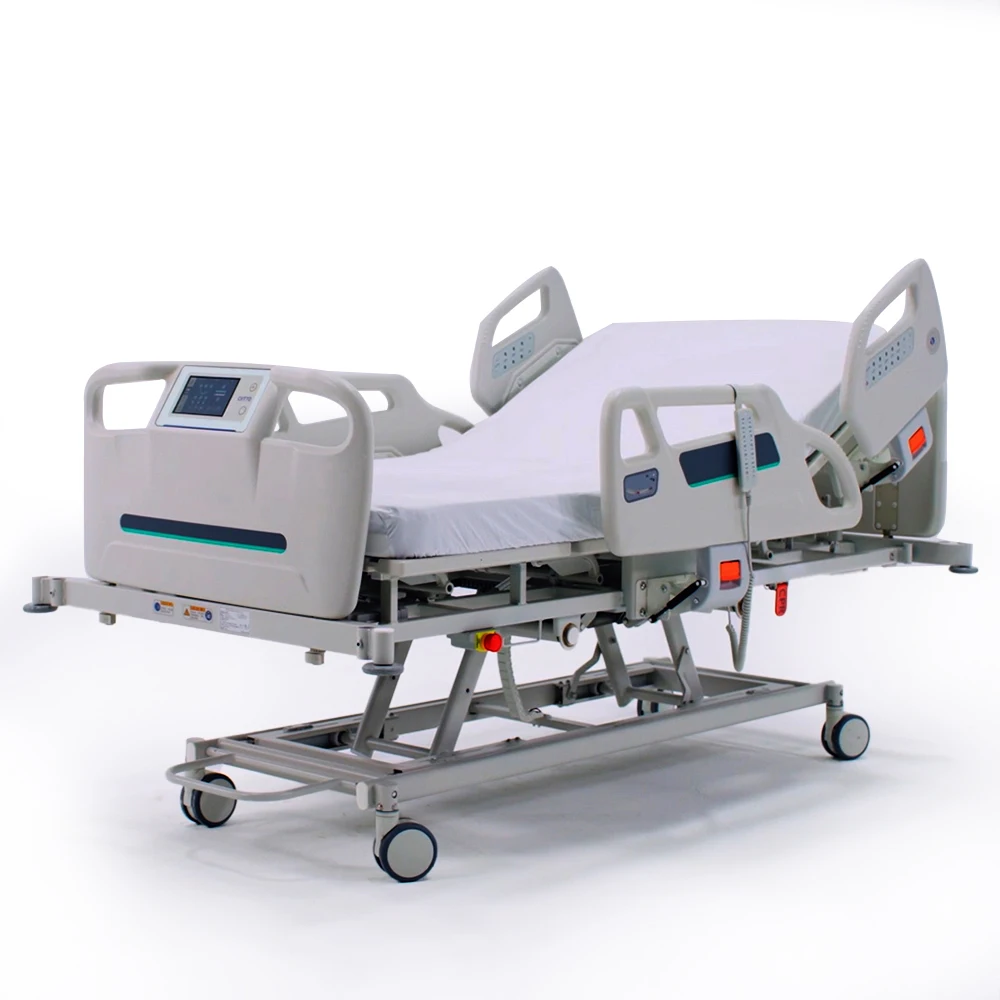
The integration of advanced features in contemporary hospital bed designs addresses multiple aspects of patient care simultaneously. From pressure relief systems to precise positioning capabilities, these beds serve as therapeutic platforms that actively contribute to healing processes. Medical professionals increasingly recognize that proper bed selection and utilization can significantly reduce complications, decrease recovery times, and enhance patient satisfaction scores across various healthcare settings.
Advanced Positioning Technology in Modern Hospital Beds
Multi-Directional Adjustment Capabilities
Contemporary hospital bed designs incorporate sophisticated motorized systems that enable precise positioning adjustments in multiple directions. These beds can elevate the head section, adjust leg positioning, and modify overall bed height with remarkable accuracy. The ability to make incremental adjustments ensures that patients can find optimal positioning for various medical conditions and comfort preferences. Healthcare providers can easily modify bed positions to facilitate medical procedures, improve breathing patterns, or reduce pressure on specific body regions.
The electronic control systems in modern hospital beds offer both patient-controlled and staff-controlled operation modes. Patients who are physically capable can make minor adjustments independently, promoting a sense of autonomy and immediate comfort response. Meanwhile, healthcare staff retain override capabilities to ensure patient safety and implement specific positioning protocols as prescribed by medical professionals. These dual-control systems represent a significant advancement in patient-centered care approaches.
Trendelenburg and Reverse Trendelenburg Functions
Specialized positioning features like Trendelenburg and reverse Trendelenburg functions have become standard in premium hospital bed models. These positioning options involve tilting the entire bed frame to achieve specific therapeutic angles that support various medical treatments. Trendelenburg positioning, where the patient's feet are elevated above the head, improves venous return and supports certain surgical procedures. Conversely, reverse Trendelenburg positioning aids in respiratory function and reduces gastroesophageal reflux in susceptible patients.
Medical research consistently demonstrates that proper bed positioning significantly impacts patient outcomes across numerous conditions. Cardiac patients benefit from elevation adjustments that reduce cardiac workload, while respiratory patients experience improved oxygenation through optimal positioning. The precision available in modern hospital bed positioning systems allows healthcare providers to implement evidence-based positioning protocols that directly contribute to therapeutic interventions and patient comfort.
Enhanced Safety Features and Patient Protection
Fall Prevention Systems
Safety considerations in hospital bed design have evolved dramatically, with fall prevention becoming a primary focus area. Modern beds incorporate adjustable side rails with multiple height settings and easy-access mechanisms that balance patient safety with mobility needs. These rails feature soft padding and ergonomic designs that prevent injury while providing necessary support for patient repositioning and transfers. Advanced models include bed exit alarm systems that alert nursing staff when patients attempt to leave the bed unassisted.
Low-height capabilities represent another crucial safety advancement in contemporary hospital bed technology. Many modern beds can be lowered to minimize fall distances, reducing injury severity if falls do occur. This feature proves particularly valuable in geriatric care settings and rehabilitation facilities where patient mobility may be compromised. The combination of low-height positioning with effective side rail systems creates comprehensive fall prevention strategies that significantly reduce hospital liability and improve patient safety outcomes.
Pressure Management and Skin Integrity
Pressure ulcer prevention has become a critical quality indicator in healthcare facilities, making pressure management features essential in modern hospital bed selection. Advanced hospital bed models incorporate specialized mattress systems with alternating pressure zones that continuously redistribute patient weight. These systems work in conjunction with bed positioning capabilities to minimize prolonged pressure on vulnerable anatomical areas.
Integrated turning and repositioning assistance represents a significant advancement in pressure management technology. Some hospital bed models feature automated lateral rotation capabilities that gently turn patients at prescribed intervals, reducing the need for manual repositioning by nursing staff. This technology not only improves patient comfort but also reduces caregiver workload and ensures consistent pressure relief protocols are maintained throughout extended bed rest periods.
Improved Patient Comfort and Recovery Environment
Ergonomic Design Elements
The ergonomic considerations in modern hospital bed design extend far beyond basic positioning capabilities. Contemporary beds feature contoured surfaces that naturally align with human anatomy, reducing pressure points and improving circulation. Memory foam integration and climate-controlled surfaces help maintain optimal temperature regulation, contributing to better sleep quality and overall patient comfort. These ergonomic enhancements directly impact patient satisfaction scores and can influence recovery trajectories.
Noise reduction technology has become increasingly important in hospital bed design, recognizing that excessive mechanical noise can disrupt patient rest and recovery. Modern electric hospital bed systems incorporate quiet motor technology and vibration dampening features that minimize operational sounds. This attention to acoustic comfort creates more peaceful healing environments and supports better sleep patterns, which are crucial for patient recovery and immune system function.
Customizable Comfort Settings
Personalization options in hospital bed systems allow for individualized comfort adjustments that accommodate diverse patient needs and preferences. Variable firmness settings, temperature control, and micro-positioning capabilities enable fine-tuning of the sleep and rest environment. These customizable features prove particularly valuable for long-term care patients who spend extended periods in bed, helping prevent complications associated with prolonged immobility.
Advanced hospital bed models incorporate memory settings that store preferred positioning configurations for individual patients. This technology reduces setup time for nursing staff and ensures consistency in patient positioning across shift changes. The ability to quickly restore optimal positioning settings improves workflow efficiency while maintaining high standards of individualized patient care.
Integration with Healthcare Technology Systems
Electronic Health Record Connectivity
Modern hospital bed systems increasingly feature connectivity options that integrate with broader healthcare technology infrastructure. These beds can automatically log positioning data, usage patterns, and maintenance requirements directly into electronic health record systems. This integration provides valuable data for clinical decision-making and helps healthcare providers track patient mobility patterns and positioning compliance with prescribed protocols.
Real-time monitoring capabilities in connected hospital bed systems enable continuous assessment of patient movement and positioning. Sensors embedded within the bed framework can detect patient restlessness, sleep patterns, and movement attempts, providing valuable insights for clinical staff. This data helps optimize care plans and enables proactive interventions when concerning patterns are detected.
Workflow Optimization Features
Efficiency improvements in hospital bed design focus on reducing caregiver workload while maintaining high-quality patient care. Centralized control systems allow nursing staff to adjust multiple bed functions simultaneously, streamlining routine care activities. Quick-release mechanisms for bed components facilitate rapid cleaning and maintenance procedures, reducing bed downtime and improving facility operational efficiency.
Automated documentation features in advanced hospital bed systems reduce administrative burden on nursing staff by automatically recording bed position changes, usage hours, and maintenance activities. This automated documentation improves accuracy of patient records while freeing nursing staff to focus on direct patient care activities. The integration of these technological features represents a significant step forward in healthcare efficiency and quality improvement initiatives.
Impact on Healthcare Outcomes and Facility Operations
Patient Satisfaction and Recovery Metrics
Healthcare facilities implementing modern hospital bed systems consistently report improved patient satisfaction scores and reduced complaint rates related to comfort issues. The enhanced positioning capabilities and comfort features directly address common patient concerns about sleep quality and physical discomfort during hospitalization. These improvements in patient experience often translate to better online reviews and reputation enhancement for healthcare facilities.
Clinical outcomes demonstrate measurable improvements when facilities upgrade to advanced hospital bed systems. Reduced pressure ulcer incidence, decreased fall rates, and shortened average length of stay are commonly observed benefits. These outcome improvements often result in cost savings that offset the initial investment in premium hospital bed equipment, making the upgrade financially beneficial for healthcare facilities.
Staff Efficiency and Workplace Safety
Nursing staff workload reduction represents a significant operational benefit of modern hospital bed implementation. Electric positioning systems eliminate the physical strain associated with manual bed adjustments, reducing the risk of workplace injuries among healthcare workers. Ergonomic improvements in bed design also facilitate easier patient transfers and routine care activities, contributing to improved job satisfaction among nursing staff.
Maintenance efficiency improvements in contemporary hospital bed designs reduce operational costs and minimize equipment downtime. Self-diagnostic capabilities alert maintenance staff to potential issues before they result in bed failures, enabling proactive maintenance scheduling. Modular design elements allow for quick component replacement, reducing repair times and extending overall equipment lifespan.
FAQ
What are the key differences between standard and electric hospital beds
Electric hospital beds offer motorized positioning controls that allow precise adjustments of head elevation, foot elevation, and overall bed height. These beds provide greater positioning accuracy, reduce physical strain on caregivers, and offer patient-controlled adjustment capabilities. Standard hospital beds require manual operation and offer limited positioning options, making electric beds more suitable for facilities prioritizing patient comfort and staff efficiency.
How do modern hospital beds contribute to pressure ulcer prevention
Modern hospital beds incorporate specialized pressure redistribution systems, alternating pressure mattresses, and automated repositioning capabilities that continuously vary pressure points on the patient's body. These features work together to improve circulation, reduce prolonged pressure on vulnerable areas, and maintain skin integrity. The precise positioning controls also enable healthcare staff to implement evidence-based positioning protocols that minimize pressure ulcer risk.
What safety features should healthcare facilities prioritize when selecting hospital beds
Essential safety features include adjustable side rails with secure locking mechanisms, bed exit alarm systems, low-height capabilities for fall prevention, and emergency positioning controls. Additionally, beds should feature brake systems with visual indicators, rounded corners to prevent injury, and electrical safety certifications. These safety elements work together to create a secure environment that protects patients while supporting clinical care requirements.
How do hospital bed upgrades impact overall healthcare facility operations
Hospital bed upgrades typically result in improved patient satisfaction scores, reduced nursing workload, decreased maintenance costs, and better clinical outcomes. The enhanced efficiency often leads to shorter patient stays, reduced complications, and improved staff retention. While the initial investment may be significant, the long-term operational benefits, including reduced liability and improved reputation, often provide substantial return on investment for healthcare facilities.
Table of Contents
- Advanced Positioning Technology in Modern Hospital Beds
- Enhanced Safety Features and Patient Protection
- Improved Patient Comfort and Recovery Environment
- Integration with Healthcare Technology Systems
- Impact on Healthcare Outcomes and Facility Operations
-
FAQ
- What are the key differences between standard and electric hospital beds
- How do modern hospital beds contribute to pressure ulcer prevention
- What safety features should healthcare facilities prioritize when selecting hospital beds
- How do hospital bed upgrades impact overall healthcare facility operations