 EN
EN

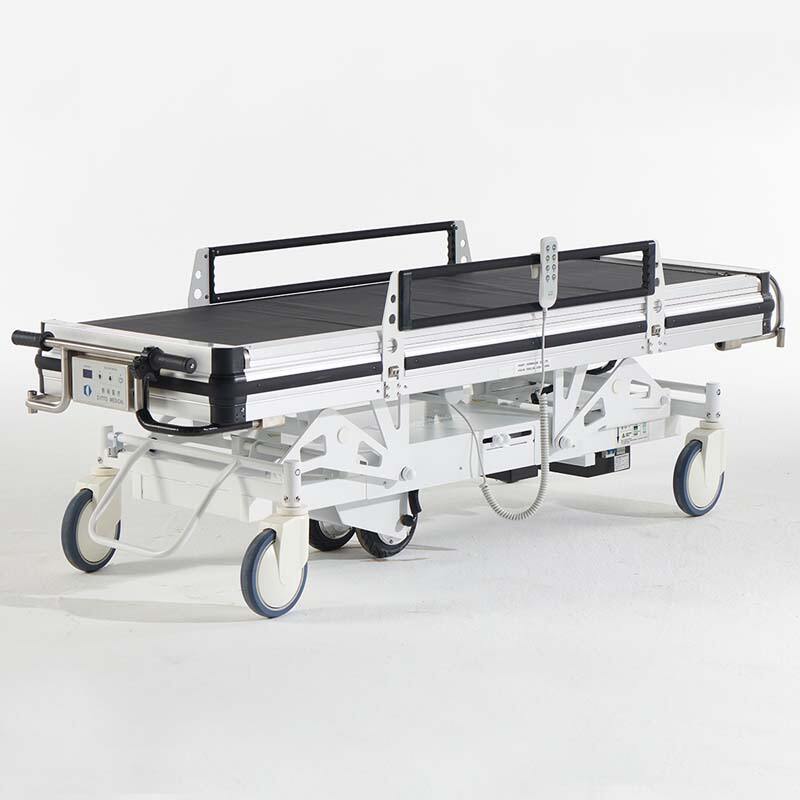
Healthcare facilities worldwide are increasingly adopting advanced patient care equipment to improve safety standards and operational efficiency. Among the most significant innovations in patient transportation is the electric transfer bed, which has revolutionized how medical professionals handle patient mobility within hospitals and care facilities. These sophisticated devices combine cutting-edge technology with ergonomic design to address the critical challenges of patient transfer while minimizing the risk of injury to both patients and healthcare workers.
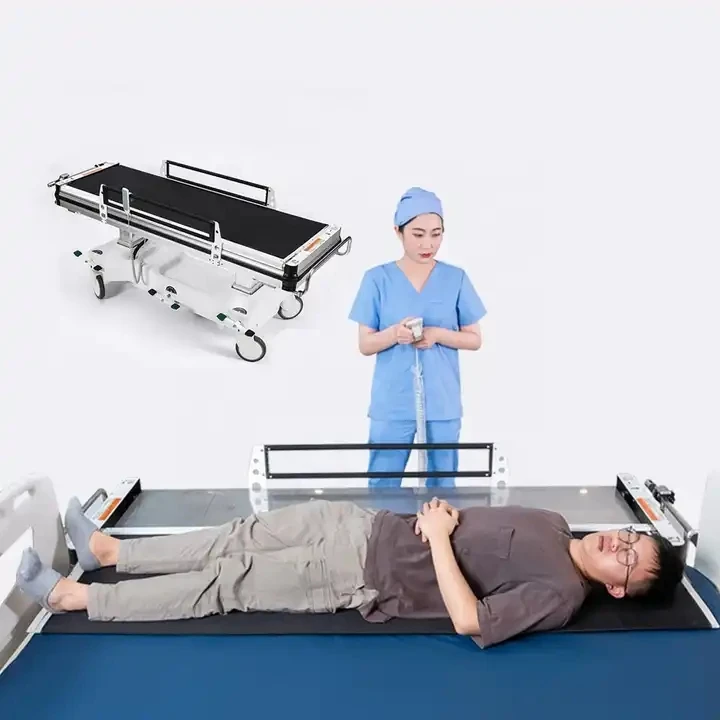
The modern healthcare environment demands equipment that not only meets stringent safety requirements but also enhances the overall quality of patient care. Electric transfer beds represent a significant advancement in medical technology, offering healthcare providers the tools necessary to ensure safe, comfortable, and efficient patient transfers throughout various medical procedures and treatments.
Enhanced Patient Safety and Comfort
Advanced Stability Features
Electric transfer beds incorporate sophisticated stabilization systems that significantly reduce the risk of patient falls and injuries during transportation. These beds feature reinforced side rails that automatically adjust to provide optimal containment while maintaining patient comfort. The electric positioning system ensures smooth transitions between different bed configurations, eliminating sudden movements that could cause discomfort or anxiety in patients.
The precision control offered by electric systems allows healthcare professionals to make minute adjustments to bed positioning, ensuring patients remain secure throughout the transfer process. This level of control is particularly beneficial when dealing with patients who have mobility limitations, surgical wounds, or other medical conditions that require careful handling.
Pressure Relief and Positioning Benefits
Modern transfer bed designs incorporate advanced pressure distribution technology that helps prevent the development of pressure sores and enhances patient comfort during extended transport periods. The electric adjustment capabilities allow caregivers to modify bed angles and positions to accommodate specific medical requirements and patient preferences.
The ability to adjust head and foot sections independently provides optimal positioning for various medical procedures and patient conditions. This flexibility ensures that patients maintain proper alignment and circulation throughout the transfer process, reducing the risk of complications and improving overall treatment outcomes.
Operational Efficiency and Staff Benefits
Reduced Physical Strain on Healthcare Workers
Electric transfer beds significantly reduce the physical demands placed on healthcare staff during patient transfers. The motorized adjustment systems eliminate the need for manual lifting and repositioning, which are leading causes of workplace injuries in healthcare settings. By reducing these physical demands, facilities can decrease worker compensation claims and improve staff retention rates.
The ergonomic design of electric transfer beds allows healthcare workers to maintain proper body mechanics while operating the equipment. This consideration for staff wellbeing translates into improved job satisfaction and reduced absenteeism, ultimately benefiting the entire healthcare facility through enhanced productivity and morale.
Time Efficiency and Workflow Optimization
The streamlined operation of electric transfer beds enables healthcare teams to complete patient transfers more quickly and efficiently than traditional manual methods. The intuitive control systems allow staff to focus on patient care rather than struggling with mechanical adjustments, leading to improved workflow throughout the facility.
These efficiency gains become particularly valuable during emergency situations or high-volume periods when rapid patient movement is essential. The reliability and speed of electric systems ensure that critical transfers can be completed without delay, potentially improving patient outcomes in time-sensitive medical scenarios.
Advanced Technology Integration
Smart Control Systems
Contemporary transfer bed models feature sophisticated electronic control systems that provide precise positioning capabilities and enhanced safety protocols. These systems often include memory functions that store preferred positioning settings for different procedures or patient types, streamlining the setup process for healthcare staff.
The integration of diagnostic capabilities allows these beds to monitor their own performance and alert maintenance staff to potential issues before they become critical problems. This proactive approach to equipment management helps ensure consistent availability and reduces the risk of unexpected failures during patient care.
Compatibility with Medical Equipment
Electric transfer beds are designed to seamlessly integrate with other medical equipment and facility systems. The standardized dimensions and connection points allow for easy attachment of monitoring devices, IV poles, and other essential medical equipment during patient transport.
This compatibility extends to facility infrastructure, with many models featuring power management systems that can connect to hospital electrical networks for continuous operation. The ability to maintain power connectivity ensures that critical patient monitoring and life support systems remain functional throughout the transfer process.
Cost-Effectiveness and Return on Investment
Long-Term Financial Benefits
While the initial investment in electric transfer bed systems may be higher than traditional alternatives, the long-term financial benefits significantly outweigh the upfront costs. Reduced workplace injury claims, decreased staff turnover, and improved operational efficiency contribute to substantial cost savings over the equipment's lifespan.
The durability and reliability of electric systems also reduce maintenance costs and equipment replacement frequency. Many facilities report that electric transfer beds maintain their functionality and performance standards for significantly longer periods than mechanical alternatives, providing excellent return on investment.
Quality of Care Improvements
The enhanced patient safety and comfort provided by electric transfer beds often translate into improved patient satisfaction scores and reduced liability exposure for healthcare facilities. These improvements can have significant financial implications through enhanced reputation, increased patient volume, and reduced legal costs.
Insurance providers often recognize the risk reduction benefits of advanced patient transfer equipment, potentially offering reduced premiums for facilities that invest in high-quality safety equipment. This recognition further enhances the financial attractiveness of electric transfer bed systems.
Compliance and Safety Standards
Regulatory Compliance
Electric transfer beds are designed to meet or exceed stringent healthcare industry safety standards and regulatory requirements. These devices undergo rigorous testing and certification processes to ensure they provide reliable performance in critical healthcare environments.
The comprehensive documentation and traceability features built into modern electric systems help healthcare facilities maintain compliance with quality assurance protocols and regulatory reporting requirements. This capability is essential for facilities seeking accreditation and maintaining their operating licenses.
Emergency Preparedness
The reliability and versatility of electric transfer beds make them valuable assets during emergency situations and disaster response scenarios. The ability to quickly and safely move multiple patients enhances facility preparedness and response capabilities during critical events.
Battery backup systems and manual override capabilities ensure that these beds remain functional even during power outages or system failures. This redundancy is crucial for maintaining patient care continuity during unexpected circumstances.
FAQ
What maintenance requirements are associated with electric transfer beds
Electric transfer beds require regular preventive maintenance including battery testing, motor inspection, and safety system verification. Most manufacturers recommend quarterly professional maintenance checks along with daily operational inspections by healthcare staff. Proper maintenance ensures optimal performance and extends equipment lifespan while maintaining safety standards.
How do electric transfer beds compare to manual alternatives in terms of reliability
Electric transfer beds generally offer superior reliability compared to manual alternatives due to their precision engineering and quality control standards. While they contain more complex components, the automated systems reduce human error and mechanical wear associated with manual operation. Most modern electric units feature backup systems and manual overrides to ensure functionality during emergencies.
What training is required for healthcare staff to operate electric transfer beds
Healthcare staff typically require basic training on electric transfer bed operation, which usually takes 2-4 hours including hands-on practice. Training covers safety protocols, control operation, emergency procedures, and basic troubleshooting. Many manufacturers provide comprehensive training programs and ongoing support to ensure proper equipment utilization.
Are electric transfer beds suitable for all types of healthcare facilities
Electric transfer beds are adaptable to various healthcare settings including hospitals, long-term care facilities, rehabilitation centers, and surgical centers. The key considerations include facility electrical infrastructure, staff training capabilities, and patient volume requirements. Many facilities find that the benefits justify the investment regardless of size, though specific model selection should match facility needs and budget constraints.
Table of Contents
- Enhanced Patient Safety and Comfort
- Operational Efficiency and Staff Benefits
- Advanced Technology Integration
- Cost-Effectiveness and Return on Investment
- Compliance and Safety Standards
-
FAQ
- What maintenance requirements are associated with electric transfer beds
- How do electric transfer beds compare to manual alternatives in terms of reliability
- What training is required for healthcare staff to operate electric transfer beds
- Are electric transfer beds suitable for all types of healthcare facilities