 EN
EN

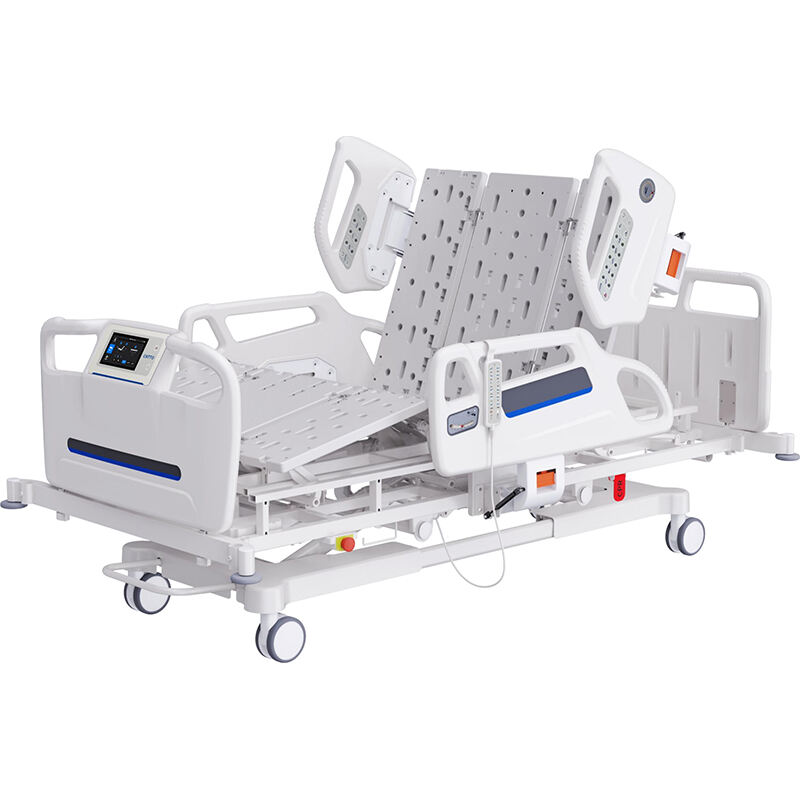
Patient safety remains the cornerstone of quality healthcare delivery in modern hospitals and medical facilities. Among the essential equipment that directly impacts patient outcomes, the medical bed stands as one of the most critical components in ensuring comprehensive care and protection. These specialized beds go far beyond basic comfort, incorporating advanced safety features, ergonomic designs, and technological innovations that significantly reduce risks while enhancing the overall treatment experience. Understanding how a medical bed contributes to patient safety helps healthcare professionals make informed decisions about equipment selection and implementation strategies.
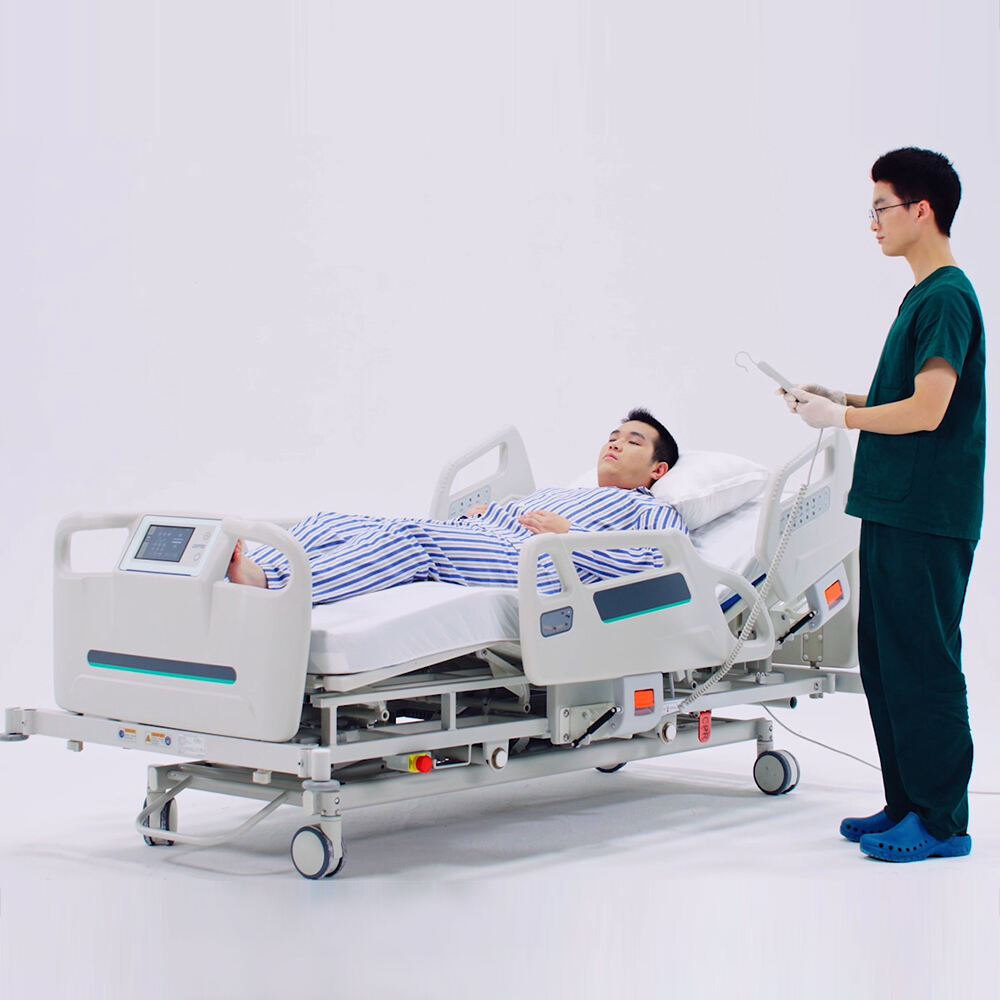
Advanced Safety Mechanisms in Modern Medical Beds
Electronic Controls and Position Management
Today's medical bed systems incorporate sophisticated electronic controls that allow precise positioning adjustments while maintaining optimal patient safety. These controls enable healthcare providers to modify bed height, head elevation, and leg positioning with remarkable accuracy, reducing the physical strain on both patients and medical staff. The electronic systems include built-in safety locks that prevent accidental adjustments and ensure positions remain stable during treatment procedures. Emergency lowering features allow rapid bed positioning changes in critical situations, while weight distribution sensors help maintain proper body alignment throughout extended bed rest periods.
The integration of smart technology in medical bed controls has revolutionized patient monitoring capabilities. Advanced sensors continuously track patient movement, vital signs, and positioning changes, alerting medical staff to potential safety concerns before they escalate. These systems can detect when patients attempt to leave the bed unsupervised, automatically triggering alarms to prevent falls and injuries. The electronic controls also maintain detailed logs of position changes and patient activity, providing valuable data for treatment planning and safety protocol development.
Fall Prevention and Mobility Support
Fall prevention represents one of the most significant safety benefits provided by modern medical bed designs. Adjustable side rails offer customizable protection levels based on individual patient needs and mobility restrictions. These rails can be positioned at various heights and configurations, allowing easy access for medical procedures while maintaining essential safety barriers. The bed frame construction includes rounded edges and smooth surfaces that minimize injury risks from accidental contact, while non-slip surfaces prevent patients from sliding during position changes.
Mobility assistance features built into medical bed systems help patients maintain independence while ensuring safety during movement. Integrated grab bars provide secure handholds for position changes, while specialized mattress surfaces reduce pressure points and support natural body positioning. The bed's ability to achieve optimal heights for patient transfer reduces strain during wheelchair transitions and walking assistance activities. These features work together to create a comprehensive safety environment that supports patient recovery while minimizing accident risks.
Infection Control and Hygiene Standards
Antimicrobial Surface Technology
Infection prevention has become increasingly critical in healthcare environments, making the antimicrobial properties of medical bed surfaces essential for patient safety. Modern medical bed manufacturers incorporate specialized coatings and materials that actively resist bacterial growth and viral contamination. These surfaces undergo rigorous testing to ensure effectiveness against common healthcare-associated pathogens, including MRSA, C. diff, and various viral strains. The antimicrobial treatment extends to all patient contact areas, including bed rails, controls, and mattress covers, creating a comprehensive barrier against infection transmission.
The durability of antimicrobial treatments ensures long-term protection without compromising the medical bed's structural integrity or functionality. These coatings maintain their effectiveness through repeated cleaning cycles using hospital-grade disinfectants, providing consistent infection control benefits throughout the bed's operational lifespan. Regular maintenance protocols help preserve the antimicrobial properties while ensuring optimal cleanliness standards that protect both patients and healthcare workers from cross-contamination risks.
Easy Cleaning and Sterilization
The design of contemporary medical bed systems prioritizes easy cleaning and thorough sterilization to maintain the highest hygiene standards. Seamless surface construction eliminates gaps and crevices where contaminants might accumulate, while removable components allow for detailed cleaning of individual parts. The bed frame materials resist staining and degradation from chemical disinfectants, ensuring the medical bed maintains its appearance and functionality despite intensive cleaning protocols. Quick-release mechanisms enable rapid mattress changes and deep cleaning procedures without requiring specialized tools or extensive downtime.
Drainage systems built into medical bed designs prevent fluid accumulation that could promote bacterial growth or create unsanitary conditions. These systems channel spills and cleaning solutions away from patient contact areas while maintaining easy access for maintenance personnel. The streamlined design reduces cleaning time requirements, allowing healthcare facilities to maintain rapid bed turnover rates while ensuring thorough decontamination between patient assignments. This efficiency supports both safety protocols and operational productivity in busy healthcare environments.
Patient Comfort and Recovery Enhancement
Pressure Relief and Circulation Support
Pressure ulcer prevention represents a crucial safety concern that medical bed technology addresses through sophisticated support systems and positioning capabilities. Advanced pressure redistribution mattresses incorporate multiple zones that adjust automatically based on patient weight distribution and movement patterns. These systems continuously monitor pressure points and make micro-adjustments to prevent tissue damage while maintaining comfort throughout extended bed rest periods. The medical bed frame supports these specialized mattresses while providing the flexibility needed for optimal positioning during various medical procedures and recovery phases.
Circulation enhancement features built into medical bed systems promote healthy blood flow and reduce the risk of thrombosis and other circulation-related complications. The bed's ability to achieve precise positioning angles supports natural circulation patterns while accommodating medical equipment and treatment requirements. Therapeutic positioning protocols can be programmed into the bed's control system, automatically adjusting patient position at predetermined intervals to prevent circulation issues and maintain tissue health. These automated features ensure consistent care delivery even during busy periods when manual repositioning might be delayed.
Pain Management and Sleep Quality
Effective pain management significantly impacts patient recovery outcomes, making the comfort features of a medical bed essential for comprehensive care delivery. Adjustable firmness settings allow healthcare providers to customize support levels based on individual patient conditions and treatment requirements. The bed's positioning capabilities enable optimal alignment for various medical conditions, reducing strain on injured areas while promoting natural healing processes. Vibration therapy options integrated into some medical bed models provide additional pain relief benefits through gentle massage functions that improve circulation and reduce muscle tension.
Sleep quality enhancement features help patients achieve the restorative rest essential for recovery and healing. Noise reduction technologies minimize disruptions from bed adjustments and medical equipment, while smooth transition mechanisms prevent jarring movements that could disturb patient sleep. The medical bed control systems can be programmed to maintain optimal sleeping positions throughout the night, automatically making minor adjustments to prevent discomfort without waking the patient. These features contribute to faster recovery times and improved patient satisfaction scores.
Emergency Response and Critical Care Support
Rapid Position Changes and Access
Emergency medical situations require immediate access to patients and rapid position changes that traditional beds cannot accommodate effectively. Medical bed systems incorporate quick-release mechanisms and emergency positioning features that enable healthcare providers to respond instantly to critical situations. The bed can achieve CPR position within seconds, providing the firm, flat surface necessary for effective resuscitation procedures. Emergency braking systems ensure the medical bed remains stable during intensive procedures, while removable sections allow unobstructed access from all angles when multiple medical personnel need to work simultaneously.
Integrated emergency call systems connect patients directly to nursing stations and emergency response teams through easily accessible controls built into the medical bed framework. These systems include backup power sources that maintain functionality during power outages, ensuring patient safety communication remains available at all times. Visual and audible alert systems help medical staff locate emergency calls quickly in large facilities, while automatic documentation features record emergency events for quality improvement analysis and regulatory compliance purposes.
Medical Equipment Integration
Modern medical bed designs accommodate the complex array of medical equipment required for intensive care and specialized treatments. Built-in power outlets and equipment mounting systems reduce cord clutter while ensuring reliable connections for life-support devices, monitoring equipment, and therapeutic apparatus. The medical bed frame includes designated attachment points for IV poles, ventilators, and monitoring devices that maintain optimal positioning regardless of bed adjustments. Cable management systems keep electrical connections organized and protected, preventing accidental disconnections that could compromise patient safety.
Weight capacity specifications for medical bed systems account for both patient weight and attached medical equipment, ensuring structural integrity under maximum load conditions. The bed's mobility features allow easy transport of patients with connected equipment between treatment areas, maintaining continuous monitoring and life support during transitions. Specialized transport modes lock certain bed functions while maintaining essential safety features, providing secure patient transport without compromising critical care delivery. These integration capabilities make the medical bed a central platform for comprehensive patient care coordination.
Staff Safety and Ergonomic Benefits
Injury Prevention for Healthcare Workers
Healthcare worker injuries, particularly back injuries from patient handling, represent a significant safety concern that modern medical bed technology addresses through ergonomic design and mechanical assistance features. Height adjustment capabilities eliminate the need for healthcare providers to work in awkward positions, reducing strain during patient care activities such as wound dressing, medication administration, and personal hygiene assistance. The medical bed can be positioned to optimal working heights for different procedures, ensuring healthcare workers maintain proper posture and body mechanics throughout their shifts.
Mechanical lift integration systems built into medical bed designs assist with patient transfers and repositioning, significantly reducing the physical demands on healthcare staff. These systems can support patient weight during position changes while providing controlled movement that protects both patients and caregivers from injury. The smooth operation of electric controls eliminates the physical effort required for manual bed adjustments, allowing healthcare providers to focus on patient care rather than equipment manipulation. Training programs for medical bed operation help staff maximize safety benefits while developing efficient care delivery techniques.
Workflow Efficiency and Time Management
Streamlined medical bed controls and automated features significantly improve workflow efficiency, allowing healthcare providers to deliver more effective care in less time. Preset positioning options enable rapid bed configuration for different procedures and treatments, eliminating the time required for manual adjustments and reducing procedure setup times. Memory functions store preferred positions for individual patients, ensuring consistency across different shifts and care providers. These efficiency improvements allow healthcare staff to spend more time on direct patient interaction and clinical assessment activities.
Documentation integration features in advanced medical bed systems automatically record position changes, patient activity levels, and safety events, reducing paperwork requirements while improving record accuracy. Electronic monitoring capabilities provide real-time data on patient status and bed utilization, helping healthcare managers optimize resource allocation and staffing decisions. The reliability of modern medical bed systems reduces maintenance requirements and equipment downtime, ensuring consistent availability for patient care needs. These operational benefits contribute to overall healthcare facility efficiency while maintaining the highest safety standards.
Regulatory Compliance and Quality Standards
FDA Approval and Safety Certifications
Medical bed manufacturers must meet stringent regulatory requirements established by the FDA and other international safety organizations to ensure product safety and effectiveness. These regulations cover all aspects of medical bed design, from electrical safety and mechanical reliability to biocompatibility and infection control capabilities. Regular testing and certification processes verify that each medical bed model maintains compliance with current safety standards, while ongoing quality monitoring ensures consistent performance throughout the product lifecycle. Healthcare facilities rely on these certifications when selecting medical bed systems, knowing that regulatory compliance provides essential safety assurances for both patients and staff.
International safety standards such as IEC 60601 establish comprehensive requirements for medical electrical equipment, including the electronic systems integrated into modern medical bed designs. These standards address electrical safety, electromagnetic compatibility, and essential safety features that prevent equipment malfunctions and ensure reliable operation. Compliance with these standards requires extensive testing and documentation, providing healthcare providers with confidence in the medical bed safety performance under various operating conditions and environmental factors.
Quality Assurance and Maintenance Protocols
Comprehensive quality assurance programs ensure that medical bed systems maintain optimal safety performance throughout their operational lifespan. Regular inspection protocols identify potential safety issues before they impact patient care, while preventive maintenance schedules preserve equipment functionality and extend service life. Healthcare facilities implement standardized maintenance procedures based on manufacturer recommendations and regulatory requirements, ensuring consistent safety standards across all medical bed units. Documentation requirements track maintenance activities and safety inspections, providing audit trails for regulatory compliance and quality improvement initiatives.
Training programs for maintenance personnel and healthcare staff ensure proper medical bed operation and safety protocol adherence. These programs cover emergency procedures, troubleshooting techniques, and safety feature utilization, helping healthcare facilities maximize the safety benefits of their medical bed investments. Manufacturer support services provide ongoing technical assistance and safety updates, helping healthcare providers maintain current safety standards as technology evolves. The combination of quality manufacturing, regulatory compliance, and comprehensive maintenance support creates a robust safety framework that protects patients and healthcare workers throughout the medical bed operational period.
FAQ
How often should medical beds be inspected for safety compliance
Medical beds should undergo daily visual inspections by nursing staff to check for obvious safety concerns, with comprehensive safety inspections conducted monthly by biomedical technicians. Annual detailed inspections by certified medical equipment specialists ensure compliance with regulatory requirements and manufacturer specifications. Emergency inspections should be performed immediately following any incident or reported malfunction that could impact patient safety.
What are the most important safety features to look for when selecting a medical bed
Essential safety features include reliable brake systems, adjustable side rails with secure locking mechanisms, emergency lowering capabilities, and electronic controls with backup systems. Fall prevention sensors, pressure redistribution surfaces, and antimicrobial materials are also critical for comprehensive patient safety. The medical bed should meet current FDA regulations and include integrated equipment mounting systems for medical devices.
How do medical beds help prevent hospital-acquired infections
Medical beds incorporate antimicrobial surface treatments that actively resist bacterial and viral growth, while seamless construction eliminates contamination hiding places. Easy cleaning protocols and removable components enable thorough decontamination between patients. Drainage systems prevent fluid accumulation, and specialized materials resist degradation from hospital-grade disinfectants, maintaining infection control effectiveness over time.
What role does staff training play in medical bed safety
Comprehensive staff training ensures proper medical bed operation, safety feature utilization, and emergency response procedures. Training programs cover patient positioning techniques, equipment integration, and maintenance protocols that preserve safety performance. Regular refresher training keeps healthcare providers current with safety procedures and new technology features, while competency assessments verify skill levels and identify additional training needs for optimal patient safety outcomes.