 EN
EN

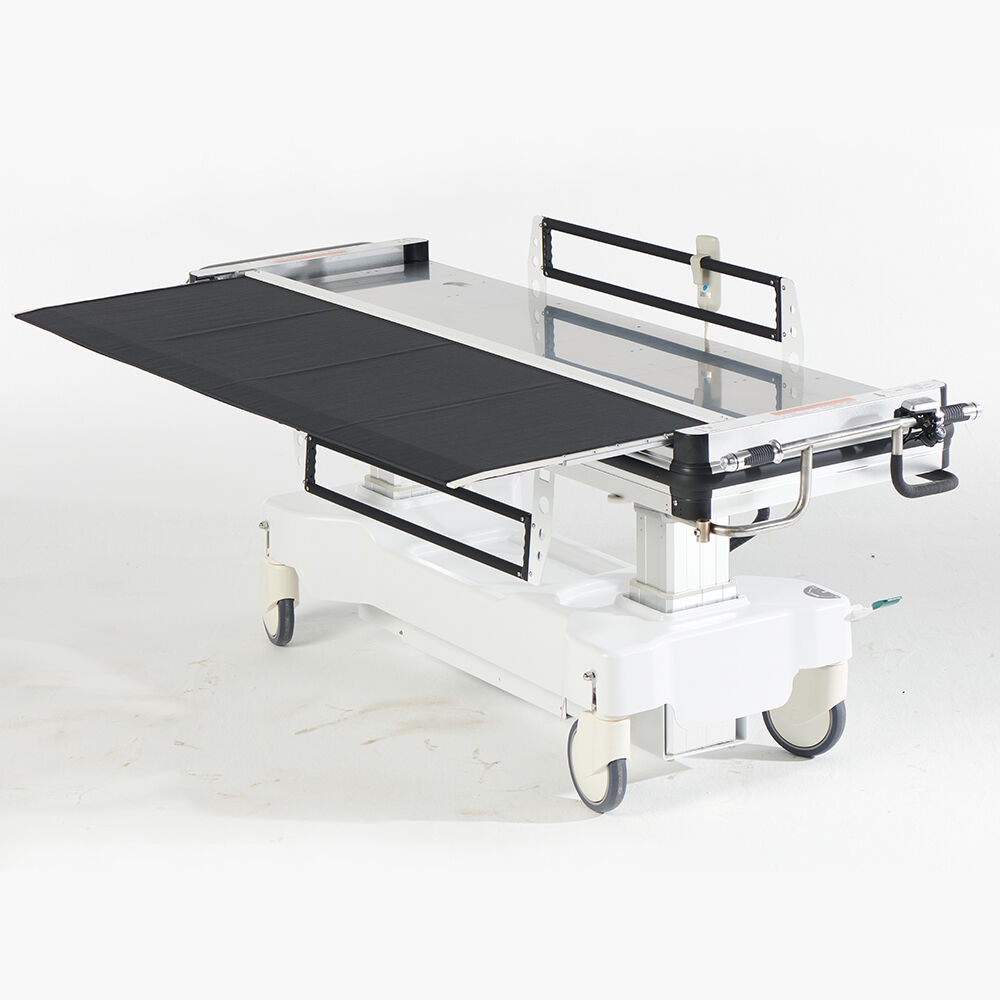
Healthcare facilities worldwide are experiencing a significant shift toward ergonomic solutions, with the patient bed emerging as a cornerstone of modern medical care. This transformation reflects a growing understanding of how proper equipment design impacts both patient outcomes and healthcare worker efficiency. As medical facilities prioritize comfort, safety, and functionality, the demand for advanced patient bed systems continues to surge across hospitals, clinics, and long-term care facilities.
The evolution of the modern patient bed represents decades of innovation in medical technology and human-centered design. Today's healthcare environments demand equipment that can adapt to diverse patient needs while supporting clinical workflows. From basic positioning adjustments to sophisticated monitoring integration, contemporary patient bed systems offer unprecedented levels of customization and functionality that were unimaginable just a generation ago.
Enhanced Patient Safety Features Drive Adoption
Advanced Fall Prevention Systems
Modern patient bed designs incorporate sophisticated safety mechanisms that significantly reduce the risk of patient falls and injuries. These systems include intelligent side rail configurations, bed exit alarms, and automated positioning controls that maintain optimal patient positioning throughout treatment periods. Healthcare facilities report substantial decreases in incident rates when implementing comprehensive patient bed safety protocols.
The integration of sensor technology within patient bed frameworks enables real-time monitoring of patient movement and positioning. These smart systems can detect when a patient attempts to leave the bed unassisted, immediately alerting nursing staff to potential safety concerns. Such proactive safety measures have become essential components of quality care delivery in modern healthcare settings.
Pressure Relief and Wound Prevention
Ergonomic patient bed systems excel in pressure distribution and wound prevention through advanced surface technologies and positioning capabilities. The ability to adjust multiple sections independently allows caregivers to optimize pressure points and promote healthy circulation patterns. This functionality proves particularly crucial for patients requiring extended bed rest or those with mobility limitations.
Healthcare professionals increasingly recognize the connection between proper patient bed positioning and clinical outcomes. Strategic pressure redistribution through motorized adjustments can prevent the development of pressure ulcers, reduce recovery times, and improve overall patient comfort during treatment protocols.
Improved Healthcare Worker Ergonomics
Reduced Physical Strain on Staff
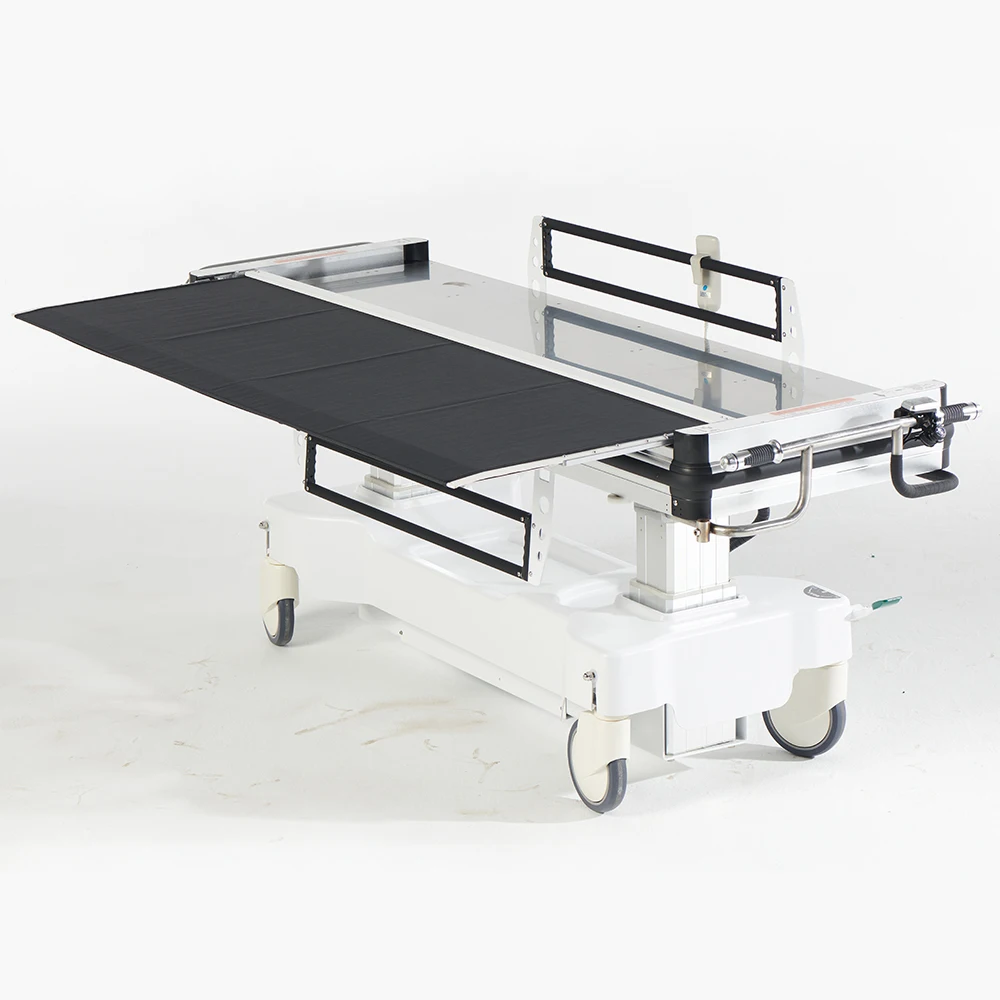
The ergonomic benefits of modern patient bed systems extend beyond patient comfort to encompass significant improvements in healthcare worker safety and efficiency. Electric height adjustment capabilities eliminate the need for manual lifting and awkward positioning during patient care activities. This reduction in physical strain translates to fewer workplace injuries and improved job satisfaction among nursing staff.
Research demonstrates that facilities utilizing advanced patient bed systems experience measurably lower rates of staff-related musculoskeletal injuries. The ability to position beds at optimal working heights for different procedures and care activities creates safer working conditions while enhancing the quality of patient interactions.
Enhanced Workflow Efficiency
Contemporary patient bed designs facilitate streamlined care delivery through intuitive control systems and integrated technology platforms. Caregivers can quickly adjust bed configurations to accommodate various medical procedures, patient transfers, and comfort requirements without disrupting treatment protocols or requiring additional personnel assistance.
The standardization of patient bed controls and features across healthcare facilities enables staff to work more efficiently regardless of their assigned units or departments. This consistency reduces training requirements and minimizes errors related to equipment unfamiliarity, contributing to improved patient safety and care quality.
Technological Integration and Smart Features
Digital Monitoring Capabilities
Modern patient bed systems increasingly incorporate digital monitoring technologies that seamlessly integrate with electronic health record systems and hospital information networks. These smart features enable continuous tracking of patient positioning, mobility patterns, and bed utilization statistics that inform clinical decision-making and resource allocation strategies.
The integration of monitoring capabilities within patient bed platforms eliminates the need for separate tracking devices while providing comprehensive data collection throughout patient stays. This consolidated approach to patient monitoring enhances care coordination while reducing equipment complexity and maintenance requirements.
Customizable Comfort Settings
Advanced patient bed systems offer extensive customization options that allow healthcare providers to tailor bed configurations to individual patient needs and medical conditions. These personalized settings can be saved and recalled for consistent positioning throughout treatment periods, ensuring optimal comfort and therapeutic benefit.
The ability to fine-tune patient bed positioning contributes significantly to patient satisfaction scores and recovery outcomes. Facilities report improved patient compliance with treatment protocols when comfort levels are optimized through proper bed configuration and positioning strategies.
Cost-Effectiveness and Long-Term Value
Reduced Operating Expenses
Investment in high-quality patient bed systems generates substantial cost savings over time through reduced maintenance requirements, improved durability, and enhanced operational efficiency. Modern patient bed designs utilize advanced materials and manufacturing techniques that extend service life while minimizing repair and replacement costs.
The reliability of contemporary patient bed systems translates to decreased downtime and improved bed availability for patient admissions. This enhanced utilization efficiency helps healthcare facilities maximize their investment while ensuring consistent availability of essential patient care equipment.
Insurance and Liability Benefits
Healthcare facilities utilizing advanced patient bed systems often qualify for reduced insurance premiums and liability exposure due to improved safety profiles and reduced incident rates. The comprehensive safety features and ergonomic design elements of modern patient bed systems contribute to lower risk assessments and improved facility ratings.
The documentation capabilities integrated within smart patient bed systems provide valuable data for insurance claims and quality assurance programs. This comprehensive record-keeping supports facility compliance with regulatory requirements while demonstrating commitment to patient safety and care quality.
Patient Comfort and Recovery Outcomes
Enhanced Sleep Quality
The importance of quality sleep in patient recovery cannot be overstated, and modern patient bed systems play a crucial role in creating optimal sleep environments within healthcare settings. Advanced positioning capabilities allow patients to find comfortable sleeping positions that accommodate medical equipment and treatment requirements while promoting restful sleep patterns.
Research indicates that patients utilizing ergonomic patient bed systems experience improved sleep quality and shorter recovery times compared to those using standard hospital beds. The ability to customize positioning and support levels contributes significantly to patient comfort and overall satisfaction with their healthcare experience.
Mobility and Independence Support
Modern patient bed designs encourage patient mobility and independence through features that assist with safe transfers and position changes. The gradual transition capabilities of electric patient bed systems allow patients to progress from supine to sitting positions at comfortable rates, promoting circulation and preventing complications associated with prolonged bed rest.
The psychological benefits of increased independence and control over their environment contribute to improved patient morale and cooperation with treatment protocols. Patients report higher satisfaction levels when they can adjust their patient bed positioning according to their comfort preferences and medical needs.
Regulatory Compliance and Industry Standards
Meeting Healthcare Accreditation Requirements
Healthcare facilities must comply with increasingly stringent accreditation standards that emphasize patient safety, comfort, and quality of care. Modern patient bed systems are designed to meet or exceed these regulatory requirements, helping facilities maintain their accreditation status while demonstrating commitment to excellence in patient care delivery.
The comprehensive documentation and monitoring capabilities of advanced patient bed systems support compliance with various regulatory frameworks and quality improvement initiatives. This built-in compliance support reduces administrative burden while ensuring consistent adherence to established healthcare standards.
Future-Proofing Healthcare Investments
Investment in state-of-the-art patient bed systems represents a strategic approach to future-proofing healthcare facility operations against evolving regulatory requirements and industry standards. The modular design and upgrade capabilities of modern patient bed platforms allow facilities to adapt to changing requirements without complete equipment replacement.
The scalability of contemporary patient bed systems enables healthcare facilities to expand their capabilities incrementally as needs and budgets allow. This flexible approach to equipment investment supports long-term strategic planning while maintaining operational excellence throughout facility growth and development phases.
FAQ
What makes an ergonomic patient bed different from standard hospital beds
Ergonomic patient bed systems feature advanced positioning capabilities, integrated safety mechanisms, and smart technology integration that standard beds lack. These beds offer multiple adjustment points, pressure relief surfaces, and customizable comfort settings that significantly enhance both patient outcomes and caregiver efficiency compared to traditional hospital bed designs.
How do modern patient bed systems improve staff working conditions
Contemporary patient bed designs reduce physical strain on healthcare workers through electric height adjustment, intuitive controls, and ergonomic positioning features. These improvements lead to fewer workplace injuries, increased job satisfaction, and more efficient care delivery while maintaining high standards of patient safety and comfort.
What safety features should healthcare facilities look for in patient bed systems
Essential safety features include intelligent side rails, bed exit alarms, pressure relief capabilities, and emergency positioning controls. Modern patient bed systems should also offer integrated monitoring capabilities, fall prevention mechanisms, and fail-safe systems that ensure patient safety even during power outages or equipment malfunctions.
How do ergonomic patient beds contribute to better patient outcomes
Ergonomic patient bed systems promote faster recovery through improved sleep quality, enhanced mobility support, and reduced complications from pressure points. The customizable positioning and comfort features help patients maintain better circulation, experience less pain, and participate more actively in their recovery process, leading to shorter hospital stays and improved satisfaction scores.