 EN
EN

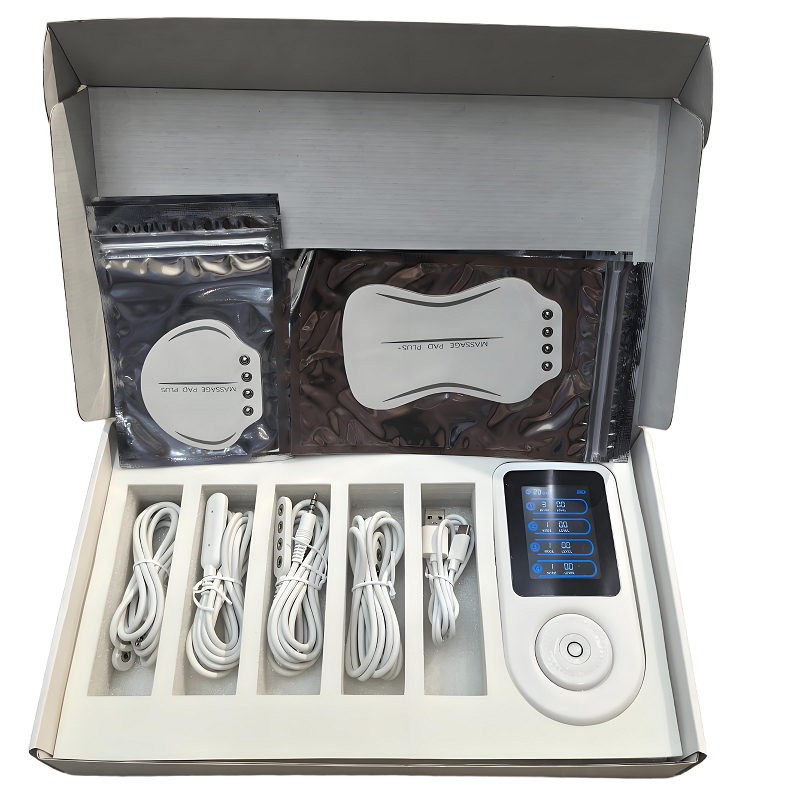
Transcutaneous Electrical Nerve Stimulation has emerged as a revolutionary approach to pain management and therapeutic care in modern healthcare. This non-invasive treatment method utilizes low-voltage electrical currents to provide relief from various types of pain and discomfort. The growing popularity of tens therapy stems from its ability to offer natural pain relief without the side effects commonly associated with pharmaceutical interventions. Healthcare professionals and patients alike have embraced this technology as an effective alternative to traditional pain management strategies.
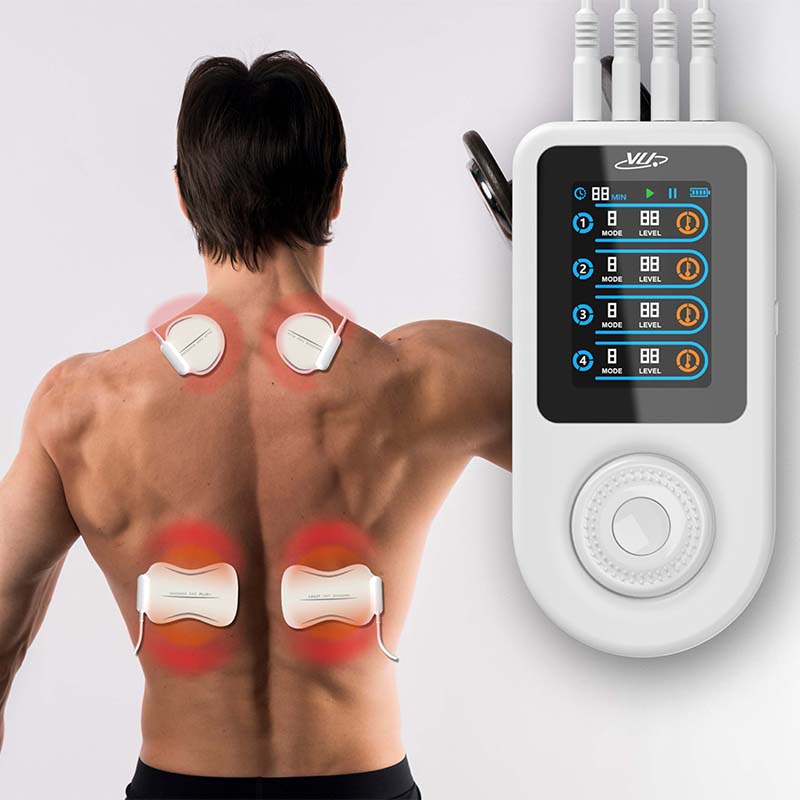
The scientific foundation behind tens therapy lies in the gate control theory of pain, which suggests that non-painful stimuli can override painful sensations through nerve pathway modulation. Modern tens devices have become increasingly sophisticated, offering customizable settings that allow users to tailor their treatment experience to specific conditions and comfort levels. The versatility of tens therapy makes it suitable for addressing a wide range of health concerns, from chronic pain conditions to acute injuries and post-surgical recovery.
Understanding the Mechanisms of TENS Therapy
Neurological Pathways and Pain Modulation
The effectiveness of tens therapy relies on its ability to influence the transmission of pain signals through the nervous system. When electrical impulses are applied to the skin through tens electrodes, they stimulate large diameter nerve fibers that carry non-painful sensations. These signals travel faster than pain signals and can effectively block or reduce the perception of pain at the spinal cord level. This mechanism explains why tens therapy can provide immediate relief for many users during and immediately following treatment sessions.
Research has shown that tens stimulation also triggers the release of endorphins, the body's natural pain-relieving chemicals. These neurochemical responses contribute to both immediate and longer-lasting pain relief effects. The frequency and intensity settings of tens devices can be adjusted to optimize endorphin release, making treatment more effective for individual users. Understanding these mechanisms helps healthcare providers and patients make informed decisions about incorporating tens therapy into comprehensive treatment plans.
Cellular and Tissue-Level Effects
Beyond pain modulation, tens therapy influences cellular processes that contribute to healing and recovery. The electrical stimulation provided by tens units can improve local blood circulation, which enhances the delivery of oxygen and nutrients to affected tissues. This improved circulation supports the body's natural healing processes and can accelerate recovery from injuries or surgical procedures. Additionally, tens stimulation may reduce inflammation at the cellular level, further contributing to pain relief and tissue repair.
The rhythmic electrical pulses generated by tens devices can also help reduce muscle tension and spasms. This muscle relaxation effect is particularly beneficial for individuals experiencing pain related to muscle strain, tension headaches, or myofascial pain syndromes. By addressing both the neurological and muscular components of pain, tens therapy provides comprehensive relief that extends beyond simple pain masking to actual therapeutic benefit.
Health Benefits for Chronic Pain Management
Arthritis and Joint Pain Relief
Arthritis sufferers have found significant relief through regular tens therapy sessions. The electrical stimulation helps reduce joint stiffness and inflammation while improving mobility and function. Clinical studies have demonstrated that consistent use of tens devices can reduce the need for pain medications in arthritis patients, potentially decreasing the risk of medication-related side effects. The portable nature of modern tens units allows arthritis patients to manage their symptoms proactively throughout the day as needed.
For individuals with rheumatoid arthritis, tens therapy can be particularly beneficial during flare-ups when joint pain and inflammation are most severe. The adjustable intensity settings allow users to customize their treatment based on the severity of their symptoms. Many arthritis patients report improved sleep quality and daily functioning when incorporating tens therapy into their regular pain management routine.
Back Pain and Spinal Conditions
Lower back pain, one of the most common chronic pain conditions, responds particularly well to tens therapy. The electrical stimulation can target specific areas of discomfort while promoting muscle relaxation and improved circulation in the affected region. Patients with herniated discs, sciatica, and general lower back pain often experience significant improvement in their pain levels and functional capacity through regular tens treatment sessions.
The non-invasive nature of tens therapy makes it an attractive option for individuals seeking alternatives to more aggressive interventions such as steroid injections or surgical procedures. Physical therapists frequently incorporate tens therapy into rehabilitation programs for back pain patients, using it as both a standalone treatment and as a complement to exercise and manual therapy techniques. The ability to use tens devices at home provides patients with ongoing support for their recovery process.
Acute Pain and Injury Recovery Applications
Post-Surgical Pain Management
Healthcare facilities increasingly utilize tens therapy as part of post-operative pain management protocols. The technology provides effective pain relief without the respiratory depression risks associated with opioid medications, making it particularly valuable for patients who may be sensitive to traditional pain medications. Tens therapy can be initiated soon after surgery, helping patients achieve better pain control while potentially reducing their overall medication requirements.
The use of tens devices in post-surgical care has been shown to improve patient satisfaction scores and may contribute to shorter hospital stays. Patients who receive tens therapy following procedures such as knee replacements, abdominal surgeries, and cardiac procedures often report better pain management experiences. The ability to provide continuous, adjustable pain relief through tens therapy supports the body's natural healing processes during the critical post-operative period.
Sports Injuries and Athletic Recovery
Athletes and active individuals frequently turn to tens therapy for managing sports-related injuries and supporting recovery efforts. Muscle strains, ligament sprains, and overuse injuries respond well to electrical stimulation therapy. The portable nature of tens units allows athletes to continue their treatment regimens during travel and competition, maintaining consistent pain management and recovery support.
Professional sports teams and athletic training facilities commonly include tens therapy in their injury prevention and recovery protocols. The technology helps reduce downtime from injuries while supporting safe return-to-play decisions. Many athletes report that regular tens therapy sessions help prevent minor aches and pains from developing into more serious injuries, contributing to overall performance consistency and career longevity.
Neurological and Nerve-Related Benefits
Peripheral Neuropathy Management
Individuals suffering from peripheral neuropathy, often associated with diabetes or other metabolic conditions, find relief through tens therapy. The electrical stimulation can help reduce the burning, tingling, and numbness sensations characteristic of neuropathic pain. Regular tens treatment sessions may help maintain nerve function and reduce the progression of neuropathic symptoms when used as part of a comprehensive management approach.
The adjustable frequency settings of modern tens devices allow for optimization based on the specific type and severity of neuropathic symptoms. Some patients respond better to higher frequency stimulation, while others find lower frequencies more effective. This customization capability makes tens therapy a versatile tool for addressing the varied presentations of peripheral neuropathy across different patient populations.
Headache and Migraine Relief
Tension headaches and certain types of migraines can be effectively managed through strategic tens electrode placement and stimulation protocols. The therapy helps relax tense neck and shoulder muscles that often contribute to headache development. Many headache sufferers report reduced frequency and intensity of episodes when incorporating regular tens therapy into their preventive care routines.
The non-pharmacological approach offered by tens therapy is particularly appealing to individuals who experience medication overuse headaches or who prefer to minimize their reliance on pain medications. Clinical studies have shown that tens therapy can be as effective as some traditional headache medications while avoiding potential side effects and drug interactions.
Cardiovascular and Circulatory Benefits
Improved Blood Flow and Circulation
The electrical stimulation provided by tens therapy promotes vasodilation and improved blood circulation in treated areas. This enhanced circulation delivers increased oxygen and nutrients to tissues while facilitating the removal of metabolic waste products. Individuals with circulation issues, such as those associated with peripheral vascular disease, may experience improved symptoms through regular tens therapy sessions.
The circulatory benefits of tens therapy extend beyond the immediate treatment area, as improved local circulation can contribute to overall cardiovascular health. Some studies suggest that regular electrical stimulation may help maintain healthy blood vessel function and support the body's natural circulation regulation mechanisms. These effects make tens therapy a valuable component of comprehensive wellness and rehabilitation programs.
Lymphatic Drainage Support
Tens therapy can assist in promoting lymphatic drainage, which is essential for reducing swelling and supporting immune function. The gentle electrical stimulation helps facilitate the movement of lymphatic fluid, reducing edema and supporting the body's natural detoxification processes. This benefit is particularly valuable for individuals recovering from injuries or surgical procedures where swelling management is important.
Physical therapists often incorporate tens therapy into lymphedema management protocols, using specific electrode placements and stimulation parameters to optimize lymphatic flow. The combination of improved circulation and lymphatic drainage makes tens therapy a valuable tool for comprehensive tissue health and recovery support.
Mental Health and Psychological Benefits
Stress Reduction and Relaxation
The relaxation response triggered by tens therapy extends beyond physical pain relief to include significant psychological benefits. The release of endorphins during tens treatment sessions promotes feelings of well-being and can help reduce stress and anxiety levels. Many users report feeling more relaxed and mentally clear following tens therapy sessions, contributing to overall quality of life improvements.
The rhythmic nature of tens electrical stimulation can have a meditative effect, helping users achieve a state of mental calm and relaxation. This psychological benefit is particularly valuable for individuals dealing with chronic pain conditions that often contribute to elevated stress levels and emotional distress. Regular tens therapy sessions can become part of a comprehensive stress management strategy.
Sleep Quality Improvement
Improved sleep quality is a commonly reported benefit among regular tens therapy users. By reducing pain levels and promoting relaxation, tens treatment can help individuals fall asleep more easily and maintain better sleep quality throughout the night. The reduction in nighttime pain interruptions contributes to more restorative sleep patterns and improved daytime functioning.
The sleep benefits of tens therapy create a positive cycle where better rest supports the body's natural healing processes, potentially enhancing the overall effectiveness of pain management efforts. Many chronic pain patients report that improved sleep quality through tens therapy helps them better manage their conditions during waking hours.
FAQ
How often should I use tens therapy for optimal health benefits
The frequency of tens therapy sessions depends on your specific condition and treatment goals. For acute pain or injury recovery, daily sessions of 20-30 minutes may be appropriate initially, gradually reducing frequency as symptoms improve. For chronic conditions, many users find benefit from 2-3 sessions per week for maintenance. Always consult with a healthcare provider to determine the most appropriate treatment schedule for your individual needs, as overuse can potentially lead to skin irritation or reduced effectiveness over time.
Are there any side effects or contraindications for tens therapy
Tens therapy is generally safe for most individuals when used properly, but certain contraindications exist. People with pacemakers, other implanted electrical devices, or during pregnancy should avoid tens therapy unless specifically approved by their healthcare provider. Common minor side effects may include skin irritation at electrode sites, which can usually be prevented by proper electrode placement and skin preparation. Individuals with certain heart conditions, epilepsy, or active cancer should consult their physician before beginning tens therapy.
Can tens therapy replace traditional pain medications completely
While tens therapy can significantly reduce pain levels and may allow for reduced medication use, it should not be viewed as a complete replacement for prescribed medications without medical supervision. Many users successfully reduce their reliance on pain medications through regular tens therapy, but this process should be guided by healthcare professionals. Tens therapy works best as part of a comprehensive pain management approach that may include physical therapy, lifestyle modifications, and appropriate medical interventions as determined by your healthcare team.
What makes tens therapy different from other electrical stimulation treatments
Tens therapy differs from other electrical stimulation treatments primarily in its low-voltage, comfortable stimulation parameters and its focus on pain relief rather than muscle strengthening or rehabilitation. Unlike electrical muscle stimulation (EMS) which targets muscle contraction, tens therapy specifically targets nerve pathways involved in pain transmission. The portable, user-friendly nature of tens devices also distinguishes them from clinical electrical stimulation equipment, allowing for convenient home use and integration into daily routines for ongoing pain management support.