 EN
EN

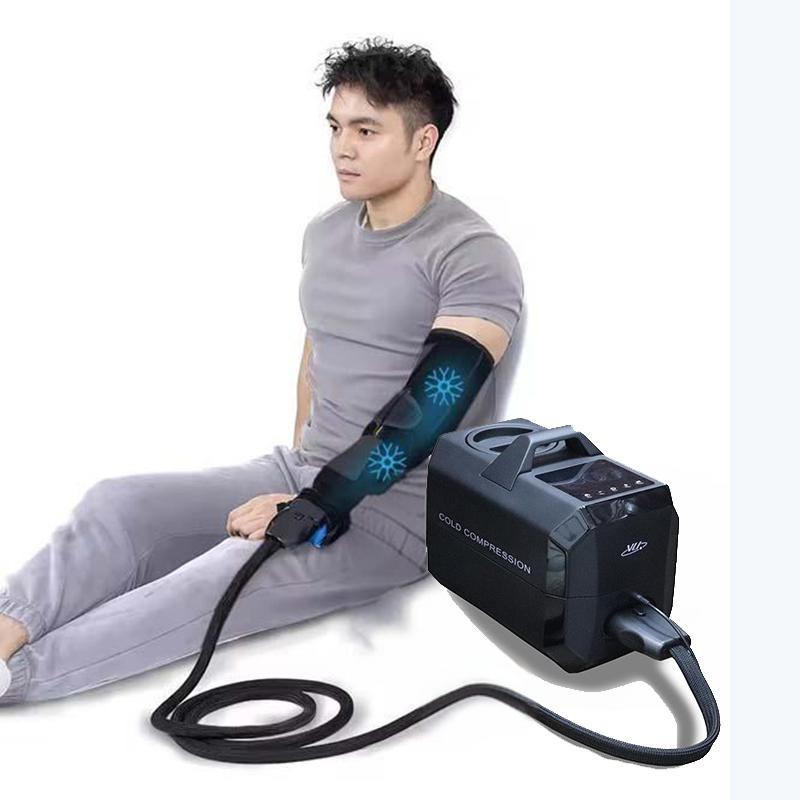
Modern pain management has evolved significantly beyond traditional methods, incorporating advanced technologies that provide more precise and effective treatment options. Among these innovations, tens therapy has emerged as a cornerstone of contemporary rehabilitation protocols, offering patients relief without the limitations of conventional ice packs. Healthcare professionals increasingly recognize that sophisticated therapeutic devices deliver superior outcomes compared to basic cooling methods, particularly when addressing chronic pain conditions and post-operative recovery scenarios.
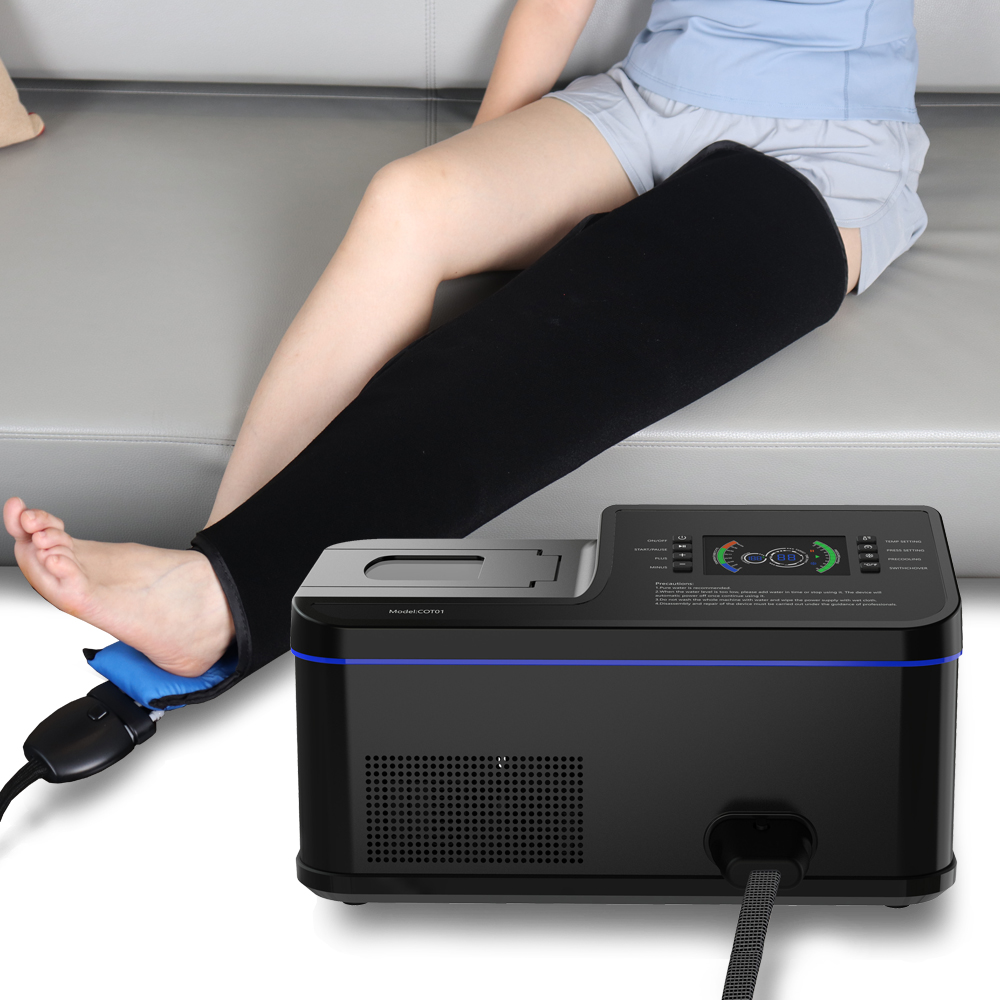
The transition from rudimentary ice pack applications to advanced therapeutic machines represents a paradigm shift in how medical professionals approach pain management and tissue recovery. While traditional ice packs provide temporary relief through basic thermal therapy, modern devices integrate multiple modalities including tens stimulation, delivering comprehensive treatment protocols that address both immediate symptoms and underlying physiological processes. This evolution reflects growing understanding of neurological pathways involved in pain perception and the body's natural healing mechanisms.
Contemporary therapeutic equipment offers unprecedented control over treatment parameters, allowing clinicians to customize therapy intensity, duration, and frequency based on individual patient needs. Unlike static ice pack applications that provide uniform cooling regardless of specific conditions, advanced machines adapt their output to optimize therapeutic outcomes while minimizing adverse effects commonly associated with prolonged cold exposure.
Advanced Therapeutic Technologies in Modern Pain Management
Precision Temperature Control Systems
Professional-grade therapeutic machines incorporate sophisticated temperature regulation mechanisms that maintain optimal cooling levels throughout extended treatment sessions. These systems utilize advanced sensors and feedback loops to prevent tissue damage while maximizing therapeutic benefits, addressing limitations inherent in traditional ice pack applications where temperature fluctuations often compromise treatment efficacy.
The precision offered by modern cooling systems extends beyond simple temperature maintenance, incorporating programmable protocols that adjust thermal output based on treatment phase and patient response. This dynamic approach ensures consistent therapeutic delivery while preventing complications such as frostbite or nerve damage that occasionally occur with improper ice pack usage.
Clinical studies demonstrate that controlled cooling environments promote more effective vasoconstriction and inflammatory response management compared to variable temperature conditions created by melting ice. The consistent thermal environment facilitates predictable physiological responses, enabling healthcare providers to develop more accurate treatment timelines and outcome expectations.
Integrated Tens Stimulation Capabilities
Contemporary therapeutic devices frequently combine cooling therapy with tens stimulation, creating synergistic effects that amplify pain relief beyond what either modality achieves independently. This integration represents a significant advancement over isolated ice pack treatments, which address only thermal aspects of pain management without engaging neurological pathways that modulate pain perception.
The combination of thermal and electrical stimulation creates a comprehensive approach to pain management that targets multiple physiological mechanisms simultaneously. Tens therapy works by stimulating large nerve fibers that can inhibit pain signal transmission to the brain, while controlled cooling reduces metabolic activity and inflammatory responses in affected tissues.
Research indicates that combined modality treatments produce longer-lasting analgesic effects compared to single-intervention approaches, suggesting that the synergistic relationship between cooling and tens stimulation enhances overall therapeutic efficacy. This multifaceted approach addresses both acute pain symptoms and underlying neurophysiological processes that contribute to chronic pain development.
Operational Efficiency and User Experience Advantages
Convenience and Preparation Requirements
Modern therapeutic machines eliminate the logistical challenges associated with ice pack preparation, storage, and replacement, providing immediate treatment availability without advance planning. Healthcare facilities benefit from reduced preparation time, allowing staff to focus on patient care rather than equipment setup and maintenance activities.
The elimination of ice preparation requirements represents a significant operational advantage in clinical settings where treatment schedules demand rapid patient turnover and minimal setup delays. Advanced machines activate instantly, providing consistent therapeutic output without the temperature stabilization period required when transitioning from storage to application with traditional ice packs.
Professional-grade equipment also reduces waste generation associated with disposable ice pack systems, aligning with sustainability initiatives while providing economic benefits through reduced consumable costs. This environmental consideration becomes increasingly important as healthcare institutions seek to minimize their ecological footprint while maintaining high treatment standards.
Customizable Treatment Protocols
Advanced therapeutic devices offer extensive programmability options that allow practitioners to develop patient-specific treatment regimens based on individual conditions, severity levels, and response patterns. This customization capability far exceeds the limited options available with standard ice pack applications, where treatment parameters remain essentially fixed regardless of specific clinical requirements.
The ability to adjust treatment intensity, duration, and cycling patterns enables healthcare providers to optimize therapeutic outcomes while minimizing patient discomfort and treatment-related side effects. Programmable protocols can incorporate graduated intensity changes, intermittent cycling, and combination therapy sequences that would be impossible to achieve with manual ice pack applications.
Clinical documentation capabilities integrated into modern machines provide detailed treatment records that support evidence-based practice development and regulatory compliance requirements. These comprehensive logs enable practitioners to track patient progress objectively and adjust treatment protocols based on quantitative outcome data rather than subjective assessments alone.
Clinical Effectiveness and Patient Outcomes
Enhanced Pain Relief Mechanisms
Clinical research demonstrates that advanced therapeutic machines incorporating tens technology achieve superior pain reduction compared to traditional ice pack treatments across various acute and chronic conditions. The multifaceted approach addresses different aspects of pain physiology simultaneously, creating more comprehensive symptom management than single-modality interventions.
The neurological component of tens therapy provides immediate pain relief through gate control mechanisms, while thermal therapy addresses inflammatory processes and tissue metabolism. This dual-action approach creates sustained analgesic effects that persist beyond treatment conclusion, offering patients extended relief periods compared to temporary cooling provided by ice packs.
Patient-reported outcome measures consistently indicate higher satisfaction levels with advanced therapeutic machines, citing improved comfort during treatment, better pain relief, and enhanced functional recovery compared to traditional approaches. These subjective improvements correlate with objective measurements of pain intensity, range of motion, and functional capacity assessments.
Accelerated Recovery and Rehabilitation
The controlled therapeutic environment provided by modern machines facilitates more predictable tissue healing responses, enabling healthcare providers to develop accurate recovery timelines and rehabilitation progressions. This predictability contrasts with variable outcomes often associated with inconsistent ice pack applications that depend heavily on proper technique and timing.
Advanced cooling systems maintain optimal tissue temperatures that promote cellular repair processes while preventing secondary injury from excessive cold exposure. The precise temperature control prevents the tissue damage that occasionally results from prolonged ice pack contact or inadequate barrier protection.
Integration with tens stimulation promotes improved circulation and muscle activation patterns that support functional recovery objectives. This combination therapy approach addresses both immediate symptom management and long-term rehabilitation goals, providing comprehensive support throughout the recovery continuum.
Safety Considerations and Risk Management
Reduced Complication Risks
Professional therapeutic machines incorporate multiple safety mechanisms that minimize risks associated with cold therapy applications, addressing common complications such as frostbite, nerve damage, and skin irritation that occasionally occur with improper ice pack usage. These built-in protections provide consistent patient safety regardless of operator experience level.
Automated safety systems monitor treatment parameters continuously, adjusting output or terminating therapy when potentially harmful conditions are detected. This real-time monitoring capability prevents the tissue damage that can result from forgotten ice packs or inadequate barrier protection during extended treatments.
The elimination of direct ice contact reduces dermatological complications and allergic reactions sometimes associated with chemical ice packs or contaminated reusable cooling products. Modern machines provide therapeutic benefits without exposing patients to potentially harmful substances or unsanitary conditions.
Standardized Treatment Protocols
Advanced therapeutic equipment enables consistent treatment delivery across different operators and clinical settings, reducing variability that compromises treatment outcomes with manual ice pack applications. Standardized protocols ensure that patients receive appropriate therapy regardless of individual operator preferences or experience levels.
Built-in treatment guidelines and parameter limits prevent inappropriate therapy intensity or duration that might cause tissue damage or compromise treatment effectiveness. These safeguards particularly benefit facilities with varying staff experience levels, ensuring consistent patient safety and therapeutic outcomes.
Documentation capabilities support quality assurance initiatives and regulatory compliance requirements, providing detailed records of treatment parameters and patient responses that facilitate continuous improvement processes and risk management activities.
Economic Considerations and Long-Term Value
Cost-Effectiveness Analysis
While initial investment in advanced therapeutic machines exceeds ice pack procurement costs, long-term economic analysis reveals significant savings through reduced consumable expenses, decreased preparation time, and improved treatment outcomes that minimize repeat visits. Healthcare facilities benefit from predictable operational costs without ongoing expenditures for ice supplies and storage equipment.
The enhanced treatment efficacy provided by integrated tens therapy often reduces total treatment duration and frequency, creating cost savings for both providers and patients while improving resource utilization efficiency. Shorter treatment courses with better outcomes represent optimal value propositions for healthcare systems focused on cost-effective care delivery.
Reduced staff time requirements for equipment preparation and maintenance allow healthcare providers to allocate human resources more effectively, improving overall clinic productivity and patient throughput. These operational efficiencies translate to improved revenue potential and enhanced patient satisfaction through reduced waiting times.
Equipment Durability and Maintenance
Modern therapeutic machines demonstrate exceptional reliability and longevity compared to consumable ice pack systems, providing consistent performance over extended service periods with minimal maintenance requirements. This durability ensures predictable equipment availability and reduces disruptions to treatment schedules.
Preventive maintenance protocols for advanced machines are typically straightforward and infrequent, contrasting with daily ice preparation and storage management required for traditional cooling methods. Reduced maintenance demands allow staff to focus on patient care activities rather than equipment management tasks.
Warranty coverage and technical support services provided with professional-grade equipment offer additional value protection, ensuring continued operation and minimizing downtime risks that could compromise patient care continuity or clinic revenue generation.
Integration with Contemporary Healthcare Practices
Evidence-Based Treatment Protocols
Modern therapeutic machines support evidence-based practice initiatives through precise parameter control and comprehensive documentation capabilities that facilitate clinical research and outcome measurement activities. This scientific approach to treatment delivery aligns with contemporary healthcare emphasis on measurable results and quality improvement.
The ability to replicate exact treatment protocols across multiple patients and sessions enables meaningful outcome comparisons and treatment optimization based on objective data rather than subjective assessments. This consistency supports development of best practice guidelines and standardized care protocols.
Integration with electronic health records and practice management systems streamlines documentation processes while providing comprehensive treatment histories that support continuity of care and insurance reporting requirements. These technological capabilities represent significant advantages over manual record-keeping associated with traditional ice pack treatments.
Patient Education and Engagement
Advanced therapeutic equipment often includes patient education features that explain treatment mechanisms and expected outcomes, promoting better understanding and compliance with prescribed therapy regimens. This educational component helps patients make informed decisions about their care while building confidence in treatment approaches.
Visual displays and progress tracking capabilities engage patients actively in their recovery process, providing motivation and encouraging adherence to treatment recommendations. This engagement contrasts with passive ice pack applications that offer limited feedback about treatment progress or effectiveness.
The professional appearance and sophisticated functionality of modern machines often enhance patient confidence in treatment quality, contributing to improved satisfaction scores and positive clinical relationships that support practice growth and reputation development.
FAQ
How does tens therapy compare to ice pack treatment for acute injuries
Tens therapy provides immediate pain relief through neurological pathways while simultaneously addressing inflammation through controlled cooling, creating more comprehensive acute injury management compared to ice packs alone. The combination approach targets multiple pain mechanisms simultaneously, often resulting in faster symptom resolution and improved functional recovery timelines.
What safety advantages do therapeutic machines offer over traditional ice packs
Modern therapeutic machines incorporate automated safety monitoring systems that prevent tissue damage from excessive cold exposure, eliminate risks associated with chemical ice pack leakage, and provide consistent treatment parameters regardless of operator experience. These built-in protections significantly reduce complication risks compared to manual ice pack applications where human error can compromise patient safety.
Are advanced therapeutic machines suitable for home use applications
Many contemporary therapeutic devices are designed specifically for home use, featuring simplified controls, safety mechanisms, and user-friendly interfaces that enable effective treatment outside clinical settings. These home-use models provide professional-quality therapy with appropriate safeguards for unsupervised operation, offering convenient access to advanced pain management techniques.
How do operational costs compare between ice machines and ice pack systems
While initial equipment investment for therapeutic machines exceeds ice pack procurement costs, long-term operational analysis demonstrates significant savings through eliminated consumable expenses, reduced preparation time, and improved treatment outcomes that minimize repeat visits. The enhanced efficacy and convenience typically justify the higher initial investment through operational efficiency gains and better patient outcomes.