 EN
EN

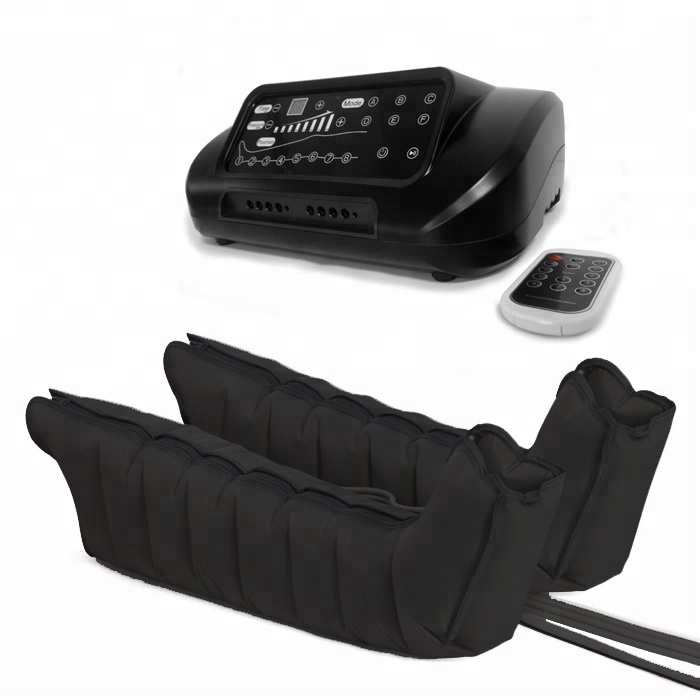
A leg compression machine delivers therapeutic pressure through sequential inflation and deflation cycles, providing targeted recovery benefits for athletes, medical patients, and active individuals. Understanding the proper operational techniques and application protocols ensures maximum therapeutic effectiveness while avoiding potential complications or reduced benefits.
Mastering the correct usage methodology transforms a simple leg compression machine session into a powerful recovery tool that enhances circulation, reduces inflammation, and accelerates muscle recovery. The key lies in understanding pressure settings, session timing, positioning techniques, and integration with your overall wellness routine to achieve optimal therapeutic outcomes.
Understanding Leg Compression Machine Fundamentals
Pressure Wave Technology and Therapeutic Mechanism
A leg compression machine operates through pneumatic chambers that create sequential pressure waves, starting from the feet and moving upward toward the thighs. This graduated compression mimics natural muscle contractions, promoting venous return and lymphatic drainage. The therapeutic mechanism relies on external pressure application that compresses underlying tissues, forcing accumulated fluids back toward the heart through the circulatory system.
The compression cycle typically involves four distinct phases: initial pressure application, sustained compression hold, gradual pressure release, and complete decompression. Each phase serves a specific physiological purpose, with the compression phase driving fluid movement and the decompression phase allowing fresh blood and nutrients to refill the treated area. Understanding this cycle helps users optimize their leg compression machine sessions for maximum benefit.
Modern pneumatic compression devices feature multiple chambers that activate in sequence, creating a milking action that prevents backflow while maintaining continuous fluid movement. This sophisticated pressure pattern distinguishes therapeutic compression machines from simple static compression garments, delivering more effective results for circulation enhancement and recovery acceleration.
Chamber Configuration and Coverage Zones
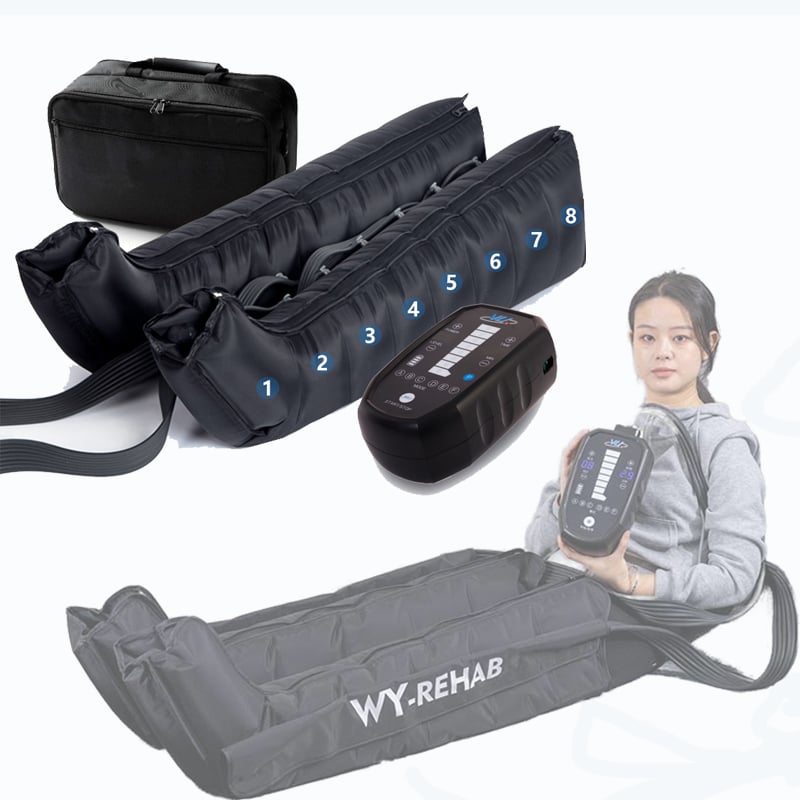
Professional leg compression machine units typically feature between 4 to 12 individual chambers distributed across the lower extremities. Each chamber targets specific anatomical regions including the feet, ankles, calves, knees, and thighs. The chamber configuration determines treatment coverage and pressure distribution patterns, affecting overall therapeutic effectiveness.
Lower chamber configurations focus primarily on the feet and calves, providing targeted treatment for individuals with specific circulation issues or space constraints. Higher chamber counts extend coverage to the entire lower extremity, offering comprehensive treatment that addresses multiple tissue regions simultaneously. The additional chambers enable more precise pressure control and create smoother pressure transitions between anatomical zones.
Understanding your leg compression machine chamber layout helps establish proper positioning and ensures complete treatment coverage. Users should verify that all intended treatment areas fall within chamber boundaries and adjust positioning as needed to maximize therapeutic contact across the entire lower extremity.
Pre-Treatment Preparation and Safety Protocols
Medical Clearance and Contraindication Assessment
Before initiating leg compression machine therapy, users must evaluate potential contraindications and obtain appropriate medical clearance when necessary. Absolute contraindications include active deep vein thrombosis, severe peripheral arterial disease, congestive heart failure, and acute infections in the treatment area. Relative contraindications require medical consultation and may include pregnancy, recent surgery, or certain cardiovascular conditions.
Individuals with diabetes, peripheral neuropathy, or circulation disorders should consult healthcare providers before beginning compression therapy. These conditions may affect sensation and healing responses, requiring modified treatment protocols or professional supervision. Documentation of medical history and current medications helps identify potential interactions or complications that could affect treatment safety.
Regular reassessment of contraindications ensures ongoing treatment safety, particularly for users with evolving medical conditions. Any changes in health status, new symptoms, or adverse reactions during treatment warrant immediate consultation with qualified healthcare professionals before continuing leg compression machine therapy.
Equipment Inspection and Environmental Setup
Proper equipment inspection before each session prevents malfunctions and ensures consistent treatment delivery. Users should examine compression boots for tears, punctures, or worn areas that could compromise pressure integrity. Air hoses require inspection for kinks, disconnections, or damage that might interrupt pressure delivery to specific chambers.
The control unit inspection includes verification of pressure gauge accuracy, timer functionality, and safety shut-off mechanisms. Power cord examination prevents electrical hazards while ensuring reliable operation throughout treatment sessions. Any identified defects or irregularities require immediate attention before proceeding with therapy.
Environmental setup considerations include adequate space for comfortable positioning, stable surface placement for the control unit, and appropriate ambient temperature. Users should ensure easy access to emergency stops and maintain clear pathways for safe exit if needed. Proper lighting helps monitor treatment progress and identify any adverse reactions during compression sessions.
Operational Techniques and Protocol Implementation
Initial Pressure Settings and Calibration
Beginning users should start with lower pressure settings, typically 20-30 mmHg, allowing gradual adaptation to compression sensations and therapeutic effects. Initial sessions help establish individual tolerance levels while preventing discomfort or adverse reactions from excessive pressure application. The leg compression machine pressure should feel firm but comfortable, without causing pain, numbness, or tingling sensations.
Progressive pressure increases of 5-10 mmHg increments allow users to safely advance toward therapeutic targets while monitoring individual responses. Most therapeutic protocols recommend pressures between 40-80 mmHg for optimal circulation enhancement, though specific requirements vary based on treatment goals and individual conditions. Higher pressures may provide enhanced benefits for athletic recovery while lower pressures suit maintenance or gentle therapeutic applications.
Pressure calibration should account for individual factors including body weight, muscle mass, tissue density, and circulation baseline. Users with larger muscle mass may require higher pressures to achieve effective tissue compression while individuals with sensitive skin or circulation issues benefit from more conservative settings. Regular pressure adjustments ensure continued effectiveness as users adapt to treatment protocols.
Session Timing and Frequency Optimization
Optimal session duration typically ranges from 20-45 minutes, with beginners starting at shorter intervals and gradually extending treatment time as tolerance improves. Session length affects therapeutic outcomes, with longer treatments providing enhanced circulation benefits while shorter sessions suit quick recovery applications or sensitive users. The leg compression machine timer should align with specific treatment objectives and individual response patterns.
Treatment frequency depends on usage goals, with athletic recovery protocols often requiring daily sessions while general wellness applications may benefit from 3-4 sessions weekly. Post-exercise recovery sessions should occur within 2-4 hours after intense activity for maximum inflammation reduction and circulation enhancement. Maintenance protocols can utilize less frequent sessions while still providing ongoing circulation support.
Consistency in timing and frequency produces superior long-term results compared to sporadic intensive usage. Users should establish regular schedules that accommodate lifestyle demands while maintaining therapeutic consistency. Session spacing should allow adequate recovery between treatments while preventing loss of cumulative benefits from extended breaks.
Positioning and Technique Refinement
Anatomical Alignment and Chamber Positioning
Proper leg positioning within compression boots ensures optimal pressure distribution and prevents pressure point development. Users should align the ankle joint with designated boot markers while ensuring complete foot insertion into the toe chamber. Calf muscles should rest comfortably within mid-boot chambers without excessive compression or gaps that reduce contact effectiveness.
Thigh positioning requires attention to chamber alignment with quadriceps and hamstring muscle groups. The leg compression machine boots should extend sufficiently to cover intended treatment areas while avoiding excessive pressure on bony prominences or sensitive regions. Users may need to adjust leg position during sessions to maintain optimal comfort and therapeutic contact.
Hip and knee positioning affects overall treatment effectiveness by influencing circulation patterns and pressure transmission. Slight hip elevation using pillows or wedges can enhance venous return while knee flexion of 10-15 degrees prevents joint strain during extended sessions. Proper alignment reduces fatigue and allows users to maintain comfortable positioning throughout complete treatment cycles.
Comfort Optimization and Pressure Management
Temperature regulation during treatment prevents overheating and maintains session comfort. Users should wear breathable clothing and ensure adequate ventilation around the leg compression machine setup. Some individuals benefit from cooling fans or temperature-controlled environments during longer sessions, particularly in warm climates or heated indoor spaces.
Pressure sensation monitoring helps identify optimal settings while preventing excessive compression that could cause discomfort or circulation compromise. Users should maintain awareness of pressure levels throughout sessions, adjusting settings if numbness, excessive tightness, or pain develops. The therapeutic pressure should feel substantial but never painful or restricting.
Session comfort can be enhanced through relaxation techniques, entertainment options, or productive activities that occupy attention during treatment. Many users find reading, meditation, or gentle stretching exercises compatible with compression therapy. Avoiding stressful or stimulating activities helps maximize relaxation benefits while supporting overall therapeutic outcomes.
Advanced Applications and Result Optimization
Treatment Integration and Synergistic Approaches
Combining leg compression machine therapy with complementary treatments enhances overall therapeutic effectiveness. Pre-treatment hydration supports circulation optimization while post-treatment elevation maintains enhanced venous return. Gentle movement or stretching between sessions prevents stiffness while promoting continued circulation benefits.
Nutritional support including anti-inflammatory foods and adequate protein intake supports recovery processes initiated by compression therapy. Proper sleep scheduling allows the body to fully utilize circulation improvements and complete healing processes activated during treatment sessions. These lifestyle factors significantly influence treatment outcomes and long-term benefits.
Integration with existing fitness or rehabilitation routines requires careful timing to maximize benefits while preventing interference. Post-workout compression sessions provide optimal recovery support while pre-exercise treatments may enhance performance through improved circulation and muscle preparation. Healthcare providers can help develop integrated protocols for specific medical or athletic applications.
Progress Monitoring and Protocol Adjustment
Systematic progress tracking helps optimize leg compression machine protocols and identify beneficial adjustments. Users should monitor subjective improvements in comfort, energy levels, and recovery speed while noting any adverse effects or unexpected responses. Documentation of pressure settings, session duration, and frequency provides valuable data for protocol refinement.
Objective measurements including leg circumference, ankle mobility, or circulation assessments can provide quantifiable progress indicators. Some users benefit from photographs documenting visual improvements in swelling or muscle definition. Regular assessment intervals help identify optimal treatment parameters while ensuring continued progress toward therapeutic goals.
Protocol modifications should be implemented gradually, changing only one variable at a time to accurately assess impact. Users may need to adjust pressure levels, session duration, or frequency based on changing fitness levels, medical status, or treatment objectives. Professional guidance helps ensure modifications maintain safety while optimizing therapeutic effectiveness.
FAQ
How often should I use my leg compression machine for best results?
For athletic recovery, daily use after intense training provides optimal benefits, while general wellness applications typically require 3-4 sessions weekly. Post-exercise sessions should occur within 2-4 hours of activity for maximum inflammation reduction. Consistency matters more than frequency, so establish a sustainable routine that fits your lifestyle and goals.
What pressure setting should beginners start with on a leg compression machine?
New users should begin with 20-30 mmHg pressure settings, gradually increasing by 5-10 mmHg increments as tolerance improves. Most therapeutic benefits occur between 40-80 mmHg, but individual tolerance varies based on body composition and sensitivity. The pressure should feel firm and therapeutic without causing pain, numbness, or excessive discomfort.
Can I use a leg compression machine if I have medical conditions?
Medical conditions require professional consultation before beginning compression therapy. Absolute contraindications include active blood clots, severe arterial disease, and congestive heart failure. Conditions like diabetes, neuropathy, or circulation disorders may require modified protocols or medical supervision to ensure safe and effective treatment.
How long should each leg compression machine session last?
Session duration typically ranges from 20-45 minutes, with beginners starting at 20 minutes and gradually extending time as comfort improves. Athletic recovery sessions may benefit from longer durations while maintenance treatments can be shorter. Individual tolerance and treatment goals determine optimal session length for maximum therapeutic benefit.