 EN
EN

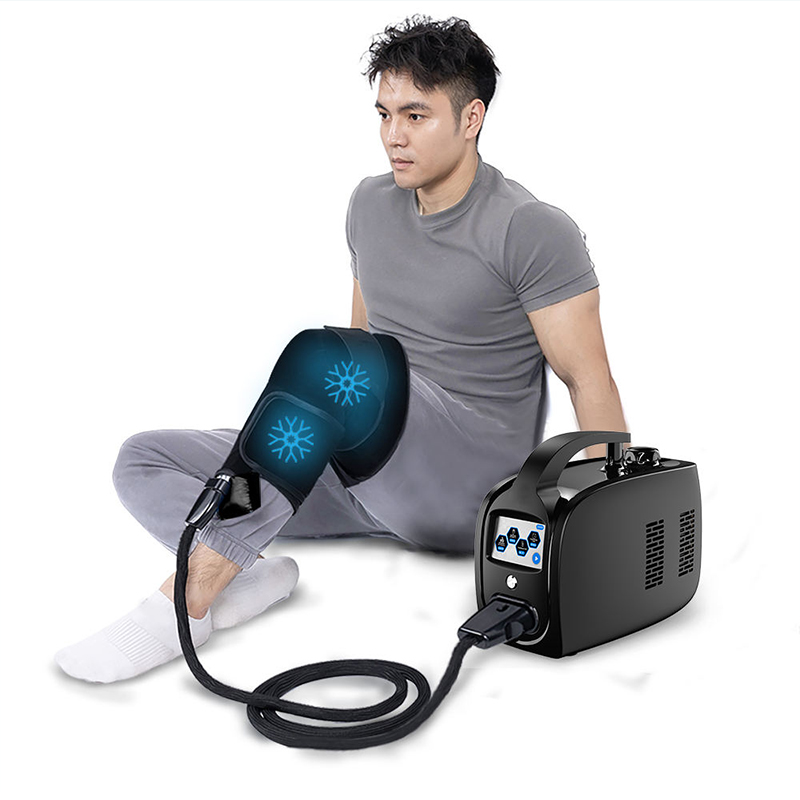
Athletic injuries are inevitable in competitive sports, training environments, and high-intensity physical activities. When an athlete suffers a muscle strain, ligament sprain, or soft tissue injury, the immediate response determines the trajectory of recovery. An ice therapy machine has become indispensable in modern sports medicine because it delivers controlled, consistent cold exposure directly to the injured area. Unlike traditional ice packs that lose effectiveness quickly, an ice therapy machine maintains therapeutic temperature levels over extended periods, ensuring that inflammation is systematically reduced and healing processes are optimized. This controlled approach to injury management has transformed how athletic trainers, physiotherapists, and sports medicine professionals approach acute and post-injury rehabilitation protocols.
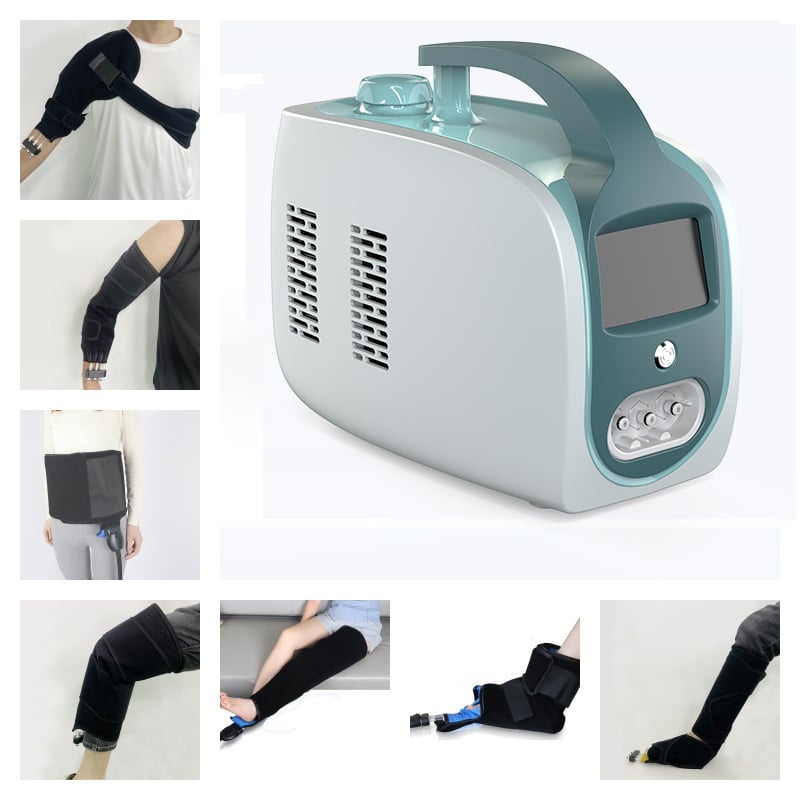
The science behind using an ice therapy machine for sports injuries rests on well-established physiological principles. Cold application constricts blood vessels, reducing blood flow to the injured tissue and minimizing swelling that would otherwise compound the damage. Within the first 48 to 72 hours after an injury—the critical inflammatory phase—an ice therapy machine significantly reduces pain perception, decreases metabolic demand in damaged cells, and slows nerve conduction velocity. This window of optimal intervention is where an ice therapy machine delivers its greatest clinical benefit. Professional sports organizations, university athletic departments, and rehabilitation clinics rely on ice therapy machines because they standardize treatment, reduce human error in therapy application, and allow athletes to manage their recovery independently with precise temperature and duration controls.
How Ice Therapy Machines Accelerate Injury Recovery
Reducing Inflammation Through Controlled Cold Exposure
Inflammation is the body's natural response to injury, but excessive swelling limits mobility, prolongs pain, and delays return to activity. An ice therapy machine addresses this fundamental challenge by delivering calibrated cold directly to inflamed tissues without the temperature fluctuations associated with traditional ice. The ice therapy machine's precision prevents the tissue damage that can occur from prolonged direct ice exposure, while maintaining the anti-inflammatory benefits athletes need. When soft tissue inflammation decreases, athletes regain range of motion faster, experience less pain during rehabilitation exercises, and progress through physical therapy protocols more efficiently. Clinical studies consistently demonstrate that athletes using an ice therapy machine as part of structured recovery protocols return to competition approximately 15 to 20 percent faster than those relying on conventional ice application methods.
Enhancing Athlete Comfort and Compliance
An ice therapy machine improves treatment adherence because it is significantly more comfortable than static ice packs. Traditional ice methods create numb, aching sensations and require athletes to remain stationary during application. By contrast, a modern ice therapy machine often incorporates compression features alongside cold therapy, combining lymphatic drainage benefits with inflammation reduction. This dual-action approach in an ice therapy machine reduces fluid accumulation in the damaged tissue, further accelerating the healing process. Athletes are more likely to follow prescribed recovery protocols when the ice therapy machine delivers therapeutic benefits without discomfort, leading to better long-term outcomes. The convenience of using an ice therapy machine at home or during travel also removes barriers to consistent injury management that frequently undermine traditional approaches.
Clinical Applications of Ice Therapy Machines Across Sports Medicine
Acute Injury Management in Professional and Amateur Settings
Professional sports teams deploy ice therapy machines as a cornerstone of sideline injury management protocols. When an athlete sustains a ligament sprain, muscle strain, or acute contusion during competition or training, an ice therapy machine is deployed immediately to arrest the inflammatory cascade. The ice therapy machine's ability to deliver consistent cold therapy for precisely controlled durations makes it ideal for urgent injury intervention when every minute affects eventual recovery trajectory. Athletic trainers in professional leagues depend on ice therapy machines to stabilize injuries before diagnostic imaging or physician evaluation, often preventing what might have been minor injuries from escalating into major tissue damage requiring surgical intervention. This immediate therapeutic response, enabled by having an ice therapy machine readily available, represents a fundamental shift in how sports medicine professionals approach acute injury management across all competitive levels.
Rehabilitation and Return-to-Play Protocols
Beyond acute injury phases, an ice therapy machine serves critical functions throughout structured rehabilitation programs. Physical therapists and sports medicine physicians integrate ice therapy machine sessions into multi-phase recovery protocols that also include progressive strengthening, mobility work, and sport-specific conditioning. An ice therapy machine used strategically after rehabilitation exercises prevents post-exercise inflammation from disrupting tissue healing, allowing athletes to progress through increasingly demanding activities without setbacks. The combination of cold therapy from an ice therapy machine with controlled exercise creates an environment where connective tissues can adapt and strengthen more effectively. Athletes rehabilitating from surgeries, severe sprains, or chronic overuse injuries benefit significantly when an ice therapy machine is incorporated into their treatment plan because it reduces pain during early-phase recovery, enabling participation in active rehabilitation exercises that would otherwise be too uncomfortable.
Physiological and Performance Benefits of Ice Therapy Machines
Reducing Pain and Improving Function During Recovery
Pain management during injury recovery directly affects an athlete's ability to participate in rehabilitation exercises and maintain psychological resilience. An ice therapy machine provides non-pharmacological pain relief through multiple mechanisms: cold-induced numbing of sensory nerves, reduced inflammation that mechanically limits painful stimulation, and decreased muscle guarding that otherwise restricts movement. This pain reduction from an ice therapy machine enables athletes to perform functional exercises during recovery that would be impossible if relying solely on medication-based pain management. The ability to remain active during rehabilitation using an ice therapy machine prevents muscular atrophy, maintains cardiovascular fitness, and preserves neuromuscular patterns essential for proper return-to-sport mechanics. Athletes managed with an ice therapy machine consistently report better functional outcomes because they can engage more completely in rehabilitation protocols without excessive pain limiting participation.
Supporting Long-Term Athletic Performance and Injury Prevention
Beyond acute injury management, an ice therapy machine supports long-term athletic development by enabling faster recovery between high-intensity training sessions. Elite athletes incorporate ice therapy machine sessions into their regular training regimens to manage accumulated microtrauma from intense practice and competition. This preventive application of an ice therapy machine reduces the likelihood that subclinical inflammation escalates into clinically significant injury. By maintaining tissue quality through systematic ice therapy machine use, athletes extend their competitive careers and maintain performance levels across extended seasons. The adoption of ice therapy machines by university athletic departments and professional organizations reflects recognition that routine recovery protocols using cold therapy directly improve injury prevention outcomes and support sustained athletic performance at the highest competitive levels.
FAQ
How frequently should athletes use an ice therapy machine for injury recovery?
Most sports medicine protocols recommend using an ice therapy machine for 15 to 20 minutes every 2 to 3 hours during the acute injury phase, typically the first 48 to 72 hours post-injury. As inflammation decreases, an ice therapy machine may be used less frequently but can continue supporting rehabilitation throughout the recovery timeline. The specific frequency and duration of ice therapy machine use should be individualized based on injury severity, tissue type involved, and athlete response, ideally determined in consultation with athletic trainers or physical therapists familiar with ice therapy machine protocols.
Can an ice therapy machine be used alongside compression therapy for better results?
Yes, many modern ice therapy machine models incorporate compression functionality alongside cold therapy, creating a combined treatment modality often called cryotherapy with compression. This combination enhances lymphatic drainage, further reduces swelling, and maximizes anti-inflammatory benefits compared to ice therapy machine use without compression. The synergistic effect of cold and compression delivered by an integrated ice therapy machine often produces superior clinical outcomes in reducing inflammation and accelerating return to functional activity, making combination systems increasingly popular in sports medicine settings.
Is an ice therapy machine appropriate for chronic injuries or only acute trauma?
While an ice therapy machine is most critical during the acute inflammatory phase immediately following injury, it also provides value in managing chronic conditions characterized by recurring inflammation or overuse patterns. Athletes with chronic tendinitis, recurring muscle strains, or post-exercise inflammation may use an ice therapy machine regularly to manage symptoms and prevent acute flare-ups. However, chronic injuries often benefit from varied recovery modalities, and an ice therapy machine should typically be combined with heat therapy, progressive rehabilitation, and activity modification strategies tailored to the specific chronic condition.