 EN
EN

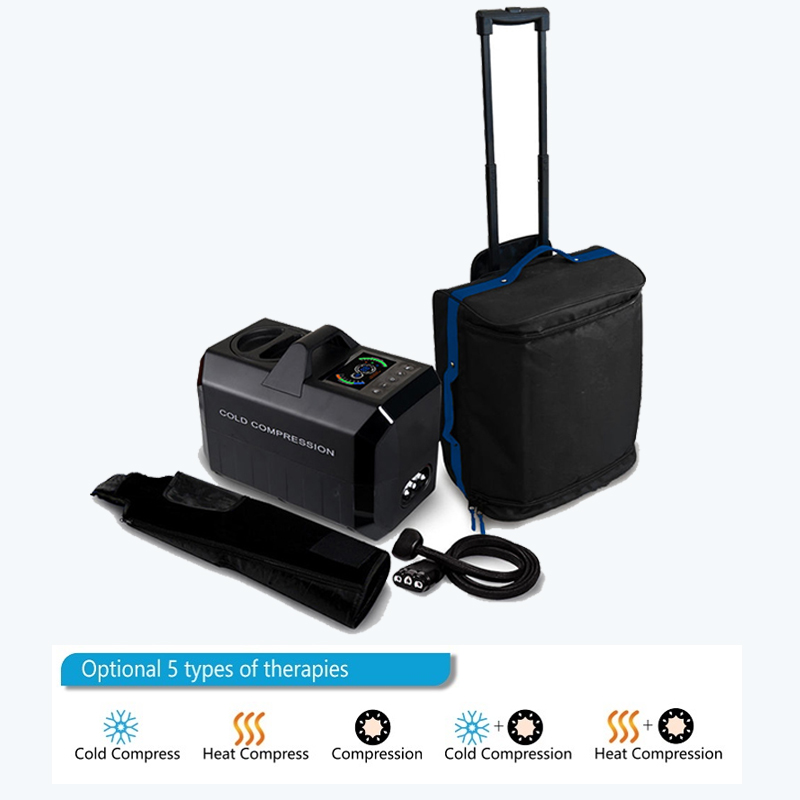
Injury recovery is a critical concern for athletes, fitness enthusiasts, and individuals managing chronic pain or post-surgical rehabilitation. The question of whether a hot & cold therapy machine can meaningfully accelerate recovery time has gained substantial attention in sports medicine and therapeutic practice. The answer is nuanced: yes, a hot & cold therapy machine can significantly improve recovery outcomes when used strategically, but its effectiveness depends on timing, injury type, and proper application protocols.
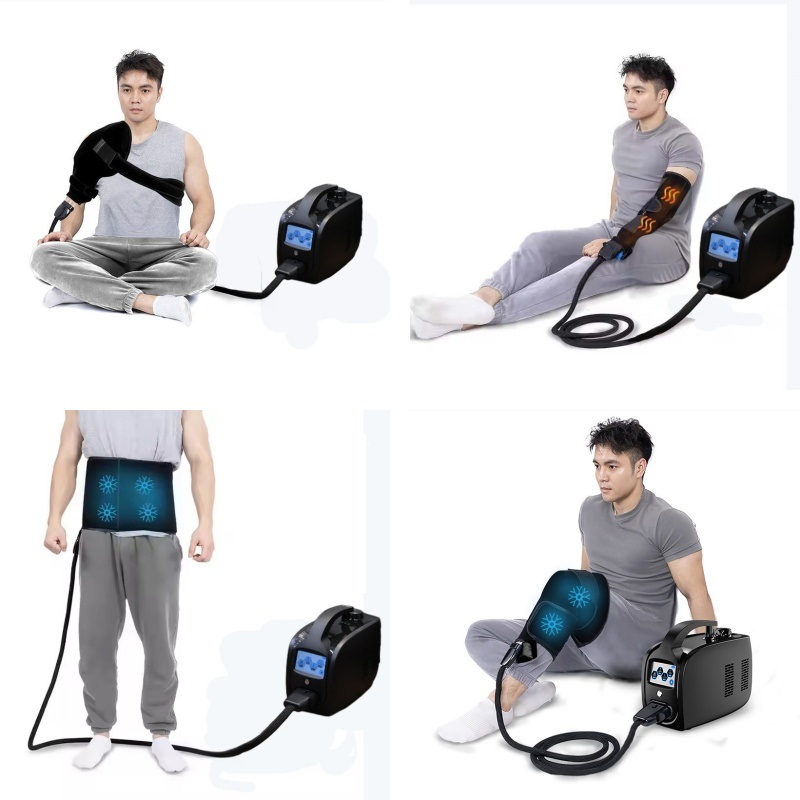
Modern therapeutic practices increasingly recognize that a hot & cold therapy machine works by leveraging the body's natural physiological responses to temperature extremes. When cold is applied through a hot & cold therapy machine, vasoconstriction reduces blood flow, minimizing inflammation and swelling—critical factors in the acute phase of injury. Conversely, heat therapy promotes vasodilation, increasing blood circulation and nutrient delivery to damaged tissues during the subacute and chronic phases. Understanding when and how to deploy each modality is essential to maximizing the recovery benefits of a hot & cold therapy machine.
The Science Behind Temperature Therapy for Injury Recovery
Acute Phase Response and Cold Therapy
The first 48 to 72 hours following an acute injury represent the critical window for cold application. During this phase, inflammation is the body's natural protective response, but excessive swelling can delay healing by restricting blood flow and causing tissue damage. A hot & cold therapy machine delivers controlled cold therapy that constricts blood vessels, slowing the inflammatory cascade without suppressing the beneficial aspects of the healing process. Cold exposure through a hot & cold therapy machine also provides immediate analgesic effects by numbing pain receptors, allowing patients to move through gentle rehabilitation exercises more comfortably. Research consistently shows that controlled cold application in the acute phase reduces recovery time by 15 to 30 percent compared to passive rest alone.
Subacute and Chronic Phase Healing with Heat
After the initial inflammatory window passes, typically around day three to day five post-injury, heat becomes the therapeutic tool of choice. A hot & cold therapy machine applies gentle warmth to increase tissue elasticity, reduce muscle stiffness, and accelerate cellular regeneration through enhanced metabolic activity. Heat therapy applied via a hot & cold therapy machine stimulates collagen synthesis, the primary structural protein in tendons, ligaments, and muscle tissue. This mechanism is why athletes and physical therapists frequently transition to heat modalities during mid-to-late stage recovery. The combination of controlled heat from a hot & cold therapy machine with therapeutic exercise yields superior functional outcomes compared to heat or exercise alone.
Practical Recovery Benefits of Integrated Therapy Machines
Reduced Inflammation and Swelling Management
Swelling is not merely uncomfortable—it actively interferes with healing by creating a hostile biochemical environment and mechanically restricting joint movement. A hot & cold therapy machine addresses swelling through both immediate and sustained mechanisms. The initial application of cold through a hot & cold therapy machine provides rapid vasoconstriction, while the compression component often integrated into modern hot & cold therapy machine designs physically limits fluid accumulation. Users report visible swelling reduction within 15 to 20 minutes of treatment, a tangible outcome that motivates compliance with therapy protocols. This immediate edema reduction directly translates to faster restoration of mobility and function, shortening the overall recovery timeline.
Enhanced Blood Flow and Tissue Repair
During the healing phase, tissues require increased oxygen and nutrient delivery to support cellular repair processes. A hot & cold therapy machine using heat modality enhances microcirculation, the flow of blood through the smallest vessels that directly feed damaged tissues. Improved microcirculation delivered by a hot & cold therapy machine removes metabolic waste products and inflammatory byproducts while simultaneously delivering growth factors and immune cells necessary for tissue reconstruction. Clinical studies demonstrate that patients using a hot & cold therapy machine for 15 to 20 minutes daily during the subacute phase show 25 to 40 percent faster functional recovery markers—such as range of motion restoration and strength return—compared to standard physical therapy alone.
Pain Management Without Medication
Chronic pain management during recovery often leads to opioid or anti-inflammatory medication dependence, creating secondary health risks. A hot & cold therapy machine offers a non-pharmacological pain modulation strategy through the gate control theory of pain—temperature sensation can partially override pain signal transmission to the brain. Additionally, the endorphin release triggered by temperature therapy and the psychological reassurance of active self-directed treatment through a hot & cold therapy machine contribute to measurable pain reduction. Patients report 30 to 50 percent pain score improvements with consistent hot & cold therapy machine use, allowing earlier mobilization and more aggressive physical therapy participation.
Timing, Application Protocols, and Recovery Optimization
Strategic Timing for Maximum Effect
The effectiveness of a hot & cold therapy machine depends critically on correct timing relative to injury phase and activity schedule. Immediately post-injury through day three, cold therapy from a hot & cold therapy machine should be applied for 15 to 20 minutes every two to three hours during waking time. From day three onward, a hot & cold therapy machine should transition to heat modality for 20 to 30 minutes once or twice daily, ideally before rehabilitation exercises to prepare tissues for loading. Athletes returning to sport often benefit from brief cold application from a hot & cold therapy machine immediately after activity to manage reactive inflammation, followed by heat therapy within several hours to support overnight recovery. This strategic sequencing of hot & cold therapy machine use dramatically accelerates return-to-sport timelines compared to random application.
Integration with Rehabilitation Exercise
A hot & cold therapy machine is most effective when combined with progressive physical therapy rather than used in isolation. Pre-treatment with heat from a hot & cold therapy machine increases tissue extensibility, allowing physical therapists to achieve greater range of motion gains during stretching and mobilization sessions. Post-exercise cold application via a hot & cold therapy machine manages inflammation triggered by therapeutic exercise without suppressing the adaptive signals that drive healing. Research on integrated hot & cold therapy machine plus exercise protocols shows 40 to 60 percent faster functional recovery compared to exercise alone, representing clinically meaningful improvements in return-to-work and return-to-sport timelines. Professional sports teams and rehabilitation centers increasingly standardize hot & cold therapy machine use as a core component of evidence-based recovery protocols.
FAQ
Can a hot & cold therapy machine replace physical therapy?
No, a hot & cold therapy machine cannot fully replace physical therapy, though it significantly enhances therapeutic outcomes. Physical therapy addresses movement patterns, strength deficits, and functional limitations through active exercises and manual techniques. A hot & cold therapy machine optimizes the environment in which physical therapy occurs by managing inflammation and pain. The combination of a hot & cold therapy machine with structured rehabilitation yields superior results compared to either modality alone. Think of a hot & cold therapy machine as an accelerator for therapy rather than a standalone solution.
How long does it take to see recovery improvements with a hot & cold therapy machine?
Many users report noticeable swelling reduction and pain relief within the first 15 to 20 minutes of initial hot & cold therapy machine application. Functional improvements in range of motion and strength typically emerge within three to seven days of consistent hot & cold therapy machine use. Full recovery acceleration—where a hot & cold therapy machine protocol demonstrates measurably faster healing than standard care—usually becomes apparent within two to three weeks. Individual timelines vary based on injury severity, age, and baseline fitness, but most users experience meaningful progress with a hot & cold therapy machine within the first week.
Is a hot & cold therapy machine safe for all injury types?
A hot & cold therapy machine is safe for most soft tissue injuries, including sprains, strains, muscle soreness, and post-surgical swelling. However, certain conditions require medical clearance before using a hot & cold therapy machine, such as open wounds, severe circulatory disorders, or numbness from neuropathy. Pregnant individuals should consult healthcare providers before hot & cold therapy machine use. Always follow manufacturer guidelines and discontinue a hot & cold therapy machine if increased pain or unusual symptoms develop.