 EN
EN

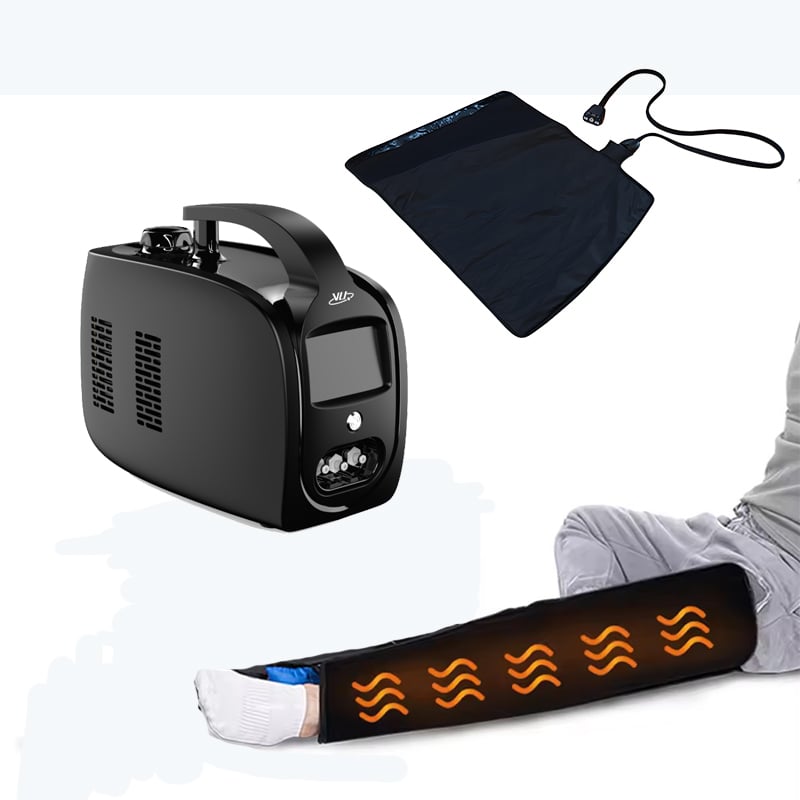
Athletic performance depends not only on training intensity but also on recovery quality. A hot and cold therapy machine has become indispensable in modern sports medicine because it addresses the physiological demands that intense exercise places on muscles and joints. Professional athletes, weekend warriors, and fitness enthusiasts increasingly recognize that strategic temperature application accelerates healing, reduces inflammation, and prepares the body for peak performance. Understanding why these devices matter requires examining the science behind thermal therapy and how it transforms the recovery landscape for competitive and recreational athletes alike.
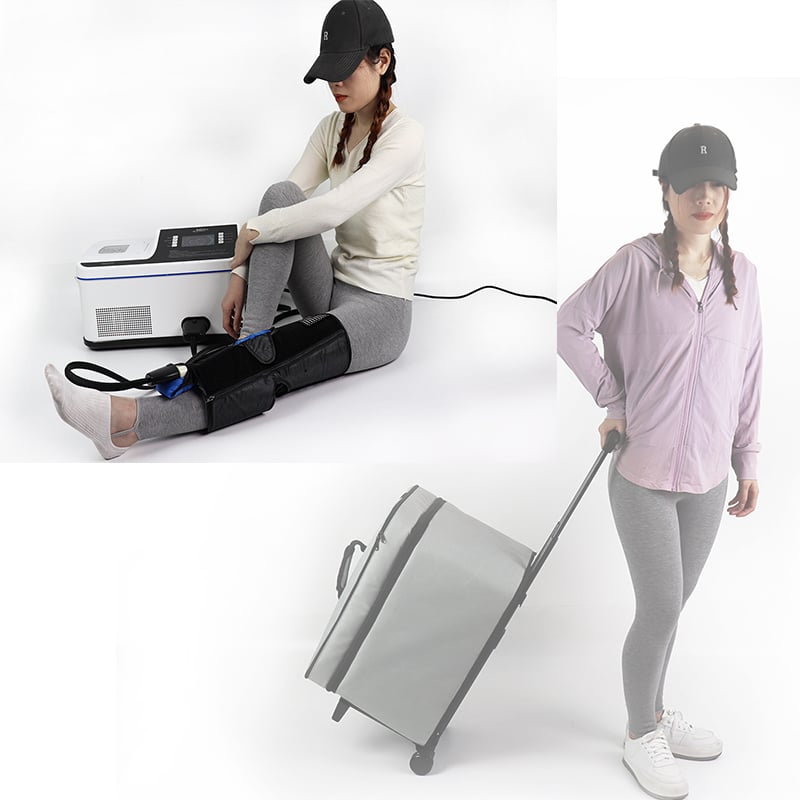
The popularity of hot and cold therapy machines stems from their ability to create measurable physiological changes. Cold therapy reduces swelling and pain immediately after exercise, while heat therapy increases circulation and promotes muscle flexibility during recovery phases. By combining both modalities in a single device, athletes gain a comprehensive tool that streamlines recovery protocols and eliminates the need for multiple recovery methods. This efficiency has made the hot and cold therapy machine a centerpiece in athletic facilities worldwide.
The Science Behind Temperature-Based Muscle Recovery
How Cold Therapy Reduces Inflammation
Cold application immediately after exercise triggers vasoconstriction, which temporarily narrows blood vessels and reduces blood flow to affected areas. This physiological response directly lowers inflammation markers that accumulate during intense physical activity. The hot and cold therapy machine delivers precise cold compression that combines temperature control with mechanical pressure, creating a dual mechanism for swelling reduction. Athletes using a hot and cold therapy machine report faster pain relief and improved tissue function within 24 to 48 hours post-exercise.
How Heat Therapy Promotes Circulation
Heat application causes vasodilation, expanding blood vessels and increasing nutrient-rich blood flow to muscles and connective tissues. This enhanced circulation accelerates metabolic waste removal and delivers oxygen-carrying hemoglobin precisely where recovery is needed. A hot and cold therapy machine allows athletes to schedule heat sessions strategically during later recovery phases when inflammation has subsided and tissue remodeling requires maximum blood supply. The combination of targeted heat with compression in a hot and cold therapy machine creates optimal conditions for rebuilding damaged muscle fibers.
Why Athletes Prioritize Hot and Cold Therapy Machines
Accelerated Return to Training
Professional athletes operate on tight schedules where every hour of recovery matters. A hot and cold therapy machine reduces overall recovery time by 15 to 30 percent compared to passive rest alone, according to sports medicine practitioners. This acceleration enables athletes to return to high-intensity training faster while maintaining tissue integrity and preventing chronic overuse patterns. The hot and cold therapy machine becomes a competitive advantage when athletes train multiple times weekly or compete across consecutive days. Investing in a hot and cold therapy machine directly impacts season longevity and sustained performance output.
Injury Prevention Through Strategic Recovery
Cumulative micro-damage from repetitive training creates vulnerability to major injuries if left unaddressed. A hot and cold therapy machine targets this vulnerability by optimizing the recovery cascade that repairs micro-tears before they develop into functional limitations. Athletes using a hot and cold therapy machine consistently report fewer injury diagnoses during training blocks compared to peers using standard recovery methods. This preventive effect extends career longevity and maintains performance capacity across multiple seasons.
Application Across Different Sports and Athlete Populations
High-Impact Sports Athletes
Sports involving running, jumping, and contact create acute trauma to joints and muscles that demands rapid intervention. A hot and cold therapy machine provides immediate post-activity application that basketball players, track athletes, and football players depend on. The compression component of a hot and cold therapy machine proves particularly valuable for these populations because mechanical pressure combined with cold therapy significantly reduces edema more effectively than temperature alone. Elite coaches in these sports have integrated hot and cold therapy machine protocols into mandatory post-game and post-practice routines.
Endurance and Repetitive Sport Athletes
Swimmers, cyclists, and distance runners accumulate fatigue differently than impact sport athletes, requiring the hot and cold therapy machine to address localized muscular fatigue and systemic recovery. These athletes utilize the heat component of a hot and cold therapy machine extensively to maintain muscle elasticity and prevent tendinitis. The hot and cold therapy machine's programmable settings allow endurance athletes to customize treatment duration and temperature intensity based on training volume and perceived recovery needs.
FAQ
How often should athletes use a hot and cold therapy machine?
Most athletes benefit from using a hot and cold therapy machine immediately after intense training or competition. Professional programs typically recommend 15 to 20 minutes of cold therapy within the first two hours post-exercise, followed by heat therapy 24 to 48 hours later. The frequency depends on training intensity and individual recovery capacity. A hot and cold therapy machine can be used daily during heavy training blocks but should follow personalized protocols developed with sports medicine professionals.
What temperature settings work best in a hot and cold therapy machine?
Standard cold therapy settings range from 50 to 59 degrees Fahrenheit, while heat therapy typically operates between 104 and 113 degrees Fahrenheit. These ranges trigger optimal physiological responses without causing tissue damage. Individual tolerance varies, so athletes using a hot and cold therapy machine should start with moderate settings and adjust gradually. Sports medicine professionals should guide temperature calibration for athletes with previous injuries or conditions affecting temperature sensitivity.
Can a hot and cold therapy machine prevent all sports injuries?
While a hot and cold therapy machine significantly reduces injury risk through accelerated recovery, it cannot eliminate injuries caused by poor technique, inadequate warm-up, or overtraining volume. A hot and cold therapy machine functions as part of a comprehensive injury prevention strategy that includes strength training, flexibility work, and proper periodization. Athletes achieve maximum benefit by combining a hot and cold therapy machine with professional coaching, appropriate load management, and pre-participation screening.