 EN
EN

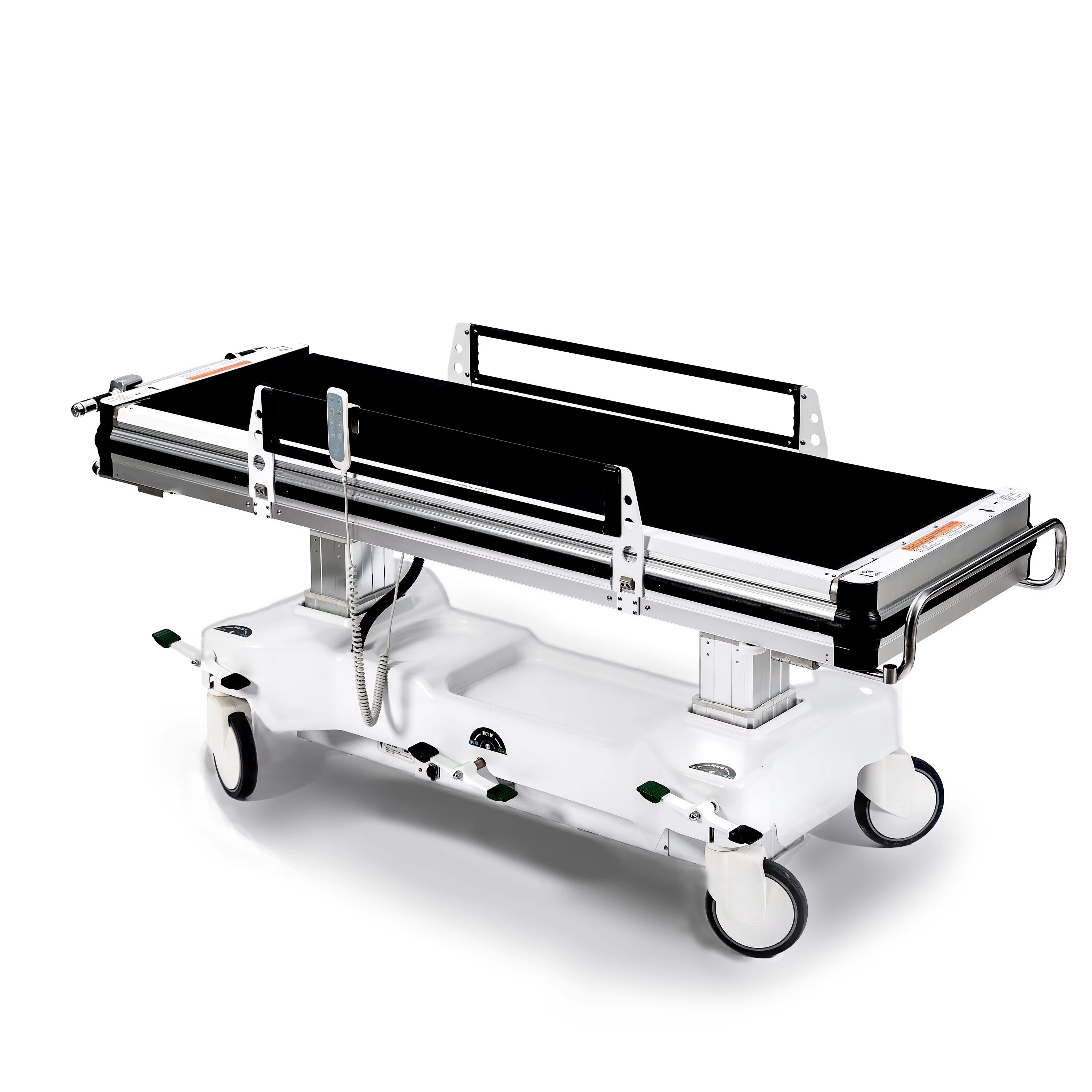
Patient handling in healthcare facilities requires specialized equipment that prioritizes safety, efficiency, and comfort for both patients and medical staff. A transfer bed stands as one of the most critical pieces of equipment in modern healthcare environments, revolutionizing how patients are moved between different areas of medical facilities. These innovative medical devices have transformed the traditional approach to patient transportation, offering enhanced safety features and improved operational efficiency that directly impacts patient care quality.
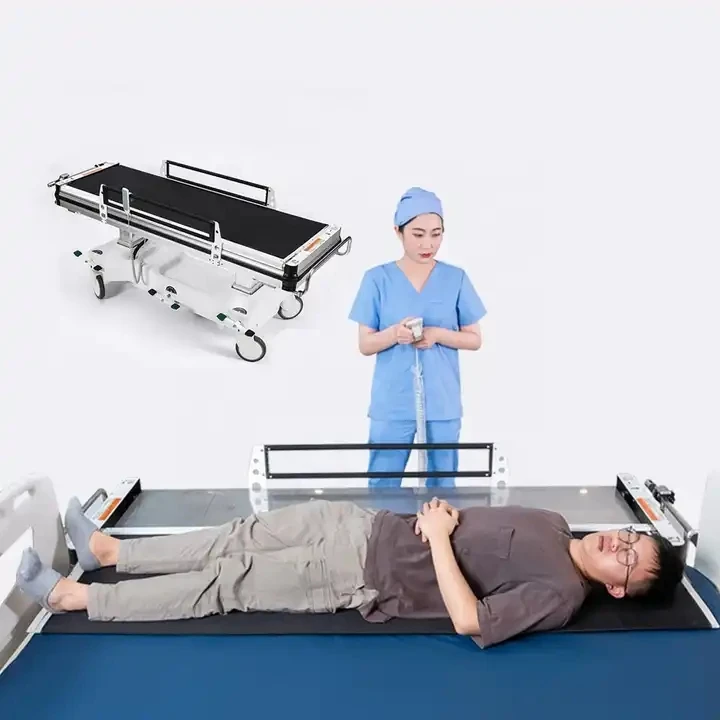
Healthcare professionals increasingly recognize that investing in quality patient transfer equipment significantly reduces workplace injuries while improving patient outcomes. The implementation of advanced transfer bed technology addresses multiple challenges faced by medical facilities, from reducing manual lifting injuries among staff to ensuring seamless patient transitions between departments. Understanding the essential features and benefits of these specialized medical beds becomes crucial for healthcare administrators and clinical staff seeking to enhance their patient care capabilities.
Essential Safety Features of Modern Transfer Beds
Advanced Locking Mechanisms and Stability Systems
Modern transfer bed designs incorporate sophisticated locking mechanisms that ensure patient security during transportation. These systems typically feature multiple locking points along the bed frame, providing stability that prevents unwanted movement during critical transfer procedures. The enhanced stability systems work in conjunction with precision-engineered wheel assemblies that offer smooth maneuverability while maintaining directional control.
Healthcare facilities benefit from transfer bed models equipped with automatic braking systems that engage when the bed reaches specific positions or when staff initiate safety protocols. These safety features significantly reduce the risk of accidents during patient transfers, particularly in emergency situations where rapid yet secure movement becomes essential. The integration of visual and audible indicators helps medical staff confirm proper engagement of safety mechanisms before initiating patient transport.
Ergonomic Design Elements for Staff Protection
Transfer bed manufacturers prioritize ergonomic considerations that protect healthcare workers from repetitive stress injuries and acute physical strain. The optimal height adjustability features allow staff members to position patients at comfortable working levels, eliminating the need for excessive bending or reaching during care procedures. These ergonomic enhancements directly contribute to reduced workplace injury rates and improved staff satisfaction.
Professional-grade transfer bed systems include strategically positioned handholds and push handles that distribute force evenly across multiple contact points. This design approach reduces individual strain while providing better control during patient movement. The incorporation of lightweight yet durable materials ensures that staff can maneuver the equipment efficiently without compromising structural integrity or patient safety standards.
Operational Efficiency and Workflow Optimization
Streamlined Patient Transfer Processes
Healthcare facilities implementing quality transfer bed systems experience significant improvements in patient flow efficiency and departmental coordination. These specialized beds facilitate rapid transitions between treatment areas, diagnostic departments, and patient rooms, reducing wait times and optimizing resource utilization. The streamlined design of modern transfer bed units enables medical staff to complete patient movements with fewer personnel requirements and minimal disruption to ongoing clinical activities.
Advanced transfer bed technology incorporates features that accommodate various medical equipment and monitoring devices during patient transport. This capability eliminates the need for equipment disconnection and reconnection, maintaining continuity of care while reducing the risk of medical device complications. Healthcare teams can maintain proper patient monitoring throughout the transfer process, ensuring clinical stability and immediate response capability.
Integration with Hospital Management Systems
Modern transfer bed solutions often include connectivity features that integrate with hospital information systems and patient tracking networks. These technological enhancements provide real-time location data and transfer status updates, enabling better resource planning and improved communication between departments. The integration capabilities support comprehensive quality assurance programs and compliance with healthcare accreditation standards.
Digital integration features allow healthcare administrators to monitor equipment utilization patterns and identify opportunities for operational improvements. The data collection capabilities of advanced transfer bed systems support evidence-based decision making regarding equipment procurement, staff allocation, and workflow optimization strategies.
Patient Comfort and Clinical Outcomes
Enhanced Patient Experience During Transport
Patient comfort during medical facility transport directly impacts overall satisfaction scores and clinical recovery outcomes. Quality transfer bed systems incorporate advanced cushioning materials and adjustable positioning features that accommodate diverse patient needs and medical conditions. The smooth transportation capabilities reduce patient anxiety and discomfort associated with facility movements, contributing to improved patient cooperation and treatment compliance.
Transfer bed designs that prioritize patient dignity and privacy considerations help maintain psychological comfort during vulnerable moments. Features such as adjustable privacy screens, secure blanket retention systems, and gentle positioning mechanisms demonstrate respect for patient autonomy while ensuring medical accessibility. These design elements contribute to positive patient experiences that enhance overall healthcare facility reputation and patient retention rates.
Support for Diverse Medical Conditions
Versatile transfer bed systems accommodate patients with varying mobility limitations, medical devices, and clinical requirements. The adjustability features enable healthcare staff to customize positioning and support based on individual patient needs, from post-surgical recovery considerations to chronic condition management requirements. This adaptability ensures that all patients receive appropriate care during transport procedures regardless of their specific medical circumstances.
Specialized transfer bed configurations support patients requiring continuous medical monitoring or life support systems during transport. The integration capabilities allow for seamless connection of medical devices, IV systems, and monitoring equipment without compromising patient safety or clinical oversight. These features prove particularly valuable in intensive care environments and emergency medical situations where uninterrupted care becomes critical.
Cost-Effectiveness and Return on Investment
Reducing Healthcare Facility Operating Costs
Healthcare administrators recognize that quality transfer bed investments generate substantial cost savings through reduced staff injury claims and improved operational efficiency. The prevention of workplace injuries alone can justify the initial equipment investment, as healthcare facilities face significant costs related to worker compensation claims, temporary staffing, and productivity losses. Advanced transfer bed systems minimize these financial burdens while enhancing overall facility operations.
Long-term operational cost reductions result from decreased equipment maintenance requirements and extended service life of quality transfer bed units. Durable construction materials and precision engineering reduce the frequency of repairs and component replacements, allowing healthcare facilities to allocate resources toward direct patient care activities. The reliability of professional-grade equipment ensures consistent availability and reduces costly emergency equipment rentals or replacements.
Compliance and Risk Management Benefits
Investment in certified transfer bed equipment supports healthcare facility compliance with safety regulations and accreditation standards. Regulatory compliance reduces the risk of penalties, legal challenges, and insurance complications that can significantly impact facility finances and operational continuity. Quality equipment demonstrates organizational commitment to patient safety and staff welfare, supporting positive relationships with regulatory bodies and insurance providers.
Risk management benefits extend beyond regulatory compliance to include reduced liability exposure and improved insurance premium negotiations. Healthcare facilities with documented safety equipment investments and injury prevention programs often qualify for favorable insurance rates and risk assessment scores. The comprehensive documentation capabilities of modern transfer bed systems support quality assurance programs and provide evidence for risk management initiatives.
Technology Integration and Future Developments
Smart Technology Features and Connectivity
Contemporary transfer bed systems incorporate smart technology features that enhance operational visibility and equipment management capabilities. Integrated sensors monitor equipment status, usage patterns, and maintenance requirements, providing healthcare administrators with valuable data for resource planning and quality improvement initiatives. These technological enhancements support proactive maintenance programs that maximize equipment availability and performance reliability.
Wireless connectivity features enable real-time communication between transfer bed units and central monitoring systems, facilitating better coordination of patient movement activities. Healthcare staff can receive automated alerts regarding equipment availability, location tracking, and maintenance requirements through integrated communication platforms. This connectivity supports efficient resource allocation and reduces time spent searching for available equipment during critical patient care situations.
Emerging Innovations in Patient Transfer Technology
Research and development efforts continue advancing transfer bed technology through innovations in materials science, ergonomic design, and digital integration capabilities. Emerging technologies focus on further reducing manual handling requirements while enhancing patient comfort and safety during transport procedures. These developments promise even greater operational efficiency and improved clinical outcomes for healthcare facilities investing in advanced patient handling equipment.
Future transfer bed innovations may include artificial intelligence integration for predictive maintenance scheduling and automated positioning adjustments based on patient-specific requirements. These technological advances will likely enhance the value proposition of quality transfer bed investments while supporting healthcare facilities in meeting evolving patient care expectations and regulatory requirements.
FAQ
How does a transfer bed differ from a standard hospital bed
A transfer bed is specifically designed for patient transportation between different areas of healthcare facilities, featuring enhanced mobility systems, lightweight construction, and specialized safety mechanisms. Unlike standard hospital beds that prioritize stationary patient care, transfer bed units emphasize smooth movement, quick positioning adjustments, and compatibility with various medical equipment during transport procedures.
What safety certifications should healthcare facilities look for when purchasing transfer beds
Healthcare facilities should prioritize transfer bed systems with FDA approval, ISO certification for medical devices, and compliance with relevant safety standards such as IEC 60601 for medical electrical equipment. Additional certifications may include Joint Commission recommendations and state-specific healthcare equipment requirements that ensure patient safety and regulatory compliance.
How can healthcare facilities determine the appropriate number of transfer beds needed
The optimal number of transfer bed units depends on facility size, patient volume, departmental layout, and peak operational periods. Healthcare administrators should conduct workflow analysis to identify patient movement patterns, assess current equipment utilization rates, and consider future growth projections when determining transfer bed requirements for efficient facility operations.
What maintenance requirements are typically associated with transfer bed systems
Regular maintenance for transfer bed systems includes routine cleaning and disinfection procedures, periodic inspection of moving parts and safety mechanisms, lubrication of wheel assemblies and adjustment systems, and scheduled replacement of wear components. Professional maintenance programs should include documentation procedures and compliance with manufacturer recommendations to ensure optimal equipment performance and longevity.
Table of Contents
- Essential Safety Features of Modern Transfer Beds
- Operational Efficiency and Workflow Optimization
- Patient Comfort and Clinical Outcomes
- Cost-Effectiveness and Return on Investment
- Technology Integration and Future Developments
-
FAQ
- How does a transfer bed differ from a standard hospital bed
- What safety certifications should healthcare facilities look for when purchasing transfer beds
- How can healthcare facilities determine the appropriate number of transfer beds needed
- What maintenance requirements are typically associated with transfer bed systems