 EN
EN

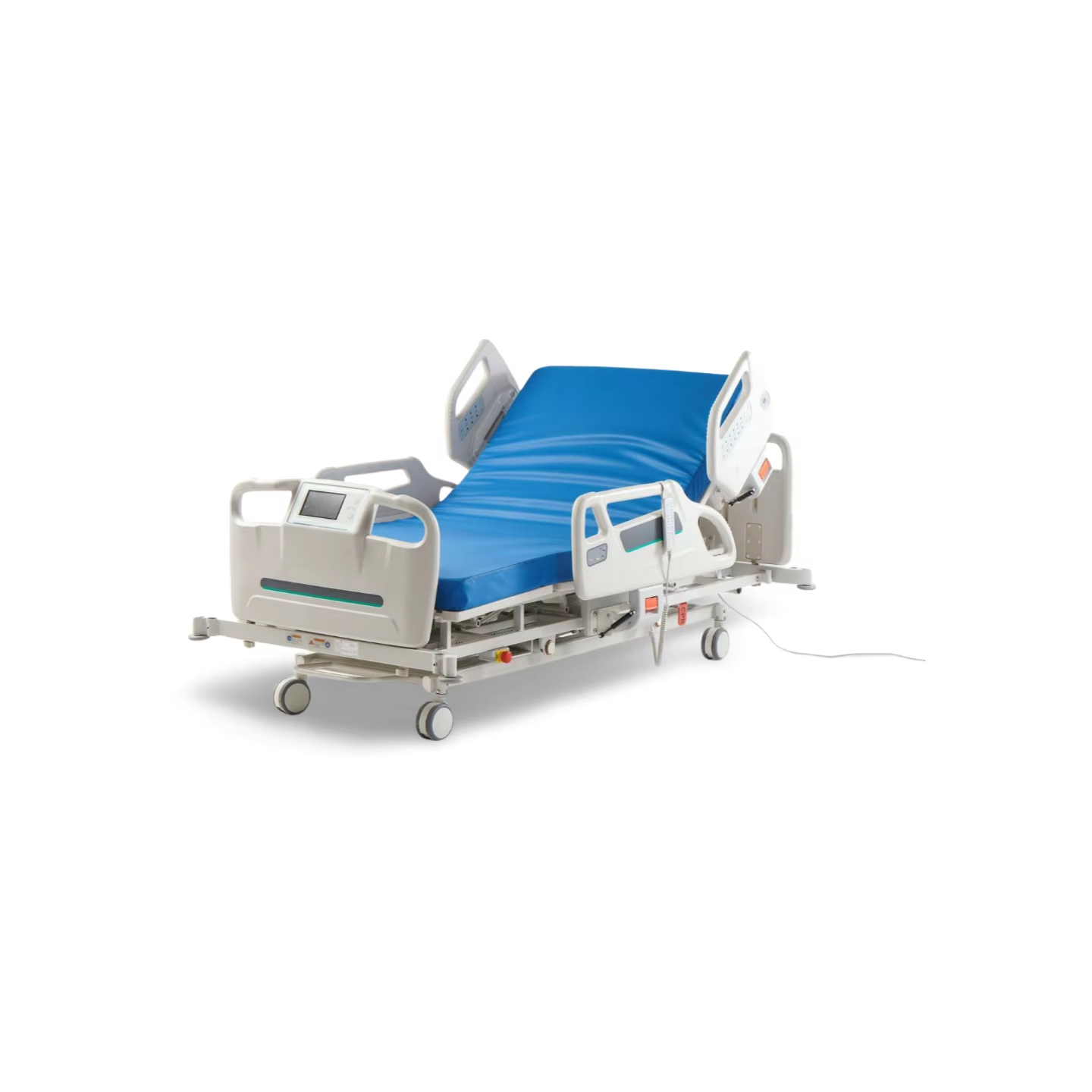
Home healthcare has evolved significantly in recent years, with families increasingly choosing to care for their loved ones in the comfort of their own homes rather than institutional settings. This shift has created a growing demand for specialized medical equipment that can provide hospital-level care within residential environments. Among the most crucial pieces of equipment for home care is the nursing bed, which serves as the foundation for effective patient care and comfort.
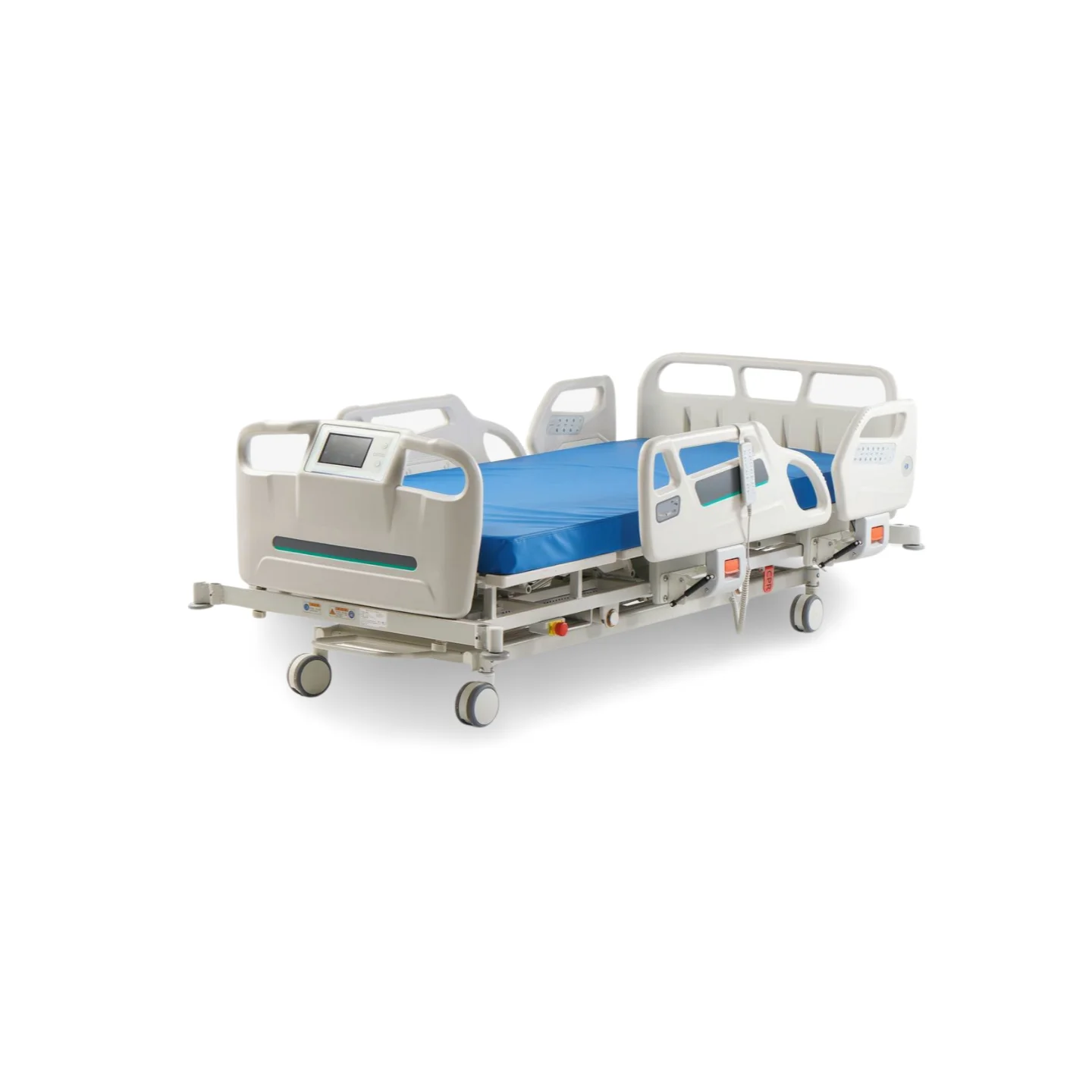
The transition from hospital to home care requires careful consideration of equipment needs, safety protocols, and patient comfort requirements. A properly selected nursing bed can significantly impact the quality of care delivered and the overall well-being of both patients and caregivers. Understanding the essential features and benefits of these specialized beds is crucial for making informed decisions about home healthcare equipment.
Understanding the Core Functions of Modern Nursing Beds
Enhanced Patient Positioning and Mobility
Modern nursing bed designs incorporate advanced positioning capabilities that allow caregivers to adjust patient positioning with precision and ease. These adjustable features enable optimal patient comfort while reducing the risk of pressure sores and other complications associated with prolonged bed rest. The ability to elevate the head, raise the foot section, or adjust the overall bed height provides flexibility in patient care routines.
The positioning functions of a nursing bed extend beyond basic comfort adjustments. Medical conditions often require specific positioning protocols, and having equipment that can accommodate these needs at home eliminates the necessity for frequent hospital visits. Whether managing respiratory conditions that require elevated positioning or circulatory issues that benefit from leg elevation, these beds provide the versatility needed for comprehensive home care.
Patient mobility assistance is another critical function that sets nursing beds apart from standard hospital beds. Many models include features such as assist rails, low-height positioning for easier transfers, and smooth adjustment mechanisms that minimize jarring movements. These features collectively contribute to maintaining patient dignity and independence while ensuring safety during daily care activities.
Safety Features and Risk Mitigation
Safety considerations in home care environments differ significantly from those in professional medical facilities. A nursing bed must incorporate multiple safety features to protect patients who may be at risk of falls, entanglement, or other injuries. Side rails with appropriate spacing, emergency lowering functions, and sturdy construction materials all contribute to creating a secure care environment.
The design of safety features in nursing beds takes into account the varying levels of cognitive and physical abilities among home care patients. Beds equipped with pressure-sensitive alarms, automatic positioning limits, and tamper-resistant controls help prevent accidents while maintaining patient autonomy where appropriate. These safety mechanisms provide peace of mind for family caregivers who may not have professional medical training.
Emergency preparedness is an often-overlooked aspect of nursing bed safety features. Many modern units include battery backup systems for power outages, manual override capabilities, and quick-release mechanisms for emergency situations. These features ensure that patient care can continue uninterrupted even during unexpected circumstances, making home care more reliable and secure.
Benefits for Patients and Caregivers
Improved Patient Comfort and Quality of Life
The comfort provided by a well-designed nursing bed extends far beyond basic sleeping arrangements. These specialized beds offer pressure redistribution surfaces, temperature regulation features, and customizable positioning options that significantly enhance patient comfort during extended periods of bed rest. The psychological benefits of increased comfort cannot be understated, as they contribute to better sleep quality and overall mental well-being.
Quality of life improvements associated with nursing bed use include increased independence in daily activities, reduced pain and discomfort, and enhanced dignity during personal care routines. Patients who can adjust their own positioning or transfer more easily experience greater autonomy, which positively impacts their emotional and psychological state during the recovery or long-term care process.
The social aspects of patient comfort are equally important in home care settings. A nursing bed that allows for easier visitor interaction, television viewing, or participation in family activities helps maintain social connections and prevents isolation. These beds can be adjusted to facilitate various activities, from eating meals to engaging in hobbies, thereby supporting a more normal lifestyle despite medical limitations.
Caregiver Support and Ergonomics
Family caregivers often lack the physical training and ergonomic knowledge possessed by professional healthcare workers. A nursing bed designed with caregiver ergonomics in mind can prevent injury and reduce physical strain during daily care activities. Height-adjustable features eliminate the need for awkward bending or reaching, while smooth operation mechanisms reduce the force required for bed adjustments.
The learning curve associated with operating nursing bed controls is minimized through intuitive design and clear labeling systems. Many models include caregiver training materials and simplified control panels that make it easier for family members to provide professional-quality care. This accessibility empowers caregivers and increases their confidence in managing complex care situations.
Time efficiency is another significant benefit for caregivers using properly equipped nursing beds. Features such as easy-clean surfaces, integrated storage compartments, and quick-adjustment mechanisms streamline daily care routines. This efficiency allows caregivers to focus more attention on patient interaction and emotional support rather than struggling with equipment limitations.
Essential Features to Consider
Adjustability and Positioning Options
The range of adjustability available in a nursing bed directly impacts its versatility for different medical conditions and care requirements. Full electric operation provides the smoothest and most precise adjustments, while semi-electric models offer a balance between functionality and cost-effectiveness. Manual adjustment options may be suitable for patients with limited positioning needs but should be evaluated carefully for caregiver ease of use.
Positioning memory functions represent an advanced feature that can significantly improve care consistency and efficiency. These systems allow caregivers to program frequently used positions and recall them with the touch of a button. This capability is particularly valuable for patients requiring specific positioning protocols for medical treatments or comfort routines.
The speed and noise level of bed adjustments are important considerations for home environments. Quiet operation mechanisms prevent disruption during nighttime adjustments, while appropriately paced movement speeds ensure patient comfort during position changes. Some nursing bed models include variable speed controls that allow caregivers to customize adjustment rates based on patient preferences and medical requirements.
Weight Capacity and Durability
Selecting a nursing bed with appropriate weight capacity ensures both safety and longevity of the equipment. Manufacturers typically provide both patient weight limits and total weight capacity specifications that include mattresses, accessories, and equipment. Choosing a bed with capacity significantly above the patient's current weight allows for weight fluctuations and additional medical equipment as needed.
Durability factors extend beyond simple weight capacity to include construction materials, joint mechanisms, and electronic component quality. Heavy-duty steel frames with reinforced welding provide long-term reliability, while high-quality motors and control systems minimize maintenance requirements. These durability features are particularly important for home care situations where professional maintenance may be less readily available.
Warranty coverage and service support availability should be carefully evaluated when selecting a nursing bed for home use. Comprehensive warranties that cover both mechanical and electrical components provide protection against unexpected repair costs. Additionally, manufacturers with responsive customer service and readily available replacement parts ensure that equipment remains functional throughout its useful life.
Integration with Home Care Systems
Compatibility with Medical Equipment
Modern home care often involves multiple pieces of medical equipment that must work together seamlessly. A nursing bed should be designed to accommodate various accessories such as overbed tables, IV poles, patient lifts, and monitoring equipment. Integration points and mounting options allow for organized equipment placement that maintains accessibility while reducing clutter.
Electrical considerations become particularly important when multiple medical devices are used in conjunction with a nursing bed. Adequate electrical outlets, cord management systems, and power distribution capabilities prevent safety hazards while ensuring reliable operation of all equipment. Some advanced nursing bed models include integrated power strips and USB charging ports to support various medical and communication devices.
The physical dimensions and clearance requirements of a nursing bed must be compatible with the home environment and other necessary equipment. Room layout planning should account for caregiver access on all sides of the bed, wheelchair accessibility, and space for additional equipment placement. Proper integration ensures that the nursing bed enhances rather than hinders the overall care environment.
Technology Integration and Monitoring
Advanced nursing bed models increasingly incorporate technology features that support remote monitoring and care coordination. Weight sensing capabilities, position monitoring, and activity tracking provide valuable data for healthcare providers and family members. This information can help identify changes in patient condition and optimize care protocols over time.
Communication features such as integrated call systems, emergency alert capabilities, and smartphone connectivity enhance safety and responsiveness in home care situations. These technologies bridge the gap between home care and professional medical oversight, providing reassurance for both patients and family members. Some systems can automatically notify caregivers or healthcare providers of significant changes or emergency situations.
Data collection and analysis capabilities in modern nursing bed systems support evidence-based care decisions and treatment optimization. Sleep quality metrics, positioning compliance tracking, and usage pattern analysis provide insights that can improve patient outcomes and care efficiency. This technological integration represents the future direction of home healthcare equipment design and functionality.
Cost Considerations and Value Analysis
Initial Investment vs Long-term Benefits
The initial cost of a quality nursing bed may seem substantial, but a comprehensive value analysis must consider long-term benefits and cost savings. Preventing hospital readmissions, reducing caregiver injuries, and improving patient outcomes all contribute to overall cost-effectiveness. Many families find that the investment in proper equipment pays for itself through reduced healthcare expenses and improved quality of life.
Financing options and insurance coverage can significantly impact the affordability of nursing bed acquisition. Medicare, Medicaid, and private insurance plans may provide coverage for medically necessary equipment, though specific requirements and approval processes vary. Working with healthcare providers to document medical necessity and explore coverage options can reduce out-of-pocket expenses substantially.
The rental versus purchase decision depends on anticipated duration of use, specific feature requirements, and financial considerations. Short-term needs may be best served by rental arrangements, while long-term care situations often benefit from ownership. Some suppliers offer rent-to-own programs that provide flexibility while building equity in the equipment over time.
Maintenance and Service Considerations
Ongoing maintenance requirements and associated costs should be factored into the total cost of nursing bed ownership. Regular maintenance schedules, replacement part availability, and service call expenses all contribute to the lifetime cost of equipment ownership. Choosing manufacturers with comprehensive service networks and reasonable maintenance costs helps control these ongoing expenses.
User training and education support from equipment suppliers can reduce maintenance costs and extend equipment life. Proper operation techniques, routine care procedures, and troubleshooting capabilities empower caregivers to maintain equipment effectively. Many manufacturers provide training materials, online resources, and telephone support to assist with equipment maintenance and operation.
Preventive maintenance programs offered by some nursing bed manufacturers can provide cost-effective protection against major repairs and equipment failures. These programs typically include regular inspections, calibration services, and priority response for service calls. The peace of mind and equipment reliability provided by such programs often justify the additional cost for families dependent on the equipment for daily care.
Frequently Asked Questions
What is the difference between a nursing bed and a regular hospital bed?
A nursing bed is specifically designed for home care environments and extended patient use, featuring enhanced comfort features, quieter operation, and more intuitive controls compared to standard hospital beds. Nursing beds often include additional safety features, better aesthetic integration with home environments, and specialized functions like integrated weighing systems or advanced pressure relief surfaces that are particularly valuable for long-term home care situations.
How do I determine if insurance will cover a nursing bed for home use?
Insurance coverage for nursing bed equipment typically requires documentation of medical necessity from a physician, specific diagnostic criteria, and approval through the insurance provider's durable medical equipment benefit program. The process usually involves obtaining a prescription from your doctor, working with an approved supplier to submit paperwork, and meeting specific coverage criteria that vary by insurance plan. Medicare Part B often covers nursing beds when prescribed for patients who require positioning assistance or have mobility limitations that make a standard bed unsuitable for their care needs.
Can a nursing bed fit in a standard bedroom?
Most nursing beds are designed to fit within standard residential bedroom spaces, though careful measurement and room planning are essential for optimal placement. Standard nursing bed dimensions typically range from 36 to 42 inches wide and 80 to 88 inches long, which fits comfortably in most bedrooms. However, consideration must be given to clearance space around the bed for caregiver access, wheelchair navigation, and placement of additional medical equipment that may be required for comprehensive home care.
What maintenance is required for a nursing bed in home use?
Regular nursing bed maintenance includes cleaning and disinfecting surfaces, checking electrical connections and cord integrity, testing all adjustment functions monthly, and inspecting safety features like side rails and emergency controls. Most manufacturers recommend annual professional inspections to ensure proper calibration and mechanical function, along with immediate attention to any unusual noises, jerky movements, or control malfunctions. Proper mattress care, including rotation and cleaning according to manufacturer guidelines, also extends equipment life and maintains hygiene standards essential for patient health and comfort.