 EN
EN

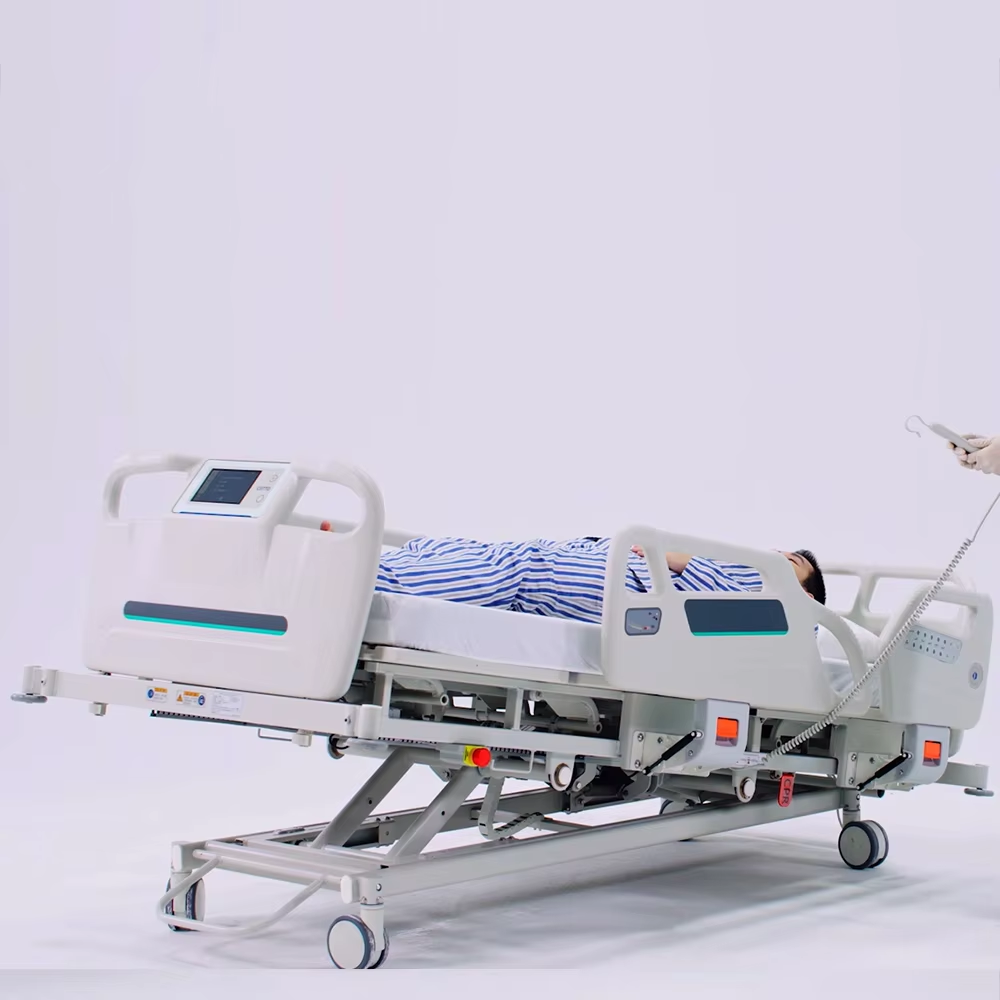
Long-term care facilities face increasing demands for equipment that prioritizes both patient comfort and caregiver efficiency. Modern healthcare environments require specialized furniture that can adapt to diverse medical needs while maintaining durability and safety standards. A nursing bed represents one of the most critical investments for any care facility, directly impacting patient outcomes and staff workflow. These advanced medical beds have evolved far beyond basic adjustable frames to become comprehensive care platforms that integrate multiple therapeutic functions. The selection of appropriate nursing bed solutions can significantly influence patient recovery rates, reduce caregiver strain, and optimize overall care delivery in both institutional and home healthcare settings.
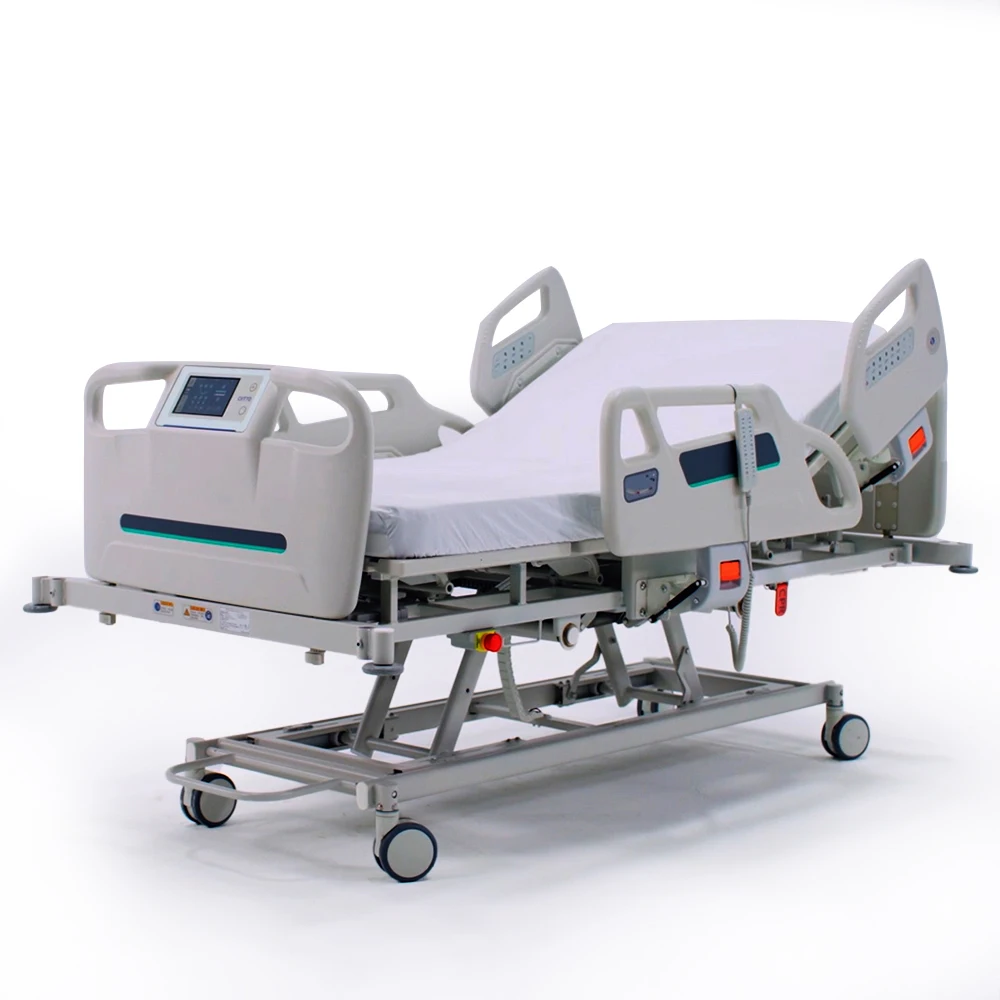
Advanced Features That Transform Patient Care
Electric Positioning Systems
Modern electric nursing bed models incorporate sophisticated positioning mechanisms that enable precise adjustments for various therapeutic positions. These systems allow caregivers to modify head elevation, knee flexion, and overall bed height with simple control interfaces. The electric positioning capability reduces physical strain on healthcare workers while providing patients with optimal comfort throughout different stages of treatment. Advanced models feature memory settings that can store preferred positions for individual patients, streamlining daily care routines and ensuring consistency in positioning protocols.
The precision control offered by electric systems extends beyond basic comfort adjustments to include specialized therapeutic positioning. Medical professionals can implement specific angles for respiratory therapy, wound care, and mobility exercises with exact repeatability. This level of control becomes particularly valuable in long-term care scenarios where patients may require consistent positioning protocols over extended periods. The reliability of electric mechanisms also reduces the risk of positioning errors that could compromise patient safety or treatment effectiveness.
Integrated Safety Mechanisms
Safety features embedded within contemporary nursing bed designs address common risks associated with patient mobility and positioning. Side rail systems with multiple height adjustments provide customizable protection while maintaining patient access for care activities. Emergency lowering functions ensure rapid response capabilities during medical emergencies, while weight distribution systems prevent mattress displacement during position changes. These integrated safety measures create a comprehensive protection environment that reduces liability concerns for care facilities.
Advanced locking mechanisms prevent accidental position changes while allowing authorized adjustments through secure control systems. Many nursing bed models incorporate sensor technology that monitors patient movement and alerts caregivers to potential fall risks or unusual activity patterns. The integration of these safety features into the bed structure eliminates the need for additional equipment while providing continuous protection. This comprehensive approach to patient safety represents a significant advancement over traditional hospital bed designs that relied on external safety equipment.
Therapeutic Benefits for Long-Term Patients
Pressure Relief and Circulation Enhancement
Long-term bed confinement presents significant challenges for maintaining healthy circulation and preventing pressure-related injuries. Multi-function nursing bed systems address these concerns through specialized positioning capabilities that promote blood flow and reduce pressure points. The ability to adjust multiple bed sections independently allows for precise pressure redistribution that can prevent the development of bedsores and other complications associated with extended bed rest. Regular position changes facilitated by easy adjustment mechanisms help maintain muscle tone and joint flexibility.
The therapeutic positioning options available with advanced nursing bed models support various medical protocols designed to optimize patient circulation. Trendelenburg and reverse Trendelenburg positions can be achieved with precise angle control, supporting cardiac care and respiratory therapy requirements. The smooth adjustment mechanisms minimize patient discomfort during position changes while enabling frequent repositioning schedules that are essential for preventing circulation-related complications in long-term care patients.
Respiratory Support Positioning
Patients with respiratory conditions benefit significantly from the specialized positioning capabilities offered by modern nursing bed systems. The ability to achieve optimal angles for breathing support can improve oxygen saturation levels and reduce respiratory distress in patients with chronic conditions. Precise head and chest elevation options enable healthcare providers to implement evidence-based positioning protocols that support respiratory function and patient comfort throughout extended care periods.
The integration of smooth, quiet adjustment mechanisms ensures that respiratory positioning changes can be made without disrupting patient rest or sleep cycles. This consideration becomes particularly important for patients requiring frequent position adjustments to maintain optimal respiratory function. The reliability of electric positioning systems enables consistent implementation of respiratory care protocols, contributing to improved patient outcomes and reduced complications associated with compromised breathing patterns.
Caregiver Efficiency and Ergonomic Benefits
Reduced Physical Strain
Healthcare workers face significant physical demands when providing care for mobility-limited patients, leading to high rates of work-related injuries and burnout. Electric nursing bed systems dramatically reduce the physical effort required for patient positioning, transfers, and daily care activities. The ability to adjust bed height to optimal working levels helps prevent back strain and repetitive motion injuries among caregivers. This ergonomic advantage translates to reduced healthcare costs related to worker compensation claims and staff turnover.
The efficiency gains achieved through advanced nursing bed features extend beyond individual caregiver benefits to impact overall facility operations. Faster, easier patient positioning allows healthcare staff to allocate more time to direct patient care and clinical assessment activities. The reduced physical demands associated with electric adjustment systems enable a broader range of healthcare workers to safely provide care, including those who might otherwise be limited by physical constraints of manual bed operation.
Streamlined Care Protocols
Modern nursing bed systems integrate seamlessly with established care protocols while offering enhanced capabilities for specialized treatments and interventions. The precision control available through electric systems enables consistent implementation of positioning schedules and therapeutic protocols across different shifts and caregivers. This consistency improves patient outcomes while reducing the variability that can occur with manual adjustment systems that depend on individual caregiver strength and technique.
The documentation and monitoring capabilities integrated into advanced nursing bed systems support quality assurance programs and regulatory compliance requirements. Many models feature data logging capabilities that track positioning changes, adjustment frequency, and usage patterns. This information supports evidence-based care decisions and provides valuable insights for optimizing care protocols and resource allocation within long-term care facilities.
Cost-Effectiveness in Long-Term Care
Equipment Longevity and Reliability
Investment in high-quality nursing bed systems provides significant long-term value through extended equipment lifespan and reduced maintenance requirements. Modern electric systems incorporate robust components designed to withstand the demanding environment of healthcare facilities while maintaining consistent performance over many years of operation. The reliability of these systems reduces unexpected downtime and maintenance costs that can disrupt patient care and strain facility budgets.
The modular design approach used in contemporary nursing bed manufacturing enables selective component replacement and upgrades without requiring complete bed replacement. This modularity extends the useful life of nursing bed investments while allowing facilities to incorporate new technologies and features as they become available. The ability to upgrade specific components rather than replacing entire units provides significant cost savings over the operational lifetime of the equipment.
Reduced Secondary Equipment Needs
Multi-function nursing bed systems eliminate the need for additional positioning equipment and mobility aids that would otherwise be required for comprehensive patient care. The integration of multiple therapeutic functions into a single bed platform reduces capital equipment costs while simplifying maintenance and training requirements. This consolidation approach provides cost savings that extend beyond initial purchase price to include ongoing operational expenses and space utilization efficiency.
The comprehensive capabilities offered by advanced nursing bed systems reduce reliance on supplementary equipment that might otherwise be necessary for specialized positioning and patient care activities. This reduction in equipment complexity simplifies inventory management, maintenance scheduling, and staff training requirements. The overall impact on facility operations includes reduced storage needs, simplified procurement processes, and decreased complexity in equipment management protocols.
Technology Integration in Modern Healthcare
Smart Monitoring Capabilities
Contemporary nursing bed designs incorporate intelligent monitoring systems that track patient movement, positioning duration, and vital sign indicators through integrated sensor technology. These smart capabilities provide healthcare teams with real-time data about patient status and care needs, enabling proactive interventions and optimized care protocols. The integration of monitoring technology into the bed platform eliminates the need for separate monitoring equipment while providing continuous oversight of patient conditions.
The data collection capabilities of modern nursing bed systems support evidence-based care decisions and quality improvement initiatives within healthcare facilities. Automated tracking of positioning schedules, patient movement patterns, and equipment utilization provides valuable insights for optimizing care protocols and resource allocation. This information supports regulatory compliance requirements while contributing to improved patient outcomes through data-driven care optimization strategies.
Connectivity and Communication Features
Advanced nursing bed models incorporate connectivity features that integrate with electronic health record systems and facility communication networks. This integration enables seamless documentation of care activities, positioning changes, and patient status updates directly from the bedside. The ability to communicate patient needs and status changes through integrated systems improves response times and care coordination among healthcare team members.
The communication capabilities built into modern nursing bed systems extend to patient call systems, emergency response protocols, and family communication features. Patients can access help requests, position adjustments, and comfort controls through intuitive interfaces that accommodate various physical limitations and cognitive abilities. This enhanced communication capability improves patient satisfaction while reducing response delays and care coordination challenges common in busy healthcare environments.
FAQ
What makes a nursing bed suitable for long-term care applications
Long-term care nursing bed requirements focus on durability, comfort, and comprehensive therapeutic capabilities that support extended patient stays. Essential features include reliable electric positioning systems, pressure relief capabilities, integrated safety mechanisms, and robust construction designed to withstand continuous use. The bed should accommodate various patient sizes and medical conditions while providing consistent performance over many years of operation. Additional considerations include ease of cleaning, maintenance accessibility, and compatibility with facility care protocols and equipment standards.
How do electric nursing bed systems improve patient outcomes
Electric nursing bed systems contribute to improved patient outcomes through precise positioning control that supports therapeutic protocols, enhanced comfort that promotes better rest and recovery, and reduced risk of positioning-related injuries. The ability to implement consistent positioning schedules helps prevent complications such as pressure sores, circulation problems, and respiratory issues. Additionally, the ease of adjustment encourages more frequent position changes, which supports overall patient health and comfort during extended care periods.
What safety features should be prioritized in nursing bed selection
Critical safety features for nursing bed selection include reliable side rail systems with multiple adjustment options, emergency lowering capabilities, secure locking mechanisms for position control, and weight distribution systems that prevent mattress displacement. Additional safety considerations encompass sensor-based monitoring for fall prevention, smooth operation that minimizes jarring movements, and fail-safe mechanisms that ensure patient safety during power outages or equipment malfunctions. The bed should also incorporate antimicrobial surfaces and easy-to-clean designs that support infection control protocols.
How do advanced nursing bed features impact facility operational costs
Advanced nursing bed features typically reduce operational costs through decreased caregiver injury rates, improved staff efficiency, reduced need for supplementary equipment, and lower maintenance requirements. The ergonomic benefits of electric adjustment systems help prevent work-related injuries that can result in significant workers' compensation costs. Enhanced durability and reliability reduce replacement frequency and maintenance expenses, while integrated features eliminate the need for separate positioning and monitoring equipment. These factors combine to provide positive return on investment over the equipment's operational lifetime.