 EN
EN

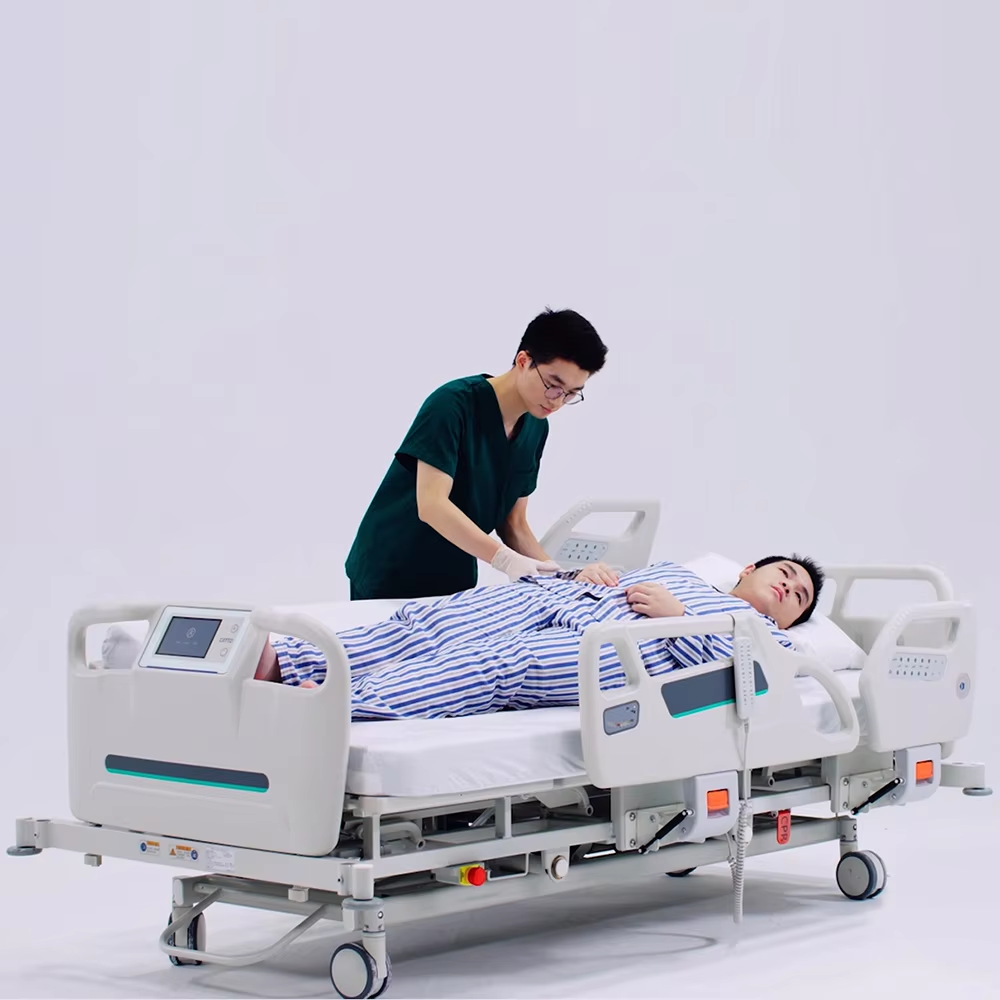
Selecting the right nursing bed is crucial for healthcare facilities, home care environments, and patient recovery outcomes. A quality nursing bed serves as more than just a place for patients to rest; it functions as a comprehensive care platform that supports medical procedures, patient comfort, and caregiver efficiency. When evaluating options, healthcare professionals must consider multiple factors including safety features, adjustability mechanisms, durability standards, and technological integration capabilities.
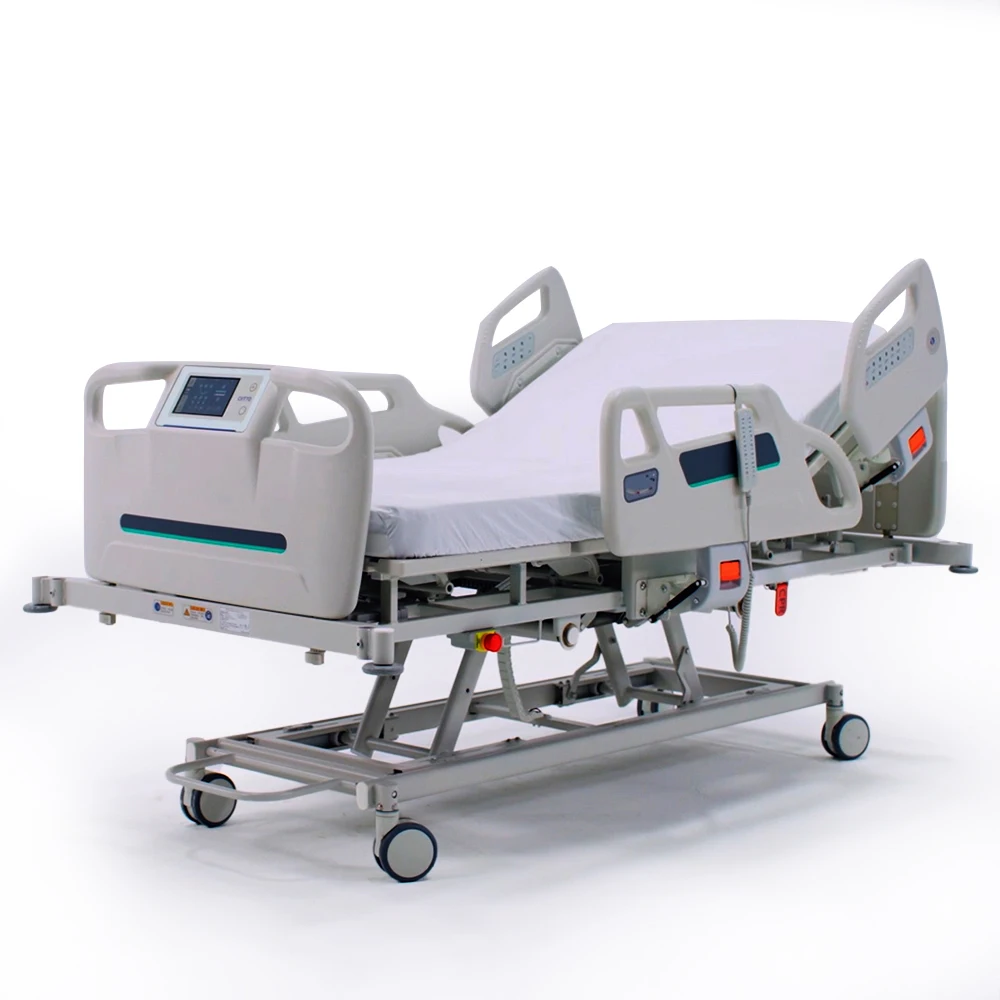
Modern healthcare demands require nursing beds that can adapt to diverse patient needs while maintaining operational reliability. The investment in a superior nursing bed directly impacts patient satisfaction scores, clinical outcomes, and staff productivity. Healthcare administrators increasingly recognize that bed selection influences everything from infection control protocols to patient mobility rehabilitation programs.
Essential Safety Features and Compliance Standards
Advanced Side Rail Systems
Contemporary nursing bed designs incorporate sophisticated side rail mechanisms that exceed traditional safety barriers. Full-length side rails with multiple locking positions provide comprehensive fall prevention while allowing controlled patient access. The most effective systems feature tool-free operation for healthcare staff while maintaining tamper-resistant security for confused or disoriented patients.
Split-rail configurations offer enhanced functionality by enabling independent upper and lower section control. This design allows caregivers to lower specific sections for procedures while maintaining safety barriers elsewhere. Quality nursing bed manufacturers integrate visual indicators and audible alerts to confirm proper rail engagement, reducing the risk of human error during shift transitions.
Emergency Response Capabilities
Emergency situations require immediate bed positioning changes, making backup power systems essential for electric nursing bed models. Battery backup units should provide sufficient power for multiple positioning cycles during power outages, ensuring patient safety during critical moments. Manual override mechanisms allow staff to adjust bed positions even when electrical systems fail completely.
Cardiac emergency features include instant flat positioning capabilities activated through dedicated controls. These systems bypass normal speed limitations to achieve rapid patient positioning for resuscitation procedures. Quality nursing bed designs incorporate breakaway footboards and removable headboards to facilitate emergency equipment access without compromising structural integrity.
Positioning and Adjustability Functions
Multi-Zone Electric Controls
Advanced nursing bed systems feature independent zone control allowing precise positioning of head, knee, and foot sections. Trendelenburg and reverse Trendelenburg positioning capabilities support various medical procedures and therapeutic protocols. The most sophisticated models offer memory positioning functions that store frequently used configurations for specific patient conditions or treatment requirements.
Smooth, quiet motor systems ensure patient comfort during position changes while minimizing disruption in shared care environments. Variable speed controls enable gradual transitions that accommodate patients with pain sensitivity or mobility restrictions. Quality nursing bed manufacturers integrate motion sensors that automatically pause positioning when unexpected resistance occurs.
Weight Capacity and Structural Integrity
Modern healthcare serves increasingly diverse patient populations requiring nursing beds with expanded weight capacities. Standard models should accommodate patients up to 400 pounds, while bariatric versions support individuals exceeding 600 pounds. Reinforced frame construction using high-grade steel ensures longevity while maintaining precise positioning accuracy under maximum load conditions.
Dynamic weight distribution systems prevent bed sagging and maintain mattress support integrity across the entire surface area. Quality nursing bed frames incorporate stress testing data exceeding normal usage parameters, providing safety margins for unexpected situations. Frame warranties extending five years or more indicate manufacturer confidence in structural durability and long-term performance reliability.
Mattress Compatibility and Support Systems
Pressure Redistribution Technology
Effective nursing bed selection requires consideration of mattress compatibility and pressure management capabilities. Platform designs must accommodate various therapeutic mattress types including alternating pressure systems, low air loss models, and specialized foam configurations. Adjustable mattress retainer systems prevent displacement during positioning changes while maintaining proper spinal alignment.
Integrated pressure monitoring systems track patient position changes and alert caregivers to prolonged immobility periods. Advanced nursing bed models incorporate weight-sensing technology that automatically adjusts support zones based on patient body mass distribution. These systems work seamlessly with electronic health records to document turning schedules and pressure relief interventions.
Climate Control Integration
Temperature regulation capabilities enhance patient comfort and support healing processes in clinical environments. Nursing bed systems with integrated airflow channels promote mattress ventilation and reduce heat buildup during extended bed rest periods. Some models feature connection ports for therapeutic mattress systems requiring external air pumps or climate control units.
Moisture management features prevent bacterial growth and maintain hygienic sleeping surfaces. Quality nursing bed designs incorporate drainage channels and waterproof barriers that protect electronic components while facilitating thorough cleaning protocols. These systems support infection control initiatives while extending mattress lifespan and reducing replacement costs.
Mobility and Transportation Features
Caster Systems and Steering Control
Hospital-grade caster wheels enable smooth transportation while providing secure positioning stability when required. Central locking mechanisms simultaneously engage all wheels through single-action controls, preventing inadvertent bed movement during patient care activities. Directional steering systems allow single-person bed transport through narrow corridors and doorways without compromising maneuverability.
Anti-static wheels prevent electrical discharge buildup during movement across various flooring surfaces. Quality nursing bed casters incorporate precision bearings that maintain smooth operation after thousands of transport cycles. Maintenance-free designs eliminate the need for regular lubrication while providing consistent performance throughout the product lifecycle.
Height Adjustment Capabilities
Variable height positioning supports both patient comfort and caregiver ergonomics during care delivery. Low-height settings facilitate safe patient transfers while elevated positions reduce staff back strain during procedures. The optimal nursing bed offers height ranges from 8 inches to 32 inches, accommodating diverse patient needs and care scenarios.
Proportional height control systems provide precise positioning without sudden movements that might disturb patient comfort. Auto-contour functions maintain proper knee and hip angles during height adjustments, preventing sliding and maintaining spinal alignment. These features reduce pressure points and support circulation while enabling optimal positioning for various medical procedures.
Technology Integration and Connectivity Options
Electronic Health Record Compatibility
Modern nursing bed systems integrate with hospital information networks to streamline documentation and monitoring processes. Built-in sensors track patient movements, positioning changes, and bed exit attempts, automatically recording data in electronic health records. This integration reduces manual documentation requirements while improving care quality metrics and regulatory compliance.
Wireless connectivity enables remote monitoring capabilities that alert nursing staff to patient status changes or equipment malfunctions. Quality nursing bed manufacturers provide secure data transmission protocols that comply with healthcare privacy regulations while enabling real-time care coordination. These systems support evidence-based care decisions through comprehensive activity tracking and analysis.
User Interface Design and Accessibility
Intuitive control systems accommodate both patient self-operation and caregiver management requirements. Large, clearly labeled buttons with backlighting ensure visibility in low-light conditions while providing tactile feedback for visually impaired users. Lockout functions prevent unauthorized adjustments while maintaining emergency override capabilities for clinical staff.
Voice activation systems support hands-free operation for patients with limited mobility or dexterity. Advanced nursing bed models incorporate artificial intelligence that learns patient preferences and suggests optimal positioning based on medical conditions and comfort patterns. These features promote patient independence while maintaining safety protocols and clinical oversight.
Maintenance Requirements and Durability Standards
Cleaning and Infection Control Protocols
Healthcare environments demand nursing bed designs that support rigorous cleaning protocols without compromising functionality. Sealed electronic components prevent moisture infiltration during disinfection procedures while maintaining operational reliability. Smooth surface finishes eliminate crevices where pathogens might accumulate, supporting infection prevention initiatives.
Chemical-resistant materials withstand repeated exposure to hospital-grade disinfectants without degradation or discoloration. Quality nursing bed manufacturers provide detailed cleaning guidelines and approved product lists to maintain warranty coverage while ensuring optimal disinfection results. Removable components facilitate thorough terminal cleaning between patient assignments.
Service Requirements and Parts Availability
Preventive maintenance schedules ensure optimal nursing bed performance while extending operational lifespan. Quality manufacturers provide comprehensive service manuals and training programs for biomedical technicians, reducing downtime and repair costs. Standardized component designs enable efficient parts inventory management and rapid repair completion.
Extended warranty programs demonstrate manufacturer confidence while providing budget predictability for healthcare facilities. Parts availability guarantees ensure continued operation even for discontinued nursing bed models, protecting long-term investment value. Service network coverage should include 24-hour emergency support for critical care environments where bed failures cannot be tolerated.
FAQ
What is the typical lifespan of a quality nursing bed in a healthcare facility
A well-maintained nursing bed in a healthcare facility typically lasts 8 to 12 years with proper preventive maintenance and appropriate usage. High-quality models with robust construction and premium components often exceed this range, particularly in lower-volume settings. Regular maintenance schedules, staff training, and adherence to manufacturer guidelines significantly impact longevity and performance reliability throughout the service life.
How do weight capacity ratings affect nursing bed selection for different patient populations
Weight capacity ratings directly influence patient safety, bed durability, and positioning accuracy under load. Standard nursing bed models accommodate patients up to 400 pounds, while bariatric versions support 600 pounds or more. Facilities serving diverse patient populations should consider higher capacity models even for standard units, as this provides safety margins and reduces the need for specialized equipment transfers during emergencies.
What electrical requirements should be considered when installing new nursing beds
Most nursing bed models require standard 120V AC power with NEMA 5-15P plugs, though some advanced units need dedicated circuits or higher amperage connections. Battery backup systems typically require 8-12 hours of charging time to provide emergency positioning capabilities. Facilities should evaluate existing electrical infrastructure and consider upgrade requirements when planning nursing bed installations, particularly for units with integrated technology systems.
How do nursing bed features impact staff productivity and patient care quality
Advanced nursing bed features significantly reduce manual handling requirements, lowering injury risk for healthcare staff while improving care efficiency. Automatic positioning functions, integrated monitoring systems, and ergonomic controls enable faster care delivery with improved accuracy. Studies demonstrate that facilities using feature-rich nursing bed systems experience reduced staff turnover, improved patient satisfaction scores, and decreased liability claims related to patient handling incidents.
Table of Contents
- Essential Safety Features and Compliance Standards
- Positioning and Adjustability Functions
- Mattress Compatibility and Support Systems
- Mobility and Transportation Features
- Technology Integration and Connectivity Options
- Maintenance Requirements and Durability Standards
-
FAQ
- What is the typical lifespan of a quality nursing bed in a healthcare facility
- How do weight capacity ratings affect nursing bed selection for different patient populations
- What electrical requirements should be considered when installing new nursing beds
- How do nursing bed features impact staff productivity and patient care quality