 EN
EN

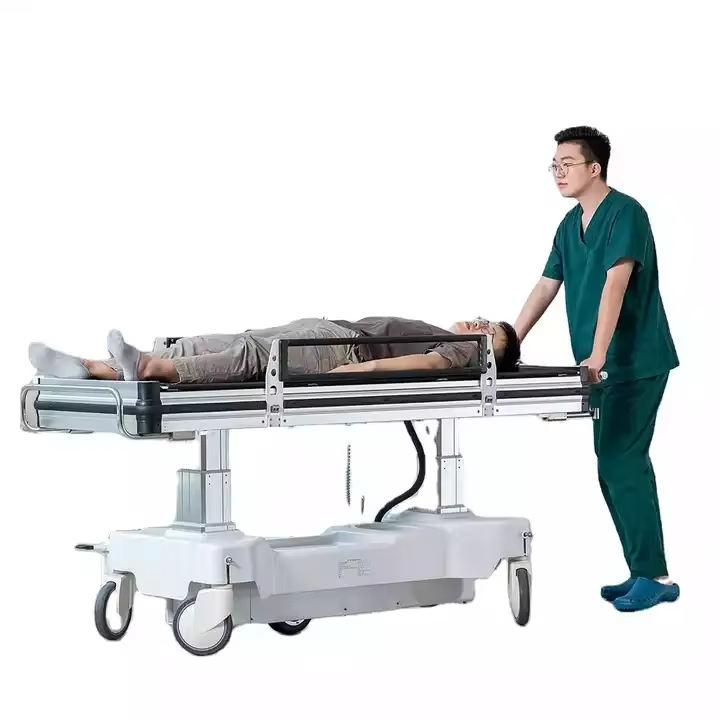
আধুনিক স্বাস্থ্যসেবা সুবিধাগুলি রোগীদের নিরাপদ ও কার্যকর চলাচলের জন্য বৃদ্ধি পাওয়া চাহিদা মেটাতে বাধ্য হচ্ছে, যেখানে নিরাপত্তা এবং কার্যকারিতা—উভয়ই প্রাধান্য পায়। একটি ট্রান্সফার বেড হাসপাতাল, নার্সিং হোম এবং চিকিৎসা কেন্দ্রগুলির জন্য একটি অত্যাবশ্যকীয় বিনিয়োগ প্রতিনিধিত্ব করে, যেগুলি রোগীদের যত্নের মান উন্নয়নের পাশাপাশি রোগী স্থানান্তরের সময় স্বাস্থ্যসেবা কর্মীদের আঘাত থেকে রক্ষা করতে চায়। স্থানান্তর বিছনা নির্বাচন প্রক্রিয়ায় নিরাপত্তা বৈশিষ্ট্য, টিকে থাকার বিবরণ, পরিচালনার সহজতা এবং দীর্ঘমেয়াদী খরচ-কার্যকারিতা—এই বিভিন্ন বিষয়ের যত্নপূর্ণ বিবেচনা প্রয়োজন। স্বাস্থ্যসেবা প্রশাসকদের তাদের প্রতিষ্ঠানের নির্দিষ্ট কার্যক্রমের প্রয়োজন এবং রোগীদের জনগোষ্ঠীর সাথে সামঞ্জস্যপূর্ণ সবচেয়ে উপযুক্ত স্থানান্তর বিছনা সমাধানগুলি চিহ্নিত করতে বিভিন্ন মডেল ও নির্মাতাদের মূল্যায়ন করতে হবে।
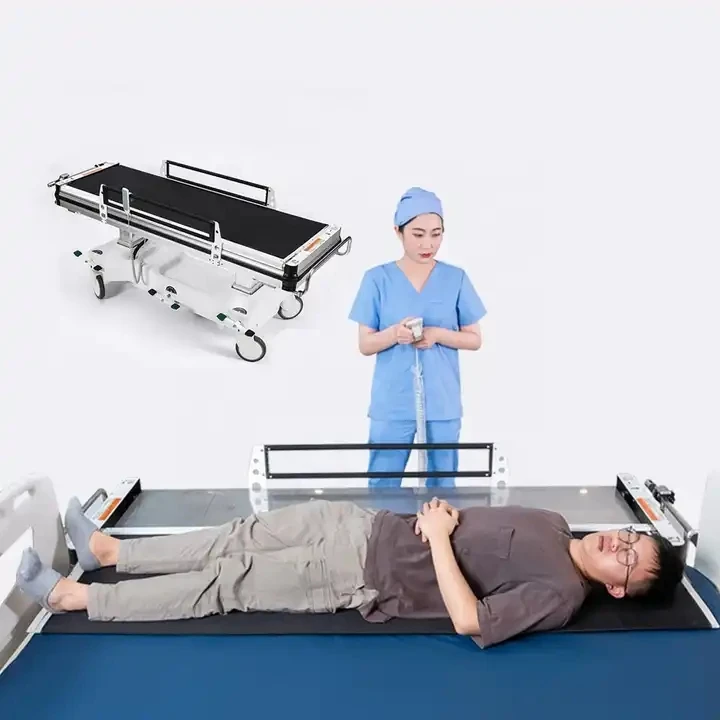
হাসপাতাল স্থানান্তর বিছনার জন্য অত্যাবশ্যকীয় নিরাপত্তা বৈশিষ্ট্য
উন্নত লকিং ব্যবস্থা এবং স্থিতিশীলতা সিস্টেম
নিরাপত্তা হলো হাসপাতালের পরিবেশে যেকোনো ট্রান্সফার বেড নির্বাচনের সময় সর্বোচ্চ গুরুত্বপূর্ণ বিষয়। আধুনিক ইউনিটগুলিতে উন্নত লকিং ব্যবস্থা অন্তর্ভুক্ত করা হয়েছে যা রোগীদের স্থানান্তরের সময় বেডটিকে স্থায়ীভাবে স্থির রাখে, যাতে অপ্রত্যাশিত গতির ফলে পতন বা আঘাতের ঝুঁকি প্রতিরোধ করা যায়। এই ব্যবস্থাগুলি সাধারণত কেন্দ্রীয় ব্রেক নিয়ন্ত্রণ বৈশিষ্ট্যযুক্ত হয়, যা একক ক্রিয়ায় সমস্ত চাকার লকগুলি একসাথে সক্রিয় করে, ফলে সুসঙ্গত ও নির্ভরযোগ্য স্থিরীকরণ নিশ্চিত হয়। স্থিতিশীলতা ফ্রেমওয়ার্কটি বিভিন্ন ওজন ও আকারের রোগীদের সমর্থন করতে সক্ষম হতে হবে এবং গতিশীল লোডিং অবস্থার অধীনে কাঠামোগত অখণ্ডতা বজায় রাখতে হবে।
ইলেকট্রনিক নিরাপত্তা সিস্টেমগুলি আধুনিক ট্রান্সফার বেডের ডিজাইনে ক্রমশ বেশি প্রচলিত হয়ে উঠেছে, যা সেন্সর এবং স্বয়ংক্রিয় নিয়ন্ত্রণের মাধ্যমে অতিরিক্ত সুরক্ষা স্তর প্রদান করে। এই উন্নত বৈশিষ্ট্যগুলি অপ্রয়োজনীয় অবস্থানের সনাক্তকরণ করতে পারে, সম্ভাব্য ঝুঁকির ব্যাপারে কর্মীদের সতর্ক করতে পারে এবং পূর্বনির্ধারিত সীমা অতিক্রম করলে স্বয়ংক্রিয়ভাবে নিরাপত্তা প্রোটোকলগুলি সক্রিয় করতে পারে। এই ধরনের প্রযুক্তির একীভূতকরণ দ্বারা দুর্ঘটনার ঝুঁকি উল্লেখযোগ্যভাবে হ্রাস পায় এবং স্বাস্থ্যসেবা কর্মীদের জন্য কার্যপ্রবাহগুলি সহজতর হয়।
রোগী ও কর্মীদের সুরক্ষার জন্য মানব-অনুকূল ডিজাইন উপাদান
মানব-কেন্দ্রিক বিবেচনাগুলি স্থানান্তর বিছনা নির্বাচনে অত্যন্ত গুরুত্বপূর্ণ ভূমিকা পালন করে, যা স্থানান্তরের সময় রোগীর আরামদায়কতা এবং কর্মীদের নিরাপত্তা—উভয়ের উপরই সরাসরি প্রভাব ফেলে। উচ্চতা সামঞ্জস্য করার পরিসরটি বিভিন্ন স্থানান্তর পরিস্থিতি—যেমন অ্যাম্বুলেন্স গার্নি থেকে শুরু করে স্ট্যান্ডার্ড হাসপাতাল বিছনা পর্যন্ত—অ্যাডজাস্ট করতে সক্ষম হতে হবে, যাতে স্বাস্থ্যসেবা কর্মীদের শারীরিক চাপ কমিয়ে আনা যায়। আদর্শ ডিজাইনগুলিতে মসৃণ, বৈদ্যুতিক শক্তিতে চালিত উচ্চতা সামঞ্জস্য ব্যবস্থা থাকে, যা হাতে তোলার প্রয়োজনীয়তা পূর্ণত উচ্ছেদ করে এবং কর্মীদের মধ্যে মাসকুলোস্কেলেটাল আঘাতের ঝুঁকি কমিয়ে দেয়।
পার্শ্ব রেল কনফিগারেশনগুলি রোগীর যথেষ্ট নিরাপত্তা প্রদান করে কিনা তা নিশ্চিত করতে সাবধানে মূল্যায়ন করা আবশ্যিক, যাতে স্থানান্তর প্রক্রিয়াগুলিতে বাধা না দেয়। আধুনিক স্থানান্তর বিছনা মডেলগুলিতে সরিয়ে নেওয়া বা ভাঁজ করা যায় এমন পার্শ্ব রেল থাকে, যা নির্দিষ্ট স্থানান্তর প্রয়োজনীয়তা অনুযায়ী সহজেই সামঞ্জস্য করা যায়। রেল ডিজাইনে রোগীর আঘাত প্রতিরোধের জন্য নরম-স্পর্শ উপকরণ এবং গোলাকার প্রান্ত অন্তর্ভুক্ত করা উচিত, যাতে একইসাথে গঠনগত শক্তি বজায় থাকে যা উত্তেজিত বা বিভ্রান্ত রোগীদের নিরাপদে ধরে রাখতে সক্ষম হয়।
দৃঢ়তা মান এবং নির্মাণ গুণগত মান
ফ্রেম উপকরণ এবং কাঠামোগত প্রকৌশল
যেকোনো ট্রান্সফার বেডের কাঠামোগত ভিত্তি তার কার্যকরী আয়ু এবং অবিরাম হাসপাতাল ব্যবহারের অধীনে বিশ্বস্ততা নির্ধারণ করে। উচ্চ-মানের ইউনিটগুলি পুনরাবৃত্ত রোগী স্থানান্তর ও পরিবহনের সাথে যুক্ত পুনরাবৃত্ত চাপ চক্র সহ্য করার জন্য প্রকৌশলীভাবে ডিজাইন করা সংবলিত ইস্পাত বা অ্যালুমিনিয়াম মিশ্র ধাতুর ফ্রেম ব্যবহার করে। ফ্রেমের জ্যামিতি অবশ্যই গঠনটির উপর ওজন লোডগুলি সমভাবে বণ্টন করতে হবে, যাতে বিভিন্ন পৃষ্ঠতল এবং দরজা দিয়ে চলাচলের সময় আঘাত বল শোষণের জন্য নমনীয়তা বজায় থাকে।
ওয়েল্ডিংয়ের মান এবং জয়েন্ট নির্মাণ ট্রান্সফার বেড ফ্রেমের দীর্ঘমেয়াদী টেকসইতা উল্লেখযোগ্যভাবে প্রভাবিত করে। শীর্ষস্থানীয় নির্মাতারা সার্টিফাইড ওয়েল্ডিং প্রক্রিয়া ব্যবহার করে এবং সর্বোচ্চ লোড অবস্থায় জয়েন্টগুলির অখণ্ডতা বজায় রাখার নিশ্চয়তা দেওয়ার জন্য কঠোর স্ট্রেস টেস্টিং পরিচালনা করে। ধাতব উপাদানগুলির পৃষ্ঠ চিকিত্সায় ক্ষয়রোধী কোটিং বা উপকরণ অন্তর্ভুক্ত করা আবশ্যিক, যা হাসপাতাল-মানের ডিসইনফেক্ট্যান্ট দ্বারা পুনঃপুনঃ পরিষ্কার করার পরেও ক্ষয় বা দৃশ্যগত অবক্ষয় ছাড়াই টিকে থাকে।
ওজন ধারণ ক্ষমতার বিবরণীগুলি প্রত্যাশিত রোগী ভারের চেয়ে অনেক বেশি হতে হবে, এবং ডিজাইনে উল্লেখযোগ্য নিরাপত্তা মার্জিন অন্তর্ভুক্ত করা আবশ্যিক। একটি শক্তিশালী ট্রান্সফার বেড ৫০০ পাউন্ড বা তার বেশি ওজনের রোগীদের গ্রহণ করতে সক্ষম হবে, যখন একইসাথে স্থিতিশীলতা এবং কার্যকারিতা বজায় রাখবে। এই ক্ষমতা প্রয়োজনীয়তা নিশ্চিত করে যে সরঞ্জামটি বিভিন্ন রোগী জনসংখ্যা এবং জরুরি পরিস্থিতির জন্য উপযুক্ত থাকবে, যেখানে ওজন সীমা প্রায় অর্জিত হতে পারে বা অতিক্রম করা হতে পারে।
উপাদানের দীর্ঘস্থায়িত্ব এবং রক্ষণাবেক্ষণের প্রয়োজনীয়তা
চাকা, ব্রেক এবং সামঞ্জস্য ব্যবস্থা ইত্যাদি যান্ত্রিক উপাদানগুলি হল গুরুত্বপূর্ণ ক্ষয়-প্রবণ বিন্দু, যা সরানোর বিছনার দীর্ঘস্থায়িত্বকে সরাসরি প্রভাবিত করে। উচ্চ-মানের ক্যাস্টারগুলিতে সীলযুক্ত বেয়ারিং অ্যাসেম্বলি থাকা আবশ্যিক, যা হাসপাতাল পরিবেশের ধূলিকণা ও অন্যান্য দূষণ থেকে রক্ষা পায় এবং বিভিন্ন ধরনের ফ্লোর সারফেসে মসৃণ গতি নিশ্চিত করে। ব্রেক ব্যবস্থাগুলির সেবা জীবন জুড়ে সুস্থির এবং সুসংগত চাপ প্রয়োগ ক্ষমতা বজায় রাখতে হবে, যাতে সাধারণ অপারেশনের সময় ন্যূনতম সামঞ্জস্য বা প্রতিস্থাপনের প্রয়োজন হয়।
বিদ্যুৎ-চালিত উপাদানগুলি, যদি বিদ্যমান থাকে, তবে চিকিৎসা সরঞ্জামের জন্য নির্ধারিত নির্ভরযোগ্যতা ও তড়িৎ-চৌম্বকীয় সামঞ্জস্যের মানদণ্ড পূরণ করতে হবে। উচ্চতা সামঞ্জস্য ও অন্যান্য বিদ্যুৎ-চালিত কার্যক্রমের জন্য মোটর অ্যাসেম্বলিগুলি স্বাস্থ্যসেবা পরিবেশে সাধারণত ব্যবহৃত আর্দ্রতা ও পরিষ্কারক দ্রব্য থেকে রক্ষা পাওয়ার জন্য উপযুক্ত সুরক্ষা প্রয়োজন। উৎপাদকদের সরঞ্জামের অপারেশন বন্ধ হওয়া কমাতে এবং অবিচ্ছিন্ন কার্যক্ষমতা নিশ্চিত করতে স্পষ্ট রক্ষণাবেক্ষণ পরিকল্পনা এবং সহজলভ্য প্রতিস্থাপনযোগ্য যোগানের ব্যবস্থা প্রদান করা আবশ্যিক।
পরিচালনার দক্ষতা এবং ব্যবহারকারীর অভিজ্ঞতা
ম্যানিউভারেবিলিটি এবং পরিবহন বৈশিষ্ট্য
একটি ট্রান্সফার বেডের ম্যানিউভারেবিলিটির বৈশিষ্ট্যগুলি ব্যস্ত হাসপাতাল পরিবেশে এর ব্যবহারিক উপযোগিতাকে সরাসরি প্রভাবিত করে। চারটি চাকার কনফিগারেশন এবং স্টিয়ারিং ব্যবস্থা সংকীর্ণ করিডর, তীব্র কোণ এবং লিফট বা রোগীদের ঘরের মতো সীমিত স্থানের মধ্য দিয়ে মসৃণভাবে চলাচল সহজতর করতে হবে। চার-চাকার স্টিয়ারিং ক্ষমতা সঠিক অবস্থান নির্ধারণ করতে সক্ষম করে এবং পরিবহন কার্যক্রমের সময় স্বাস্থ্যসেবা কর্মীদের শারীরিক প্রচেষ্টা কমিয়ে দেয়।
রোগী পরিবহন প্রক্রিয়ায় পুশ হ্যান্ডেলের ইরগোনমিক্স কর্মীদের আরাম এবং নিয়ন্ত্রণের উপর উল্লেখযোগ্য প্রভাব ফেলে। সামঞ্জস্যযোগ্য হ্যান্ডেলের উচ্চতা বিভিন্ন উচ্চতার ব্যবহারকারীদের জন্য উপযুক্ত হয় এবং স্টিয়ারিং ও ব্রেকিং কার্যক্রমের জন্য অপ্টিমাল লিভারেজ প্রদান করে। কিছু উন্নত ট্রান্সফার বেড মডেলে পুশ হ্যান্ডেলে ইলেকট্রনিক নিয়ন্ত্রণ ব্যবস্থা একীভূত করা হয়েছে, যা অপারেটরদের ইউনিটের পিছনে দাঁড়িয়েই বেডের উচ্চতা সামঞ্জস্য করা, নিরাপত্তা বৈশিষ্ট্য সক্রিয় করা বা অন্যান্য ফাংশন নিয়ন্ত্রণ করা সম্ভব করে তোলে।
রোগীর আরাম এবং অবস্থান নির্ধারণের ক্ষমতা
রোগীদের স্থানান্তরের সময় তাদের আরাম সামগ্রিক যত্নের গুণগত মানকে প্রভাবিত করে এবং পুনরুদ্ধারের ফলাফলের উপরও প্রভাব ফেলতে পারে। ম্যাট্রেস প্ল্যাটফর্মটি দীর্ঘ সময় ধরে পরিবহনের সময় অস্বস্তি প্রতিরোধের জন্য চাপ পুনর্বণ্টনের সুযোগ দিতে পারে এমন যথেষ্ট সমর্থন প্রদান করা উচিত। আর্টিকুলেটিং (সংযুক্ত) অংশগুলি যত্নপ্রাপ্তদের চিকিৎসা প্রক্রিয়া বা সুবিধার জন্য রোগীদের সঠিকভাবে অবস্থান করতে সক্ষম করে, যখন তাদের সুবিধা বা বিভাগের মধ্যে স্থানান্তর করা হয়।
রোগীদের নির্ভুল অবস্থান নির্ধারণ বিশেষভাবে তখন গুরুত্বপূর্ণ হয়ে ওঠে যখন তাদের ডায়াগনস্টিক যন্ত্রপাতি বা সার্জিক্যাল টেবিলের সাথে সংযোগ স্থাপন করা হয়। একটি বহুমুখী স্থানান্তর বিছনা উচ্চতা ও কোণের নির্ভুল সামঞ্জস্য সুবিধা প্রদান করবে যা অতিরিক্ত তোলা বা পুনরায় অবস্থান করা ছাড়াই রোগীদের সুগম স্থানান্তরকে সমর্থন করে। এই ক্ষমতা স্থানান্তর সময় কমায়, রোগীদের অস্বস্তি কমায় এবং পুনঃপুনঃ হ্যান্ডলিং-এর সাথে যুক্ত জটিলতার ঝুঁকি হ্রাস করে।
প্রযুক্তি একীভূতকরণ এবং আধুনিক বৈশিষ্ট্য
ইলেকট্রনিক নিয়ন্ত্রণ ব্যবস্থা এবং স্বয়ংক্রিয়করণ
সমসাময়িক ট্রান্সফার বেডের ডিজাইনগুলি ক্রমশ ইলেকট্রনিক নিয়ন্ত্রণ ব্যবস্থা অন্তর্ভুক্ত করছে যা কার্যকারিতা এবং নিরাপত্তা প্রোটোকলগুলিকে উন্নত করে। ডিজিটাল ডিসপ্লেগুলি বেডের অবস্থান, ওজন বণ্টন এবং সিস্টেমের অবস্থা সম্পর্কে বাস্তব সময়ে ফিডব্যাক প্রদান করে, যার ফলে চিকিৎসা কর্মীরা রোগী স্থানান্তরের সময় তথ্যভিত্তিক সিদ্ধান্ত গ্রহণ করতে পারেন। পূর্বনির্ধারিত অবস্থান নির্ধারণের ফাংশনগুলি সাধারণত ব্যবহৃত কনফিগারেশনগুলিতে দ্রুত সামঞ্জস্য করার অনুমতি দেয়, যা সেটআপ সময় কমায় এবং কাজের প্রবাহের সামঞ্জস্যতা বৃদ্ধি করে।
হাসপাতালের তথ্য ব্যবস্থার সাথে একীভূতকরণের মাধ্যমে ট্রান্সফার বেড ইউনিটগুলি কেন্দ্রীয় মনিটরিং স্টেশন এবং ইলেকট্রনিক স্বাস্থ্য রেকর্ডের সাথে যোগাযোগ করতে পারে। এই সংযোগটি সরঞ্জাম ব্যবহার, রক্ষণাবেক্ষণের সময়সূচী এবং পেশেন্ট স্থানান্তর ডকুমেন্টেশন ট্র্যাক করাকে সহজতর করে। উন্নত মডেলগুলিতে বৃহৎ স্বাস্থ্যসেবা প্রতিষ্ঠানগুলিতে সম্পদ ব্যবস্থাপনা এবং নিরাপত্তা উদ্দেশ্যে GPS ট্র্যাকিং ক্ষমতা থাকতে পারে।
ব্যাটারি শক্তি এবং ব্যাকআপ সিস্টেম
বিশ্বস্ত বিদ্যুৎ সিস্টেমগুলি জরুরি পরিস্থিতি এবং স্থির বিদ্যুৎ উৎস থেকে দূরে নিয়মিত অপারেশনের সময় ট্রান্সফার বেডের কার্যকারিতা নিশ্চিত করে। ব্যাটারি প্রযুক্তি উল্লেখযোগ্যভাবে উন্নত হয়েছে, যেখানে আধুনিক লিথিয়াম-আয়ন সিস্টেমগুলি চার্জিং সাইকেলগুলির মধ্যে দীর্ঘ সময়ের জন্য কার্যকরী সময় প্রদান করে। ব্যাটারি ম্যানেজমেন্ট সিস্টেমটিতে কম বিদ্যুৎ সতর্কতা এবং সম্পূর্ণ বিদ্যুৎ শেষ হওয়া প্রতিরোধের জন্য স্বয়ংক্রিয় শাটডাউন বৈশিষ্ট্য অন্তর্ভুক্ত থাকা আবশ্যিক, যা রোগীর নিরাপত্তা ঝুঁকির মধ্যে ফেলতে পারে।
সুবিধার বিদ্যুৎ বিভাগে বিদ্যুৎ চলে যাওয়ার সময় বা রোগীদের দূরবর্তী অঞ্চলে পরিবহনের সময় ব্যাকআপ বিদ্যুৎ ক্ষমতা অত্যন্ত গুরুত্বপূর্ণ হয়ে ওঠে। ইলেকট্রনিক সিস্টেমগুলি ব্যর্থ হলেও ম্যানুয়াল ওভাররাইড ফাংশনগুলি সক্রিয় থাকা আবশ্যিক, যাতে সকল পরিস্থিতিতে কার্যকারিতা অব্যাহত থাকে। ট্রান্সফার বেডের ডিজাইনে উচ্চতা সামঞ্জস্য এবং ব্রেক সক্রিয়করণের মতো অত্যাবশ্যকীয় কার্যক্রমের জন্য যান্ত্রিক ব্যাকআপ অন্তর্ভুক্ত করা উচিত।
খরচের বিবেচনা এবং বাজেট পরিকল্পনা
প্রাথমিক বিনিয়োগ বনাম দীর্ঘমেয়াদী মূল্য
স্বাস্থ্যসেবা প্রতিষ্ঠানগুলির স্থানান্তর বিছনা সরঞ্জাম নির্বাচন করার সময় প্রাথমিক ক্রয় খরচ এবং দীর্ঘমেয়াদী কার্যকরী মূল্য—এই দুটির মধ্যে ভারসাম্য বজায় রাখতে হবে। যদিও উচ্চ-মানের মডেলগুলি প্রাথমিকভাবে বেশি বিনিয়োগ চায়, তবুও এদের উন্নত টেকসইতা এবং কম রক্ষণাবেক্ষণের প্রয়োজনীয়তা প্রায়শই সরঞ্জামের সেবা জীবন জুড়ে মোট মালিকানা খরচকে কমিয়ে দেয়। প্রতিষ্ঠান পরিচালকদের কর্মী প্রশিক্ষণের প্রয়োজনীয়তা, রক্ষণাবেক্ষণ ব্যয় এবং সম্ভাব্য দায়িত্ব হ্রাসের মতো বিভিন্ন কারক অন্তর্ভুক্ত করে বিস্তারিত খরচ-সুবিধা বিশ্লেষণ পরিচালনা করা উচিত।
অগ্রিম মূলধন ব্যয় ছাড়াই স্বাস্থ্যসেবা সংস্থাগুলি উন্নত স্থানান্তর বিছনা প্রযুক্তি অর্জনের জন্য অর্থায়ন বিকল্প এবং লিজিং ব্যবস্থা ব্যবহার করতে পারে। অনেক প্রস্তুতকারক নমনীয় পেমেন্ট শর্ত এবং রক্ষণাবেক্ষণ ও প্রতিস্থাপন গ্যারান্টি সহ সেবা প্যাকেজ প্রদান করে। এই ব্যবস্থাগুলি প্রতিষ্ঠানগুলিকে সরঞ্জাম সংক্রান্ত ব্যয়ের জন্য ভবিষ্যতের জন্য নির্ভরযোগ্যভাবে বাজেট করতে সাহায্য করে, একইসাথে সর্বশেষ নিরাপত্তা বৈশিষ্ট্য এবং প্রযুক্তিগত উন্নতিগুলির প্রবেশাধিকার নিশ্চিত করে।
রক্ষণাবেক্ষণ খরচ এবং সেবা সমর্থন
চলমান রক্ষণাবেক্ষণ ট্রান্সফার বেডের মোট মালিকানা খরচের একটি উল্লেখযোগ্য অংশ গঠন করে, যা নির্বাচন প্রক্রিয়ার সময় সতর্কতার সাথে মূল্যায়ন করা আবশ্যক। নির্মাতাদের প্রতিরোধমূলক রক্ষণাবেক্ষণ প্রোগ্রাম, দ্রুত প্রতিক্রিয়ায় মেরামত সেবা এবং সহজলভ্য প্রতিস্থাপন যন্ত্রাংশসহ ব্যাপক সেবা সমর্থন প্রদান করা উচিত। স্থানীয় সেবা প্রযুক্তিবিদদের উপলব্ধতা যন্ত্রপাতির অপারেশন বন্ধ হওয়া এবং কার্যক্রমের ব্যাঘাতের উপর উল্লেখযোগ্য প্রভাব ফেলতে পারে।
সুবিধার কর্মীদের জন্য প্রশিক্ষণের প্রয়োজনীয়তা, বিশেষ করে উন্নত ইলেকট্রনিক বৈশিষ্ট্য বা বিশেষায়িত পরিচালনা পদ্ধতি সম্পন্ন ট্রান্সফার বেড মডেলের ক্ষেত্রে, মোট খরচের সমীকরণে অন্তর্ভুক্ত করা উচিত। ব্যাপক প্রশিক্ষণ প্রোগ্রামগুলি যন্ত্রপাতির সঠিক ব্যবহার নিশ্চিত করে এবং অপারেটর ত্রুটির ঝুঁকি কমিয়ে দেয়, যা নিরাপত্তা দুর্ঘটনা বা যন্ত্রপাতির প্রাথমিক ব্যর্থতার কারণ হতে পারে।
নিয়ন্ত্রক মান এবং শিল্প মান
এফডিএ অনুমোদন এবং চিকিৎসা যন্ত্র শ্রেণিবিভাগ
ট্রান্সফার বেড সরঞ্জামগুলির অবশ্যই ফুড অ্যান্ড ড্রাগ অ্যাডমিনিস্ট্রেশন (FDA) এবং অন্যান্য প্রাসঙ্গিক চিকিৎসা সরঞ্জাম কর্তৃপক্ষ কর্তৃক প্রতিষ্ঠিত কঠোর নিয়ন্ত্রণমূলক প্রয়োজনীয়তা পূরণ করতে হবে। সাধারণত ট্রান্সফার বেডগুলিকে ক্লাস II চিকিৎসা সরঞ্জাম শ্রেণিবদ্ধ করা হয়, যার ফলে উৎপাদকদের বিদ্যমান অনুমোদিত সরঞ্জামগুলির সাথে তাদের উল্লেখযোগ্য সমতুল্যতা প্রমাণ করতে হয় এবং নির্দিষ্ট কর্মক্ষমতা মান মেনে চলতে হয়। স্বাস্থ্যসেবা প্রতিষ্ঠানগুলি বিবেচনাধীন যেকোনো ট্রান্সফার বেডের FDA অনুমোদন সঠিকভাবে প্রাপ্ত হয়েছে কিনা এবং এটি বর্তমান নিয়ন্ত্রণমূলক প্রয়োজনীয়তা পূরণ করছে কিনা তা যাচাই করা উচিত।
IEC 60601 ধারাবাহিক বিশেষকরণের মতো আন্তর্জাতিক মানগুলি ইলেকট্রনিক উপাদানযুক্ত ট্রান্সফার বেডসহ চিকিৎসা সরঞ্জামের জন্য বৈদ্যুতিক নিরাপত্তা এবং তড়িৎ-চৌম্বকীয় সামঞ্জস্যতা প্রয়োজনীয়তা নিয়ন্ত্রণ করে। এই মানগুলি নিশ্চিত করে যে, হাসপাতালের পরিবেশে এই সরঞ্জামগুলি নিরাপদে কাজ করে এবং অন্যান্য গুরুত্বপূর্ণ চিকিৎসা সরঞ্জামগুলির সাথে হস্তক্ষেপ করে না অথবা তাদের কার্যকারিতা ক্ষুণ্ন করতে পারে এমন তড়িৎ-চৌম্বকীয় বাধা দ্বারা প্রভাবিত হয় না।
গুণগত ব্যবস্থাপনা ও উৎপাদন মানদণ্ড
ISO 13485 সার্টিফিকেশন নির্দেশ করে যে ট্রান্সফার বেড নির্মাতারা চিকিৎসা যন্ত্রপাতি উৎপাদনের জন্য বিশেষভাবে ডিজাইন করা গুণগত ব্যবস্থাপনা পদ্ধতি বজায় রাখছেন। এই সার্টিফিকেশনটি নিশ্চিত করে যে উৎপাদন প্রক্রিয়ায় উপযুক্ত ঝুঁকি ব্যবস্থাপনা, ডিজাইন নিয়ন্ত্রণ এবং বাজারে প্রবেশের পরের তদারকি কার্যক্রম অন্তর্ভুক্ত রয়েছে। স্বাস্থ্যসেবা ক্রয়কারীরা গুণগত ব্যবস্থাপনা ও চলমান উন্নয়ন প্রক্রিয়ায় প্রমাণিত প্রতিশ্রুতিবদ্ধ সরবরাহকারীদের উপর অগ্রাধিকার প্রদান করা উচিত।
চিকিৎসা যন্ত্রপাতির জন্য নথিভুক্তকরণ প্রয়োজনীয়তার মধ্যে ব্যাপক কারিগরি ফাইল, ব্যবহারকারী নির্দেশিকা এবং সেবা সংক্রান্ত নথি অন্তর্ভুক্ত রয়েছে, যা পণ্যের জীবনচক্র জুড়ে বজায় রাখা আবশ্যিক। নির্মাতাদের স্পষ্ট ইনস্টলেশন নির্দেশিকা, কার্যপ্রণালী এবং সমস্যা নিরাকরণের গাইড প্রদান করা উচিত, যাতে স্বাস্থ্যসেবা কর্মীরা ট্রান্সফার বেড সরঞ্জাম নিরাপদ ও কার্যকরভাবে ব্যবহার করতে পারেন।
প্রায়শই জিজ্ঞাসিত প্রশ্ন
আমার হাসপাতালের ট্রান্সফার বেডের জন্য কত ওজন ধারণ ক্ষমতা খুঁজে নেওয়া উচিত
অধিকাংশ হাসপাতালের ট্রান্সফার বিছনা অবশ্যই বিভিন্ন ধরনের রোগীর জনসংখ্যাকে নিরাপদভাবে পরিচালনা করার জন্য কমপক্ষে ৫০০ পাউন্ড ওজন সহ্য করতে সক্ষম হওয়া উচিত। উচ্চ-মানের মডেলগুলি জরুরি পরিস্থিতিতে অতিরিক্ত নিরাপত্তা মার্জিন প্রদানের জন্য ৭০০ পাউন্ড বা তার বেশি ওজন সহ্য করতে পারে। ওজন ধারণ ক্ষমতার মধ্যে রোগীর ওজন এবং রোগীর সাথে পরিবহনকৃত যেকোনো অতিরিক্ত চিকিৎসা সরঞ্জাম বা সরবরাহ সামগ্রী অন্তর্ভুক্ত থাকা আবশ্যিক। সর্বদা নিশ্চিত করুন যে ঘোষিত ক্ষমতা শুধুমাত্র স্ট্যাটিক (স্থির) ওজন সমর্থন নয়, বরং গতিশীল লোডিং অবস্থার জন্যও প্রযোজ্য।
ট্রান্সফার বিছনার রক্ষণাবেক্ষণ কত ঘন ঘন করা উচিত
ট্রান্সফার বেড সরঞ্জামের প্রতিরোধমূলক রক্ষণাবেক্ষণ সাধারণত প্রতি ৬ মাস পরপর অথবা নির্মাতার নির্দেশিকা অনুযায়ী—যেটি বেশি ঘন ঘন হয়—তা করা উচিত। দৈনিক দৃশ্যমান পরিদর্শনে স্পষ্ট ক্ষতি, ব্রেকের সঠিক কার্যকারিতা এবং চাকার অবস্থা পরীক্ষা করা হওয়া উচিত। মাসিক রক্ষণাবেক্ষণের মধ্যে গতিশীল অংশগুলির লুব্রিকেশন, ইলেকট্রনিক মডেলগুলির জন্য ব্যাটারি সিস্টেম পরীক্ষা এবং নিরাপত্তা বৈশিষ্ট্যগুলির কার্যকারিতা যাচাই করা অন্তর্ভুক্ত থাকতে পারে। নিরাপত্তা মানদণ্ডের সাথে অব্যাহত অনুপালন নিশ্চিত করতে যোগ্য প্রযুক্তিবিদদের দ্বারা বার্ষিক ব্যাপক পরিদর্শন সম্পাদন করা আবশ্যিক।
হাতে চালিত এবং বৈদ্যুতিক ট্রান্সফার বেডগুলির মধ্যে প্রধান পার্থক্যগুলি কী কী?
ম্যানুয়াল ট্রান্সফার বেডগুলি উচ্চতা সামঞ্জস্য এবং অবস্থান নির্ধারণের জন্য যান্ত্রিক সিস্টেমের উপর নির্ভর করে, যা সাধারণত স্বাস্থ্যসেবা কর্মীদের দ্বারা পরিচালিত হাইড্রোলিক পাম্প বা হ্যান্ড ক্র্যাঙ্ক ব্যবহার করে। ইলেকট্রিক মডেলগুলি শারীরিক চাপ কমাতে এবং আরও নির্ভুল অবস্থান নির্ধারণ সক্ষম করতে বিদ্যুৎচালিত সামঞ্জস্য সুবিধা প্রদান করে। ইলেকট্রিক ট্রান্সফার বেডগুলিতে প্রায়শই পূর্বনির্ধারিত অবস্থান, ডিজিটাল নিয়ন্ত্রণ এবং স্বয়ংক্রিয় লেভেলিং-সহ নিরাপত্তা বৈশিষ্ট্য অন্তর্ভুক্ত থাকে। যদিও ইলেকট্রিক মডেলগুলির প্রাথমিক খরচ বেশি হয়, তবুও উচ্চ-আয়তনের প্রতিষ্ঠানগুলিতে কর্মীদের ক্লান্তি কমাতে এবং কার্যকারিতা উন্নত করতে পারে।
ট্রান্সফার বেডগুলি বিশেষায়িত চিকিৎসা সরঞ্জাম সহ রোগীদের গ্রহণ করতে পারে কি?
আধুনিক ট্রান্সফার বিছনা গুলি ভেন্টিলেটর, IV পাম্প এবং মনিটরিং সরঞ্জামসহ বিভিন্ন চিকিৎসা যন্ত্রপাতির সাথে সংযুক্ত রোগীদের জন্য ডিজাইন করা হয়েছে। এমন মডেলগুলির দিকে লক্ষ্য রাখুন যাতে অন্তর্ভুক্ত সরঞ্জাম মাউন্টিং সিস্টেম, যন্ত্রপাতি স্থাপনের জন্য পর্যাপ্ত পৃষ্ঠতল এবং বিদ্যুৎচালিত চিকিৎসা যন্ত্রপাতির জন্য বিদ্যুৎ সংযোগ বিন্দু থাকে। ট্রান্সফার বিছনাটি রোগী এবং চিকিৎসা যন্ত্রপাতি উভয়ের দ্বারা লোড করা হলেও স্থিতিশীল থাকা উচিত এবং পরিবহনের সময় যন্ত্রপাতির স্থান পরিবর্তন রোধ করার জন্য নিরাপদ মাউন্টিং পয়েন্ট প্রদান করা উচিত। কিছু বিশেষায়িত মডেলে ট্রান্সফারের সময় যন্ত্রপাতির কার্যকারিতা বজায় রাখার জন্য অন্তর্নির্মিত বিদ্যুৎ সিস্টেম রয়েছে।