 EN
EN


Fysioterapiakeskukset ympäri maailmaa tunnistavat yhä enemmän edistyneiden terapeuttisten työkalujen muuttavan vaikutuksen potilaiden toipumisessa. Näiden uusien ratkaisujen joukossa kuntoutuskäsineet ovat nousseet välttämättömiksi laitteiksi, jotka uudistavat käsien ja sormien liikkuvuuden hoitoa. Nämä erityisesti suunnitellut terapeuttiset välineet tarjoavat kohdennettua tukea potilaille, jotka toipuvat aivoinfarkteista, vammoista ja neurologisista sairauksista, ja tarjoavat tarkan tuen, jota perinteiset terapiamenetelmät usein eivät pysty tarjoamaan.
Kuntoutuskäsineiden integrointi nykyaikaisiin fysioterapiaprotokolliin edustaa merkittävää edistystä potilashoidon standardien parantamisessa. Nämä laitteet yhdistävät huippuluokan teknologian ergonomiseen suunnitteluun ja tuottavat johdonmukaisia, mitattavia tuloksia, jotka kiihdyttävät toipumisaikoja. Terveydenhuollon ammattilaiset havaitsevat merkittäviä parannuksia potilastuloksissa, kun nämä terapeuttiset välineet otetaan käyttöön kattavissa hoitosuunnitelmissa.
Modernien kuntoutushansikoiden taustalla olevan teknologian ymmärtäminen
Pneumaattiset järjestelmät ja paineen säätö
Modernit kuntoutushanskat hyödyntävät monitasoisia pneumaattisia järjestelmiä, jotka toimittavat ohjattua painetta tiettyihin sormien niveliin ja käsien lihaksiin. Nämä järjestelmät toimivat tarkasti kalibroitujen ilmakammioiden avulla, jotka laajenevat ja kutistuvat ohjelmoitavissa järjestyksissä, jäljitellen luonnollisia käsiliikkeitä samalla kun ne tarjoavat terapeuttista vastusta. Pneumaattinen teknologia varmistaa tasaisen painejakauman kaikkien sormien osien yli, edistäen yhtenäistä lihasaktivaatiota ja nivelten liikkuvuuden palautumista.
Painehallintamekanismit kuntoutuskäsineissä on suunniteltu ottamaan huomioon eriasteiset lihasheikkoudet ja niveljäykkyys. Hoitajat voivat säätää vastustasoa asteikollisesti, mikä mahdollistaa vaiheittaisen edistymisen potilaiden voiman ja koordinaation palautuessa. Tämä sopeutuvuus tekee näistä laitteista sopivia potilaille eri kuntoutumisvaiheissa, alkaen alkuvaiheesta aina edistyneisiin vahvistusohjelmiin asti.
Anturien integrointi ja takaisinkytkentäjärjestelmät
Nykyiset kuntoutuskäsineet sisältävät edistynyttä anturiteknologiaa, joka seuraa potilaan edistymistä reaaliajassa. Nämä anturit seuraavat sormien taipumiskulmia, otteen voimamittauksia ja liikemalleja ja tarjoavat objektiivisia tietoja, joita käytetään hoitotavan säätöihin. Palautteesta muodostuvat järjestelmät tuottavat kattavia raportteja, jotka mahdollistavat hoitajien perustellut päätökset kuntoutushoidon edistämisestä ja muokkausstrategioista.
Rehabilitaatiokäsineiden keräämä sensoritieto luo arvokasta hoitodokumentaatiota, joka tukee vakuutusvaatimuksia ja lääketieteellisen tiedon vaatimuksia. Tämän teknologisen integraation avulla subjektiiviset terapiatarkistukset muuttuvat määritettäviksi mittareiksi, mikä parantaa kuntoutusohjelmien uskottavuutta ja tehokkuutta fysioterapiakeskuksissa.
Kliiniset sovellukset eri potilaspopulaatioissa
Aivoinfarktin paraneminen ja neuroplastisuuden edistäminen
Aivoinfarktipotilaat muodostavat suurimman ryhmän, joka hyötyy rehabilitaatiokäsineistä fysioterapiaympäristöissä. Nämä laitteet edistävät neuroplastisuutta tarjoamalla toistuvia, hallittuja liikkeitä, jotka stimuloivat hermopolun uudelleenmuodostumista. Rehabilitaatiokäsineiden tuottama jatkuvainen aistimellinen syöte auttaa kouluttamaan aivoja uudelleen yhdistämään ne kärsineisiin käsien lihasiin, mikä nopeuttaa tarkkojen liiketoimintojen ja toiminnallisen itsenäisyyden palautumista.
Tutkimukset osoittavat, että aivoinfarktia sairastavat potilaat, jotka käyttävät kuntoutuskäsineitä, saavuttavat merkittävästi parempia käsifunktion arviointituloksia verrattuna niihin, jotka saavat pelkästään perinteistä kuntoutusta. Laitteet mahdollistavat potilaiden suorittavan tuhansia terapeuttisia toistoja istunnossa, mikä ylittää huomattavasti sen, mitä manuaalinen kuntoutus voi saavuttaa. Tämä harjoittelun intensiteetti on ratkaisevan tärkeää neuroplastisuuden mahdollisuuksien hyödyntämisessä kriittisillä toipumisaikoilla aivoinfarktin jälkeen.
Selkäydinhalvausten kuntoutus
Selkäydinhalvausta sairastavat potilaat kohtaavat ainutlaatuisia haasteita käsifunktion toipumisessa ja tarvitsevat usein erityisiä lähestymistapoja, jotka kuntoutushansit ovat erinomaisesti sijoitettuina ratkaisemaan nämä haasteet. Nämä laitteet tarjoavat ulkoista apua käsien avaamiseen ja sulkeutumiseen, kompensoiden heikentynyttä tahdonalaista lihasohjausta samalla kun nivelten liikealue säilytetään. Terapeuttiset hyödyt ulottuvat välittömien liikkuvuusparannusten yli myös supistumisten ja lihasten atrofian ehkäisemiseen.
Rehabilitaatiokäsineiden käytön psykologiset hyödyt selkäydinvammaisten hoitoon ovat yhtä merkittäviä. Potilaat kokevat uudelleen toivon ja motivaation, kun he havaitsevat kätensä suorittavan toiminnallisia liikkeitä, vaikka mekaanisen avun avulla. Tämä tunteellinen rohkaisu johtaa usein lisääntyneeseen osallistumiseen kuntoutushoitoon ja parempiin kokonaishoitotuloksiin.
Toteutusstrategiat fyysisten kuntoutuskeskusten käyttöön
Henkilöstön koulutus- ja sertifiointiohjelmat
Rehabilitaatiokäsineiden onnistunut integrointi edellyttää kattavia henkilökunnan koulutusohjelmia, jotka kattavat laitteen käytön, potilaiden arviointiprotokollat ja turvallisuusmenettelyt. Fyysisten kuntoutuskeskusten on sijoitettava jatkuvaa koulutusta, jotta terapeutit voivat hyödyntää näiden edistyneiden laitteiden terapeuttista potentiaalia mahdollisimman tehokkaasti. Koulutusohjelmat sisältävät tyypillisesti käytännön työpajoja, laitteen vianetsintäharjoituksia ja potilastapausanalyysien tarkasteluja.
Todistusohjelmat kuntoutuskäsineiden käytöstä ovat yhä tärkeämpiä, kun nämä laitteet kehittyvät yhä monimutkaisemmiksi. Fysioterapiakeskukset, jotka panostavat henkilökunnan sertifiointiin, osoittavat sitoutumisensa huippuluokan hoitoon ja samalla varmistavat potilasturvallisuuden. Nämä pätevyystodistukset parantavat myös keskuksen mainetta ja voivat vaikuttaa lääkäreiden ja erikoislääkäreiden viittaussuuntiin.
Hoitoprotokollan kehittäminen
Standardoitujen hoitoprotokollien kehittäminen kuntoutuskäsineiden käyttöön varmistaa yhtenäiset potilastulokset ja tehostaa hoitojen toimintaa. Näissä protokollassa tulisi määritellä istunnon kesto, intensiteettitasot, edistymisen kriteerit sekä vasta-aiheisuusohjeet. Fysioterapiakeskuksille on hyödyllistä laatia selkeät dokumentointivaatimukset, joilla seurataan potilaiden edistymistä ja laitteen käyttötilastoja.
Tehokkaat hoitoprotokollat sisällyttävät kuntoutus käsineet laajempiin hoito-ohjelmiin eikä käytä niitä pelkkinä erillisinä toimenpiteinä. Tämä integroitu lähestymistapa yhdistää näiden laitteiden teknologiset edut perinteisiin terapeuttisiin menetelmiin, mikä mahdollistaa kattavien hoitosuunnitelmien laatimisen, jotka kattavat useita käden toiminnan palautumisen näkökohtia.
Taloudelliset hyödyt ja investointipalautus
Potilastulon ja tehokkuuden parantuminen
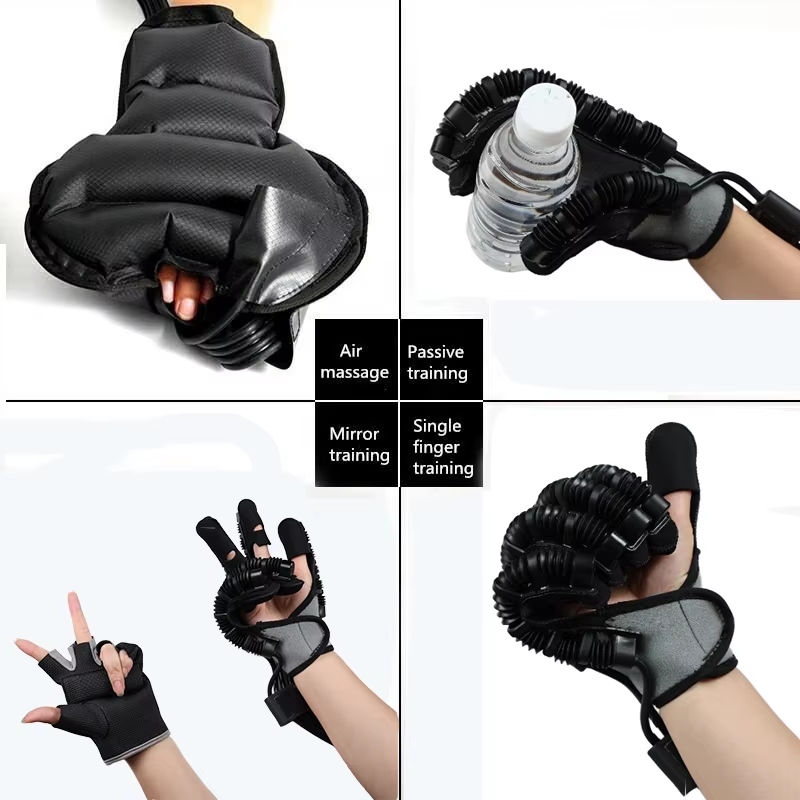
Fysioterapiakeskukset, jotka ottavat käyttöön kuntoutuskäsineet, saavuttavat usein merkittäviä parannuksia potilastulossa ja hoitotehokkuudessa. Nämä laitteet mahdollistavat sen, että terapeutit voivat hoitaa useita potilaita samanaikaisesti säilyttäen korkeat hoitolaatustandardit. Kuntoutuskäsineiden automatisoitu luonne mahdollistaa johdonmukaisen hoidon tarjoamisen myös silloin, kun terapeutin huomio on jakautunut useiden potilaiden kesken.
Kuntoutus käsineiden tuomat tehokkuusetuudet muuttuvat suoraan fyysisten kuntoutuskeskusten lisääntyneeksi tulonmuodostusmahdollisuudeksi. Keskukset voivat ottaa päivässä hoitoon enemmän potilaita samalla kun kustannukset istunnosta vähenevät, mikä luo edulliset taloudelliset olosuhteet, jotka tukevat liiketoiminnan kasvua ja laajentumista. Nämä laitteet moninkertaistavat käytännössä fysioterapeutin tuottavuuden kompromissitta hoitolaatua.
Vakuutusyhtiöiden korvausjärjestelmä ja dokumentointi
Vakuutusyhtiöt tunnustavat yhä enemmän kuntoutuskäsineiden arvon potilaiden parempien hoitotulosten saavuttamisessa, mikä johtaa parantuneisiin korvausprosentteihin niille keskuksille, jotka käyttävät näitä teknologioita. Nämä laitteet tuottama objektiivinen tieto tukee vaatimusasiakirjojen laatimista ja osoittaa lääketieteellistä tarvetta tehokkaammin kuin perinteiset hoitodokumentit yksinään.
Fysioterapiakeskukset, jotka käyttävät kuntoutus käsineitä, ilmoittavat vähemmistä vakuutusvaatimusten hylkäyksistä ja nopeammasta hyväksyntäprosessista. Nämä laitteet tarjoavat määritettäviä edistymismittauksia, jotka täyttävät vakuutusyhtiöiden vaatimukset jatkuvan hoidon luvan saamiseksi, mikä varmistaa keskeytymättömän hoitojen jatkumisen potilailla, joille tarvitaan pidempiä kuntoutusjaksoja.
Tulevat kehitykset ja teknologiset edistysaskeleet
Tekoälyn integrointi
Seuraavan sukupolven kuntoutuskäsineisiin integroidaan tekoälyalgoritmejä, jotka säätävät hoitoparametrejä automaattisesti reaaliaikaisen potilastiedon perusteella. Nämä älykkäät järjestelmät oppivat yksilöllisiä potilasmalleja ja optimoivat hoitotilanteet suurimman tehokkuuden saavuttamiseksi. Tekoälyn integrointi lupaa tehdä kuntoutuskäsineistä vielä arvokkaampia työkaluja fysioterapiakeskuksille, jotka pyrkivät tarjoamaan henkilökohtaista hoitoa laajalla mittakaavalla.
Tulevaisuuden kuntoutus käsineissä käytettävät koneoppimisen ominaisuudet mahdollistavat ennakoivan analytiikan, joka ennustaa potilaan toipumispolkua ja tunnistaa mahdollisia komplikaatioita ennen niiden syntymistä. Tämä ennakoiva lähestymistapa kuntoutushoidon hallintaan auttaa fysioterapiakeskuksia estämään takaiskuja ja optimoimaan hoitoaikatauluja paremman potilastyytyväisyyden ja kliinisten tulosten saavuttamiseksi.
Langaton yhteys ja etävalvonta
Uudet kuntoutuskäsineet sisältävät langattoman yhteyden, joka mahdollistaa etäseurannan ja kotikuntoutuksen ohjelmat. Fysioterapiakeskukset voivat laajentaa hoitopalveluidensa kantamaa tarjoamalla potilaille mukana otettavia laitteita, jotka varmistavat terapeuttisen jatkuvuuden klinikkavierailemisten välillä. Tämä ominaisuus on erityisen arvokas maaseutualueilla asuville potilaille tai niille, joilla on liikuntarajoituksia.
Etäseurantamahdollisuudet mahdollistavat terapeuttien seurata potilaiden noudattamista hoitosuunnitelmasta ja edistymistä kliinisen ympäristön ulkopuolella, mikä mahdollistaa tarkemmat hoitosuunnitelman säätökset seurantatapaamisissa. Tämä laajennettu valvonta auttaa varmistamaan, että potilaat pitävät kiinni hoitotavoitteistaan ja saavuttavat parhaat mahdolliset toipumistulokset myös silloin, kun he eivät ole fyysisesti läsnä hoitokeskuksessa.
UKK
Kuinka kauan tyypillinen kuntoutuskäsineiden hoitotapaaminen kestää
Tyypillisten kuntoutuskäsineiden hoitotapaamisten kesto vaihtelee 20–45 minuutin välillä riippuen potilaan sairauden vakavuudesta ja sietokyvystä. Alkuvaiheen tapaamiset ovat yleensä lyhyempiä, jotta potilaat voivat tottua laitteeseen, kun taas edistyneemmissä vaiheissa tapaamiset voivat kestää pidempään, kun potilaat lisäävät kestävyyttään. Terapeutit mukauttavat tapaamisten kestoa yksilöllisten potilastarpeiden ja edistymisen arviointien perusteella.
Soveltuvatko kuntoutuskäsineet lapsipotilaille
Monet kuntoutuskäsineiden mallit on suunniteltu säädettävällä koonvalinnalla, joka soveltuu lasten potilaiden käyttöön, vaikka tarkat ikä- ja kokorajoitukset vaihtelevat valmistajan mukaan. Lasten kanssa työskentelevien fysioterapiakeskusten tulisi tarkistaa laitteen tekniset tiedot ja varmistaa oikea istuvuus ennen käyttöönottoa. Lasten käyttö edellyttää usein muokattuja hoitoprotokollia ja tiukempaa valvontaa turvallisuuden ja tehokkuuden varmistamiseksi.
Mitkä ovat kuntoutuskäsineiden huoltovaatimukset
Kuntoutushansit vaativat säännöllistä puhdistusta ja desinfiointia potilaiden välillä sekä ajoittaisia kalibrointitarkistuksia tarkkuuden säilyttämiseksi. Useimmat laitteet sisältävät pesettäviä osia ja antimikrobisia materiaaleja, jotta tartuntatautien ehkäisyprotokollat voidaan toteuttaa tehokkaasti. Fysioterapiakeskusten tulisi laatia huoltoajataulut, jotka sisältävät päivittäisen puhdistuksen, viikoittaiset suorituskykytarkistukset ja kuukausittaisen ammattimaisen huollon laitteen optimaalisen toiminnan varmistamiseksi.
Kuinka kuntoutuskäsineet vertautuvat perinteisiin käsiterapiamenetelmiin
Kuntoutuskäsineet tarjoavat johdonmukaista ja mitattavaa kuntoutusta, joka täydentää perinteisiä käsikuntoutusmenetelmiä eikä korvaa niitä. Vaikka manuaaliset kuntoutusmenetelmät mahdollistavat henkilökohtaisen arvioinnin ja hoitoa, kuntoutuskäsineet tarjoavat standardoidut toistuvat harjoitukset, joita ei voida saavuttaa pelkästään manuaalisilla menetelmillä. Molempien lähestymistapojen yhdistelmä tuottaa yleensä parempia tuloksia kuin kumpikaan menetelmä erikseen käytettynä.