EN
EN


עייפות הרגליים הפכה לדאגה שכיחה הולכת וגוברת בקרב עובדים, ספורטאים ואנשים רגילים שמשלמים תקופות ארוכות על רגלייהם או בפוזיציות ישיבה. אורח החיים המודרני מחייב לעתים קרובות שעות ארוכות של עמידה, הליכה או ישיבה, מה שמביא להפרעות בהקף הדם, מתח שרירים וכאבים מתמשכים באיברים התחתונים. בין הפתרונות הטיפוליים השונים הזמינים היום, מַאֲשֵׁךְ דְּחִיקַת אוֹיר נכנס לשוק כטכנולוגיה מבטיחה המשלבת נוחות עם יתרונות טיפוליים כדי להתמודד בצורה יעילה עם הבעיות הנפוצות הללו.
המדע מאחורי טיפול דחיסה חזרה של עשורים, עם רופאים שמכירים בערכה בשיפור זרימת הדם ופחתת התנפחות. מסאז'רים דחוסי אוויר מייצגים את האבולוציה של גישה טיפולית מוכחת זו, ומאפשרים טיפול ברמה מקצועית לשימוש ביתי. המכשירים הללו משתמשים בכיבוי צ pneumטי סדרתי כדי לעורר את הזרימה, להפחית את מתח השרירים ולשפר את זמן ההתאוששות מהמתח הפיזי היומי. הבנת אופן פעולתם של המכשירים המתקדמים הללו והטבותיהם הפוטנציאליות עוזרת לאנשים לקבל החלטות מושכלות בנוגע לכליל טיפולי דחיסה לתוכנית הבריאות שלהם.
הבנת טכנולוגיית דחיסת האוויר
עקרונות דחיסה פנאומטית
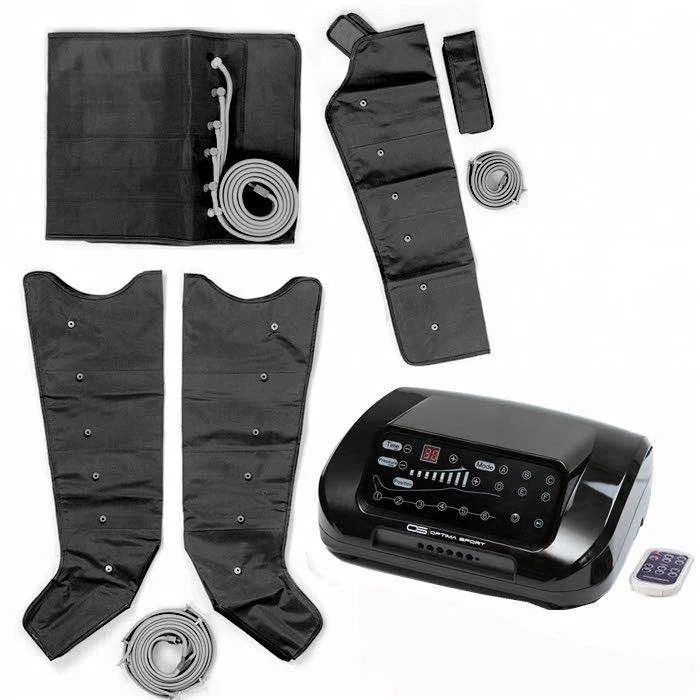
מסאג'רים פנאומטיים פועלים על פי עיקרון הלחיצה האווירית, הכוללת ניפוח ושפיכת מיטראות אווריר הממוקמות סביב הרגליים וה발ים. לחץ מחזורי זה מדמה את ההתכווצויות השריריות הטבעיות המתרחשות במהלך פעילות גופנית, ומחזק באופן יעיל את החזר הורידי ואת הזרימה הלימפטית. האופי הסדרתי של הלחיצה מבטיח שהנוזלים זזים בכיוון הנכון – מהExtremities לכיוון הלב – ומקסם בכך את היתרונות הטיפוליים.
הטכנולוגיה שמאחורי ההתקנים האלה כוללת חיישני לחץ מתקדמים ומנגנוני זמנים המגדירים את עוצמת משך כל מחזור לחיצה. מודרניים מַאֲשֵׁךְ דְּחִיקַת אוֹיר היחידות מצוידות בהגדרות לחץ מרובות, המאפשרות למשתמשים להתאים אישית את חווית הטיפול בהתאם לרמות הנוחות והצרכים הטיפוליים האינדיבידואליים שלהם. בקרת דיוק זו מבטיחה שהלחץ המופעל יישאר בתוך תחומי אזור בטוח ויעיל, תוך סיפוק תוצאות עקביות עבור פרופילים ומצבים קליניים שונים.
דפוסי דחיסה סדרתיים
יעילותו של מכשיר עיסוי דחיסה תלויה במידה רבה ביכולתו לספק דפוסי דחיסה עוקבים המשחזרים תהליכים פיזיולוגיים טבעיים. דפוסים אלה מתחילים בדרך כלל בכפות הרגליים ומתקדמים כלפי מעלה דרך השוקיים והירכיים, ויוצרים תנועה דמוית גל המעודדת זרימת דם תקינה. דגמים מתקדמים משלבים תאי דחיסה מרובים המופעלים ברצפים מדויקים, ומבטיחים כיסוי מקיף והשפעה טיפולית אופטימלית על פני כל הגפה התחתונה.
מחקרים הראו שדחיסה סדרתית יעילה בהרבה יותר מאשר דחיסה סטטית לשיפור הזרימה הדם והפחתת נפיחות. יישום הלחץ המדורג עוזר למנוע הצטברות של דם ברגליים התחתונות ובמקביל מפעיל את מנגנון משאבת השרירים שתומך בשיבה ורידית. גישה מתוחכמת זו לתרפיית דחיסה מבדילה בין מסאז'רים מקצועיים מבוססי אויר לבין התקני מסאז' פשוטים יותר שמספקים רק עירור שטחי, מבלי להתייחס לבעיות זרימה קיימות.
הטבות פיזיולוגיות של טיפול בהלחצה
שיפור הזרמה וזרימת הדם
אחת מהיתרונות הטיפוליים המרכזיים בשימוש במכשיר אמבט מריחת אויר היא ההשפעה העמוקה שלה על תפקוד הזרימה הדם. מחזורי המריחה והפחתה מחזוריים עוזרים להתגבר על כוחות הכבידה שיכולים לפגוע בהחזרת הורידים, במיוחד chez אנשים שבילו תקופות ארוכות בפוזיציות עמידה. על ידי סיוע מכני למערכת הזרימה, המכשירים הללו עוזרים להבטיח אספקה מספקת של חמצן וחומרי תזונה לרקמות השרירים, ובמקביל מקדמים את הסרת מוצרי הפסולת המטבוליים שתרמו לעייפות ולתחושת אי נוחות.
מחקרים קליניים הראו באופן עקבי כי שימוש קבוע בטיפול דחיסה יכול להוביל לשיפורים מדידים בפרמטרים חלביים שונים, כולל מהירות ורידית, זרימת דם ארטיריאלית ותפקוד וסקולרי כללי. שיפורים אלו מתבטאים בהפחתת תסמינים של דיספנציה ורידית כרונית, בהפחתת הסיכון ליצירת קרישים ובהגברת ההתאוששות מאימוץ גופני. עבור אנשים עם תפקוד חלבי מופרע עקב גיל, מצבים רפואיים או גורמים של סגנון חיים, מסאג׳ר דחיסה אוירי יכול לשמש כהשלמה יקרה לטיפולים רפואיים קונבנציונליים.
שיקום שרירים והקלת מתח
ההרגשה המכנית שמספקות מסאג'ות דחיסה של אוויר עוקבת מעבר להטבות בהפרשה וכוללת השפעות משמעותיות על שיקום רקמות השרירים והפחתת מתח. יישום הלחץ הריתמי עוזר לפצל חיבורים ברקמת הפאסקיה, להפחית קשיחות שרירים ולשפר את הסילוק של תוצרי לוואי דלקתיים שמתרכזים לאחר פעילות גופנית ערה או מיקום סטטי ממושך. גישה מקיפה זו לשיקום שרירים הופכת את טיפול הדחיסה לערך ייחודי עבור ספורטאים, עובדים ידניים ואנשים הנמצאים בתהליך שיקום מפציעות באיברים התחתונים.
השינויים בלחץ שנוצרים על ידי מסאג'ר דחיסה אוירית מפעילים גם את המקרורספטורים בעור ולayers העמוקות יותר, ומעוררים תגובות נוירולוגיות שיכולות לעזור להפחית את תפיסת הכאב ולשפר את הריכוז. מנגנון שער זה, שהוכן היטב בספרות בתחום ניהול הכאבים, מסביר מדוע רבים מהמשתמשים חווים הקלה מיידית מכאבי רגליים ועייפות לאחר טיפולים של טיפוח דחיסה. שילוב של יתרונות מכניים ונוירולוגיים יוצר אפקט סינרגיסטי שפוגע בכמה היבטים של עייפות הרגליים בו זמנית.
יישומים קליניים והכרה רפואית
אינטגרציה בריאותית
הקהילה הרפואית מכירה ביתר שאת בערך הטיפולי של טיפול דחיסה, ורבות ממעריכי הבריאות ממליצים כיום על מסאג'רים עם דחיסת אוויר כחלק מהפרוטוקולים הטיפוליים המורכבים למגוון מצבים צירקולריים והשלד-שרירים. קליניקות פיזיותרפיה, מתקני רפואת ספורט ומراكז שיקום משולבים באופן שגרתי את המכשירים האלה בתוכניות הטיפול שלהם, תוך הכרה ביכולתם להשלים את הערפלים הטיפוליים המסורתניים, ומספקים למטופלים אפשרויות טיפול נוחות בבית.
ספקי שירותי בריאות מעריכים במיוחד את היתרונות האובייקטיביים והמדידים שтерפיית דחיסה מספקת, שכן תוצאות אלו ניתן לרשום ולעקוב אחריהן לאורך זמן על מנת להעריך את יעילות הטיפול. אופיו הלא פולשני של המassage דחיסה אוירית הופך אותו מתאים לטווח רחב של חולים, כולל אלה שאינם יכולים להיות מועמדים לאמצעי התערבות אגרסיביים יותר. ישום נרחב זה הוביל להגדלת ההטבות הביטוחיות לצורך במכשירי דחיסה במערכות בריאות רבות, ובכך משקף את ערכם הרפואי המוכר.
מחקר מבוסס ראיות
מחקר קליני רחב היקף אימת את יעילותם של טיפולים באמצעות דחיסה פנאומטית בתחומים טיפוליים מרובים. ניסויים מבוקרים מקרנים הדגימו שיפורים משמעותיים בתסמינים הקשורים לאי-ספיקת ורידים כרונית, לדמדום ולתקופת ההתאוששות לאחר פעילות גופנית, כאשר טיפול במכונת מסאז' באוויר משולב בתכניות הטיפול. מחקרים אלו מדגימים באופן עקבי שיפורים מדידים בפרמטרים אובייקטיביים כגון נפח הطرف, ציונים של כאב ומדדי איכות חיים.
הראיות המחקריות התומכות בטיפול בלחיצה ממשיכות לגדול, ומחקרים אחרונים חוקרים את יישומיה ברפואה מונעת, שיפור ביצועים ספורטיביים וניהול מחלות כרוניות. ניתוחים מטה של מחקרים על טיפול בלחיצה אישרו את פרופיל הבטיחות והיעילות הטיפוליים שלו, ונותנים לבתי חולים את האמון להמליץ על המכשירים הללו למטופלים המתאימים. בסיס ראיות עשיר זה מבדיל בין מכשירי טיפול בלחיצה לגיטימיים לבין גאדג'טים רפואיים לא מוכחים, ומבטיח למשתמשים שהם יכולים לסמוך על היתרונות המאושרים מדעית.
יישום מעשי והנחיות שימוש
פרוטוקולים מיטביים לטיפול
למаксם את היתרונות של מדיח לחץ אויר יש להבין את פרוטוקולי השימוש הנכונים ופרמטרי הטיפול. 대부분 המדריכים הקליניים ממליצים על סיבובי טיפול הנמשכים בין חמש עשרה לשלושים דקות, בתדירות שתלויה בצרכים האישיים והיעדים הטיפוליים. לטובת בריאות כללית ולמניעת תשישות, סיבובים יומיים עשויים להיות מתאימים, בעוד שאנשים עם תנאים רפואיים מסוימים יוכלו להפיק תועלת מפרוטוקולים אינטנסיביים יותר שפותחו בתייעצות עם ספקי שירותי בריאות.
זמני הטיפול בתרפיית דחיסה יכולים להשפיע משמעותית על היעילות שלהם. רבים מהמשתמשים מגלים שטיפול בערב עוזר להפיג את השפעותיו של המתח היומיומי הנגרם על ידי כוח המשיכה ומעודד רוגע לפני השינה. אחרים מעדיפים טיפול לאחר פעילות גופנית כדי להאיץ את התאוששות הגוף ולצמצם את כאבי השרירים שמתפתחים לאחר אימון. הגמישות של התקני מסאז' דחיה אוויר מודרניים מאפשרת למשתמשים להתאים את לוחות הטיפול שלהם לסגנון החיים והצרכים הטיפוליים האישיים שלהם, תוך שמירה על היתרונות הטיפוליים באופן עקבי.
היבטי בטיחות והסתייגויות
בעוד מסאג'רים מבוססי דחיסה אוירית הם בדרך כלל בטוחים לרוב המשתמשים, ישנן תחלואות מסוימות הדורשות שיקול דעת ויעוץ מקצועי לפני תחילת טיפול בדחיסה. אנשים עם תסביך ורידי עמוק פעיל, מחלת עורק חמורה או זיהום חריף צריכים להימנע מטיפול בדחיסה עד שהתנאים הללו יטופלו כראוי. בנוסף, משתמשים עם סוכרת, נוירופתיה פריפרית או מחלות עור צריכים לעבוד צמוד עם ספקי שירותי בריאות כדי להבטיח שימוש בטוח ומותאם במכשיר.
בחירת התקן המתאים והתקנתו נכון היא קריטית הן לבטיחות והן לאפקטיביות. על המשתמשים להבטיח שחליפות או שרוולים לקומפרסיה מתאימים היטב ולא יוצרים לחץ מוגזם או מגבילים את הזרימה של הדם. בדיקה תקופתית של העור ומעקב אחר תגובות לא רצויות מסייעים לשמור על שימוש בטוח. הבנת שיקולי הבטיחות האלה מאפשרת למשתמשים ליהנות מהיתרונות של מסאז' קומפרסיה אוירית, תוך מינימום של סיכונים וסיבוכים פוטנציאליים.
שאלות נפוצות
כמה זמן לוקח לראות תוצאות מהשימוש במכשיר מסאז' קומפרסיה אוירית?
מרבית המשתמשים מרגישים הקלה מיידית על עייפות הרגליים ותחושת אי הנוחות כבר במהלך ההפעלה הראשונה של טיפול הדחיסה. עם זאת, התועלת המצטברת של שיפור הזרימה הדם והפחתת מתח השרירים הופכת ליותר בולטת לאחר שבוע עד שבועיים של שימוש קבוע. עבור אנשים עם מחלות כרוניות או תסמינים חמורים, ייתכן שייקח מספר שבועות של טיפול עקבי כדי להשיג תוצאות אופטימליות. המפתח הוא בהמשך דפוסי השימוש באופן קבוע, כפי שמומלץ על ידי יצרן המכשיר או ספק שירותי הבריאות.
האם ניתן להשתמש במספרגי דחיסה אוירית אצל אנשים עם מחלות רפואיות?
מסאג'רים דחיסת אויר יכולים להיות מועילים לרבים עם מצבים רפואיים, אך יש צורך להתייעץ עם ספק שירותי בריאות לפני תחילת הטיפול. מחלות כמו כשל וеноז כרוני, לדמת, ומẹהמאים של סוכרת עלולים להנות מהטיפול בדחיסה כאשר הוא מ overseen כראוי. עם זאת, מconditions מסוימות כמו קרישים פעילים, כשל לב חמור או זיהומים חריפים עלולים לפסול את השימוש בטיפול בדחיסה. אנשי מקצוע בתחום הבריאות יכולים להעריך את המצב האישי ולספק הדרכה מתאימה.
אילו תכונות עליי לחפש בעת בחירת מסאג'ר דחיסת אויר?
מאפיינים עיקריים שחשוב לקחת בחשבון כוללים הגדרות לחץ מרובות לאינטנסיביות ניתנות להתאמה, דפוסי דחיסה סדרתיים שמתקדמים מהרגליים לירכיים, שטח כיסוי מספיק לטיפול מקיף, ופקדי בקרה ידידותיים למשתמש להפעלה קלה. מודלים שפועלים על סוללות מציעים ניידות ונוחות גדולות יותר, בעוד שערכות זמן מובנות מבטיחות משך טיפול מתאים. בנייה באיכות גבוהה, חיישני לחץ אמינים ותמיכה ללקוחות טובה הם גם כן גורמים חשובים שתרמו לשביעות רצון ארוכת טווח וליעילות תרפואית.
האם זה בטוח להשתמש במסרק לחץ אויר כל יום?
לأغلب האנשים הבריאים, שימוש יומי במכשיר עיסוי דחיסה אוירית הוא בטוח ומועיל, כל עוד נ 준 להנחיות היצרן ומשך זמן השימוש המומלץ. שימוש קבוע יכול לעזור בשמירה על הזרמה אופטימלית, למנוע הצטברות עייפות ברגליים ולתמוך בבריאות כללית של איברי הרגל. עם זאת, אנשים עם מחלות מסוימות צריכים לפעול על פי ההנחיות של ספק שירותי הבריאות שלהם בנוגע לתדירות ומשך השימוש. מומלץ להתחיל בשימוש קצר ונדיר יחסית, ולהגביר בהדרגה את משך הזמן, כדי לאפשר לגוף להסתגל לתרפיית הדחיסה ולמזער כל אי נוחות פוטנציאלית.