EN
EN

תקופת ההתאוששות לאחר ניתוח מהווה שלב קריטי שבו חולים מחפשים שיטות יעילות להאצת התאוששות תוך מינימום של אי נוחות וסיבוכים. גישות מודרניות לתרפיה תחת הניהול מטפלים בהדרגה בטכנולוגיות טיפול מתקדמות התומכות בתהליכי ההתאוששות הטבעיים של הגוף. בין פתרונות חדשניים אלו, התרומטותרפיה עלתה כהתקדמות משמעותית בתרפיה לאחר ניתוח, ומציעה יתרונות ממוקדים המטפלים במספר תחומים של התאוששות לאחר ניתוח. שילוב של ציוד מיוחד בפרוטוקולי התאוששות שינה את פני האופן שבו נותני שירותי בריאות מתקרבים לשיקום החולה, ומאפשר שיפורים מוחשיים בהקף הזרימה, בש principalColumn הלימפה, ובתחושת הנוחות הכוללת במהלך תהליך ההתאוששות.
הבנה פרסותרפיה טכנולוגיה בהחלמה רפואית
עקרונות מדעיים מאחורי התרומטותרפיה
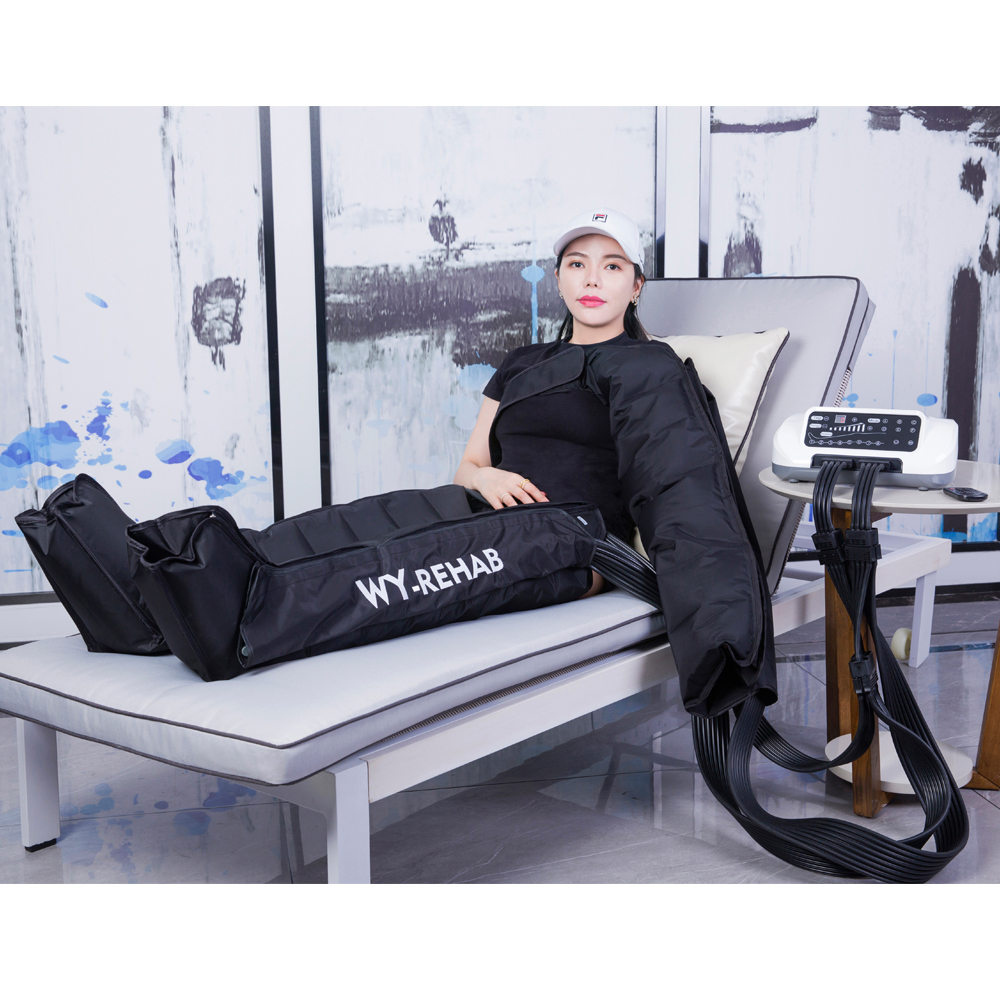
פריסותרפי פועלת על פי עקרונות פיזיולוגיים מוכחים שמושתתים על יישום לחץ מבוקר כדי לעורר את המערכות הסיבובית והלימפטית. הטכנולוגיה משתמשת בלחיצה דחפתית סדרתית באמצעות בגדי ייעוד שמתנפחים ומשתטחים בתבניות מוגדרות מראש. פעולה מכנית זו מדמה את ההתכווצויות השריריות הטבעיות שמתרחשות בדרך כלל במהלך פעילות גופנית, ומעודדת באופן יעיל את תנועת הנוזלים בגוף כאשר למטופלים יש תנועתיות מוגבלת לאחר הליך ניתוחי.
המנגנון הטיפולי כולל לחץ דחוי מדורג המתחיל בדיסטל ועובר לפרוקסימל, ומעודד את החזרה הוורידית ואת זרימת הלימפה לכיוון הלב. מחקר מראה שפעולת הלחץ המבוקרת יכולה להגביר משמעותית את קצב ההקפה, להפחית הצטברות נוזל בין התאים ולזרז את הסילוק של תוצרי פסולת מטבולית שמתהווים בתהליכי שיקום של הרקמות. זמני הפעלה מדויקים וגרדיאנטי לחץ שמושגים באמצעות ציוד מודרני של תרפיית לחץ מבטיחים תועלות טיפוליות אופטימליות, תוך שמירה על נוחות המטופל לאורך כל מושב הטיפול.
יישומים רפואיים בטיפול לאחר ניתוח
מאותחלים רפואיים מזהים באופן גובר את הפרסותרפיה כהשלמה יקרה למנהלי טיפול לאחר ניתוח. הטיפול פועל על מספר קשיים נפוצים לאחר ניתוח, כולל דימום ורידי, חסימת מערכת הלימפה ודרכי זרימה מופחתות שיכולות להקשות על תהליך ההחלמה. הליכים ניתוחיים לעתים קרובות גורמים לפגיעת רקמות ולתגובות דלקתיות שמגבילות זמנית את דינמיקת הנוזלים הרגילה, ומייצרות תנאים שבהם טיפול חיצוני טיפול דחיסה מספק ערך טיפולי משמעותי.
יישומים קליניים משתרעים על פני תחומים רפואיים רבים, החל מניתוחי אורתופדיה הכוללים החלפת מפרקים ועד ניתוחי פלסטיקה הדורשים זרימה מיטבית של רקמות. היכולת של ציוד הפרסותרפיה להתאים פרמטרים של טיפול בהתאם לאתר הניתוח, למצב המטופל וליעדי ההחלמה, מבטיחה שכל מטופל יקבל טיפול ממוקד המתאים לצרכיו הייחודיים ותומך במטרות ההחלמה הכוללות.
שיפור הזרימה ותמיכה במערכת הלימפה
שיפור זרימת הדם לאחר ניתוח
שיפור הזרימה לאחר ניתוח מייצג אחת מהיתרונות החשובים ביותר שמציע הפרסותרפיה. ניתוחים גורמים בהכרח להפרעה ברקמות ולתגובה דלקתית שעלולה לפגוע זמנית בדפוסי הזרימה הרגילים של הדם. הלחיצה המנוטרת שמייצרת מכונה טריפתורפיה עוזר ללחום באלו השפעות על ידי סיוע מכני בחזרה ורידית ובהגברת הזרימה העורקית באזורים הנגועים.
שדרוג הזרימה מספק מספר יתרונות טיפוליים במהלך תקופות ההחלמה. שיפור בזרימת הדם מגדיל את אספקת החמצן והחומרים המזינים לרקמות המתרפאות, ובמקביל מסיר פסולת חילוף חומרים שיכולה להצטבר בתהליכי התיקון. אופטימיזציה של פרוסיה ברקמות יוצרת תנאים מועדפים לרגינרציה תאית ולתהליכי ריפוי של פצעים, מה שיכול לקצר את משך ההחלמה ולשפר את התוצאות הניתוחיות בכלל.
אופטימיזציה של ניקוז לימפה
המערכת הלימפתית ממלאה תפקיד חשוב בהחלמה לאחר ניתוח על ידי שימור איזון הנוזלים בין התאים ותמיכה בפעילות החיסונית. טראומה ניתוחית לעתים קרובות משבשת את דפוסי הזרימה הלימפתית הרגילים, מה שמביא להצטברות נוזלים והinch swollen שיכולה לגרום לאי נוחות ולעיכוב בתהליך ההחלמה. ציוד הפרסטותרפיה מספק תמיכה ממוקדת לדренאז לימפה באמצעות דפוסי דחיסה סדרתיים שמעודדים תנועת נוזלים לאורך הנתיבים הלימפטיים הטבעיים.
Дрנаж לימפה יעיל מפחית נפיחות לאחר ניתוח תוך תמיכה בתהליכי הסילוק של חומרי פסולת טבעיים בגוף. הסרת נוזל בין התאים העודף עוזרת לצמצם את מתח הרקמות ואי הנוחות, ובמקביל יוצרת תנאים אופטימליים למכניזמי התיקון התוך-תאיים. בנוסף, שיפור בתפקוד הלימפה מחזק את יעילות מערכת החיסון, ובכך עלול להפחית את הסיכון לזיהומים ולתמוך בהתקדמות ההחלמה הכוללת, באמצעות שיפור בכושר הסילוק של פתוגנים וחומרי פסולת.
הפחתת נפיחות וניהול כאב
בקרת אדמתה לאחר ניתוח
נפיחות לאחר ניתוח מהווה סיבוך שכיח שיכול להשפיע משמעותית על הנוחות של המטופל ועל תהליך ההחלמה. היווצרות האדמתה נובעת מתגובות דלקתיות, דפוסי הזרמה מוטרדים ודרכי ניקוז לימفاטיים פגועים, שכולם שכיחים לאחר הליך ניתוחי. טיפול בפרסטרפי מספק ניהול יעיל של נפיחות לאחר ניתוח באמצעות לחץ מבוקר שממריץ את התפזרות והסרת הנוזלים מהרקמות השטויות.
הגישה השיטתית לצמצום אדמת באמצעות ציוד פרסטותרפיה מציעה יתרונות על פני שיטות דחיסה מסורתיות. מחזורי לחץ אוטומטיים מבטיחים אספקת טיפול עקבי תוך מתן אפשרות להתאמות מדויקות של פרמטרים בהתאם לתגובות המטופל ולتقدم בהחלמה. גישה מבוקרת זו לניהול נפיחות עוזרת לשמור על תנועתיות הרקמות והراיה, ובמקביל מונעת סיבוכים הקשורים לאדמת ממושכת, כגון פיברוזיס ברקמות או פגיעה ביכולת ההחלמה.
מנגנוני ריפוי טבעיים לכאבי
ניהול כאב מהווה רכיב קריטי של טיפול לאחר ניתוח שמשפיע ישירות על שביעות הרצון של המטופל ותוצאות ההחלמה. טיפולים בפרסותרפיה מספקים הקלה טבעית מכאבים באמצעות מנגנונים מרובים המשלימים גישות אנאלגטיות מסורתיות. הלחיצה העדינה ושינויי הלחץ הריתמיים מפעילים מקרורים מכניים שיכולים לסייע במתן אותות הכאב לפי עקרונות תיאוריית השער, ומספקים הקלה טיפוחית ללא התערבות פרמצבטית.
האפקט האנאלגזי של התרмотופיה איננו מוגבל לשינוי תחושתי מיידי, אלא גם פועל על גורמים בסיסיים שגורמים לעייפות לאחר ניתוח. הפחתת נפיחות מפחיתה את לחץ הרקמה ומתח שרירים שגורם לכאביים לאחר הליך kirurgi. שיפור בהסחפה מסייע להסיר מדיאטורים דלקתיים ופסולת מטבולית שיכולים לגרום לגירוי של קולטני כאב, ויוצר גישה מקיפה לניהול נוחות שתומכת הן בהקלתה מיידית והן בהתקדמות בריאה ארוכת טווח.
נושאי בטיחות ואפיון טיפול
בחירת מטופל וניגודי עניין
בחירת מטופלים מתאימה מייצגת היבט בסיסי ביישום בטוח של פרסותרפיה במסגרות לאחר ניתוח. ספקי שירותי בריאות חייבים להעריך בקפידה את מצבם של המטופלים, אתרי הניתוח ואת ההיסטוריה הרפואית שלהם כדי לקבוע את התאמת הטיפול. מצבים רפואיים מסוימים עשויים להצביע על התווית נגד לשימוש בפרסותרפיה, כולל פקקת פעילה, בעיות לב חמורות או פגיעה במחזור הדם שעלולה להיפגע לרעה מלחץ חיצוני.
הערכה מקיפה של המטופל צריכה לכלול הערכת אתרי ניתוח, מצב ריפוי פצעים וכל סיבוך שעלול להשפיע על הבטיחות או היעילות של הטיפול. שיתוף פעולה בין צוותי ניתוח ומומחים לשיקום מבטיח שההשתלבות של פרסותרפיה תואמת את מטרות הטיפול הכוללות, תוך שמירה על ביטחון המטופל לאורך תקופות ההחלמה. ניטור והערכה מתמשכים מאפשרים שינוי בטיפול בהתאם להתקדמות בריפוי ולצרכים משתנים של המטופל.
פרמטרים וזמנים אופטימליים לטיפול
התקנת פרוטוקולי טיפול מתאימים דורשת שיקול של גורמים מרובים, כולל סוג הניתוח, מצב המטופל ושלב ההחלמה. ישיבות פרסותרפיה מתחילות בדרך כלל בימים הראשונים לאחר הניתוח, ברגע שמתרחשת סtabיליזציה ראשונית של הפצע ומתקבלת הסכמת רפואית. משך ועוצמת הטיפול צריכים להתאים באופן הדרגתי בהתאם לסבלנות המטופל ולתגובות טיפוליות, עם ניטור זהיר של כל תופעות לוואי או סיבוכים.
פרוטוקולי טיפול אפקטיביים כוללים לעתים קרובות מספר ישיבות ביום במהלך שלבי ההתאוששות הראשוניים, עם הפחתה הדרגתית בתדירות ככל שמתבצעים התקדמויות בהחלמה. הגדרות הלחץ, משך המחזור ודפוסי הלחיצה צריכים להתאים אישית בהתאם לאזורים המטופלים והתגובות של המטופל. תיעוד של פרמטרי טיפול והתגובות של המטופל עוזר לאופטמיזציה של הפרוטוקולים ומבטיח אספקת טיפול עקיבה לאורך תקופות ההתאוששות, תוך שמירה על תקנים של בטיחות ואפקטיביות.
ראיות קליניות וממצאי מחקר
מחקרים התומכים ביישומים לאחר ניתוח
ספרות מדעית תומכת באופן גובר בהיבטים הטיפוליים של פרסותרפיה ביישומים של שיקום לאחר ניתוח. מחקרים קליניים מראים שיפורים משמעותיים בפרמטרים של הזרמה, הפחתה בזמן השימום והגברת נוחות המטופל כאשר טיפולים בפרסותרפיה משולבים בפרוטוקולים לטיפול לאחר הניתוח. ממצאי המחקר מראים עקביות בשיפורים מדידים בתחומים רבים של ניתוח, ומספקים תמיכה מבוססת ראיות ליישום הטיפול.
מחקרים השוואתיים שמעריכים את התרופה באמצעות לחץ לעומת שיטות דחיסה מסורתיות מגלים תוצאות טובות יותר במונחים של עקביות טיפול, שיתוף פעולה של המטופל ויעילות טיפולית. היכולת לשלוט בצורה מדויקת בפרמטרי הלחץ ובזמן הטיפול באמצעות מערכות אוטומטיות מספקת יתרונות שתרמו לשיפור תוצאות ההחלמה. מחקרים ארוכי טווח מציינים על יתרונות מתמשכים מתערבות מוקדמות בתרופה באמצעות לחץ, כולל הפחתת סיבוכים ושיפור תוצאות פונקציונליות.
מדדי תוצאה ומאשפי הצלחה
מדידה אובייקטיבית של יעילות הטיפול תלויה במציינים קליניים מוכרים שמשקפים את התקדמות ההתאוששות ואת היתרונות הטיפוליים. פרמטרי הערכה נפוצים כוללים מדידות היקף האיברים כדי להעריך הפחתה בتورמים, ציוני כאב באמצעות כלים מאומתים להערכה, ומחקרים של הזרמת הדם כדי למסור על שיפור בתנועת הדם. מדידות כמותיות אלו מספקות ראיות אובייקטיביות ליעילות הטיפול, ובנוסף תומכות בתהליכי קבלת החלטות קליניות.
תוצאות שנצברו מהמטופל מייצגות מדדי חשובים של הצלחת טיפול, הכוללים רמות נוחות, יכולת תפקודית ושביעות רצון כללית מתקופת ההחלמה. שילוב של מדידות אובייקטיביות והערכות סובייקטיביות מספק הערכה מקיפה של יעילות הפרסותרפיה, ותומך בשינויי טיפול המבוססים על ראיות. תיעוד התוצאות תורם למשיבת המחקר הקיימת ועוזר להקים שיטות עבודה מומלצות ליישום פרסותרפיה בסביבות טיפול לאחר ניתוח.
שילוב בתוכניות שיקום מקיפות
גישה רב-תחומית לטיפול לאחר ניתוח
החלמה מודרנית לאחר ניתוח מדגישה גישה רב-תחומית המשלבת אמצעי טיפול שונים להשגת תוצאות אופטימליות למטופלים. ציוד הפרסותרפיה מהווה רכיב חשוב בתוכניות טיפול מקיפות הכוללות פיזיותרפיה, תמיכה תזונתית ואמצעי רפואה מסורתיים. גישה משולבת זו מבטיחה שכולל היבטי ההחלמה יטופלו באופן שיטתי תוך חיזוק היתרונות של כל רכיב טיפול בפני עצמו.
תיאום בין חברי צוות הבריאות מבטיח שجلسות הפרסותרפיה ישלבו בצורה הטובה ביותר עם שאר אמצעי הטיפול, ללא התנגשויות או כפילויות. תקשורת מתמדת ופגישות תכנון טיפול עוזרות לאפשר את זמני הטיפול ולכוונן פרמטרים בהתאם להתקדמות בהחלמה ולצרכים המשתנים של המטופל. גישה שיתופית זו מגדילה עד כמה שניתן את יעילות הטיפול, תוך שמירה על מיקוד באובייקטיבות הטיפול המקיפים לאורך כל תקופת ההחלמה.
תכנון שיקום ארוך טווח ותוצאות
השלבת הצלחת של תרפיית לחץ לאחר ניתוח דורשת לקיחה בחשבון של יעדי שיקום ארוכי טווח ותוצאות תפקודיות. תכנון הטיפול צריך להתפרש מעבר לתקופות המיידיות לאחר הניתוח ויכלול שלבים מעברים שבהם המטופלים חוזרים בהדרגה לפעילויות רגילות. יש אפשרות לשנות או לצמצם את תדירות ישיבות תרפיית הלחץ כאשר ההסעה הטבעית והפונקציה הלימפטית מתאוששות, כדי להבטיח מעבר חלק בין שלבי הטיפול.
הנחיות למטופלים בנוגע לאמצעי טיפול עצמאי מתמשכים עוזרות לשמור על התקדמות בהחלמה לאחר שמסתיימות ההטלות הפורמליות של תרפיית הלחץ. הבנת טכניקות תמיכה בהקפה, שינויי פעילות וסימני אזהרה של סיבוכים מאפשרת למטופלים להשתתף באופן פעיל בתהליך ההחלמה שלהם. הערכות מעקב וجلسות תرפיית לחץ מחזוריות עשויות להיות מועילות למטופלים מסוימים, במיוחד לאלה בסיכון גבוה לסיבוכי הקפה או אלה שמחלימים מניתוחים כירורגיים נרחבים.
שאלות נפוצות
כמה זמן אחרי הניתוח ניתן להתחיל בטיפולים בתרפיית לחץ?
ל правило, ניתן להתחיל טיפולים בתרפיה דחיסתית במהלך 24-48 שעות לאחר הניתוח, לאחר שהתייצב הצלע הראשוני וקבלת אישור רפואי מצוות הניתוח. הזמן המדויק תלוי בסוג הניתוח שנעשה, במצב המטופל ובאי-تواجد של ניגודי עניין כגון דימום פעיל או פצעים לא יציבים. ספקי שירותי בריאות יעריכו את הסй готовность של כל מטופל לתחילת טיפול בהתאם לפרוטוקולי הניתוח ולتقدم בהחלמה.
האם קיימים סיכונים או תופעות לוואי הקשורים לפרסטותרפיה לאחר ניתוח?
כאשר מופעלת תחת השגחת רפואית, הפריסותרפיה נחשבת בטוחה באופן כללי עם תופעות לוואי מינימליות. סיכונים פוטנציאליים עלולים לכלול חוסר נוחות בעור עקב בגדי דחיסה, אי נוחות אם ערכי הלחץ גבוהים מדי, או סיבוכים בחולים עם מצבים מנוגדים כגון קרישים פעילים. ספקי שירותי בריאות משגיחים בצורה זהירה על החולים במהלך הטיפולים הראשוניים ומאפשרים התאמה של הפרמטרים לפי הצורך, כדי להבטיח ביטחון ונוחות לאורך כל ישיבות הטיפול.
כמה זמן אורך טיפול פריסותרפיה בדרך כלל במהלך ההחלמה לאחר ניתוח?
جلسות פוסט-ניתוח של תרפיית לחץ נמשכות בדרך כלל בין 30 ל-60 דקות, בהתאם לאזורים שטופלו, סבלנות המטופל ושלב ההחלמה. ייתכן שجلسות ראשונות יהיו קצרות יותר כדי להעריך את התגובה והרמות נוחות של המטופל, עם הגדלת זמן הפעולה בהדרגה ככל שמתקדמת התהליך של ריפוי. תדירות הטיפולים בדרך כלל מתחילה בכמה פעימות ביום בתקופות ההחלמה הראשוניות, ואז יורדת לפעם או פעמיים ביום עם שיפור והחזרה של תפקוד הזרימה הטבעית.
האם תרפיית לחץ יכולה להחליף ג SOCKS דחיסה מסורתיות לאחר ניתוח?
טיפולים בפרסטותרפיה משלימים ולא מחליפים שיטות דחיסה מסורתיות ברוב הפרוטוקולים לאחר ניתוח. בעוד שפרסטותרפיה מספקת דחיסה פעילה ומבוקרת במהלך הפעלות הטיפול, גרבי דחיסה מספקים תמיכה פסיבית מתמשכת לאורך היום. תכניות רבות לבריאות כוללות בשני הגישות, כאשר משתמשים בפרסטותרפיה לתקופות טיפול עיקש, ובבגדי דחיסה לסיוע מתמשך בין הפעלות הטיפול ולעת ביצוע פעילויות יומיומיות.