EN
EN

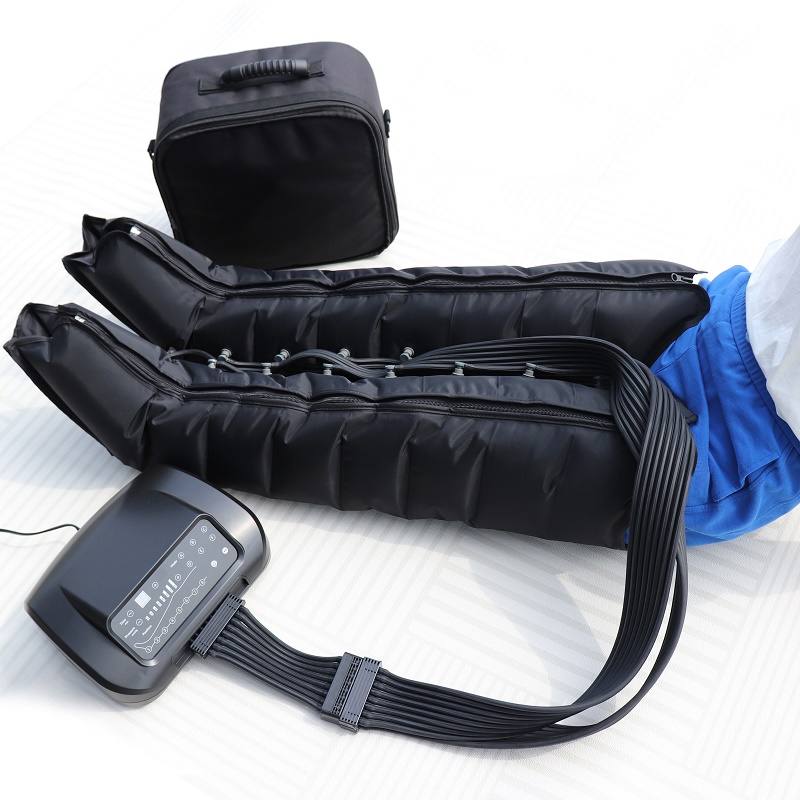
טכנולוגיית בריאות מודרנית מהפיכה את הדרך בה אנו מתקרבים לשיקום שרירים ולשיכוך כאבים, וטיפול במסאז' באמצעות לחץ אויר הופך לפתרון מוביל הן במוסדות בריאות מקצועיות והן בסידורי בריאות אישיים. מסאג'ר מַאֲשֵׁךְ דְּחִיקַת אוֹיר משתמש בלחץ פנאומטי מבוקר כדי לעורר את הזרימה הדם, להפחית את מתח השרירים ולעודד שיקום מהיר יותר מאجهاد גופני. הבנת התכונות והשקולים המרכזיים לבחירת ציוד טיפולי זה יכולה להשפיע משמעותית על תוצאות הטיפול ועל הסיפוק הארוך-טווח מההשקעה שלך.
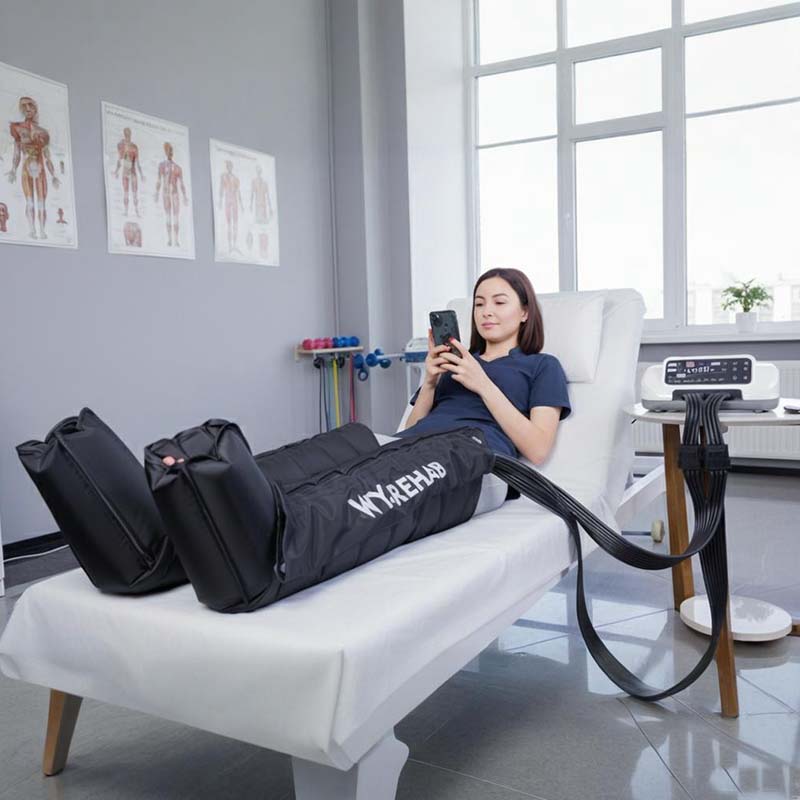
הבנת טכנולוגיית דחיסת האוויר
מנועי לחץ פנאומטיים
הבסיס של מסאז' דחיסה אוירית יעיל נמצא במערכות פנאומטיות מתקדמות שמספקות גלי לחץ מבוקרים לאורך אזור הטיפול. מערכות אלו משתמשות ביחידות מחצל מתקדמות שיוצרות לחץ אויר קבוע, אשר לאחר מכן מופץ דרך תאים או שרוולים מיוחדים שתוכננו למקד קבוצות שרירים מסוימות. יישום הלחץ עוקב אחרי דפוסים מוגדרים מראש שמדמים התכווצויות שרירים טבעיות, ומעודד זרימת דם משופרת ודילול לימפטי, תוך הפחתת דלקות ושיעמום שרירים.
יחידות מסאז' באוויר דחוס מקצועיות כוללות אזורים מרובים של לחץ שיכולים לפעול באופן עצמאי או ברצפים מתואמים, מה שמאפשר פרוטוקולי טיפול מותאמים אישית בהתאם לצרכים אישיים ולמטרות טיפוליים. התאים הניאומטיים מעוצבים מחומרים רפואיים המסוגלים לשמור על הפצת לחץ עקבית תוך הבטחת נוחות למטופל במהלך ישיבות טיפול ארוכות.
דפוסי דחיסה סדרתיים
טכנולוגיית דחיסה סדרתית מייצגת את הגישה המתקדמת ביותר למסאג' באוויר דחוס, ומציעה לחץ מדורג שמתקדם באופן שיטתי מאזורים מרוחקים לאזורים קרובים של הطرف או איבר הגוף שנמצא בטיפול. התקדמות הלחץ השיטתית הזו מדמה את פעולת המשאבה של השרירים המתרחשת במהלך פעילות גופנית, ומשפרת בצורה יעילה את החזרת הורידים ופוחתת הצטברות נוזלים ברקמות.
הסינכרון והעוצמה של הכיווץ הסדרתי יכולים להיות מכוונים במדויק כדי להתאים ליעדי טיפול ספציפיים, בין אם זה מתמקד בהחלמה לאחר אימון, ניהול כאב כרוני או שיפור הזרימה הדם. מערכות מטפחות דחיסה אוויר מודרניות מציעות מספר רצפים מוכנות מראש לצד אפשרויות התאמה אישית המאפשרות לעוסקים לפתח פרוטוקולי טיפול אישיים לצורך תוצאות אופטימליות עבור המטופל.
תכונות ותנאים עיקריים
טווח לחץ ושליטה
טווח הלחץ של מערכת מטפלת דחיסת אוויר משפיע ישירות על הגיוון הטיפולי ועל היעילות שלה בקרב קבוצות מטופלים שונות ויישומים טיפוליים שונים. מערכות מקצועיות מציעות בדרך כלל טווחי לחץ בין 20 ל-300 מ"מ כסיל, ומספקות גמישות מספקת כדי לקלוט מטופלים רגישים, תוך כדי סיפוק עוצמות טיפוליות המתאימות להחלמה ספורטיבית ופרוטוקולי שיקום.
מנגנוני בקרת לחץ מדויקים מאפשרים התאמות הדרגתיות של עוצמה במהלך ישיבות טיפול, ומאפשרים למטפלים לנטר את תגובות המטופל ולמаксם את רמת הנוחות תוך שמירה על יעילות טיפולית. מערכות דיגיטליות לבקרת לחץ מספקות משוב בזמן אמת על הלחצים המופעלים, מבטיחות סיפוק עקבי של הטיפול ומאפשרות תיעוד מדויק של פרמטרים טיפוליים לצורך תיק קליני ומעקב התקדמות בטיפול.
עיצוב וחיבורים של מיכלים
העיצוב וההגדרה של מיכלי דחיסה משפיעה משמעותית על היעילות הטיפולית ועל נוחות המטופל במהלך ישיבות אמבטיה באוויר דחוס. מערכות עם מספר מיכלים מספקות הפצה טובה יותר של הלחץ ומאפשרות טיפול ממוקד באזורים אנטומיים מסוימים, בעוד שמערכות במיכל יחיד מציעות פשטות ויעילות עלות לטיפולים תרפיות בסיסיים.
חומרת המיכל ואיכות הבנייה משפיעות ישירות על העמידות, שימור ההיגיינה וراحت החולה במהלך תקופות טיפול ארוכות. חומרים מדרגת רפואה כמו ויניל ופוליאוריטן עמידים בשימוש ומאפשרים ניקוי וחיטוי קלים, מה שנחוץ בסביבות קליניות. גודל מיכל נכון מבטיח התאמה אופטימלית לקלientes שונים תוך שמירה על העברת לחץ יעילה לרקמות היעד.
יישומים קליניים והטבות
החלמה לאחר ניתוח
טיפול בתרמיית דחס אויר זכה להכרה רחבה בפרוטוקולים של שיקום לאחר ניתוח, בזכות היכולת שלו לצמצם סיבוכים הקשורים לתנועתיות ממושכת ופציעת רקמות. יישום הלחצים הרך והמחזורי עוזר למנוע קרישי דם ורידים תוך קידום ריפוי רקמות באמצעות שיפור הזרמת הדם ודרכי הניקוז הלימפטיים.
מחקרים קליניים הדגימו צמצום משמעותי בהinch swelling, רמות כאב וזמנים של שיקום לאחר ניתוח כאשר מַאֲשֵׁךְ דְּחִיקַת אוֹיר הטיפול משולב בתוכניות שיקום מקיפות. האופי הלא פולשני של שיטת טיפול זו הופך אותו לחשוב במיוחד לחולים אשר אולי אינם סובלין טכניקות אפם ידניות או התערבויות פיזיותרפיה אגרסיביות בשלבים המוקדמים של השיקום.
ביצועים ספורטיביים והחלמה
ספורטאים מקצועיים וחובבי כושר מסתמכים ביתר שאת על טכנולוגיית אפם בלחץ אוויר כדי למקסם את תוצאות האימון ולזרז את התהליך של החלמה בין סיעודים של פעילות גופנית ערה. יישום הלחץ השיטתי עוזר להסיר שאריות מטבוליות מרקמות השרירים, תוך כדי שמספק חמצן ומזונות טריים החיוניים לתהליכי התיקון והחידוש התוך-תאיים.
שימוש רגיל בציוד למסאז' באמצעות דחיסת אוויר קושר להפחתת כאבי שרירים מאוחרים, שיפור גמישות ושיפור מדדי ביצועים ספורטיביים בתחומים ספורטיביים שונים. הנוחות והעקביות של מסאג' אוטומטי הופכות מערכות אלו לחשובות במיוחד למתקני אימונים ומתקני רפואת ספורט שמשרתים אוכלוסיות גדולות של ספורטאים.
קריטריוני בחירה להקשרים שונים
מתקני רפואה ובריאות
מתקני בריאות נדרשים למערכות מסאג' באוויר דחוס שמתאימות לסטנדרטים מחמירים של ביטחון, מציעות אפשרויות התאמה נרחבות ומבטיחות ביצועים אמינים בתנאי שימוש כבד. אישור רפואי, כיסוי אחריות מקיף ושירותי תמיכה טכנית עמידים הם שיקולים חיוניים בסביבות קליניות שבהן עיכובים בפעילות הציוד עלולים להשפיע ישירות על איכות הטיפול של המטופלים.
יכולות אינטגרציה עם מערכות מידע בריאותיות קיימות מאפשרות תיעוד שטוח של פרמטרי טיפול והתגובות של המטופל, ותומכות בפרוטוקולים של עשיית עבודה מבוססת ראיות ובדרישות תאום חוקי. תכונות ניטור מתקדמות, כולל מערכות משוב לחץ וכיבוי אוטומטי לביטחון, מספקות שכבות הגנה נוספות למטופלים תוך מתן טיפול מדויק ביישומים קליניים שונים.
שימוש ביתי ואישי
מערכות איפור קומפרסיה אוויריות אישיות מציגות דגש על תפעול קל לשימוש, עיצוב קומפקטי ויעילות עלות, תוך שמירה על היתרונות הטיפוליים המתאימים לritos בריאות ביתיות. ממשקים פשוטים לשליטה ואפשרויות טיפול מתוכנתות מראש הופכות את ההתקנים האלה לנגישים למשתמשים ללא הכשרה מיוחדת, תוך הבטחת תפעול בטוח ויעיל.
תכונות ניידות, כולל בנייה קלה ופתרונות אחסון נוחים, מותאמות למבני דיור שונים ולדרישות נסיעות. אפשרויות שעובדות על סוללות מרחיבות את גמישות השימוש מעבר לחיבורי חשמל מסורתיים, ומאפשרות טיפול בסביבות פתוחות או במהלך נסיעות, כאשר הגישה לחשמל עשויה להיות מוגבלת.
היקף ותחזוקה לבטיחות
פרוטוקולים לניקיון והיגיינה
תחזוקה נכונה של ציוד מסאז' דחיסה אווירית מבטיחה ביצועים אופטימליים, מאריכה את תוחלת החיים הפעולה ומניעה סיכונים של זיהום בסביבות קליניות ושימוש אישי. יש לקיים לוחות ניקיון קבועים שכוללים את המשטחים החיצוניים וגם את נתיבי האוויר הפנימיים, תוך שימוש בחומרי חיטוי מתאימים התואמים לחומרים ולרכיבים של המכשיר.
לוחות ההחלפה של המיכל תלויים בתדירות השימוש ובתנאי הסביבה, ורוב היצרנים ממליצים על בדיקות תקופתיות למציאת סימני בلى כגון דעיכת חומר, שלמות החותם ויכולת שמירת לחץ. הליכי אחסון מתאימים מגנים על רכיבים אלקטרוניים רגישים ומשמרים את רמות ההיגיינה בין ישיבות טיפול.
תקנים לבטחון והסכמה
מערכות מסאג' באמצעות דחיסת אוויר חייבות לעמוד בתקנות הרלוונטיות של מכשירים רפואיים ובתקני הבטיחות כדי להבטיח הגנה על המטופל ואמינות בתפעול. אישור של FDA, סימון CE ותעודת ISO מבטיחים את תהליכי בקרת איכות ופרוטוקולי בדיקות הבטיחות המאמתים את ביצועי המכשיר בתנאים קליניים.
נהלי כיול רגילים מוודאים את דיוק הלחץ ואת תפקוד המערכת, ומשמרים את האפקטיביות הטיפולית תוך מניעת התנודות בלחץ שעלולות להיות מזיקות. מנגנוני עצירה דחופה ומערכות שחרור לחץ מספקים תכונות בטיחות חיוניות המحمות את המשתמשים מתקלות בציוד או מהפעלת לחץ לא מתאים במהלך ישיבות טיפול.
שאלות נפוצות
באיזו תדירות יש להשתמש בהassage דחיסה אוירית לצורך תוצאות אופטימליות
התדירות האופטימלית לmassage דחיסה אוירית משתנה בהתאם לצרכים האישיים, למטרות הטיפול ולמצבים רפואיים קיימים. לשיפור הבריאות הכללית והלכידות, 2-3 ישיבות בשבוע של 20-30 דקות כל אחת מספקות בדרך כלל יתרונות מורגשים. ספורטאים שמחלימים מאימונים כבדים עשויים להפיק תועלת מישיבות יומיות, בעוד שמטופלים לאחר ניתוח צריכים לעקוב אחר ההנחיות הספציפיות של ספק שירותי הבריאות שלהם. עקביות בלוח הזמנים של הטיפול מספקת בדרך כלל תוצאות טובות יותר מאשר ישיבות מפוזרות ועקבתיות.
איזו הגדרת לחץ מתאימה למתחילים
מומלץ למתחילים להתחיל בהגדרות לחץ נמוכות, בדרך כלל בטווח של 30-60 מ"מ כסיל, כדי לאפשר לגוף להסתגל בהדרגה לתחושת הלחיצה. יש להגביל את הפעימות הראשונות ל-15-20 דקות תוך מעקב אחר רמת הנוחות והתגובה של הרקמות. ניתן להגביר את הלחץ בהדרגה במהלך הפעימות הבאות עם התפתחות הסבילות, ורוב המשתמשים מוצאים תועלת טיפולית אופטימלית בטווח של 60-120 מ"מ כסיל ליישומים כלליים.
האם יש התוויות נגד לעיסוי דחיסה באוויר
מספר מצבים רפואיים עלולים לסתור את השימוש בהידוק אוורירי, ביניהם תסביך ורידי עמוק פעיל, מחלת כלי דם מקיפה חמורה, כשל לב חסרי קצב לא מבוקר, ומצבים דלקתיים חריפים. מטופלים עם התקני רפואה מושתלים, אזורים שטופלו בניתוח לאחרונה, או בהריון, צריכים להתייעץ עם ספקי שירותי בריאות לפני תחילת הטיפול. מטופלים עם סרטן הנמצאים בטיפול פעיל צריכים להשיג את אישור האונקולוג בשל ההשפעה האפשרית על הזרמת הלימפה.
איך אני קובע את גודל התא הנכון לפי הצרכים שלי
גודל תא נכון מבטיח העברת לחץ אפקטיבית וراיה נוחה של המטופל במהלך הפעלות הטיפול. יצרנים רבים מספקים טבלאות גודל בהתבסס על מדידות היקף האיבר בנקודה הרחבה ביותר של האזור שאמור להיטפל. התא צריך להתאים בצורה צמודה מבלי להיות מגביל, כדי לאפשר הרחבה קלה של הרקמות במהלך יישום הלחץ. תאים מתכווננים עם אפשרויות גודל מרובות מאפשרים התאמה לטווח רחב יותר של משתמשים תוך שמירה על יעילות טיפולית.