 EN
EN

Spring returns, making it the perfect time for running and fitness. Whether preparing for a marathon or shedding winter's accumulated fat, running is always a popular choice. However, many runners encounter this problem: the day after a run, their thighs and calves are unbearably sore, making even climbing stairs feel like torture.
This soreness, which peaks 24 to 72 hours after exercise, is known in sports medicine as "delayed onset muscle soreness" (DOMS). Faced with this, most people's first reaction is: "Lactic acid buildup, I need to detoxify it immediately!" But are your detoxification methods correct? Today, we've invited a sports rehabilitation specialist to discuss professional leg detoxification solutions and reveal why more and more professional athletes are relying on cutting-edge technologies like air pressure leg massagers for leg recovery.
Misconception: Do you really understand "lactic acid detoxification"?
Before discussing solutions, we must first dispel a misconception. Many people believe that soreness is caused by lactic acid "stuck" in the muscles and must be "dispersed" or "scraped away" through various physical means.
In fact, lactic acid is produced much faster than you might imagine, and it disappears even faster. Studies show that lactic acid is naturally metabolized and cleared by the body within one to two hours after exercise through low-intensity activity or simple rest, and it has little to do with the severe soreness you experience the next morning.
So, what exactly is being "cleared" of lactic acid? Modern rehabilitation medicine believes that "clearing" lactic acid actually involves promoting blood circulation and lymphatic drainage to remove inflammatory substances caused by micro-injuries to muscles, reducing edema, and thus alleviating pain and stiffness. This is a deep physiological recovery process, not just simple surface relaxation.
Professional-Grade "Leg Lactic Acid Clearing" in Three Steps
For leg recovery after running, sports rehabilitation therapists recommend a three-step strategy, progressing from superficial to deep, to comprehensively accelerate leg recovery.
Step 1: Initial Intervention (0-48 hours post-race)
Principles: Cold compresses and gentle stretching.
After exercise, do not stop immediately. First, perform 10-15 minutes of slow walking or low-intensity dynamic stretching to allow your heart rate to gradually calm down. If you experience localized burning or swelling in the muscles, apply a cold compress to the sore area within 24-48 hours to constrict capillaries and reduce inflammation and secondary damage.
Step 2: Active Recovery (After 48 Hours)
Principle: Heat therapy and exercise to relieve muscle soreness.
After 48 hours, soreness reaches its peak. At this time, switch to heat therapy to promote blood circulation. Simultaneously, engage in low-intensity aerobic exercise, such as walking or slow swimming, to increase blood flow to the muscles through gentle activity. This is what is known as "active recovery."
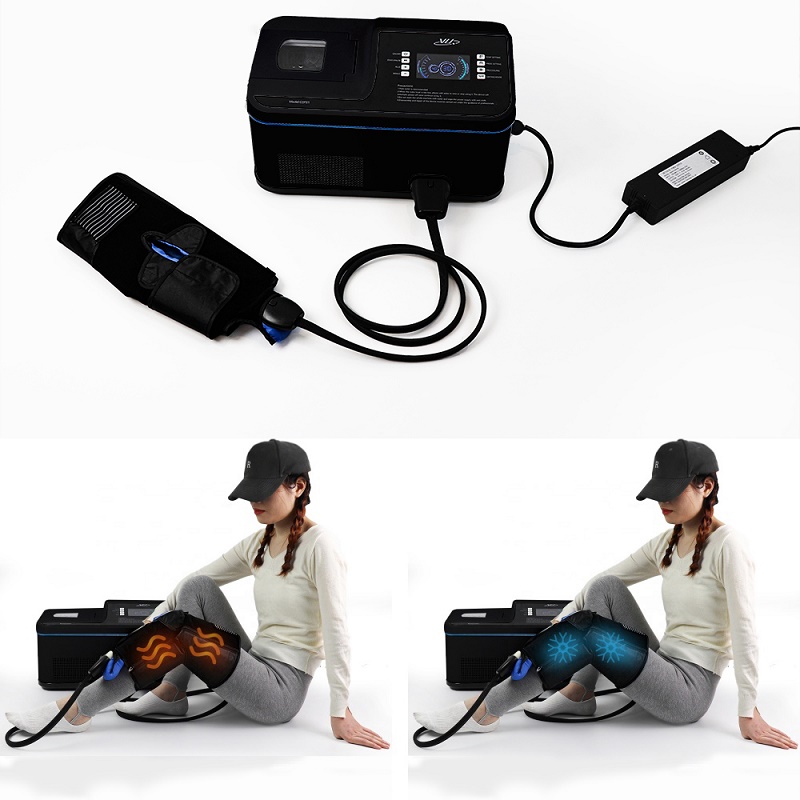
Both cold and heat therapy can be easily achieved using professional physical therapy machines, such as the VU-COT01 hot and cold compression therapy machine from Xiamen Weiyou Intelligent Technology Co., Ltd. The core highlight of this device is its use of advanced semiconductor technology. It requires no ice or hot water; with just one button setting, it automatically cools or heats and maintains a constant temperature. Whether it's the urgent need for ice therapy (constricting blood vessels and reducing swelling) after acute injury or the need for heat therapy (promoting blood circulation and relieving stiffness) during recovery, it can precisely achieve the desired effect within minutes.
For runners, if you accidentally twist your ankle while running or experience severe muscle swelling after a race, using the VU-COT01 for compression therapy and cold compresses immediately can control inflammation to the greatest extent. During daily recovery, switching to the heat mode, combined with air compression massage, can help "squeeze" accumulated metabolic waste out of the muscles, just like a professional physical therapist, allowing your legs to regain lightness.
Step 3: Technology Assistance (Deep Relaxation)
Principle: Mechanical pressure accelerates metabolism.
This is the most favored step by many professional teams and elite runners. Manual massage alone often lacks sustained pressure and depth of penetration. At this time, using professional rehabilitation equipment, such as an air compression massager, can achieve twice the result with half the effort.
High-Tech Debut: The "Grand Finale" Effect of the Air Pressure Leg Massager
Why do professional athletes immediately put their legs into a "compression boots" after completing high-intensity training? This is actually compression therapy.
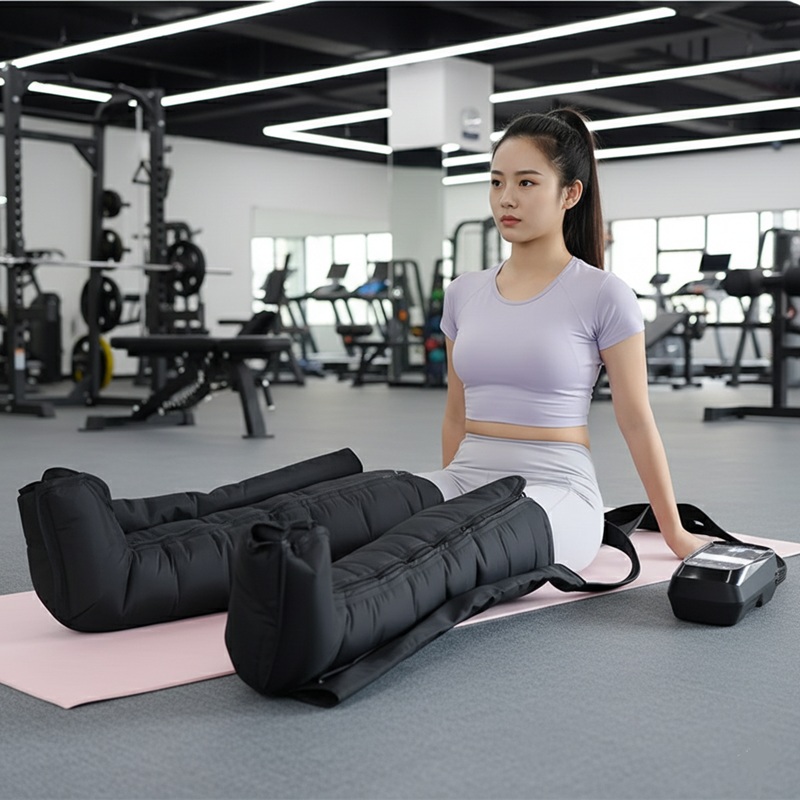
Sports rehabilitation therapists point out that the principle of pneumatic compression technology is to use the multi-chamber airbags of an air-compressed leg massager to apply pressure sequentially from the ankle and calf to the thigh, simulating the "centripetal massage" technique of a professional physiotherapist. This gradient pressure produces significant physiological effects:
Accelerating venous return: Quickly "squeezing" stagnant venous blood in the lower limbs back to the heart, removing metabolic waste such as lactic acid.
Promoting lymphatic circulation: Helping to clear tissue fluid exudation caused by micro-muscle damage, quickly eliminating swelling, essentially "acid removal."
Relaxing muscle fascia: Through continuous and even pressure, relieving muscle stiffness, reducing muscle spindle excitability, and truly "relaxing" tense muscles.
A new choice for home rehabilitation: Weiyou factory's leg massage solution.
Previously, this type of compression therapy was only available in professional rehabilitation centers or sports teams, and the equipment was expensive and inconvenient. To enable more sports enthusiasts to enjoy the benefits of technology in their sporting lives, Xiamen Weiyou Intelligent Technology Co., Ltd., leveraging its deep expertise in intelligent rehabilitation, has launched a home-use air pressure leg massager.
This leg compression device perfectly embodies the core technology of "bottom-up, gradual pressure application" required by professional rehabilitation therapists. It's not just a simple relaxation tool, but a scientific leg recovery system. Through precise pneumatic compression technology, it can simulate a continuous and deep kneading effect that is difficult to achieve by hand.
Using Xiamen Weiyou Intelligent Technology's air compression massager, simply wash your legs after running, slip your feet into the device, turn it on, and enjoy a thoroughly relaxing passive leg recovery experience. Its built-in multiple modes offer the most suitable solution for both high-intensity recovery after a strenuous sprint and soothing relaxation after a leisurely run.
For runners, buying expensive running shoes is about running faster, while investing in a professional air compression leg massager is about "recovering faster" after a run, allowing for better preparation for the next training session. This is not only an upgrade in sports rehabilitation concepts, but also a reflection of modern quality of life.
If you're still troubled by leg pain after running, why not try this detoxification program that combines scientific theory with modern technology? After all, only with proper recovery can you run far.